Cupra Born salary sacrifice: the driver’s EV that works on a UK scheme
Cupra Born salary sacrifice maths for 2026: from £34,190 to the 322hp VZ, here is the real benefit-in-kind cost at 4% across the UK tax bands.
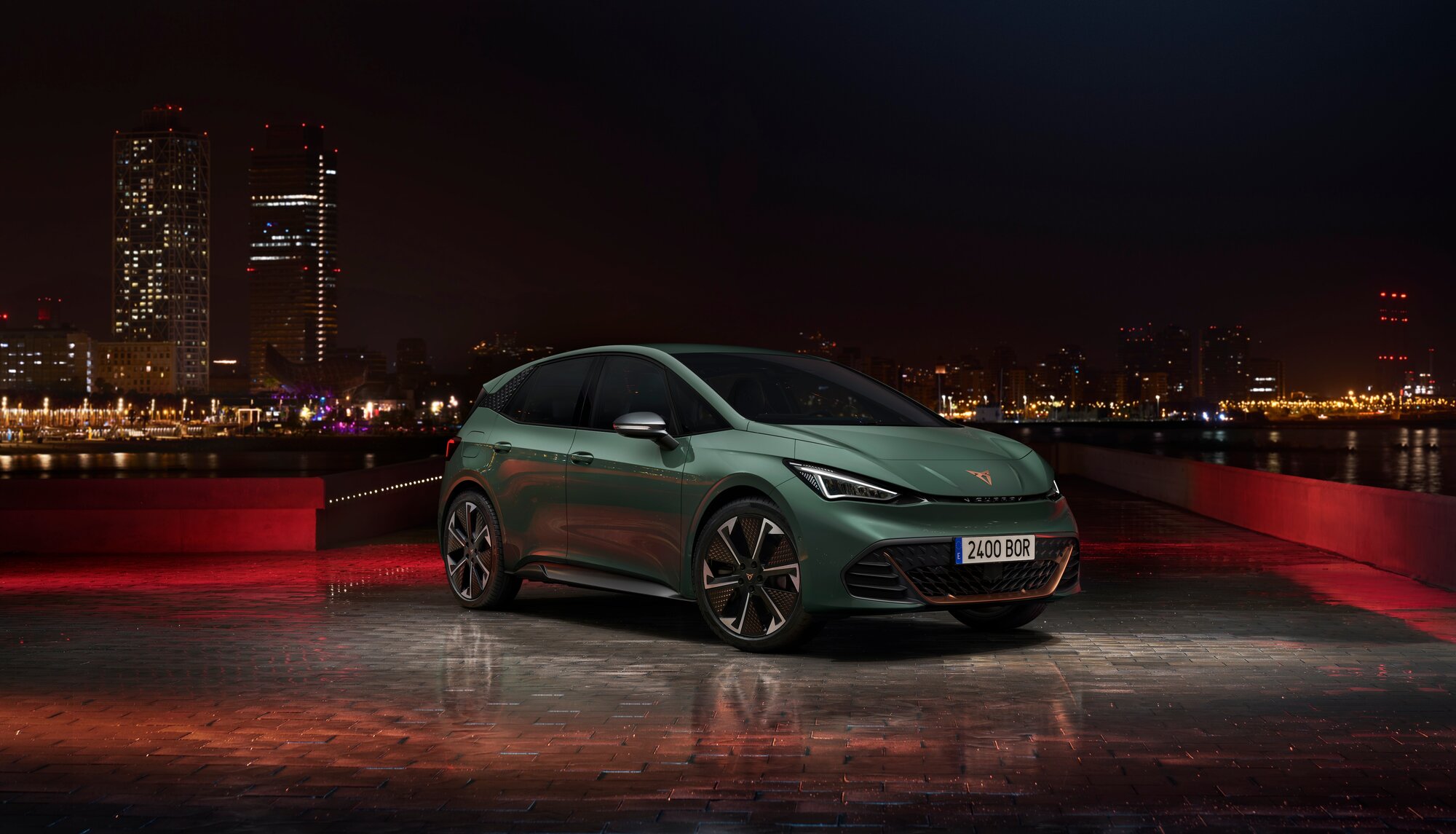
The Cupra Born salary sacrifice case is the rare one where the fun car and the tax-efficient car turn out to be the same car. Cupra’s official UK price list, dated February 2026, runs the Born from £34,190 for the entry V1 up to £44,825 for the 322hp VZ hot hatch, and because a pure EV is taxed as a company car at just 4 per cent in 2026/27 (gov.uk), the taxable benefit on any of them is small. The twist most write-ups miss is that Cupra’s own brochure still works its example at the old 3 per cent rate, which understates the real figure. Here is the honest version, at the rate that actually applies this tax year.
What you need to know
- Range runs from £34,190 (V1, after the £1,500 Electric Car Grant) to £44,825 for the 322hp VZ (Cupra UK price list, February 2026).
- The £1,500 grant applies to V1 and V2 only; the VZ is excluded, so its list price stands.
- Pure-EV company-car tax is 4 per cent for 2026/27 (gov.uk), rising one point a year, not the 3 per cent some brochures still quote.
- Standard cars make 231hp; the VZ uses the 79kWh battery for 322hp, up to 366 miles WLTP and 185kW rapid charging.
What the Born actually costs in 2026
Start with the prices, because they have shifted. The entry V1 is quoted at £34,190, which already has the £1,500 Electric Car Grant baked in (the list price before the grant is nearer £35,690). The V2 sits around £35,960 and the V3 around £37,710. Then comes the VZ at £44,825, which does not qualify for the grant at all because of where it lands on the eligibility rules. So the Born is not one car at one price; it is a small range that stretches from a sensible family hatch to a properly quick performance EV, and the salary-sacrifice answer is different at each end.
Mechanically you are choosing between two batteries, 59kWh and 79kWh, both making 231hp in standard form, and the VZ’s hotter 322hp tune on the bigger pack. For most company-car drivers the 79kWh car is the sweet spot: enough range to stop you planning life around chargers, without the VZ’s premium. If you want the wider context on how the 4 per cent rate works across any EV, our guide to 2026 company-car tax and the BiK bands lays out the full picture.
The salary-sacrifice maths, at the real 4 per cent rate
Salary sacrifice works by letting you pay for the car out of gross salary, before income tax and National Insurance are deducted, so a higher-rate taxpayer effectively gets the lease at close to 40 per cent off. The only tax you hand back is benefit-in-kind, and at 4 per cent that is genuinely small. On the V1, 4 per cent of a list price near £35,690 is a taxable benefit of about £1,428 a year. A basic-rate employee pays roughly £286 of that, around £24 a month; a higher-rate employee pays about £571, near £48 a month. Step up to the VZ at £44,825 and the benefit is about £1,793, so the tax is roughly £30 a month at basic rate and £60 at higher rate.
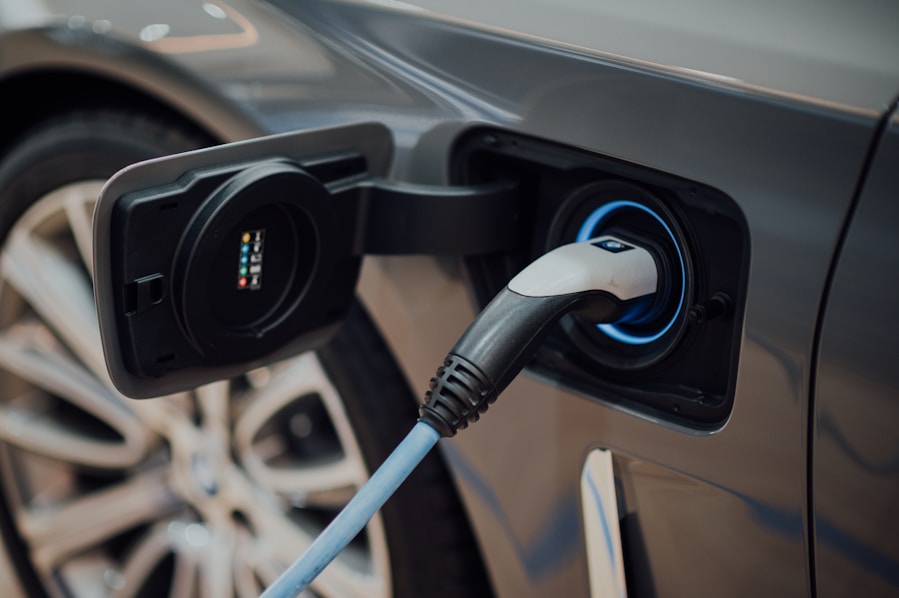
Those are the tax figures, not the lease itself, which depends entirely on your employer’s provider and term, and no honest article can quote that as one number. They are illustrative figures for the 2026/27 tax year, not a finance offer, and your exact benefit-in-kind bill will depend on your personal tax code and circumstances, so treat them as a guide and confirm with your own scheme quote. What the maths shows is the shape: paying £60 a month in tax to drive a 322hp performance EV is the part that makes people do a double-take. Just remember the rate is not frozen; it climbs a point a year, which I have walked through in our note on the 2028 BiK lock-in, so factor the later years into a longer term.
On a scheme, the gap in monthly tax between the cheapest Born and the fastest one is a handful of pounds, while the gap in how the car makes you feel is enormous.
V1 or VZ: which Born makes sense on a scheme
This is where I would actually spend the time. The V1 and V2 are the value play: they take the grant, they keep the monthly tax in the low £20s to high £40s depending on your band, and they are more than quick enough for daily life. The VZ is the heart-over-head choice, and on a scheme it is far more defensible than it would be as a cash buy, because the tax penalty for the extra performance is only a few pounds a month. If you have always wanted a hot hatch but the running costs put you off, a salary-sacrificed VZ is one of the few ways that sum works in 2026. For a calmer alternative, the Peugeot e-208 on salary sacrifice and the basic-rate-friendly Kia Niro EV are worth a look.
What you give up, and what you don’t
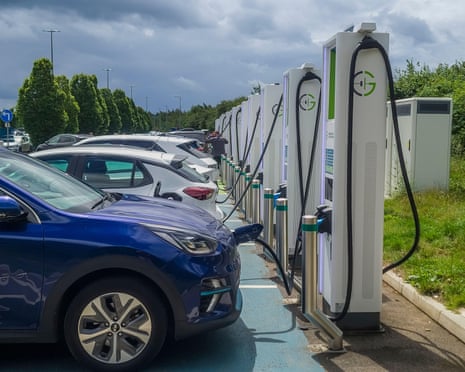
I will be straight about the compromises. The Born shares its underpinnings with the Volkswagen ID.3, so it is not bespoke exotica, and the interior, while improved, is not as plush as some pricier rivals. Rear space is fine rather than generous, and the ride on the VZ’s bigger wheels can fidget on poor surfaces. What you do not give up is the important stuff: it drives with real verve, the 79kWh range is usable, and the 185kW charging on the VZ means rapid stops are quick. If you cross-shop a hotter EV, the Hyundai Ioniq 5 N on salary sacrifice is the serious rival, though it costs a good deal more.
Who this actually suits
The Born is for the driver who wants their company car to be fun, not just sensible, and who has a salary-sacrifice scheme to lean on. A basic-rate employee gets a likeable, cheap-to-tax family EV in the V1. A higher-rate taxpayer who enjoys driving should look hard at the VZ, because the scheme turns an indulgent car into a rational one. The reader I would steer elsewhere is anyone who needs maximum rear-seat and boot space for a growing family; there are roomier EVs for the money. But as a do-it-all hatch that happens to be quick, the Born is hard to argue with on a scheme.
Where to check before you sign
- Confirm the exact trim price and grant status on the official Cupra UK Born page, as grant eligibility is set per configuration.
- Check the 4 per cent rate and the year-by-year increases against the gov.uk company-car tax guidance, not the brochure.
- Ask your scheme provider for a full quote showing the gross deduction, term, mileage cap and any early-exit terms.
- If you are eyeing the VZ, run the numbers over the full term so the rising BiK rate in later years is included.
- Compare a like-for-like personal contract hire quote so you can see exactly what the tax break is worth to you.
Where I’d put a scheme allowance
If I had a salary-sacrifice allowance and wanted something I would actually look forward to driving, the Born would be on my shortlist, and I would push past the sensible V1 towards the VZ. The reason is simple: on a scheme, the gap in monthly tax between the cheapest Born and the fastest one is a handful of pounds, while the gap in how the car makes you feel is enormous. For a family that needs space above all, I would point you at a roomier EV. For everyone else who has ever fancied a hot hatch and has a scheme to use, this is the cleverest way I know to have one in 2026.
Final verdict
Cupra Born salary sacrifice maths for 2026: from £34,190 to the 322hp VZ, here is the real benefit-in-kind cost at 4% across the UK tax bands.