BMW X3 vs Audi Q5 vs Volvo XC60: the used premium SUV I’d actually buy in 2026
Here is the number that reframes this whole class for me in 2026: a near-new Volvo XC60 now changes hands from around £44,000 against a list price of £49,860 — and on Carwow’s current used listings (checked June 2026) the same car drops as far as £13,688 once you go back a few plates. That spread is the real story of the used premium SUV. The badge on the bonnet matters far less than where on the curve you buy, and the three cars everyone cross-shops — the BMW X3, the Audi Q5 and the Volvo XC60 — each ask you to make a different bet.
I’ve spent this guide on the version of the question that actually lands in my inbox: not “which is best new” but “which of these do I buy used in 2026 without regretting it.” The answer is less obvious than the German default suggests.
| At a glance | BMW X3 | Audi Q5 | Volvo XC60 |
|---|---|---|---|
| Used price, from (Carwow, June 2026) | £41,904 (latest gen) | £38,945 | £13,688 older / ~£44,000 near-new |
| New price, from | £53,355 | £52,360 | £49,860 |
| Diesel option | Yes | Yes | No |
| PHEV economy / e-range | 100.9 MPG claimed | 62-mile e-range | 51-mile claim (~30 real-world) |
| What it’s best at | Keenest drive, lowest used entry | Firmest residuals, most honest PHEV | Biggest boot, keenest new price |
| Where I land | Audi Q5 — lowest regret: the only PHEV range that survives a real week, plus the firmest residuals | ||
What each one costs you to get into (premium SUV)
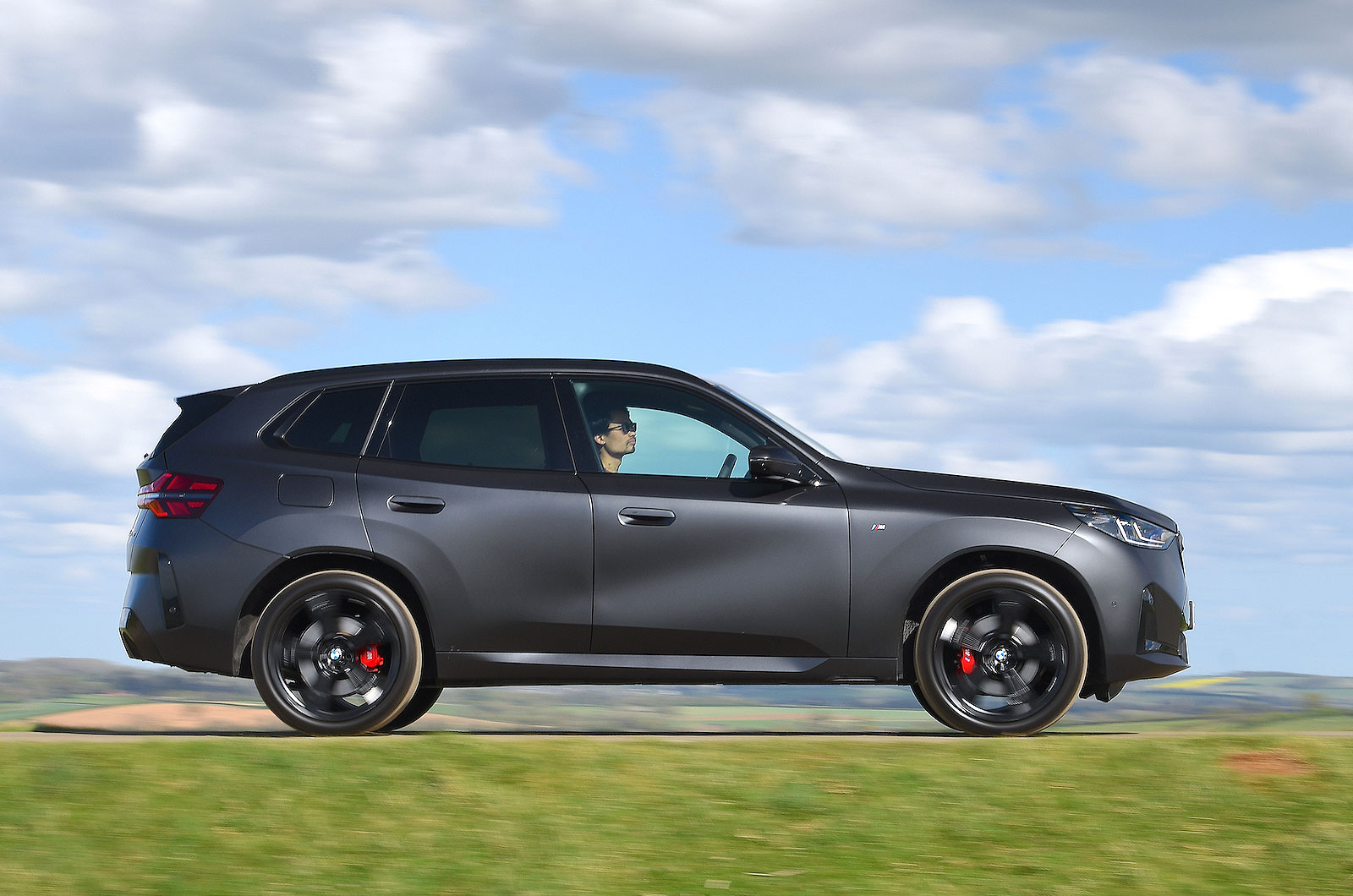
Start with the entry points, because they tell you who is depreciating fastest. The BMW X3 opens at £41,904 for the latest-generation used cars on Carwow, dropping to £14,895 for 2017–2024 examples. The Audi Q5 starts higher, at £38,945 used. The XC60, as above, runs from £13,688 older to roughly £44,000 near-new.
New, the picture is tighter than the badges imply. The X3 lists at £53,355–£73,795, with M Sport — the trim around 70% of buyers choose — opening north of £50,000. The Q5 spans £52,360–£73,950. The XC60 undercuts both, starting at £49,860 as a mild hybrid. So the Volvo is the keenest-priced to buy new and, crucially, the one whose near-new used price sits closest to its list — which is a polite way of saying its first owner has already absorbed a softer hit than the German pair’s will.
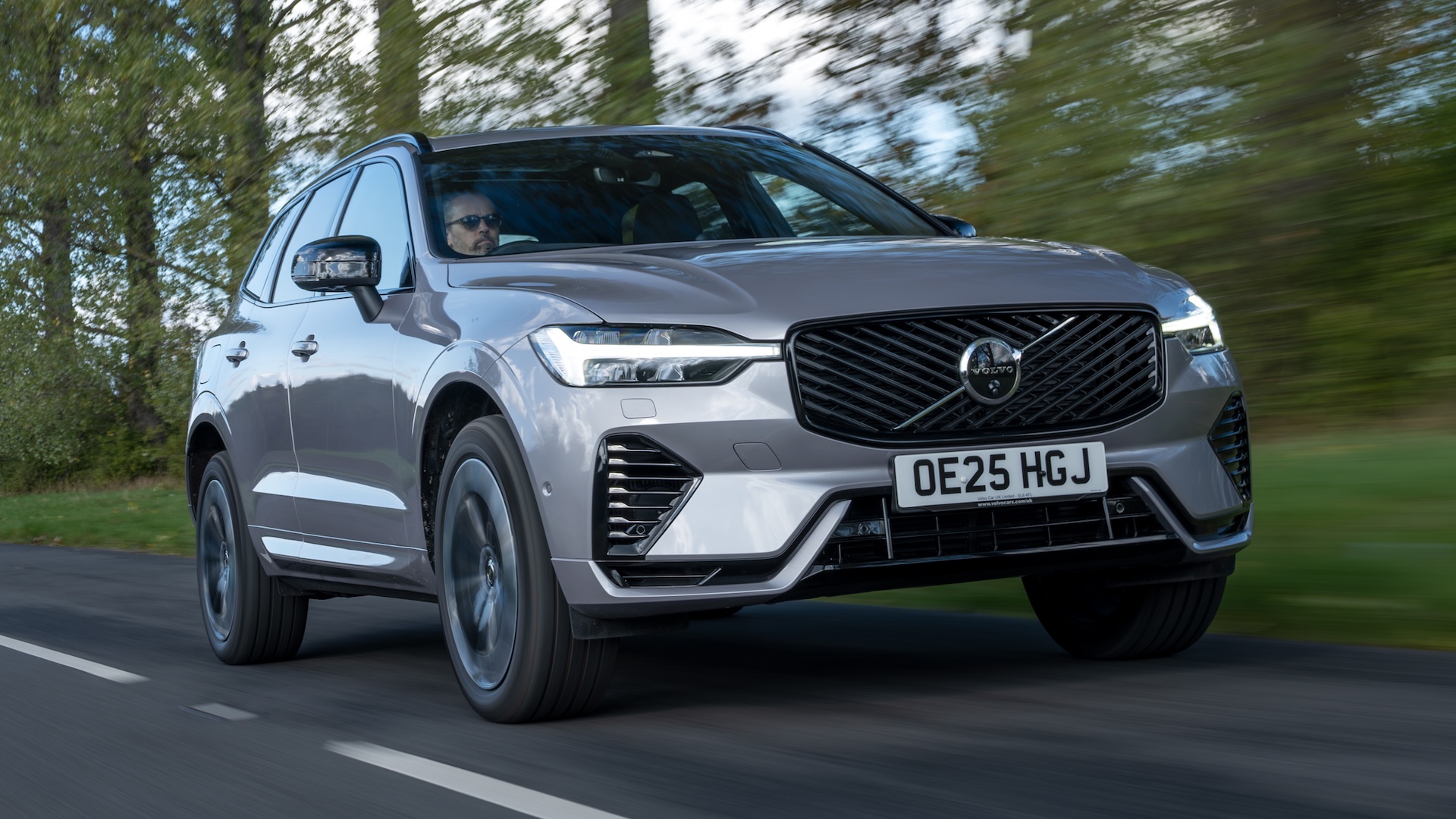
If you are buying used to dodge the worst of the depreciation, that matters. The Q5’s higher used floor isn’t Audi being greedy; it’s the market pricing in demand. The X3’s lower entry is the steal on paper — and the warning on the engine, which I’ll come to.
The engine question is really a fuel-bill question
This is where the three genuinely diverge. The X3 still offers the full hand: petrol, diesel and plug-in hybrid, including the 20i MHT, 20d MHT and the M50 xDrive at the top. The Q5 mirrors it — a 204hp petrol, a 204hp diesel, and a plug-in hybrid that claims a genuinely useful 62-mile electric range. The XC60 is the outlier: no diesel at all, only a 250hp mild hybrid and a 455hp plug-in hybrid flagship.
For the high-mileage crowd, that absence is a deal-breaker — the Volvo simply doesn’t have the long-haul diesel they want, and the Q5 or X3 diesel is the rational pick. For everyone doing a school-run-and-occasional-motorway pattern, the PHEVs are where the maths gets interesting, and where the brochure gets optimistic.
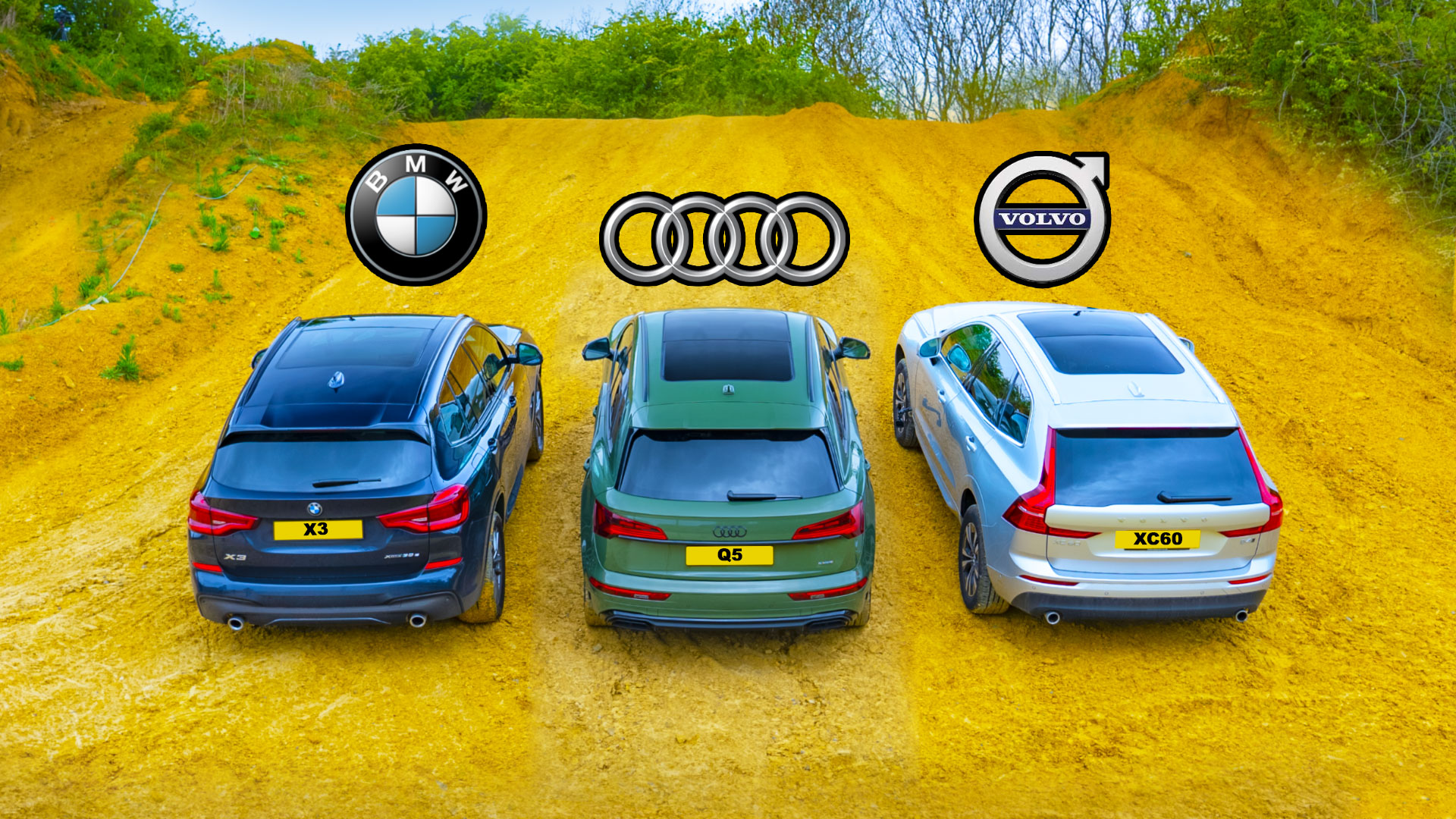
The X3 plug-in hybrid claims up to 100.9 MPG. The XC60’s plug-in claims 51 electric miles. Real-world, that Volvo manages nearer 30 miles of charge and around 34 MPG once the battery’s flat — and that gap is the single most expensive misunderstanding in this class.
I’m not knocking the Volvo for it; every PHEV in this segment flatters itself on the official test. But if you buy one on the strength of a triple-figure economy figure and then never plug it in, you’ve bought a heavy petrol SUV with a worse-than-petrol real-world return. The PHEV only pays if your daily run sits inside that electric range and you charge nightly. The Audi’s 62-mile claim gives it the most genuine breathing room there.
The tax trap nobody flags at the forecourt
Here’s the cost that doesn’t show on the windscreen sticker. Every XC60 built since 2020 lists above £40,000 new, which drags it into the VED Expensive Car Supplement: £425 a year for 2025/26, charged in years two to six, so roughly £2,125 across the five years it applies. The X3 and Q5, opening well above £40,000 too, sit in exactly the same trap on their core trims.
This is the bit that would stop me buying purely on the used sticker. A £41,904 X3 isn’t a £41,904 X3 — it’s that plus a multi-year surcharge the first owner started and you inherit. When you’re weighing a cheaper older car against a near-new one, fold that surcharge window into the sum, because on these three it’s live for years after you’ve signed. (Always check the specific car’s first-registration date against the current VED rules, as the supplement years run from registration, not from when you buy.)
Space, and the small wins that decide it day to day
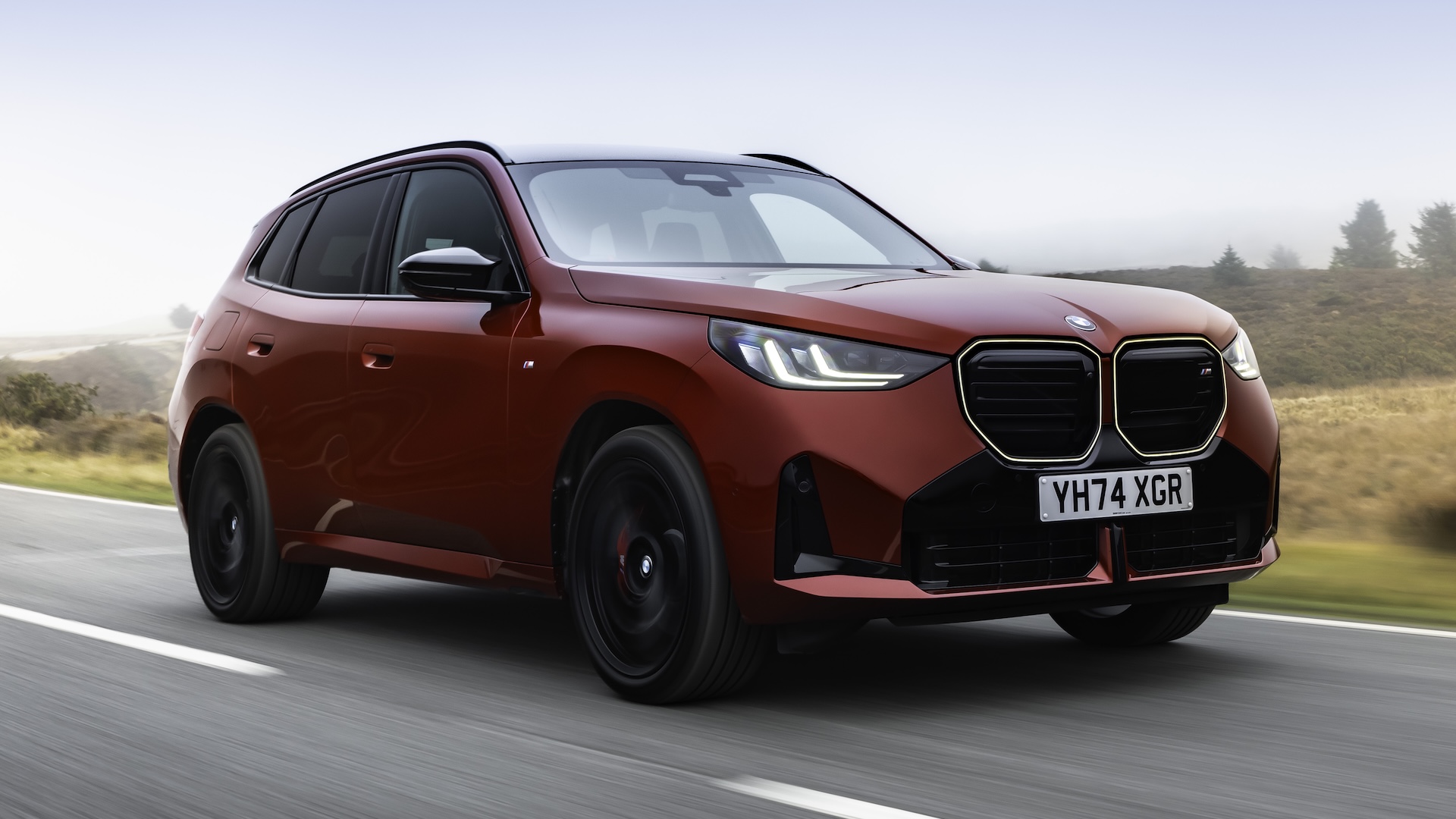
If the boot is your deciding metric — and for a family SUV it quietly is — the Volvo edges it. The XC60 gives you 613 litres as a petrol, 598 as a plug-in hybrid, expanding to 687 with the seats down. The Q5 trails at 620 litres — fractionally behind the petrol Volvo and a clear step behind it folded.
It’s not a chasm. But across the ownership life of one of these, the Volvo’s extra usable space and its calmer, less aggressively sporting cabin are the kind of thing that wears well. The X3 stays the keenest drive of the three — What Car?’s review still rates its chassis as the class benchmark — but a sharp chassis is a thing you notice on the good days and forget on the 300 dull ones.
So which bet do you actually want
Let me be unfair to all three on purpose, because that’s how you choose. The X3 is the driver’s car and the lowest used entry, but its M Sport-heavy market means you’ll pay for trim you may not want, and the cheapest examples are the oldest. The Q5 holds its used value hardest — reassuring if you’ll sell on, irritating if you’re buying — and its 62-mile PHEV is the most honest electric promise here. The XC60 is the value play new, the boot champion, and the calmest thing to live with, but the no-diesel rule rules it out for serious mileage, and its PHEV needs plugging in to make any sense at all.
If the keys were mine this weekend
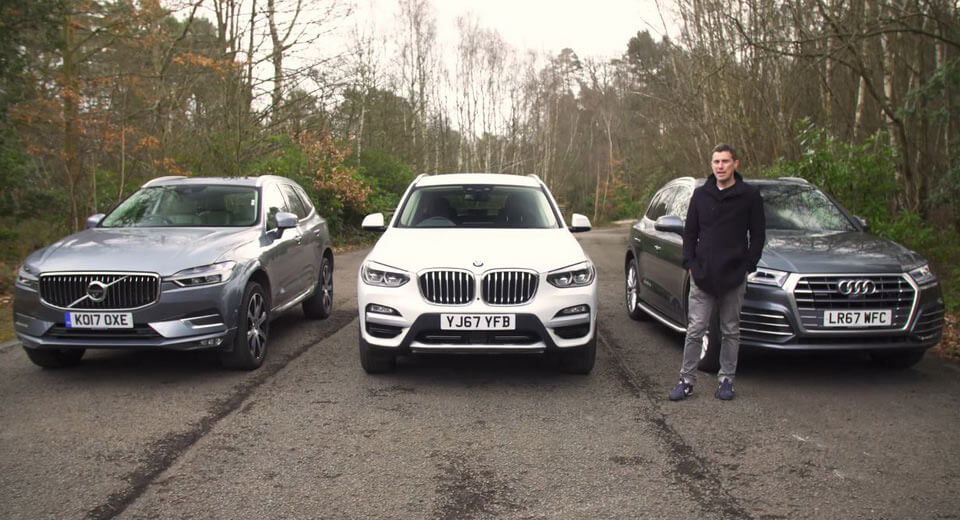
I’d buy the Audi Q5. Not because it’s the keenest-priced — it isn’t, at a £38,945 used floor — but because its plug-in hybrid is the only one of the three whose claimed electric range survives contact with a real week, and its strong used residuals mean the money I put in is close to the money I get back when I move it on. That’s the premium bet: not the lowest price, but the lowest regret.
Buy the X3 instead if you genuinely care how it drives and you’ll do the miles to justify a diesel. Buy the XC60 if your life is school-run-shaped, you’ll charge it nightly, and you want the biggest boot for the least new outlay — just go in clear-eyed that 30 real electric miles, not 51, is what you’re signing for. What would change my mind on all of it? A diesel X3 or Q5 at the right plate, with a charging story I didn’t have to pretend about — because the cheapest motoring in this trio is still the one whose running costs you didn’t have to lie to yourself about.
How we compare
Buyer action
Where to check next
Use this as the final check before paying a deposit, signing finance paperwork or relying on a headline monthly figure.