If a quote put you off going electric, here is the news I have been waiting to give you: electric car insurance still costs more than the petrol equivalent, but the gap is finally closing rather than widening. The Association of British Insurers reported on 30 April 2026 that the average motor premium held steady at £560 in the first quarter, and Thatcham Research, the UK body that rates cars for insurers, says the cost of repairing an EV has actually fallen as the trade learns the job. So before you let an old horror story decide your next car, let me show you what really drives an EV premium, and where the system has quietly started working in your favour.
What actually pushes an electric car insurance premium up
An EV is not dearer to insure because the insurer dislikes you. It is dearer because, when one is damaged, fixing it costs more, and your premium is just the averaged-out price of that risk. The ABI’s first-quarter 2026 figures tell the story plainly: of £2.9bn paid out in claims, £1.9bn went on vehicle repairs, up 3% on the previous quarter, and the average accidental-damage claim climbed 8% to £3,699 as parts prices and vehicle complexity rose. EVs sit at the sharp end of that because of one component. Thatcham Research points out that the battery can account for up to 40% of an electric car’s total value, so a knock that would be a cheap repair on a petrol car can write off an EV outright once the pack is in doubt. In its own survey with the Centre for Economics and Business Research, battery-related concerns were the number-one worry for 44.6% of insurers and 41.7% of repairers.
| The numbers behind your premium | Figure | Source |
|---|---|---|
| Average UK motor premium, Q1 2026 | £560 (£20 lower than a year earlier) | ABI, 30 Apr 2026 |
| Average accidental-damage claim | £3,699, up 8% on the quarter | ABI, Q1 2026 |
| Share of an EV’s value tied up in the battery | Up to 40% | Thatcham Research |
| Change in EV repair costs as the trade gained experience | Down 10.7% | Thatcham Research |
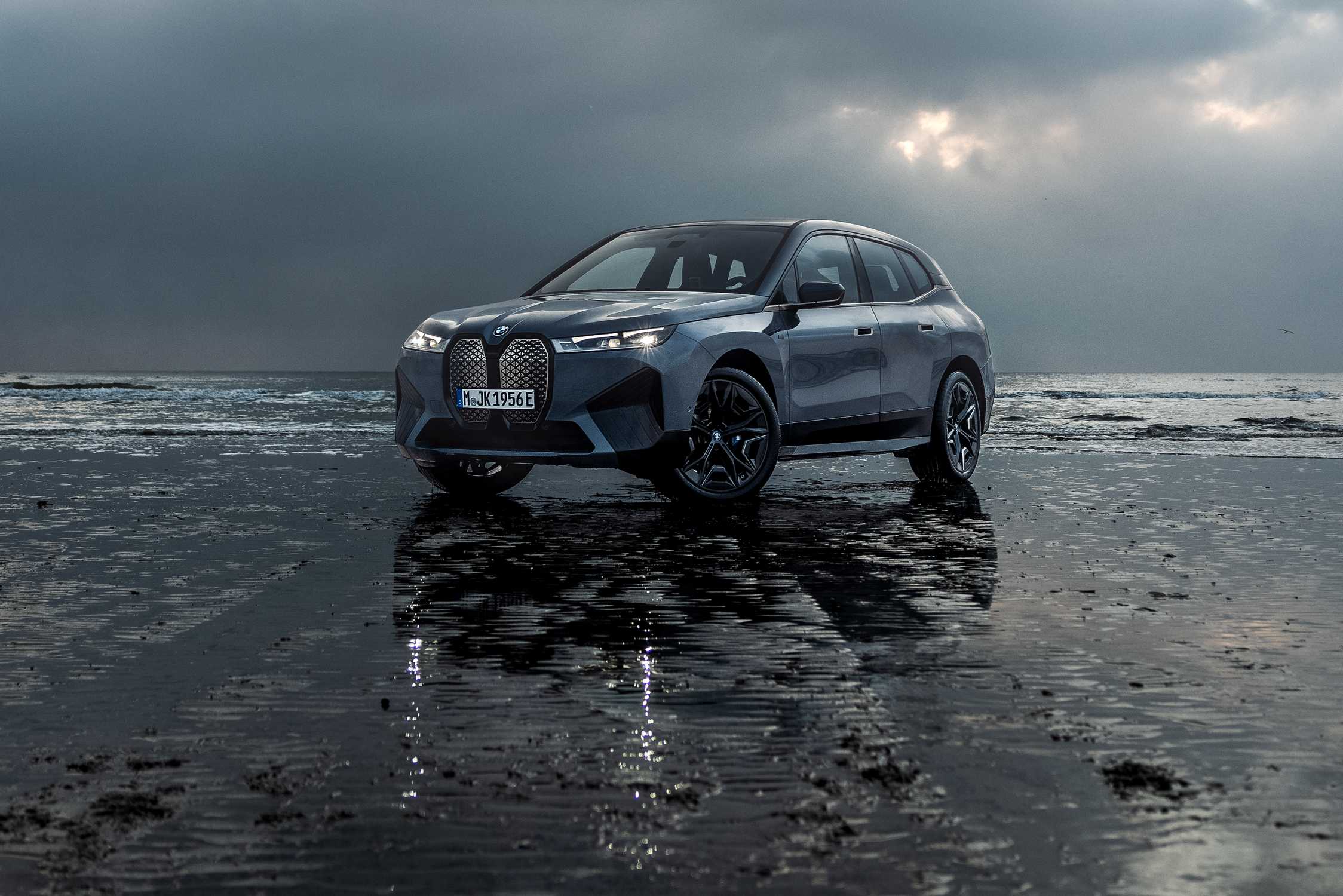
This is why a premium electric SUV stings hardest on a quote. The bigger and pricier the battery, the more an insurer stands to lose on a total loss, which is exactly the dynamic behind the insurance spike on high-value EVs and the run of avoidable EV write-offs I have written about before. It is also why the cost of replacing an EV battery matters to you even if you never crash, because it sets the ceiling the insurer is pricing against.
It’s encouraging to see motor insurance premiums have remained stable in the first three months of this year, underlining the industry’s efforts to tackle costs. However, the sustained high costs of repairs continue to be a concern.
Chris Bose, director of general insurance, Association of British Insurers (Q1 2026)
Why the electric car insurance gap is finally closing
Here is the part the scare stories never update. As bodyshops and assessors have built up experience with electric cars, the cost of repairing them has come down by 10.7%, according to Thatcham. The early premiums were so steep partly because almost nobody knew how to fix these cars safely or quickly, and a write-off was often easier than a repair. That is changing. Thatcham’s EV Blueprint, published in spring 2026, pushes the industry towards repairing damaged batteries rather than scrapping the whole car, which keeps older EVs on the road and, in time, pulls premiums down for the rest of us. The gap between insuring an electric car and a comparable petrol one is narrowing, not because insurers got generous, but because the repair side of the equation is maturing. If you were quoted a frightening figure two years ago, it is worth getting fresh quotes now, because the market underneath them has moved.
None of that means you should accept the first number you are shown. The single biggest avoidable cost in motor insurance is not the EV badge on your driveway, it is loyalty, and the next section is where I would fight for your money.
What I would do to cut an EV premium right now
The repair costs are out of your hands. These five things are not, and this is the order I would work through them:
- Never let it auto-renew unchallenged. Since the FCA’s general insurance pricing rules took effect in January 2022, an insurer is not allowed to quote you, a renewing customer, more than it would charge an equivalent new one. The practice it banned is called price walking, and the way you hold them to it is to get fresh quotes every single year and put the cheapest in front of your current insurer.
- Quote early, not on the day. Buying around three weeks before renewal rather than at the last minute is consistently cheaper, because insurers price last-minute buyers as higher risk.
- Pay annually if you possibly can. Paying monthly is a credit agreement with an interest rate attached, often a punishing one. I broke down exactly how much that monthly-payment APR can cost you, and on an EV’s larger premium the sting is bigger.
- Check the insurance group before you buy the car, not after. Two electric cars at a similar price can sit in very different groups depending on repair cost and battery design, and that gap follows you for the life of ownership.
- Use an insurer with a proper EV-aware approved repairer network, so a damaged battery is assessed for repair rather than waved straight to write-off. It is worth comparing the insurers that actually cover EV batteries, cables and wallboxes properly.
So here is where I land it for you. Yes, an electric car still costs more to insure than its petrol twin today, and the battery is the reason. But the trend has turned: repair costs are falling, the regulator has already outlawed the loyalty penalty that quietly inflated renewals, and the experience gap that made early EVs so expensive to cover is closing fast. Do not let a 2024 quote talk you out of a 2026 decision. Get three fresh quotes, refuse the loyalty price, pay annually, and the EV premium becomes a number you can live with rather than a reason to walk away. The full picture on what EV cover actually costs in 2026 is moving in your direction for once.
Buyer action
Where to check next
Use this as the final check before paying a deposit, signing finance paperwork or relying on a headline monthly figure.