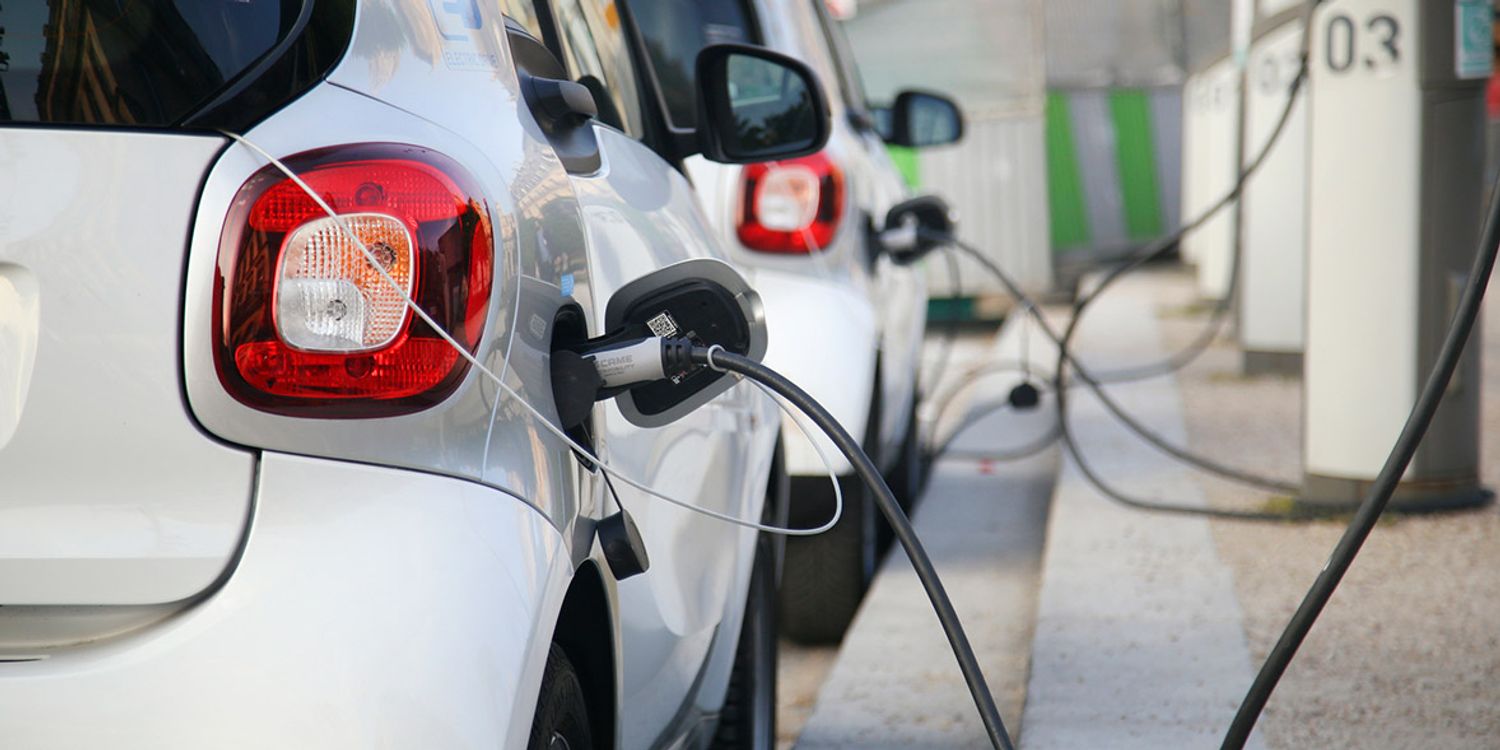
EV insurance costs ~25% more than petrol , but LV= and Aviva lead on battery, charging-cable and wallbox cover. What I'd insist on before signing in 2026.
Here is the figure that should reframe how every EV driver thinks about renewal: electric cars cost around 25% more to insure than the petrol or diesel equivalent, according to Brumble’s running-costs analysis , and that gap is not a quirk of the quote engine. It is baked into how an EV breaks, how long it takes to mend, and what sits inside the floor of the car. When Which? assessed the market in January 2026, the insurers that came out on top were not the cheapest names , they were the ones that actually understood the machine they were covering. That distinction is the whole game in 2026.
So this is not a “find the lowest premium” piece. If you have just signed for a Taycan, an i4 or a Kia EV6, the wrong move is to chase the smallest monthly number and discover at claim time that your charging cable, your wallbox or your battery sat outside the policy. Let me walk through who is genuinely doing EV cover properly, where the traps are, and what I would personally insist on before I handed over a card.
| Insurer | Battery, cable & wallbox cover | Why it stands out |
|---|---|---|
| LV= | 100% cover for EV equipment (cables, battery and home wallbox) against theft, fire and accidental damage | Ranked top for EV cover by Which? (January 2026); hire-car guarantee on the EV-specific cover |
| Aviva | Explicit battery and charging-cable protection | 5-star Defaqto rating; rated the “most developed” mainstream EV cover (Kael Tripton, 2026) |
| Tesla Insurance | “Native” battery cover, with warranty and insurance under a single provider | No warranty-versus-insurance argument at claim time; trade-off is ecosystem lock-in |
| Where I’d start | Quote LV= and Aviva first as your benchmark; Tesla owners should add Tesla Insurance, then weigh the single-provider convenience against the lock-in. | |
Why the EV premium is higher , and why it is not a rip-off
The instinct is to assume insurers are simply taxing early adopters. The numbers say otherwise. EV repair times run roughly 14% longer than for combustion cars, per Thatcham research cited by Brumble , longer courtesy-car periods, scarcer specialist bodyshops, and the caution required around a high-voltage pack all add cost. Then there is the battery itself: the single most expensive component in the car, and the one most exposed in even a modest underbody knock. Price that risk honestly and the premium climbs. That is mechanics, not malice.
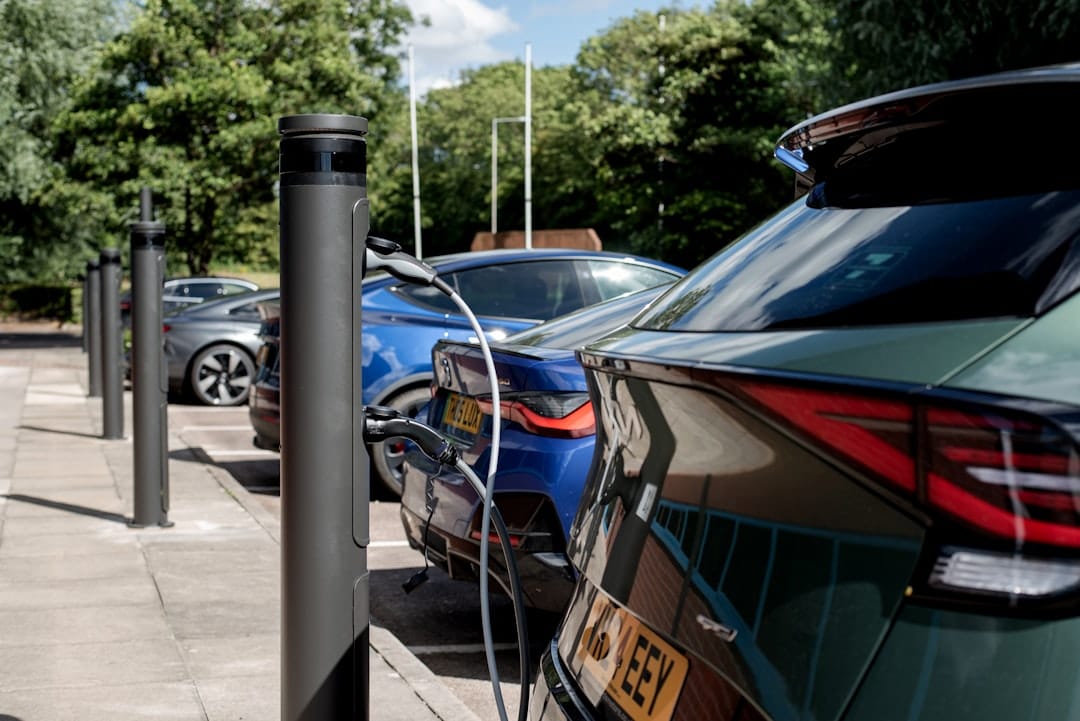
Which is exactly why the insurer’s EV competence matters more than its sticker price. A cheap policy from a brand that treats your EV6 like a Focus is not a saving , it is a deferred problem. The premium you want is the one attached to a claims operation that can actually source a pack, book a qualified shop and get you mobile again.
LV= , the one Which? puts at the top
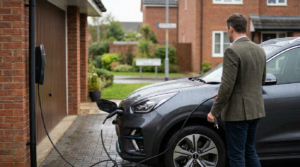
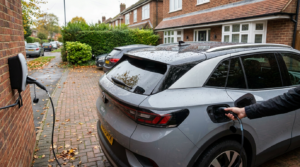
On the Which? assessment, LV= ranks highest for EV-specific cover, and the detail is what earns it. The policy carries 100% cover for EV equipment , cables, the battery and your home wallbox , against theft, fire and accidental damage. That cable point is not trivial: a tethered home charger and the granny lead in the boot are genuine, stealable, damageable kit, and far too many mainstream policies leave them in a grey zone. LV= also offers a hire-car guarantee, though note the condition , it applies when you have bought the EV-specific cover, not as a default freebie on the base policy.
That conditional is the kind of small print I want readers to internalise. “EV cover” on a brochure and “EV cover triggered on your specific policy variant” are not the same sentence. Read the schedule, not the homepage.
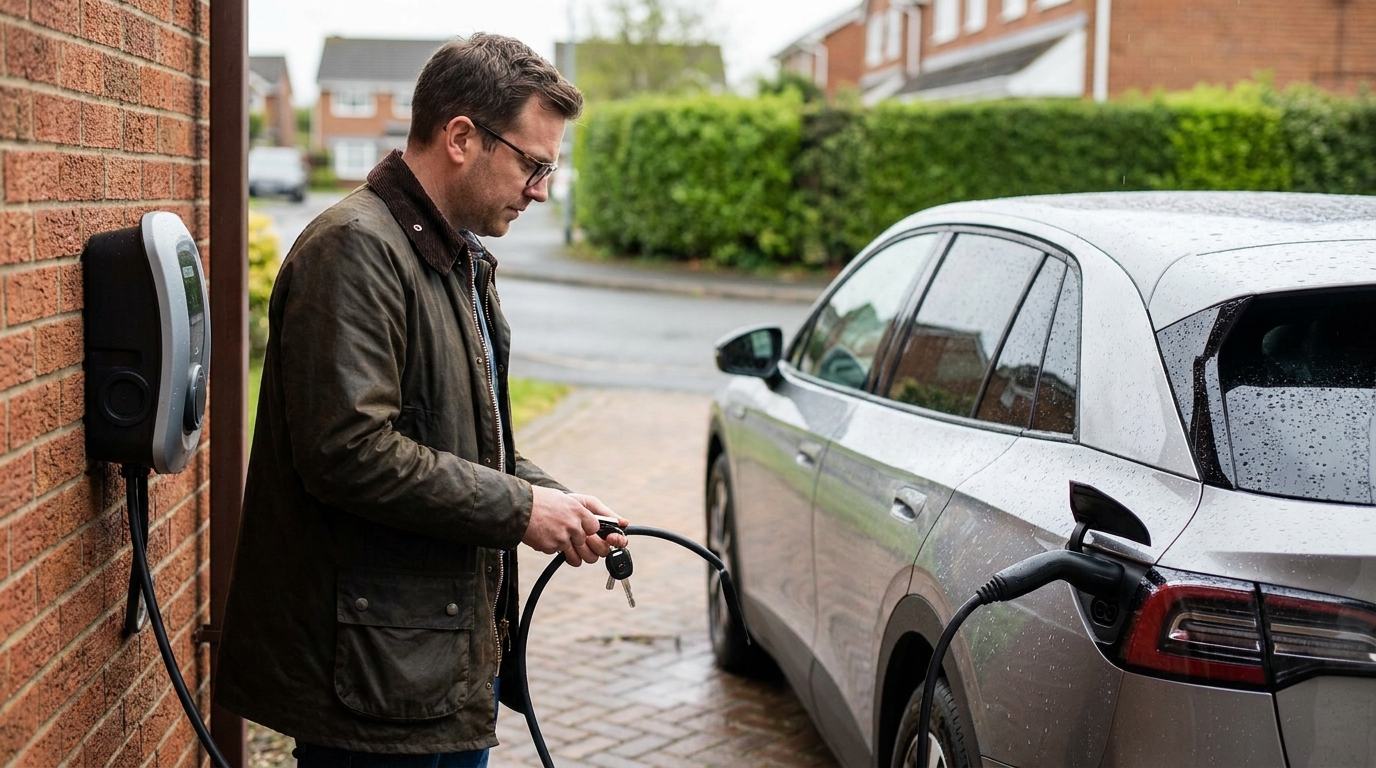
The premium you want is not the lowest number on the comparison table , it is the one attached to an insurer that can actually source a battery pack and book a qualified shop. Everything else is a gamble you only discover you lost at claim time.
Aviva , the most developed mainstream option
If LV= is the specialist’s pick, Aviva is the heavyweight that has done the homework. Kael Tripton’s 2026 review calls Aviva the “most developed EV-specific cover” among mainstream insurers, with explicit battery and charging-cable protection and a 5-star Defaqto rating. For a lot of drivers that combination , a household name, a top independent feature score, and named EV protections rather than vague reassurances , is the sweet spot. You are not relying on a niche brand’s claims reputation, and you are not accepting a generic policy quietly stripped of the things that make an EV an EV.
The Defaqto star matters here because it is independent and feature-based: it scores what the policy contains, not what it costs. For EV buyers who want one fewer thing to second-guess, that is a useful shortcut.
Tesla Insurance , when the maker is the insurer
Tesla’s own offering is the genuinely different animal. Kael Tripton describes it as “native” battery coverage , warranty and insurance streamlined under a single provider. The appeal is obvious: no argument over whether a fault is a warranty matter or an insurance one when the same company holds both. For a Tesla owner that removes a familiar friction point, and it is worth a quote on principle. The trade-off is the obvious one , you are locked to one ecosystem and one claims experience, so weigh the convenience against the absence of a second opinion.
The clauses that decide a claim , battery, charging and recovery
This is where most drivers get caught, so be specific. On battery cover: a comprehensive policy will typically cover the pack against damage, but it will not cover degradation , capacity fade over time is a warranty question, not an insurance one, as Brumble spells out. And if your battery is leased rather than owned, expect additional checks; the ownership structure changes who is liable for what, and an insurer needs to know.

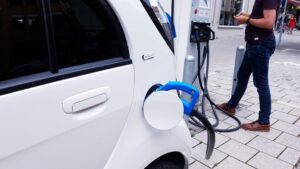
On charging equipment: cables and wallboxes are often covered, but “often” is doing real work in that sentence , it varies by policy. LV= and Aviva include them; plenty of others are vaguer, so confirm it in writing. And on the very EV-specific nightmare of a flat battery at the roadside: some insurers, Which? notes esure among them, offer recovery that tows you to a charging point , but as an optional extra, not a given. If you do longer runs or rely on public charging, that bolt-on is the one I would not skip.
How your charging habits move the price
One underrated lever: where you charge changes what you pay. My Money Comparison notes that charging habits , predominantly home versus public , can affect your premium. A driver topping up overnight on a secured driveway presents a different risk profile to one relying on street and forecourt chargers, and some insurers price that in. It is worth answering those questions accurately rather than guessing: an honest home-charging answer can work in your favour, and a careless one can void you later.
What I’d sign, and what I’d walk past
If I were renewing an EV tomorrow, I would get quotes from LV= and Aviva first and treat them as the benchmark , LV= for that 100% equipment cover and the cable/wallbox clarity, Aviva for the 5-star Defaqto reassurance with a mainstream claims operation behind it. A Tesla owner should add Tesla Insurance to that shortlist purely for the single-provider battery logic, then decide whether the convenience outweighs the lock-in. What I would walk past, every time, is the cheapest line on the comparison table from a brand with nothing EV-specific in the schedule , because the 25% premium gap is real, and a policy that pretends it isn’t is a policy that will disappoint you at the worst moment.
The thing that would change my mind on any of them is the wording, not the brand. Before I signed I would confirm three lines in the actual schedule: battery damage cover (and the degradation exclusion), charging-equipment cover including the home wallbox, and whether flat-battery recovery to a charge point is included or an extra. If those three are clear, the premium is fair. If a single one is fuzzy, I would keep the card in my pocket. As ever with insurance, the FCA framework means the protection is only ever as good as the words you agreed to , so read them, then choose.
Figures and policy features cited from Which? (January 2026), Kael Tripton, Brumble and My Money Comparison. Policy terms vary , always confirm cover against the insurer’s own schedule before buying.
Buyer action
Where to check next
Use this as the final check before paying a deposit, signing finance paperwork or relying on a headline monthly figure.