News · 23 Jun 2026 · Michael Harrison
The Honda Civic recall confirmed for the UK this year covers 46,152 cars, and the reason is blunt enough to make any owner check their driveway: on certain examples the wheel nuts were tightened too lightly and could work loose while the car is moving. The action was first reported by Autocar and What Car on 24 February 2026 and applies to the tenth-generation Civic 5 Door built between 2017 and 2021. If you run one of these cars, or you are about to buy a used one, this is worth ten minutes of your attention before anything else.
Which Civics are actually affected
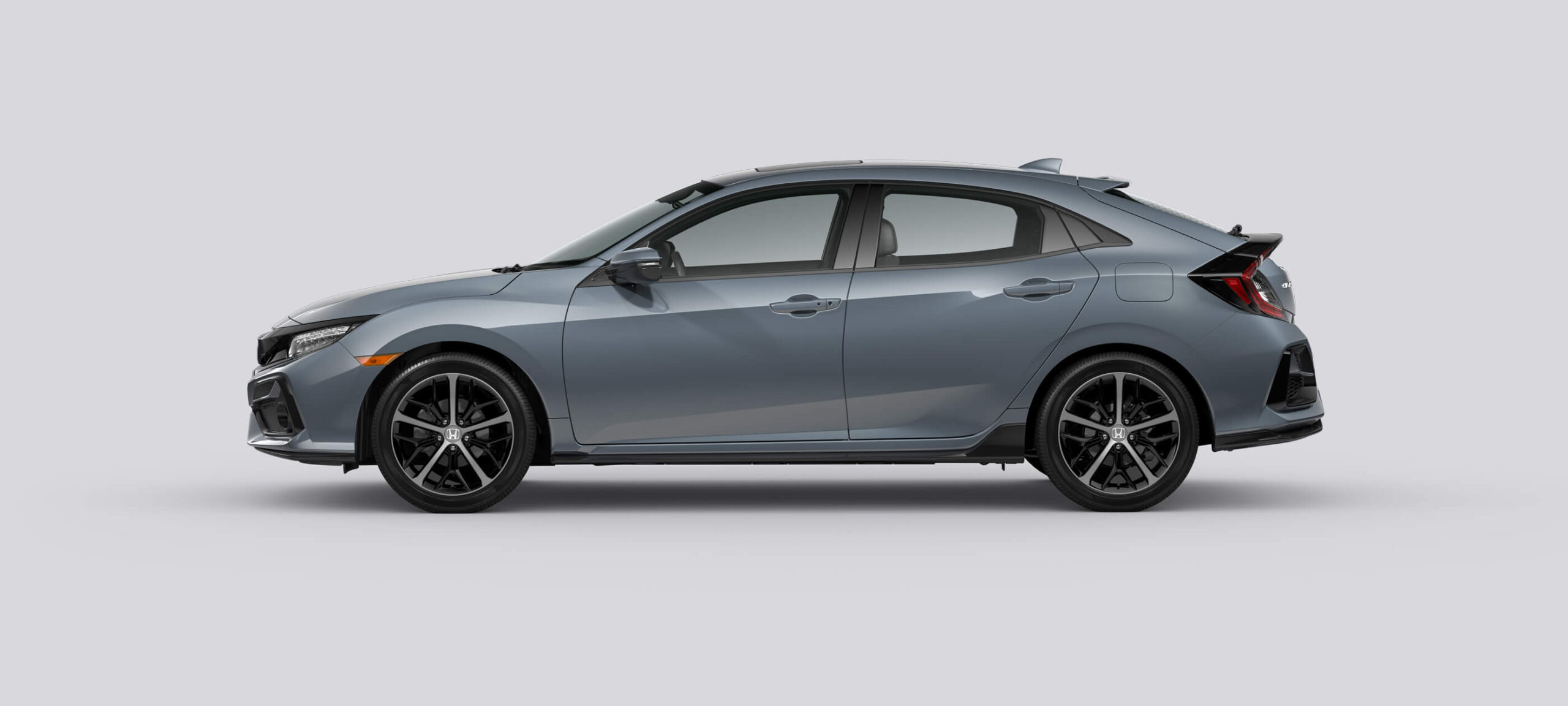
The recall is limited to the 5 Door hatchback sold from 2017 to 2021, the shape most UK buyers know simply as the everyday Civic rather than the wild Type R. Crucially, it does not sweep up every car of that age. The fault sits with a specific set of optional accessory alloy wheels, the kind added at point of sale or later from the accessory catalogue, rather than the standard fitment most cars left the showroom on. That is why Honda is not simply mailing every owner a workshop booking. It needs to establish which wheels are actually fitted to your individual car, and that detail is doing a lot of the work here.
The fault, in plain terms
On the wheels in question, which do not use a pressed-in alloy-steel hub, the tightening torque applied to the wheel nuts was set too low. Over time and mileage, nuts that are not tight enough can loosen, and a wheel that loosens far enough can part company with the car. That is the genuine worst case, and it is the reason this is a formal safety recall rather than a quiet service bulletin. It is the same root cause Honda has identified on cars in Germany, France, Portugal, Sweden and Slovakia, so the UK action is one national slice of a wider European fix, not an isolated British quirk.
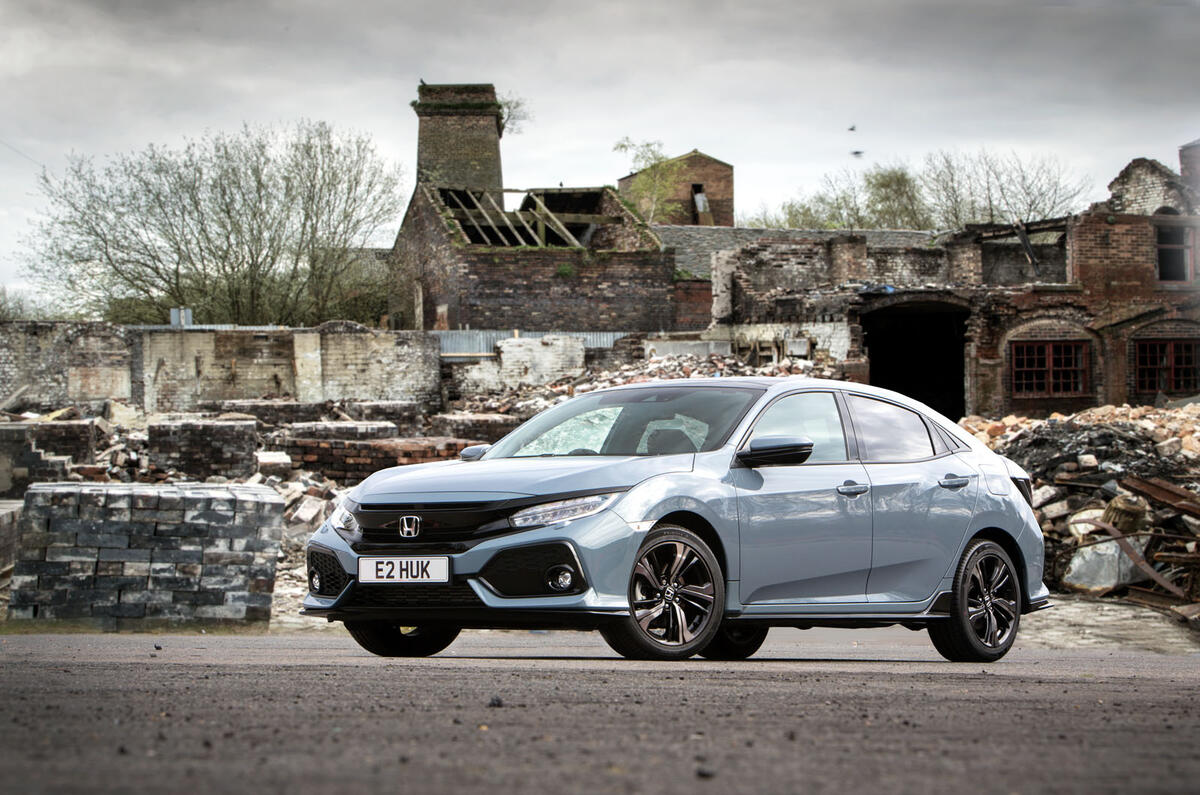
A loose wheel nut is the sort of fault that costs nothing to ignore right up until the moment it costs everything. The fix is free; the inertia is what catches owners out.
Honda says keep driving, with one condition
Honda’s position is that affected cars are safe to keep driving in their current condition while the checks are arranged, which is the standard wording for a fault that develops over time rather than one that fails instantly. The condition attached to that reassurance is simple: you need to engage with the recall rather than file the letter in a drawer. Owners are being contacted in the early part of 2026, and the letter carries a QR code that lets you submit photographs of your wheels so Honda can confirm whether your exact set is in scope. It is an unusually hands-on first step, and it exists precisely because the fault tracks the wheels fitted, not the registration plate. Anyone who has read our coverage of the BMW fire-risk recall this year or the Vauxhall and Opel action will recognise the pattern: the headline number is large, but the slice that applies to your specific car can be much smaller.
How to check your car for the Honda Civic recall
You do not have to wait for the letter. There are four checks worth running now, and they take minutes:
- Run your registration through the government’s free recall checker at gov.uk/check-vehicle-recall. It draws on the official safety database and tells you whether an outstanding recall is logged against your plate.
- Check the Honda UK recalls page directly, and have your vehicle identification number (VIN) from the V5C logbook ready when you call a dealer.
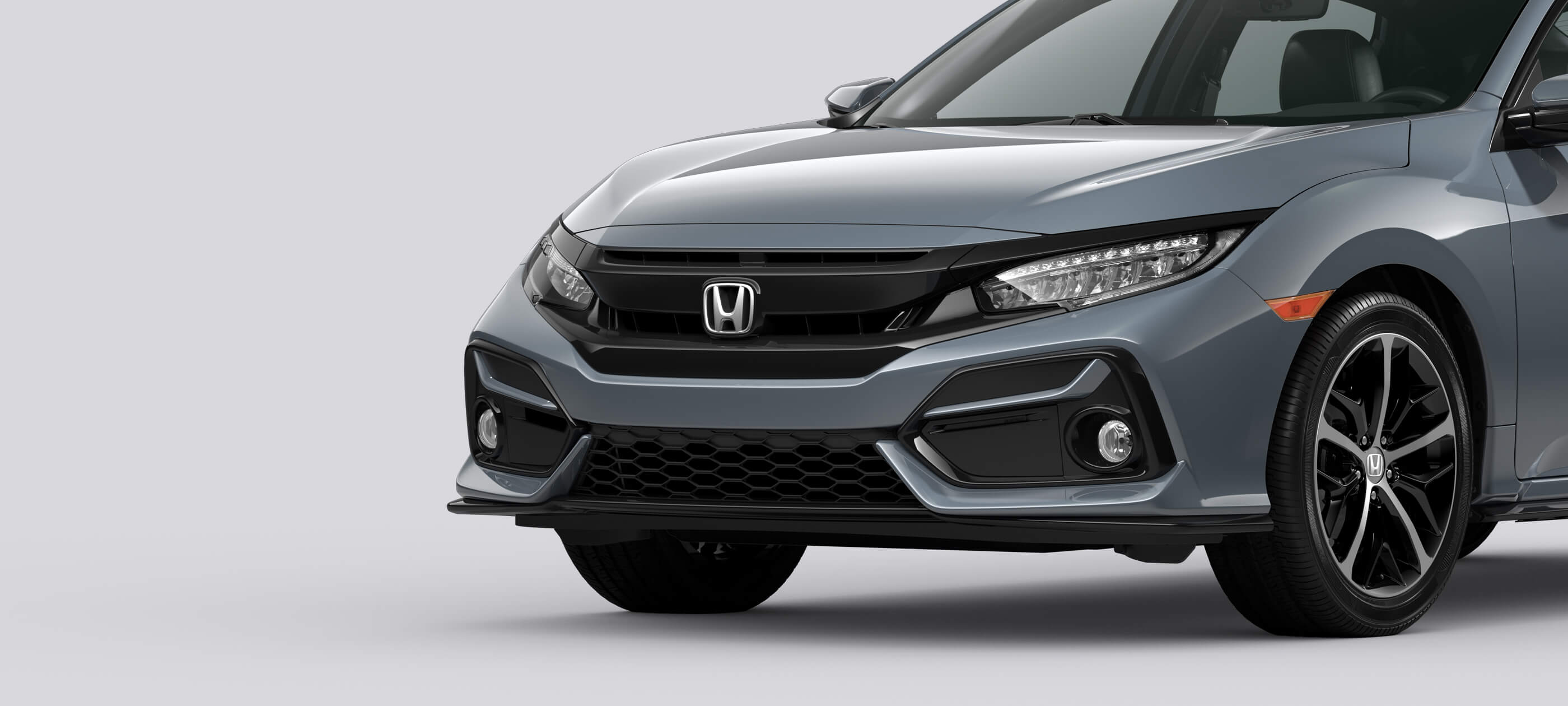
- Look at your wheels. The recall concerns accessory alloys without a pressed-in hub, so if your car wears non-standard wheels added by a dealer or previous owner, treat that as a flag to chase.
- If you are buying a used Civic of this age, ask the seller whether the recall letter has arrived and whether the wheel check has been completed. It belongs on the same list as a service history and an honest mileage check.
None of this changes what the tenth-generation Civic is as a used buy. It remains one of the more sensible used hatchbacks on the market, with a reputation for lasting well and holding value better than most of its rivals, which is part of why prices in this corner have stayed firm as the wider used-car market has stopped falling. A handled recall is not a black mark on a car; an unhandled one is. The distinction matters when you are negotiating.
Don’t confuse the Honda Civic recall with the American action
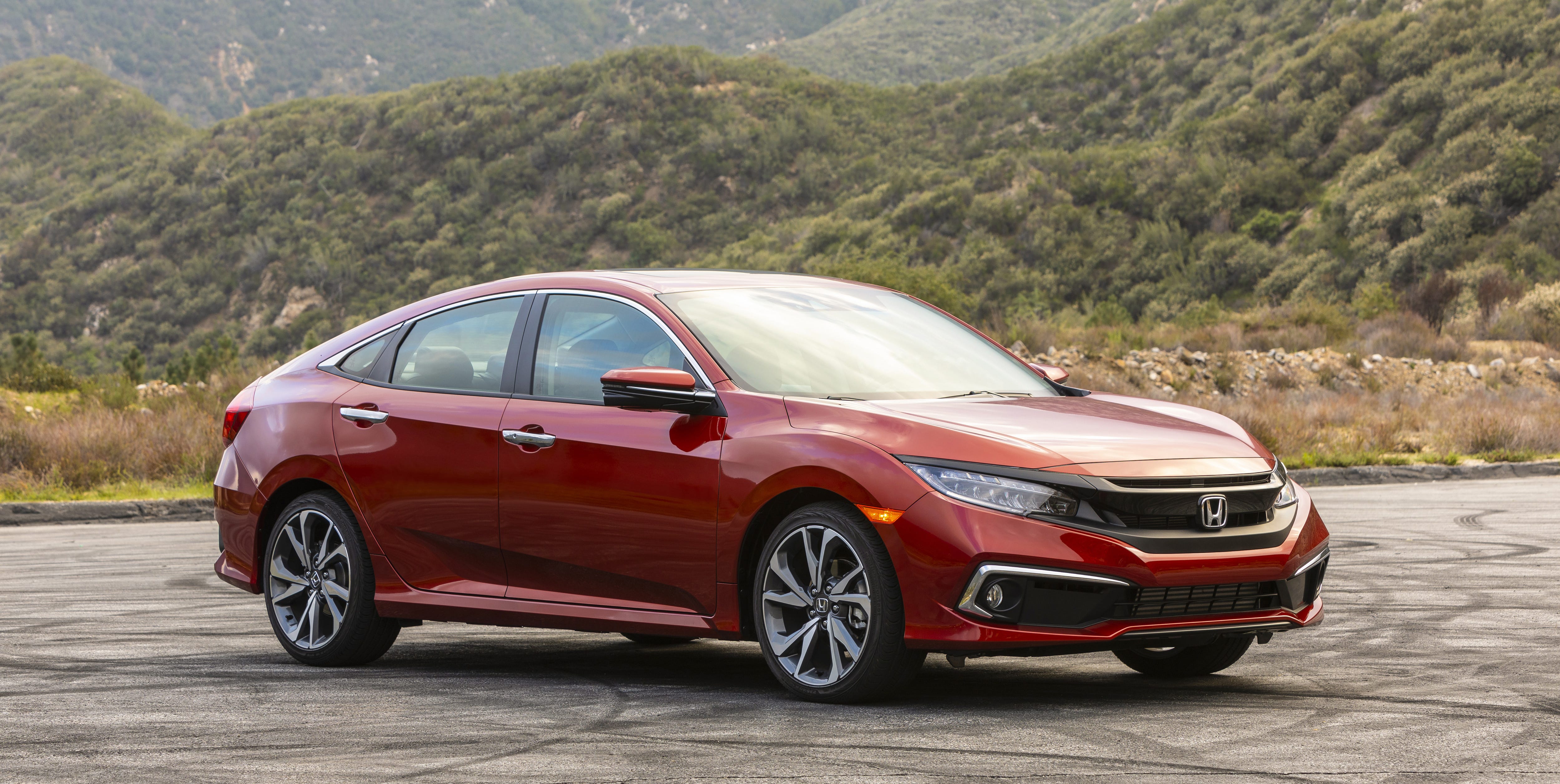
Search the Honda Civic recall online and you will quickly hit a much larger American figure of roughly 406,000 cars. That is a separate United States action covering 2016 to 2021 cars, traced to the same supplier and the same kind of wheel-nut problem, but it is logged with the American regulator and does not set the UK number. For British owners the figure that counts is 46,152, and the route to resolving it runs through Honda UK and the government recall checker, not the American database. It is the kind of cross-market overlap that produces alarming headlines, and it is worth keeping the two jurisdictions cleanly apart, exactly as with the separate Audi VIN-based recall and the JLR mild-hybrid action earlier in the year.
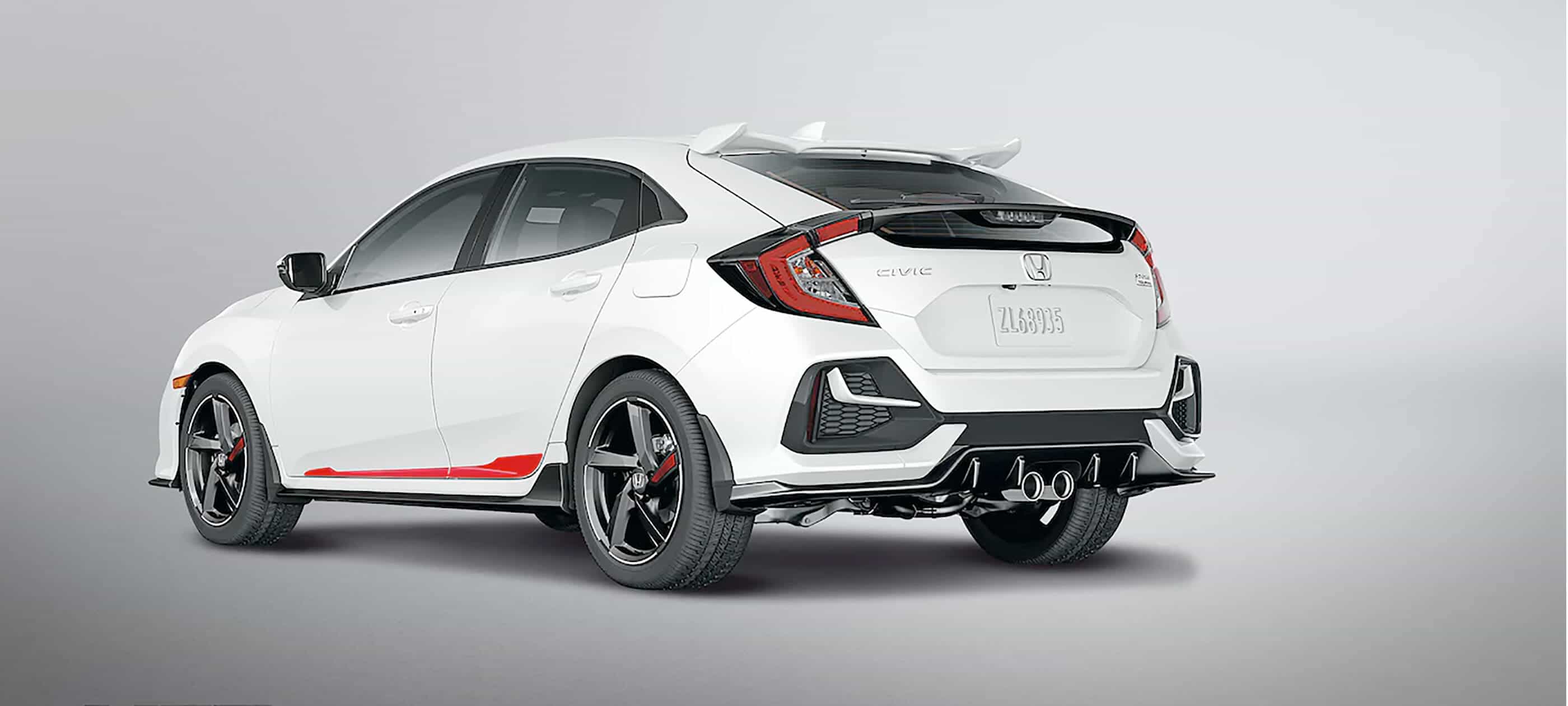
So the practical takeaway is short. If you own a 2017 to 2021 Civic 5 Door, run the free recall check today, watch for the letter with the QR code, and submit the wheel photographs the moment it lands. The repair costs you nothing, the car is fine to use in the meantime, and the only real risk here is the one that comes from doing nothing at all.
Buyer action
Where to check next
Use this as the final check before paying a deposit, signing finance paperwork or relying on a headline monthly figure.