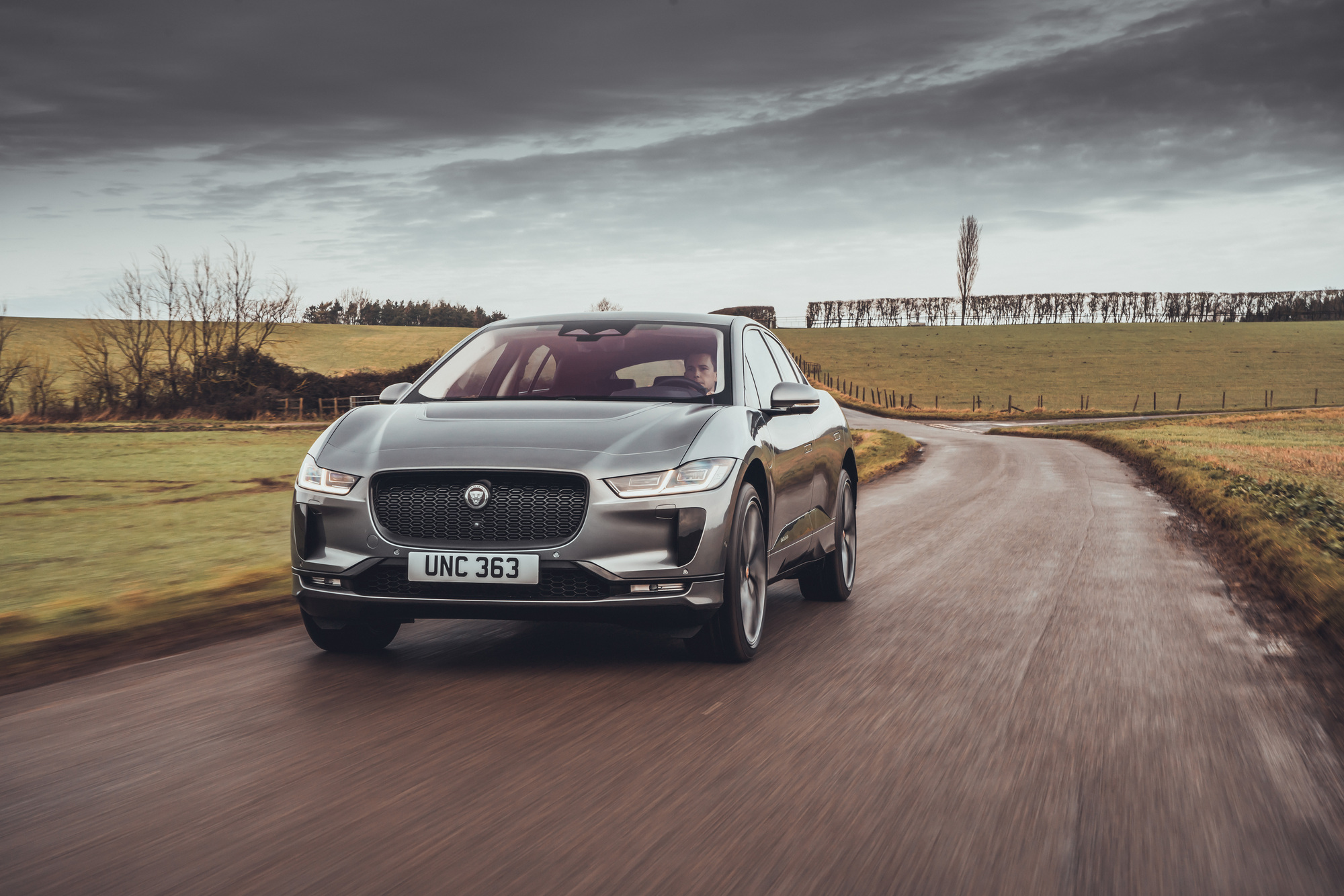
A used Jaguar I-Pace is now one of the steepest bargains in British motoring, and that is exactly why I want you to slow down before buying one. Cars that cost close to £70,000 new are changing hands for around £19,000 (CarGurus UK listings, accessed June 2026), which looks like a gift until you read the small print. In February 2026 Jaguar filed another battery fire recall, owners were told to charge to no more than 90 per cent and park outside, and for the earliest cars there is still no permanent fix. That does not make the I-Pace a no-go. It makes it a car you buy with your eyes open, and with a very specific checklist.
What you need to know
- Average used asking price around £19,000, with the spread roughly £10,500 to £39,800 (CarGurus UK, accessed June 2026).
- One of the UK’s fastest-depreciating family cars: close to £70,000 new down to the low £20,000s in three years (Carmoola depreciation index, 2026).
- Live battery fire recall filed 5 February 2026: charge to 90 per cent, park outside, and no permanent remedy yet for the earliest cars.
- Production ended December 2024, so this is now an orphaned model you buy on its merits, not its future.
Why the price has fallen this far
The I-Pace was Jaguar’s first proper electric car, launched in 2018, and for a while it was genuinely desirable: a 90kWh battery, around 290 miles of claimed range, and a low, wide stance that still looks sharp today. Then three things happened. Newer EVs charged faster and went further, the wider market wobbled on used electric values, and Jaguar confirmed the I-Pace was being discontinued as the brand reinvents itself. The result is a depreciation curve that the Carmoola index puts among the harshest of any family car in Britain, with early cars losing roughly two thirds of their value inside three years.
For a buyer with cash and clear eyes, that collapse is the opportunity. A three-year-old premium electric SUV with a Jaguar badge for under £20,000 is a lot of car for the money, and the summer market has tilted further towards used EV buyers in general, as I set out in our look at why falling used prices favour the used buyer right now. The catch is that depreciation that steep is the market pricing in real risk, not just fashion. You are being paid to take on that risk, so you had better understand it.
The recall you cannot ignore
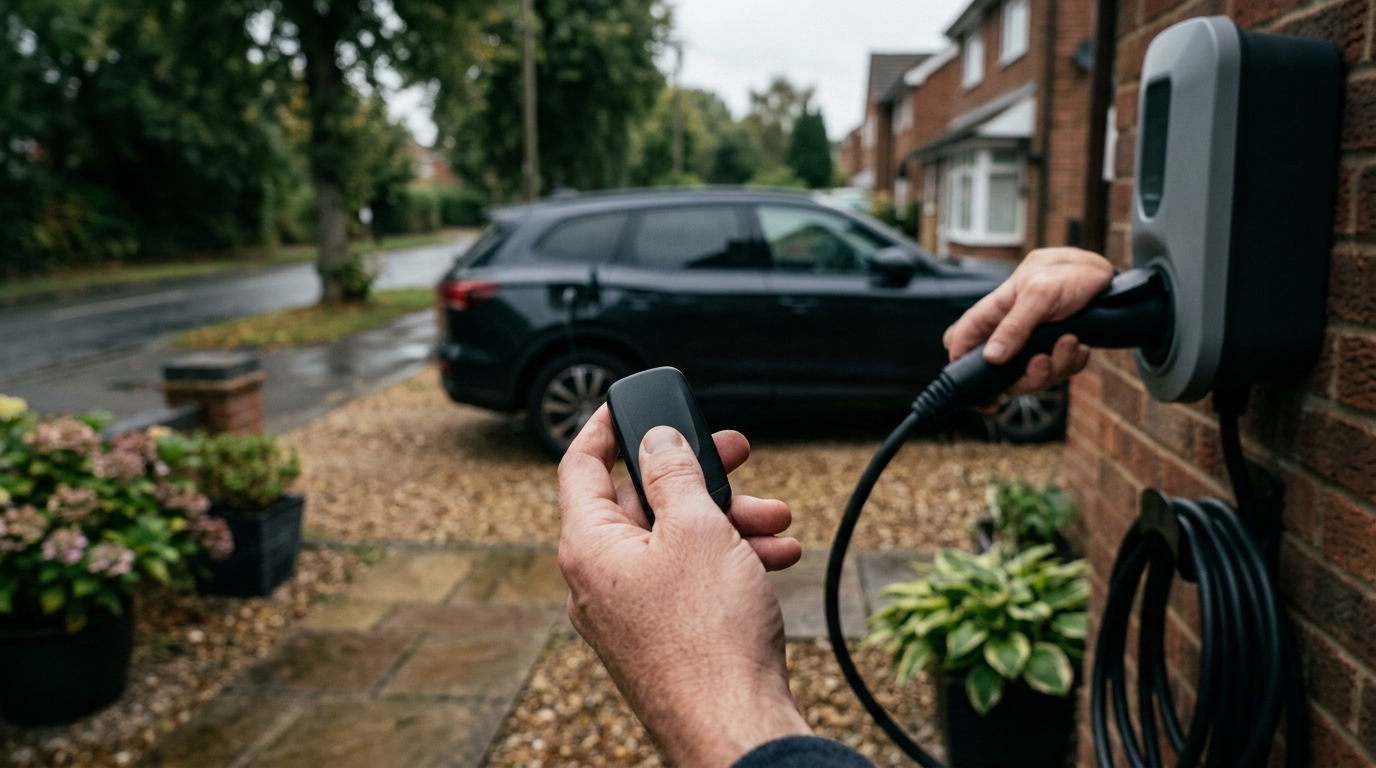
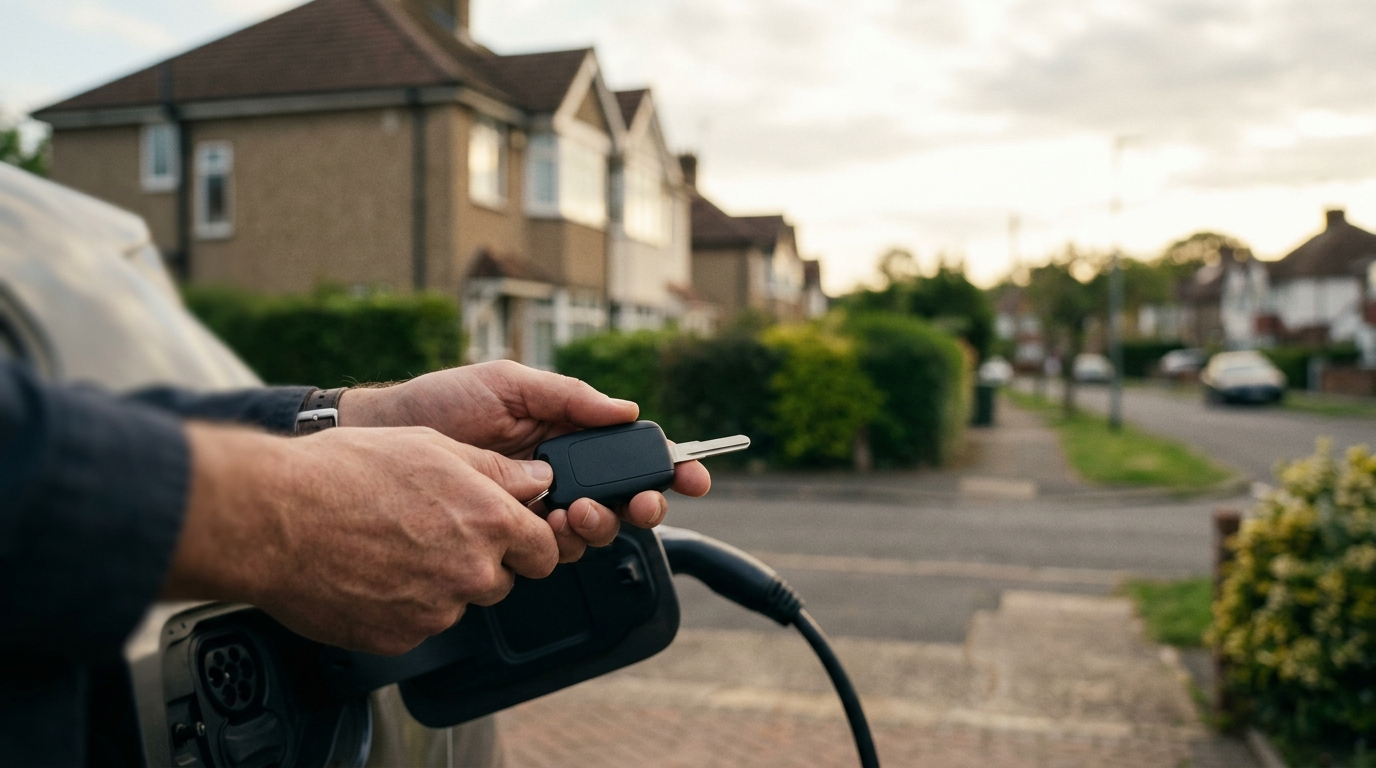
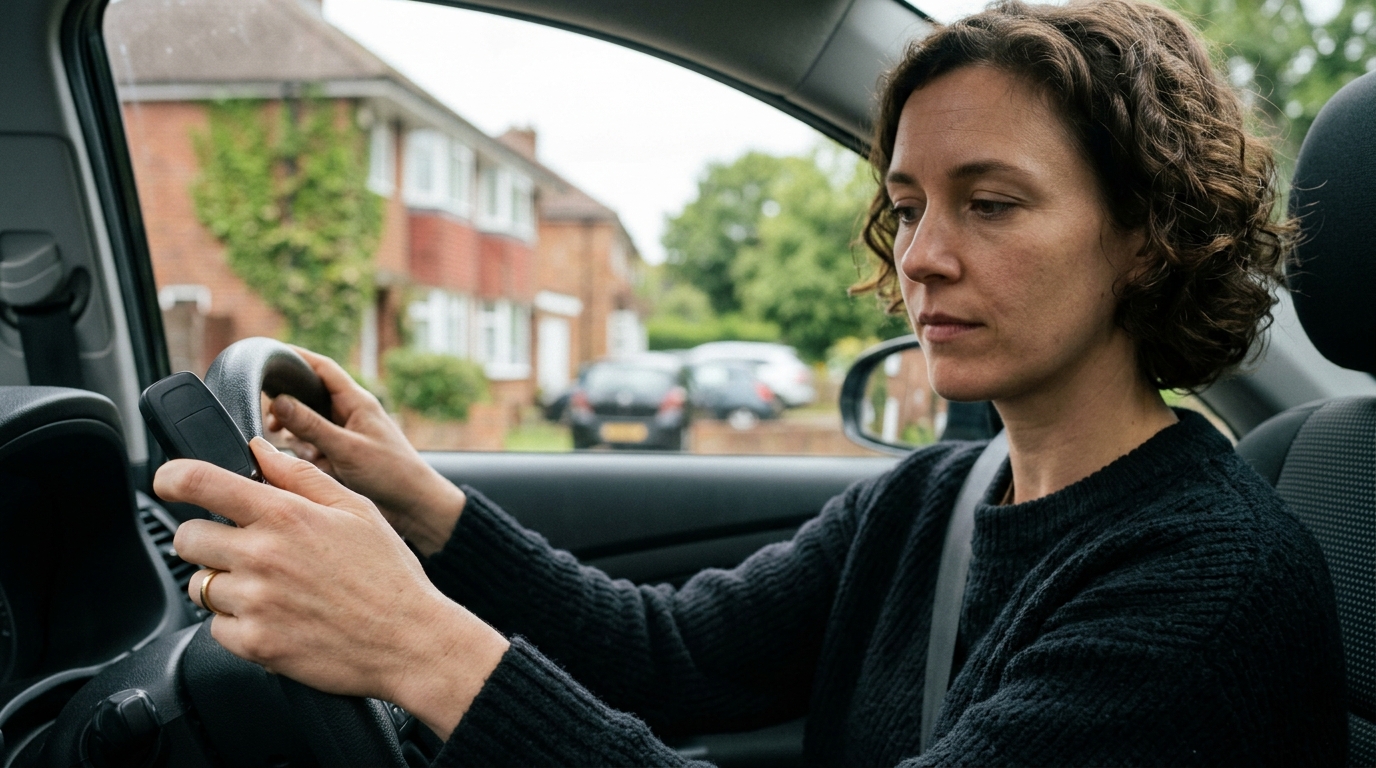
Here is the part most cheap-I-Pace articles skate over. The high-voltage battery packs, supplied by LG Energy Solution, have been the subject of repeated thermal-overload recalls, and the latest was filed with regulators on 5 February 2026. The interim measure is a software update that caps charging at 90 per cent, plus advice to park the car outside and away from buildings until it is sorted. For cars built up to the end of the 2021 model year there is, at the time of writing, no confirmed permanent hardware fix, and a group of owners has been pushing publicly for either a proper remedy or a buy-back.
The discount is the market paying you to take on a battery you cannot yet have permanently fixed. Treat the recall status as the single most important number on the advert, not the mileage.
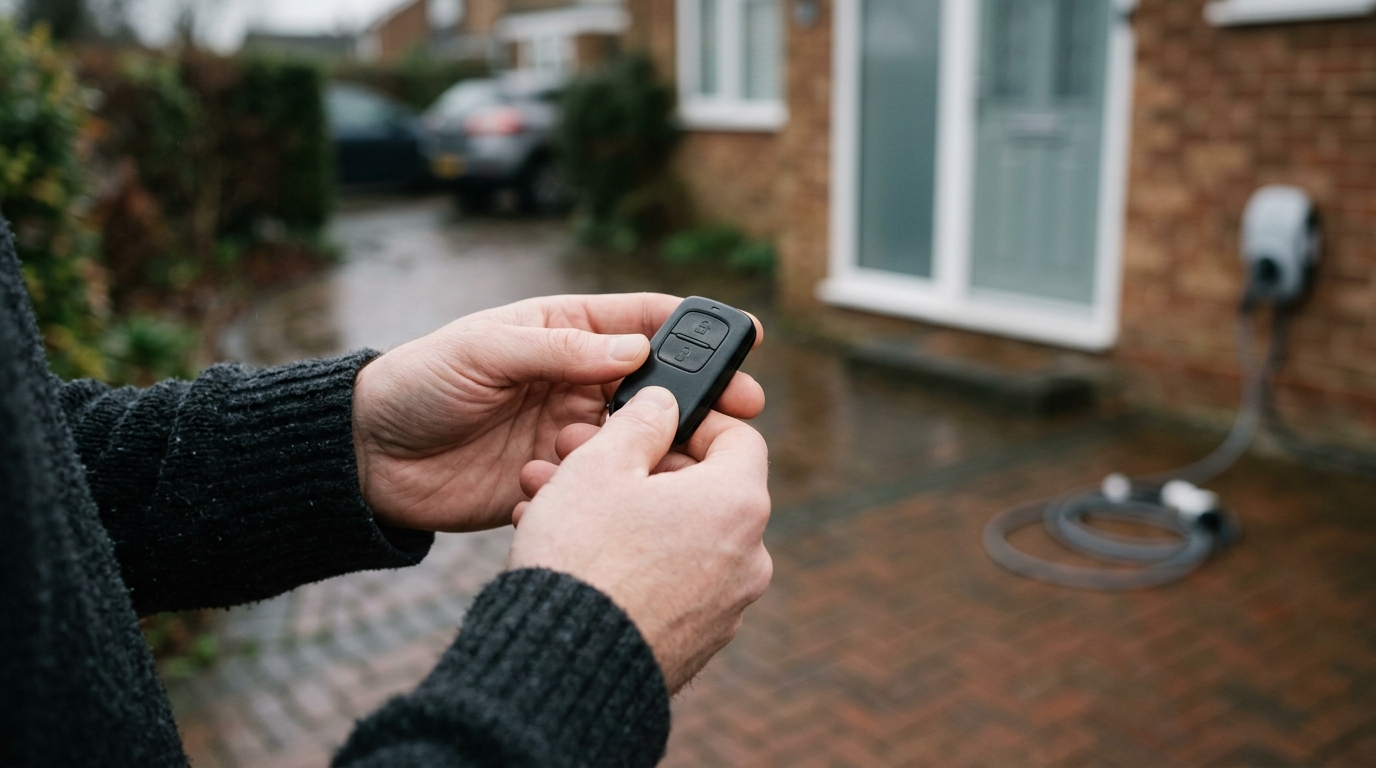
What does that mean in practice? It does not mean every I-Pace is a fire waiting to happen; the vast majority will never have an issue, and the 90 per cent cap is a sensible precaution rather than a crisis. It does mean you must check, in writing, exactly where the specific car you are looking at sits: has the interim software been applied, is it in the recall population at all, and has any permanent remedy been carried out. I would not hand over a deposit until I had that confirmed against the registration.
Which year and trim I would actually buy
If I were spending my own money, I would skip the earliest cars and start from the 2021 model year onwards. That is the point at which Jaguar fitted the much better Pivi Pro infotainment system, which transformed the I-Pace’s biggest day-to-day weakness: the old software was sluggish and the navigation poor. Later cars also benefited from charging and efficiency tweaks. The mechanical recipe barely changed, so you are not missing performance by going slightly older, but the cabin experience and the recall picture both improve as you move up the model years.
Trim matters less than condition and history here. The I-Pace was generously equipped across the range, so I would chase a full main-dealer service record and a clean battery story rather than the highest spec. If you are cross-shopping, it is worth seeing how the I-Pace stacks up against a used BMW iX or a used Porsche Taycan, both of which give you a clearer long-term ownership story even if they cost more. The Jaguar wins purely on price; it loses on certainty.

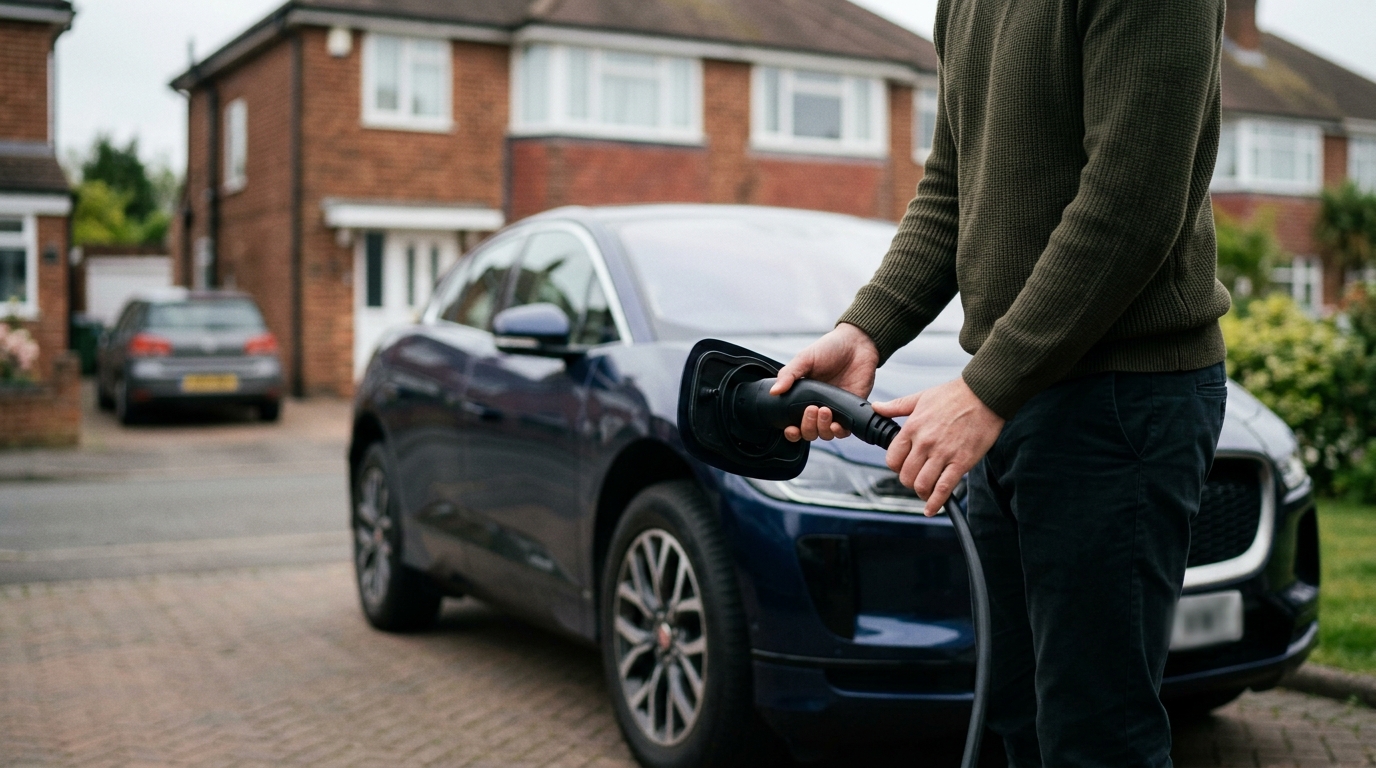

What owners actually report
The owner community is where the real picture emerges. Across the PistonHeads I-Pace ownership threads through 2025 and into 2026, two themes come up again and again beyond the battery recall. The first is real-world range: owners consistently report nearer 200 to 230 miles in mixed use rather than the headline figure, which is fine for most lives but worth knowing if you do regular long motorway runs.
The second recurring theme is the 12-volt battery, which several owners and What Car?’s reliability coverage flag as a weak spot that can leave the car unresponsive if it is left standing for a while. Neither issue is a deal-breaker, but both are the kind of thing that turns a bargain into a headache if you buy blind, so I would treat them as questions to put to the seller rather than surprises to discover later.
Running an orphaned EV: range, parts and resale
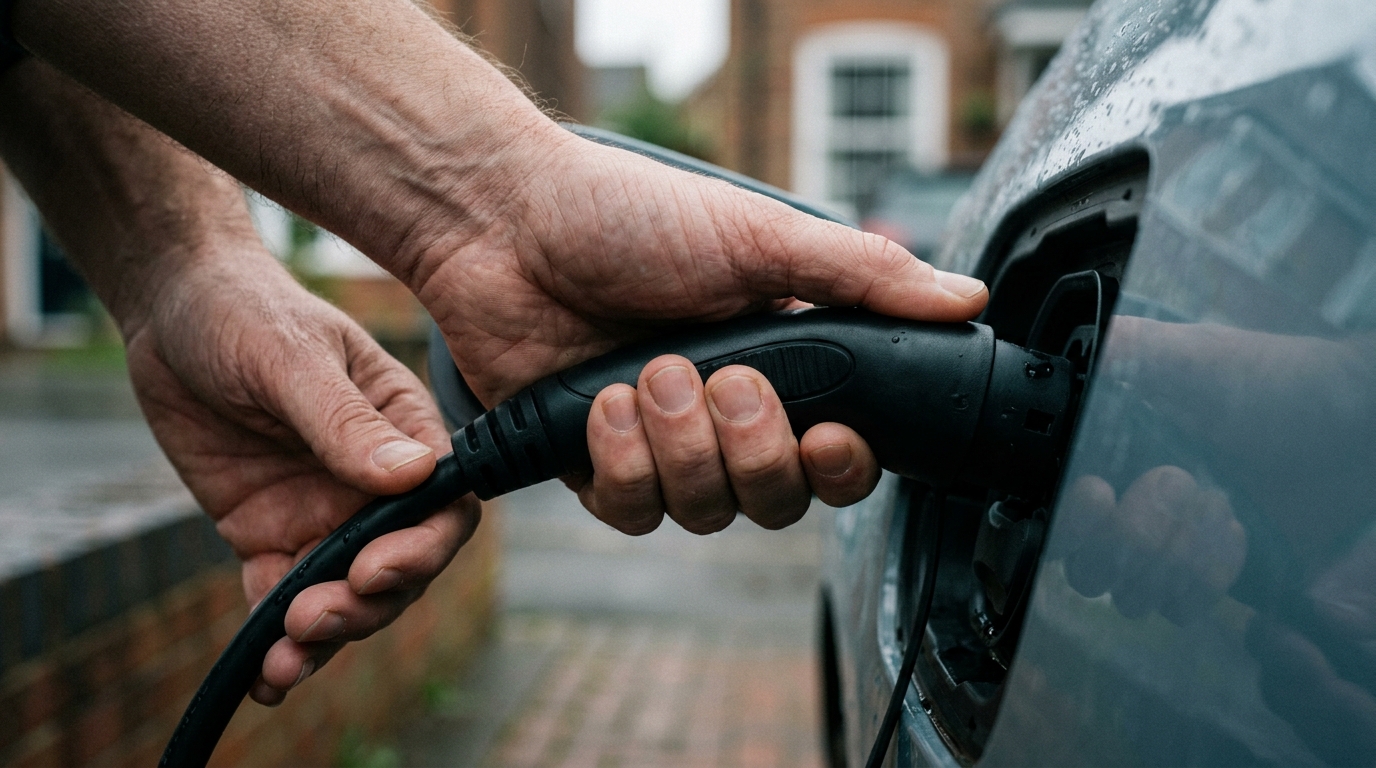
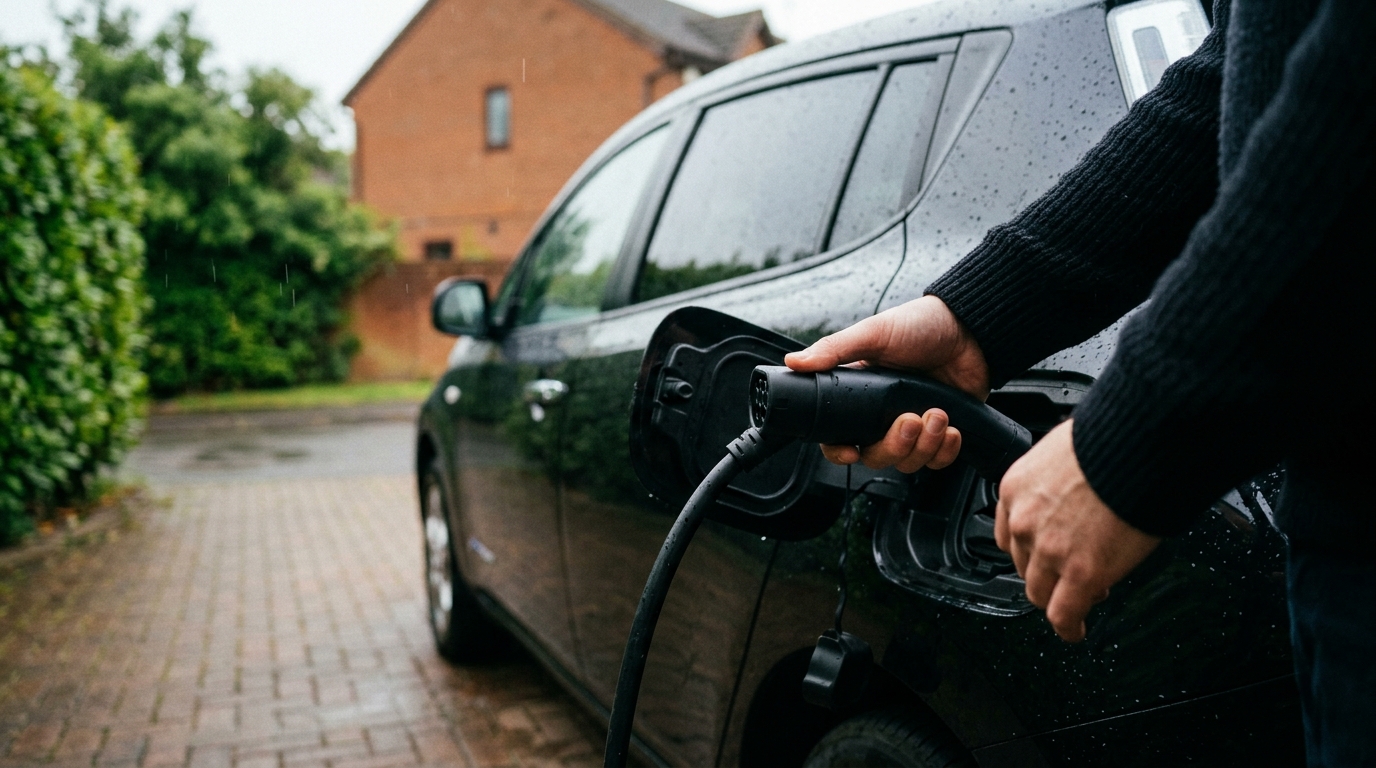
Because the I-Pace is out of production, you are buying into a model with a finite parts and software future. In practice JLR’s dealer network still supports it, and the running costs themselves are low: charge mostly at home and the per-mile cost is tiny, as our breakdown of home versus public charging in 2026 shows. The bigger question is residual value. With prices already this low, the percentage falls from here should be gentler than they were, but I would treat any I-Pace as a car you keep and use rather than one you flip, in the same way I would approach the residual risk on a used Tesla Model S or X.
The checks I would run before paying a deposit
- Run the registration through the official gov.uk vehicle recall checker and ask the seller, in writing, whether the battery recall work has been done on that specific car.
- Check the full MOT history on gov.uk for advisories around brakes, tyres and suspension, which are not cheap on a heavy EV.
- Ask for evidence of a recent battery state-of-health reading; a Jaguar dealer can pull this, and it tells you far more than mileage.
- Confirm the car has the Pivi Pro system if you want usable infotainment, and check the 12-volt battery has been replaced if the car has stood unused.
- Insist on a full main-dealer or specialist service history, and price a battery and EV-specialist inspection into your budget before you commit.
- Get a firm insurance quote first: high-value EV cover can surprise you, and it is better to know before you buy than after.
Where I land on the I-Pace
I like the I-Pace more than its reputation suggests, and at under £20,000 it is one of the most car-for-the-money buys in the EV market right now. But I would only recommend it to a specific person: someone who charges at home, does not rely on long rapid-charging runs, and is happy to keep the car for years rather than chase a resale. If that is you, buy a 2021-or-later car with confirmed recall work, a clean battery health check and full history, and you will have a genuinely lovely, cheap premium EV. If you need certainty, a permanent battery fix or strong resale, walk away and pay more for a used iX or Taycan instead. The bargain is real. So is the reason it exists.
How we researched this guide
Every pick here is shortlisted from hands-on testing and time spent living with the hardware by the CDE desk, then sanity-checked against current UK pricing, manufacturer specs and real-world performance before it makes the cut. We never rank for commission — affiliate links don't change the order.
Buyer action
Where to check next
Use this as the final check before paying a deposit, signing finance paperwork or relying on a headline monthly figure.
Editorial standards
More on Used Buying Guide
Buying Guides
Used Audi Q8 e-tron: which one to buy in 2026

Buying Guides
Vauxhall Mokka Electric used: beat the year-one drop


Buying Guides