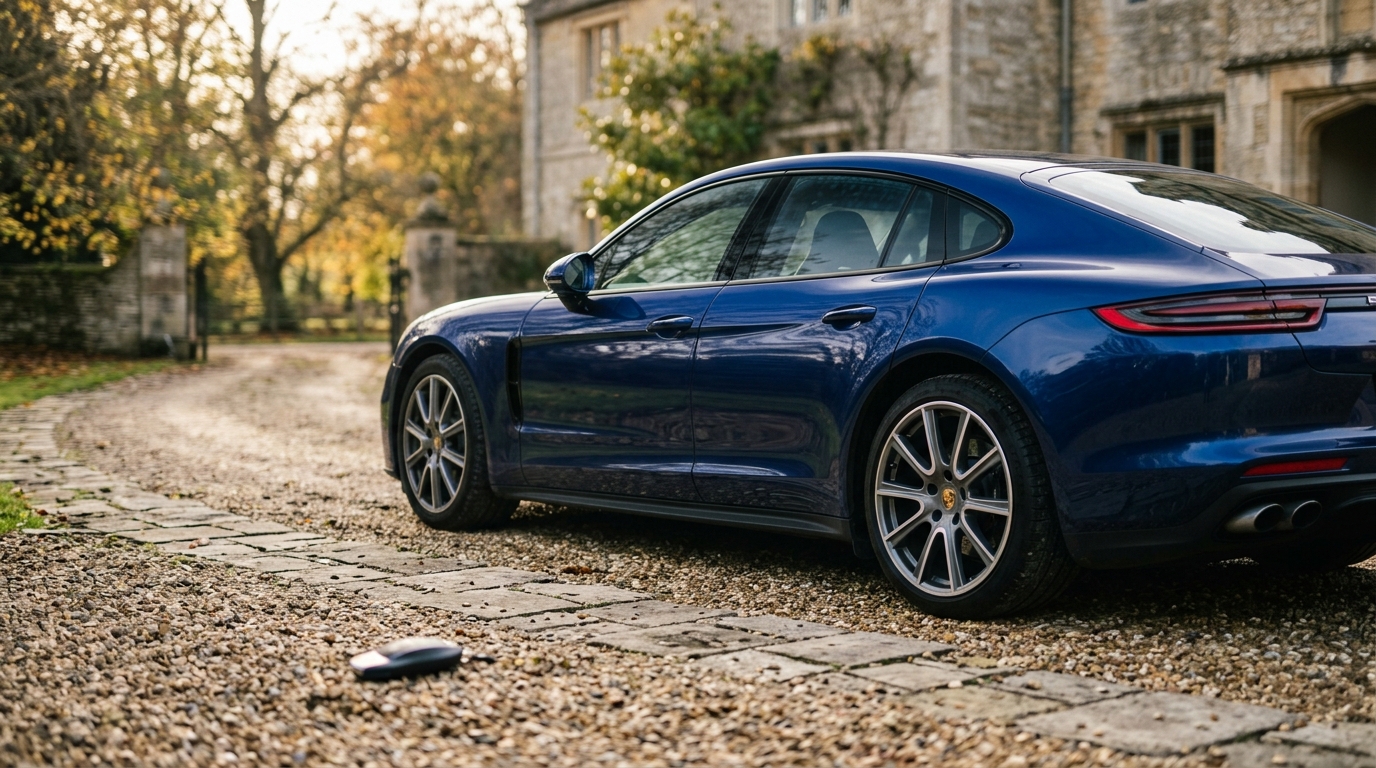
Porsche Panamera depreciation is the question that should shape how you buy one, and the honest answer is more nuanced than either the brochure or the doom-mongers suggest. At Carwow’s 2026 prices the third-generation Panamera starts from around £92,875 OTR and stretches past £175,000 in its hottest forms, and a car at that price does not sip its value: it loses real money in the first three years. But it loses less than the large-luxury class average, and that is the nuance that actually matters when you decide whether to buy outright, finance or lease. Here is my realistic forecast of how a Panamera falls, why you should treat the headline percentages with care, and what that means for how you should pay for one.
What the depreciation data shows, and its limits (Porsche Panamera depreciation)
Here is the data I could actually find on the Panamera and the large-luxury class, with a clear flag on where the only hard figures are US-sourced and therefore directional rather than a UK residual.
- UK pricing: the current Panamera starts from around £92,875 OTR and climbs past £175,000 for the top hybrid and Turbo models, per Carwow pricing in 2026.
- Directional depreciation: US data suggests roughly 17 to 18 per cent lost at three years and around 42 per cent at five, against a large-luxury class nearer 55 per cent at five years, per iSeeCars. Treat these as directional, not UK residuals.
- Live used point: a 2026 Panamera 4 has been listed around £109,995 by a UK Porsche retailer, a single data point rather than an index.
Porsche Panamera depreciation: the honest forecast
Let me set expectations correctly. A new Panamera will lose a meaningful chunk of its value in the first three years, as every six-figure luxury saloon does, and anyone telling you a Porsche badge makes it immune is selling you something. On the directional data available, a Panamera retains its value better than the large-luxury class average, but better than a class that loses more than half its value in five years is still a substantial fall in cash terms. On a £110,000 car, even a relatively strong showing can mean tens of thousands of pounds gone by year three. The Porsche name softens the blow compared with rivals, but it does not reverse it, and a buyer who treats the Panamera as a value-holder in the way a 911 sometimes is will be disappointed. The realistic frame is this: it depreciates like a well-regarded luxury car, which is to say a lot less badly than its peers, but a lot more than a sports-car halo model. My look at the used Porsche Taycan as a depreciation bargain shows how steeply even desirable Porsches can fall.
The numbers, and why they are directional
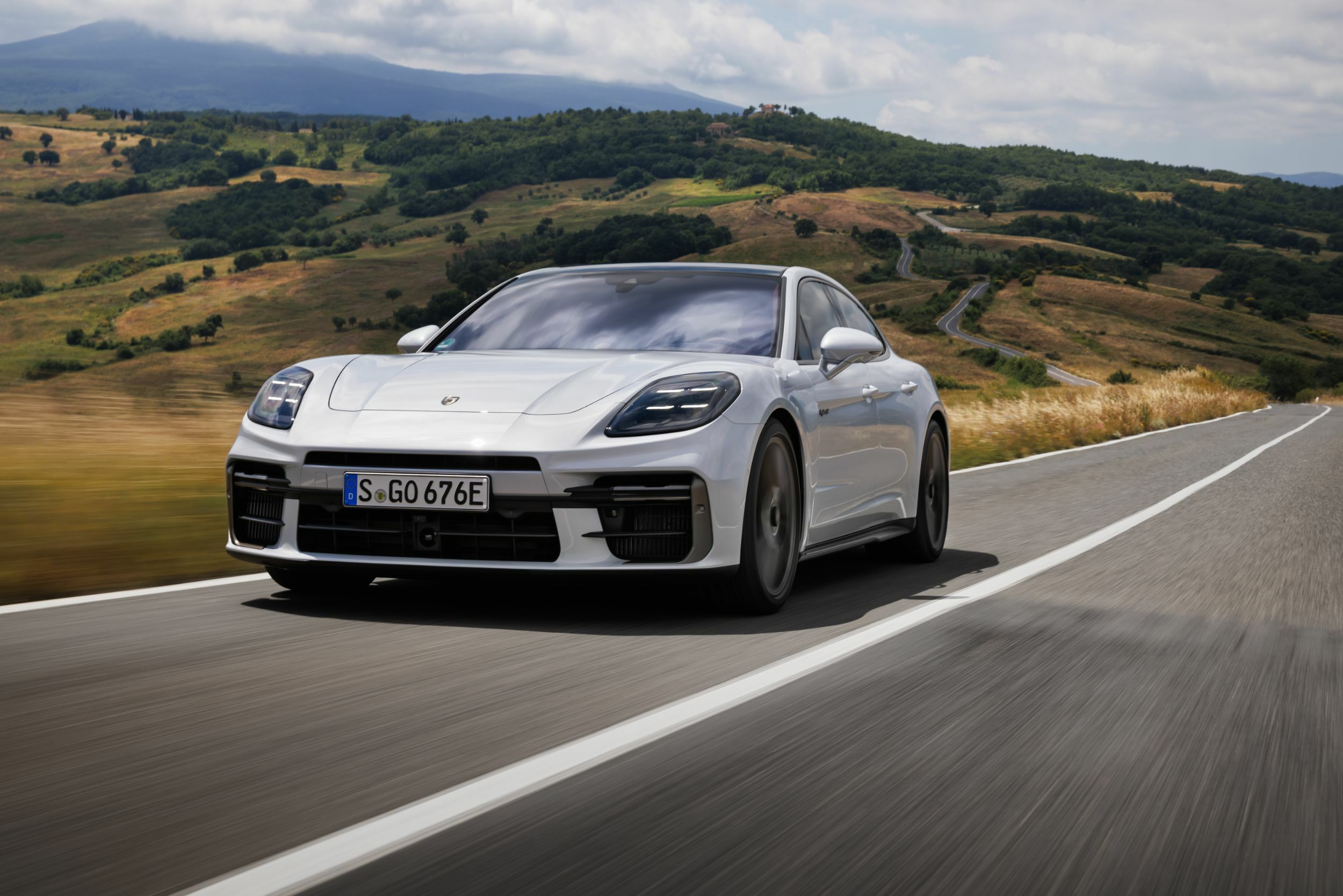
It is worth being upfront about the data quality, because too many depreciation articles dress up American figures as UK fact. The only hard percentages readily available for the Panamera are US-sourced, indicating something like 17 to 18 per cent lost over three years and around 42 per cent over five, versus a large-luxury class average closer to 55 per cent at five years. Those numbers are useful for the shape of the curve and the relative standing, the Panamera holding up better than its class, but they are not a dated UK residual and should not be quoted as one. The UK market differs on tax, mileage patterns, demand and the expensive-car VED supplement that now applies to cars over £40,000, all of which move residuals. So use the US data to understand the trajectory, not to predict your exact part-exchange figure, and pull current UK valuations from cap hpi, What Car or Auto Express for the specific specification before you commit real money. The trajectory is what matters: meaningful loss, front-loaded into the early years, but gentler than the competition.
Better than its class, not immune
The most useful single takeaway is comparative. If you are shopping at this level, you are likely also looking at a Mercedes-AMG GT four-door, a BMW M5 or an Audi RS7, and on the available evidence the Panamera holds its value at least as well as, and often better than, those rivals. That relative strength is the real financial case for the car: not that it will not depreciate, but that of the cars you might choose, it is among the kinder on your wallet over three years. The badge, the engineering reputation and steady demand for a well-sorted used Panamera all help. But two things can erode that: a poorly specified car in unloved colours will fall harder, and the very top Turbo and hybrid models, bought at £150,000-plus, have further to fall in absolute terms even if the percentage is similar. Specify sensibly, in desirable colours and with the options the used market wants, and you protect the comparative advantage. For a sense of how a high-performance flagship’s costs stack up, my BMW X6 M60i depreciation breakdown is a useful cross-check.
E-Hybrid versus V8: they fall differently
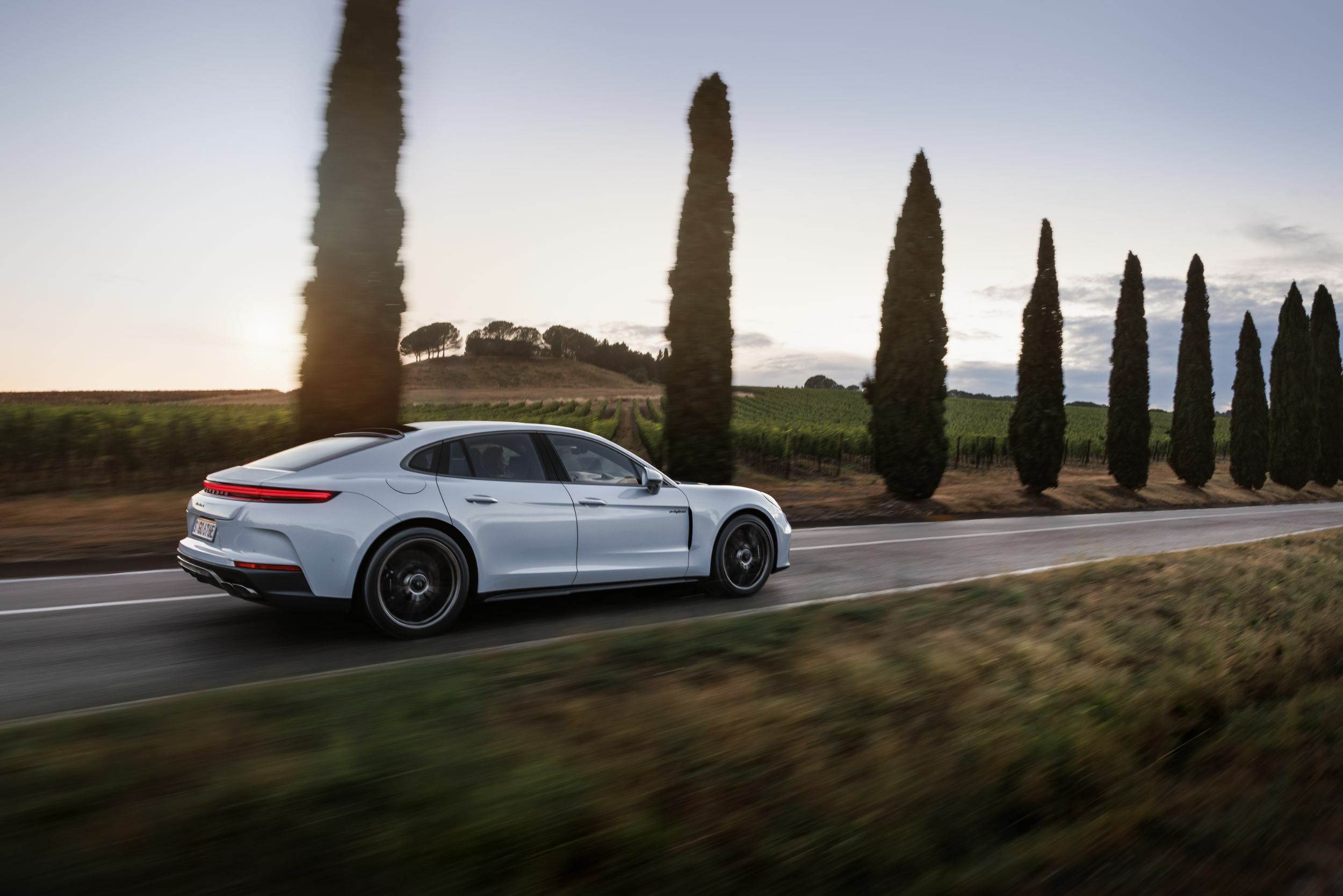
Do not assume one Panamera depreciation curve fits all. The plug-in E-Hybrid models and the V8 Turbo cars behave differently in the used market, and the gap can be significant. Plug-in hybrids carry a company-car tax advantage that supports demand among business buyers, but they also bring battery-life questions and a more complex driveline that some used buyers shy away from, while the V8 cars trade on character and performance that a certain buyer will always want but that the wider market increasingly taxes and penalises on running costs. Which holds up better depends on where the market sits when you sell, and on fuel and tax policy that is moving against big petrol engines. The practical point is that the variant you choose is part of the depreciation decision, not just a performance one, and the company-car angle in particular is worth modelling, as my look at the narrowing Porsche plug-in hybrid tax benefit explains.
Buy or lease: what the depreciation says
This is where the forecast earns its keep. Because the Panamera loses most of its value early but holds up better than its class, the buy-versus-lease decision turns on how long you keep it. If you change cars every two or three years, you are absorbing the steepest part of the depreciation curve, and a lease or a PCP with a strong guaranteed future value can be the cheaper, lower-risk route, letting Porsche carry the residual risk. If you keep cars for five years or more, buying outright or on hire purchase usually wins, because you ride past the worst of the early drop and benefit from the Panamera’s comparatively gentle later curve. The buyer to caution is the one who buys the most expensive Turbo or hybrid outright and changes after two years, taking the full force of six-figure early depreciation. Match the finance to your ownership horizon, and use the residual strength as a reason to negotiate a strong PCP balloon rather than as a reason to assume the car will not cost you. Whatever route you pick, the rate and the guaranteed future value depend on your circumstances and the lender, and this is general information rather than a finance offer.
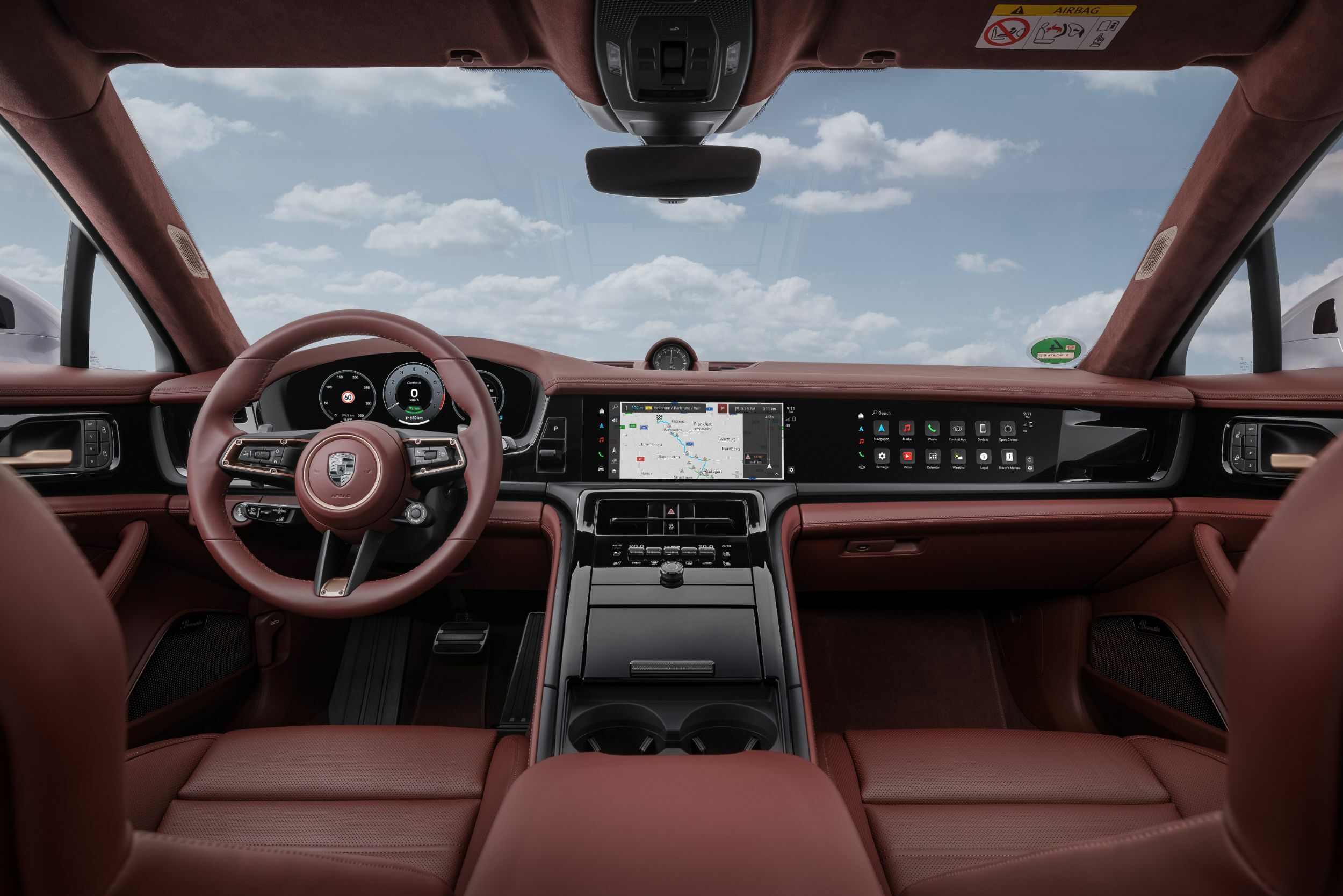
None of this should put you off the car if it is what you want. Depreciation is a cost of ownership to plan around, not a verdict on whether the Panamera is good, and it is a very good car. The point of the forecast is simply to make sure you choose the right way to pay for it, so the early loss lands where you can absorb it rather than catching you out at part-exchange time.
Where to check before you buy
Before committing six figures, do the residual homework. Pull current cap hpi, What Car and Auto Express residual data for the exact Panamera specification, year and mileage you are considering, rather than relying on US percentages or a single listing. Get a PCP and a lease quote alongside a cash price, and compare the total cost over your real ownership horizon, not the monthly in isolation, paying close attention to the guaranteed future value the lender sets. Check the expensive-car VED supplement applies, as it will on any Panamera, and factor it into running costs. And specify the car the used market will want, in desirable colours and with the options that hold value, because a sensibly specified Panamera protects the comparative residual advantage that is the whole financial argument for the car. Treat the depreciation forecast as a planning tool, not a precise prediction, and let it shape how you pay rather than whether you buy.
Where I land on the Panamera
The third-generation Porsche Panamera is a deeply impressive car, and on depreciation my read is measured rather than gloomy: it loses real money in the first three years, as any six-figure luxury saloon does, but it does so more gently than the rivals you would otherwise choose, and that comparative strength is its genuine financial argument. I would not buy one believing it holds its value like a 911, because it does not, and I would treat every US depreciation percentage as directional rather than a UK promise. For a buyer who changes cars every two or three years, I would lease or take a strong PCP and let Porsche carry the early residual risk; for a long-term keeper, buying outright and riding past the steep early drop makes more sense. Specify it sensibly, match the finance to how long you will keep it, and the Panamera is one of the smarter ways to spend this kind of money. Buy the most expensive version outright and flip it in two years, and it is one of the most expensive lessons in depreciation you can take.
Does the Porsche Panamera hold its value?
How much does a Porsche Panamera depreciate in 3 years?
Is it better to buy or lease a Porsche Panamera?
Do the Panamera E-Hybrid and V8 depreciate the same?
How much does a new Porsche Panamera cost in the UK?
MCDE Editorial