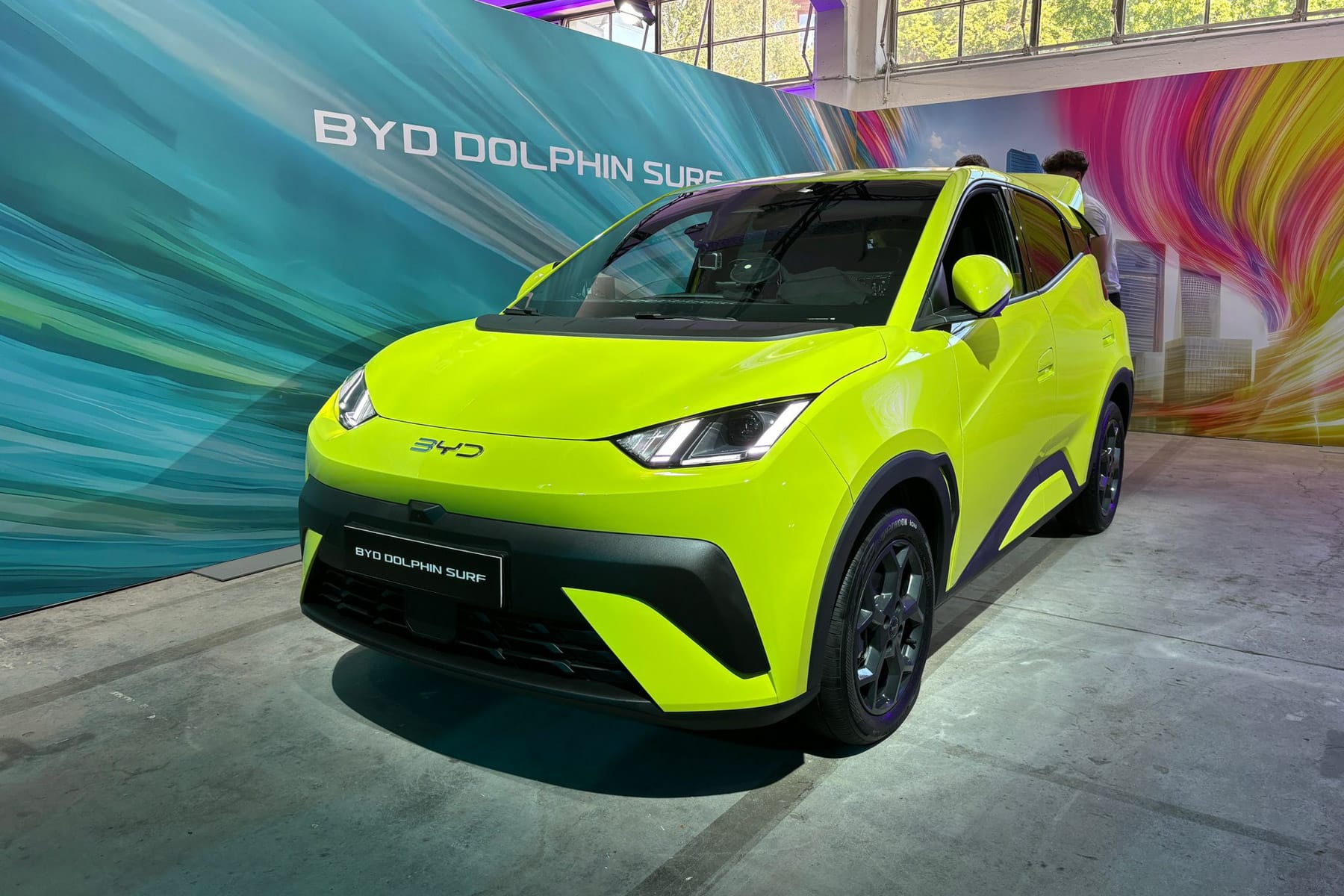
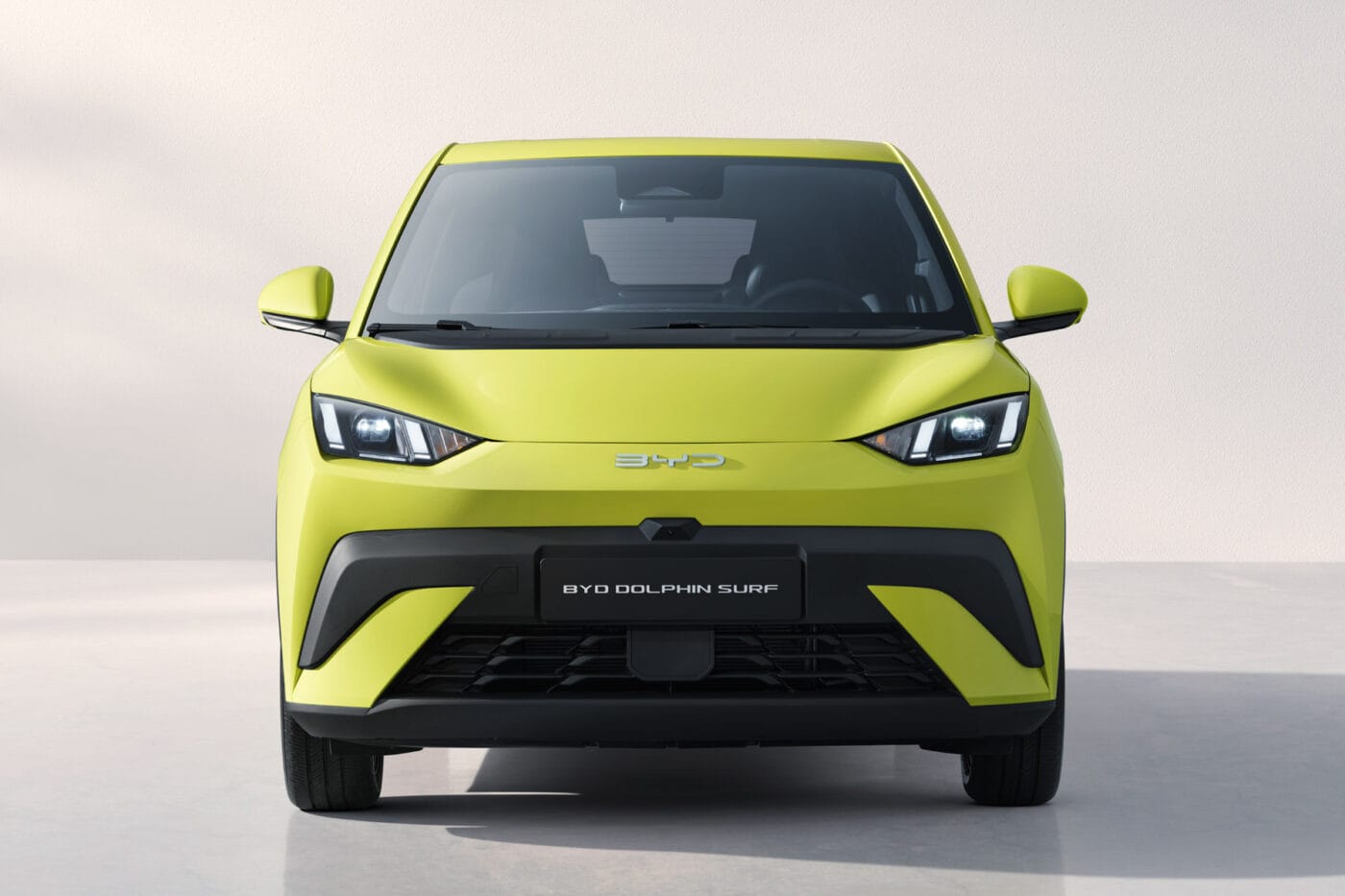
£18,650 buys you a brand-new BYD with a six-year warranty and a battery guaranteed for eight. That is the number that has been rattling around my head since BYD opened UK order books for the Dolphin Surf in June 2025 — because it sits almost £10,000 below where the larger Dolphin hatchback starts. Same badge, same showroom, ten grand apart. The catch is that the headline price buys the bottom of a three-rung ladder, and the bottom rung gives up more than the spec sheet lets on.
So this is the question worth answering before you get seduced by that £18,650: what exactly are you sacrificing to sit at the entry point of BYD’s most affordable car — and is the trim above worth the walk-up? I think it usually is, and I’ll show you where the line falls.
Three trims, one tempting price
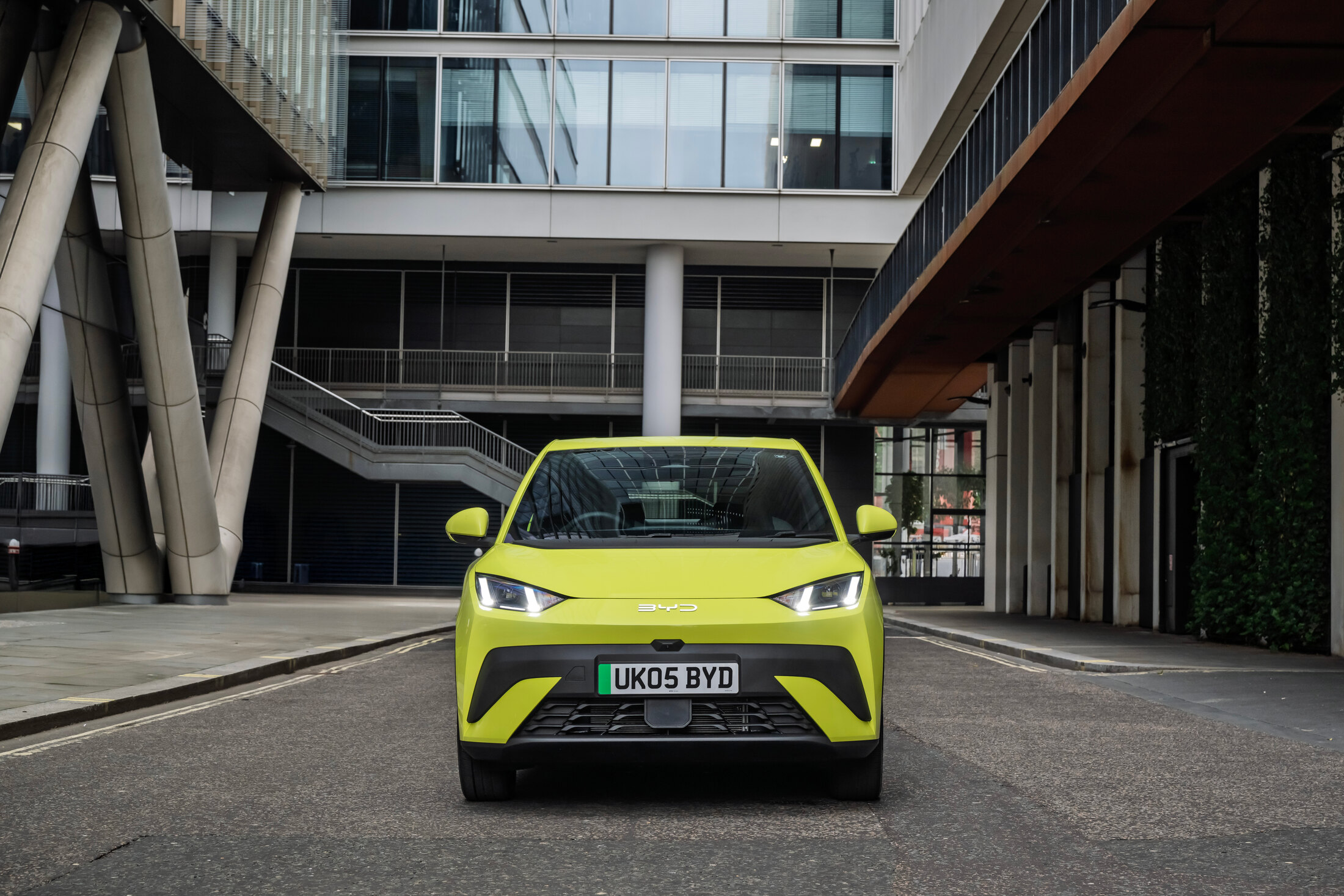
The range is simple enough to hold in your head. The Active opens at £18,650 with a 30kWh battery, a 137-mile WLTP range and a 65kW (87bhp) motor. The Boost at £21,950 keeps the same motor but swaps in a 43.2kWh battery for a claimed 200 miles. The Comfort, £23,950, pairs that bigger battery with a punchier 115kW (154bhp) motor and a 193-mile rating. Those are BYD’s own UK figures, and they’re worth quoting precisely because the rounding elsewhere has been generous.
What jumps out is the shape of the ladder. The first step — Active to Boost — costs £3,300 and buys you 63 more miles of range and a meaningfully better-equipped car. The second step — Boost to Comfort — costs £2,000 and buys you a quicker motor but, oddly, slightly less range. That tells you most of what you need to know about where the value sits, and it isn’t at either extreme.
The range gap is the real sacrifice
Forget the kit list for a second; the battery is the headline compromise. The Active’s 30kWh pack and 137-mile WLTP figure is fine for a second car that lives in town and charges at home. But WLTP is a laboratory number, and on a cold motorway run you should mentally lop a good chunk off it. A real-world 100-ish miles between charges turns a 250-mile family trip into a planning exercise, and that is where the £3,300 walk-up to the Boost’s 200-mile rating earns its keep.
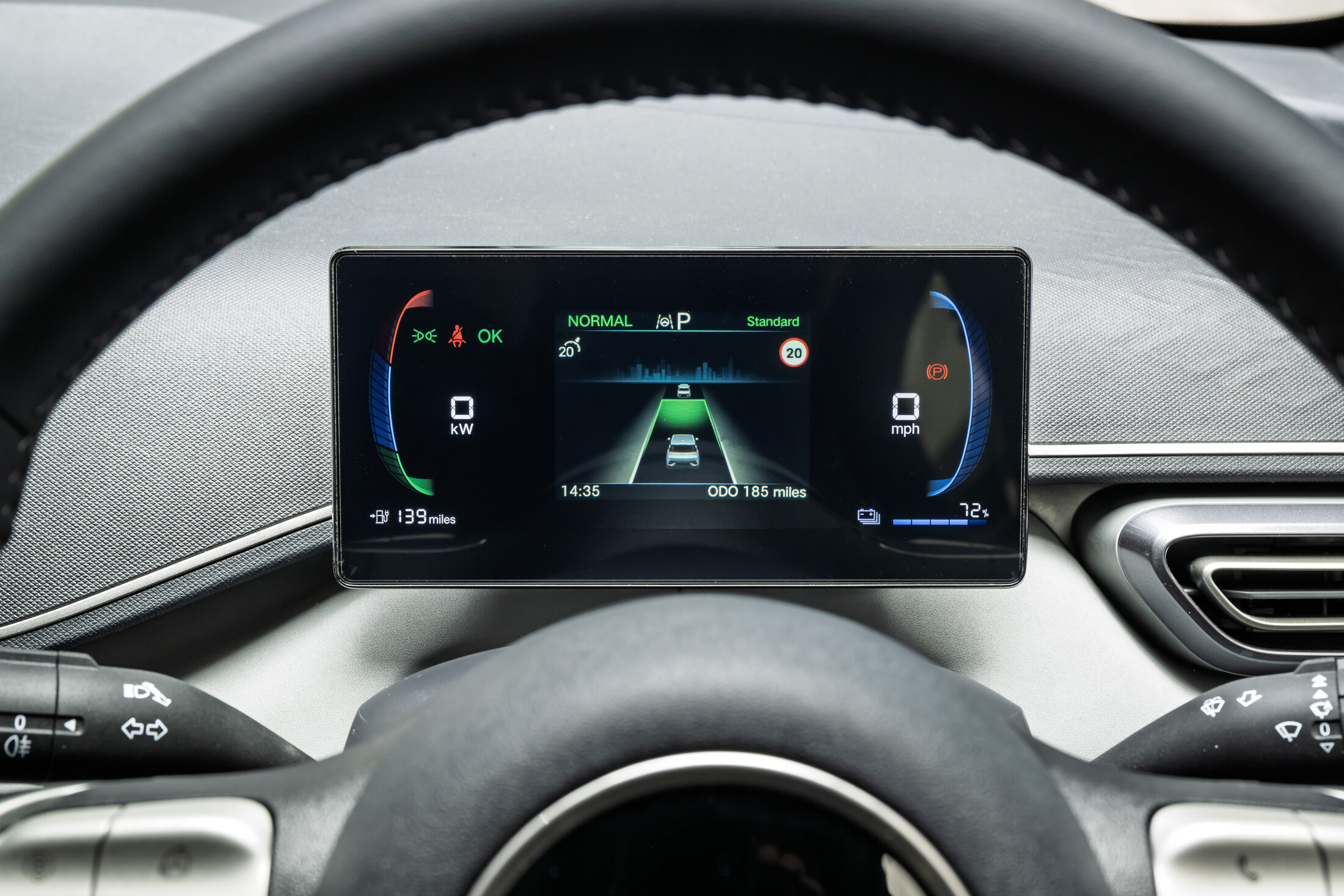
The performance hit is the quieter one. The RAC’s review of the Dolphin Surf records 11.1 seconds to 62mph for the 65kW cars against 9.1 seconds for the 115kW Comfort. Eleven seconds is not dangerous, but it is the difference between joining a fast slip road with confidence and joining it with your foot flat to the floor. If your driving is all 30mph zones, you’ll never notice. If it isn’t, you will.
What the Active leaves on the table
The equipment story is where the base car starts to feel its price. Step up to the Boost and you gain rain-sensing wipers, an electrically adjustable driver’s seat and 16-inch alloys in place of the Active’s steel wheels and covers. The range-topping Comfort piles on heated seats, a 360-degree camera, wireless phone charging and LED headlights, as The Independent’s review sets out.
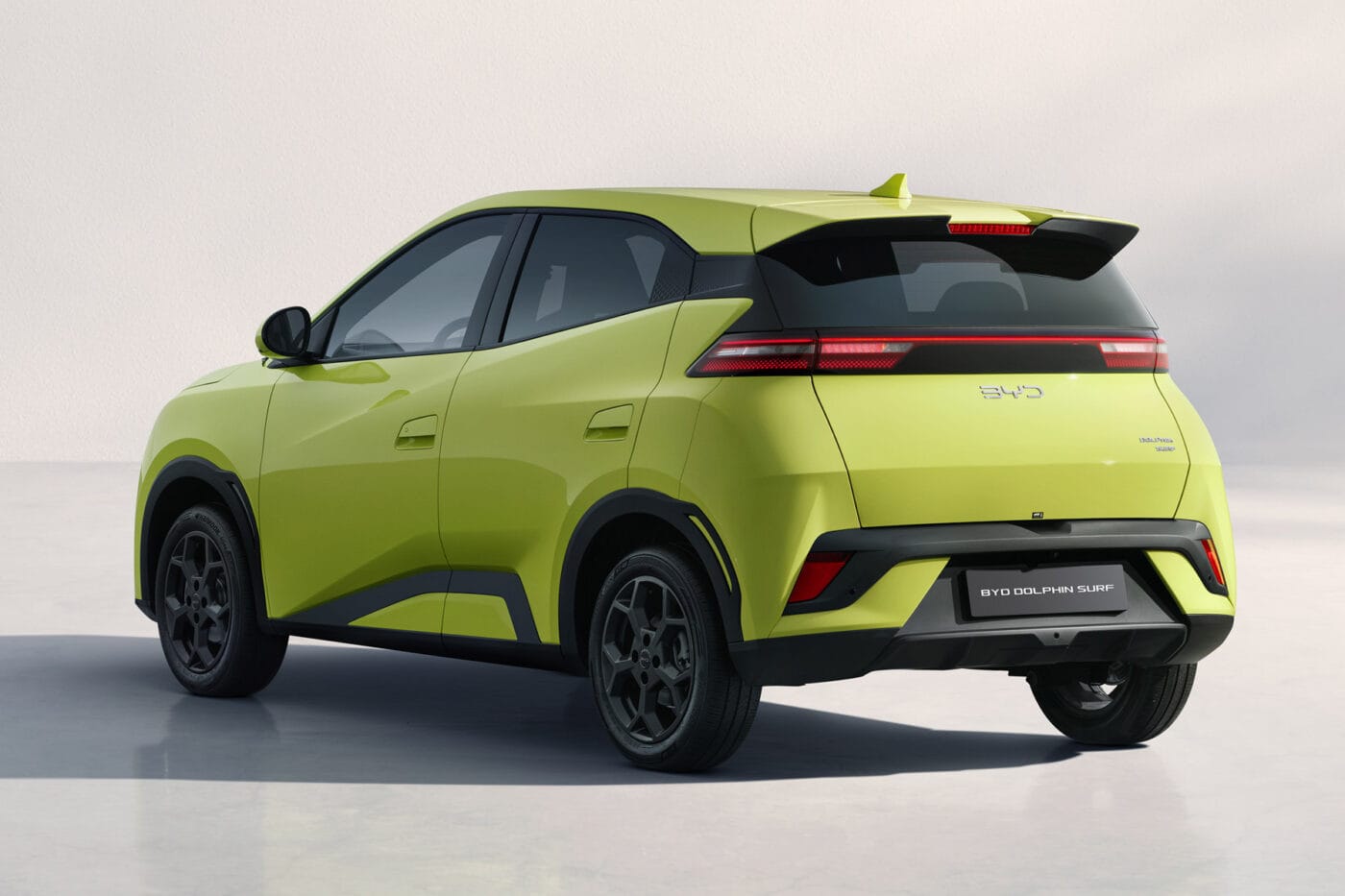
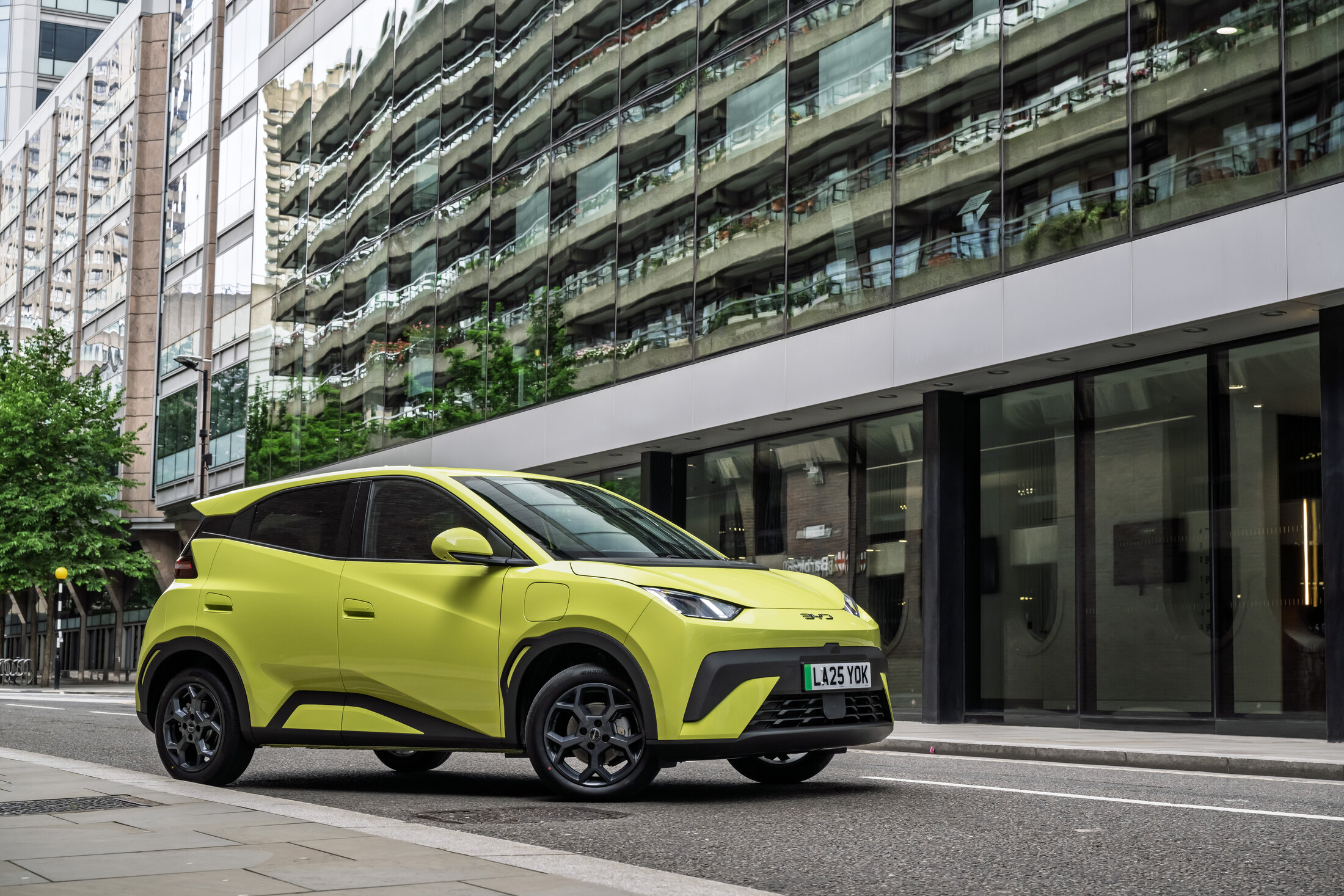
None of that is essential, and I’d resist the temptation to chase the full Comfort kit list for its own sake. But the rain wipers and the electric seat are the kind of daily-grind conveniences you stop noticing precisely because they work — and you absolutely notice their absence on a wet Monday. Colours, at least, are democratic: Lime Green is free across the range, with Polar Night Black, Apricity White and Ice Blue each a modest £650 whichever trim you choose, per BYD’s UK media pack.
The lowest price into a range is rarely the cleverest buy. The Active gets you the badge and the warranty; the Boost gets you the car BYD clearly designed.
The finance maths — and the salary-sacrifice angle
This is where I spend most of my time, and it’s where the trim decision actually gets decided. BYD has quoted the Boost from £279 a month on PCP — a representative example built on a £279 deposit and 3.9% APR, as flagged when order books opened. This is not a finance offer: treat it as a starting point rather than your quote, because PCP rates flex with deposit, term, mileage and your own credit profile, so the figure on your agreement may differ and any rate is subject to status.
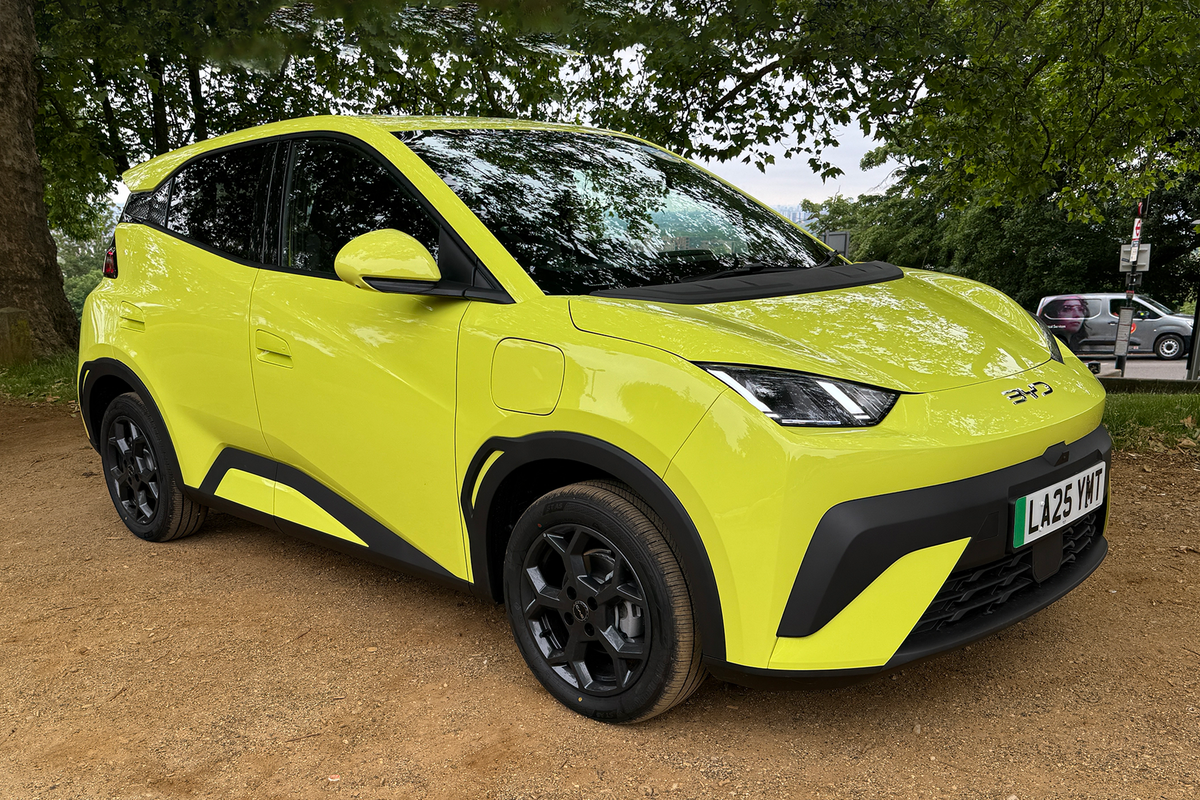
The more interesting route for a lot of buyers is salary sacrifice. Lease an EV through a workplace scheme and you pay from gross salary, with the Benefit-in-Kind tax that electric cars still attract sitting far below petrol equivalents in the current 2026/27 tax year. On a car that already starts under £19,000, that low BiK rate is what turns an affordable EV into one that is genuinely low-cost to run through work — and crucially, the monthly delta between an Active and a Boost shrinks once it’s coming out of gross pay rather than your bank account. That maths is exactly why I’d nudge most salary-sacrifice buyers up to the Boost without much hand-wringing. (Tax treatment depends on your circumstances and scheme; confirm the figures with your provider before you sign.)
Where it sits in a thin part of the market
Context matters here, because precious few new EVs start with a “1”. At £18,650 the Dolphin Surf is one of the most affordable electric cars on UK sale, comfortably undercutting the likes of the Citroën ë-C3 at around £23,000. BYD made a moment of it, too, launching the car in the UK at Alexandra Palace with first deliveries from June 2025.

That pricing is the whole point of the car, and it reframes how you read the Active. It isn’t a stripped-out loss-leader to lure you in and upsell — it’s a properly warrantied small EV in its own right. But “cheapest in the range” and “right in the range” are different claims, and the gap between them is the £3,300 I keep coming back to.
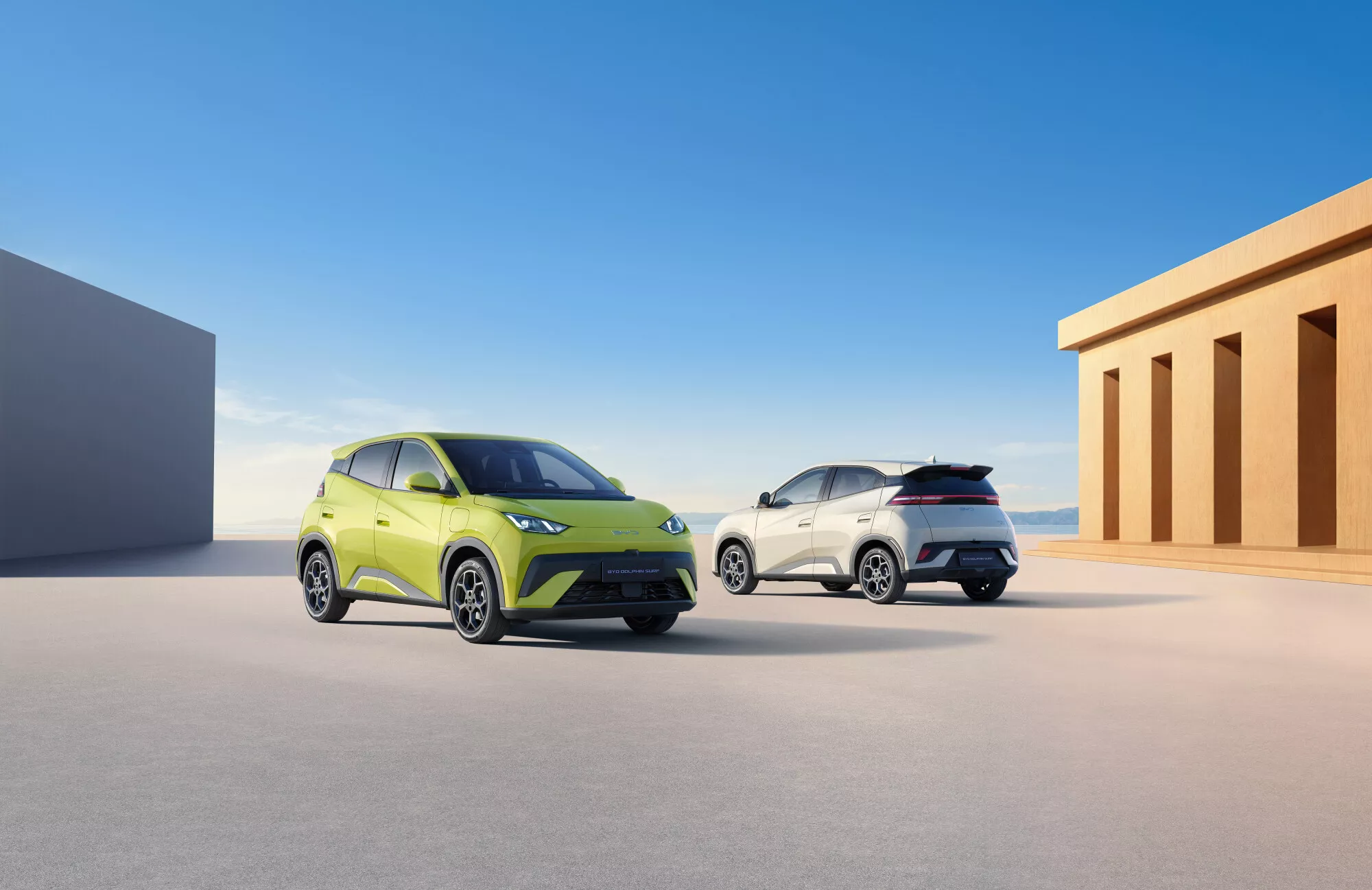
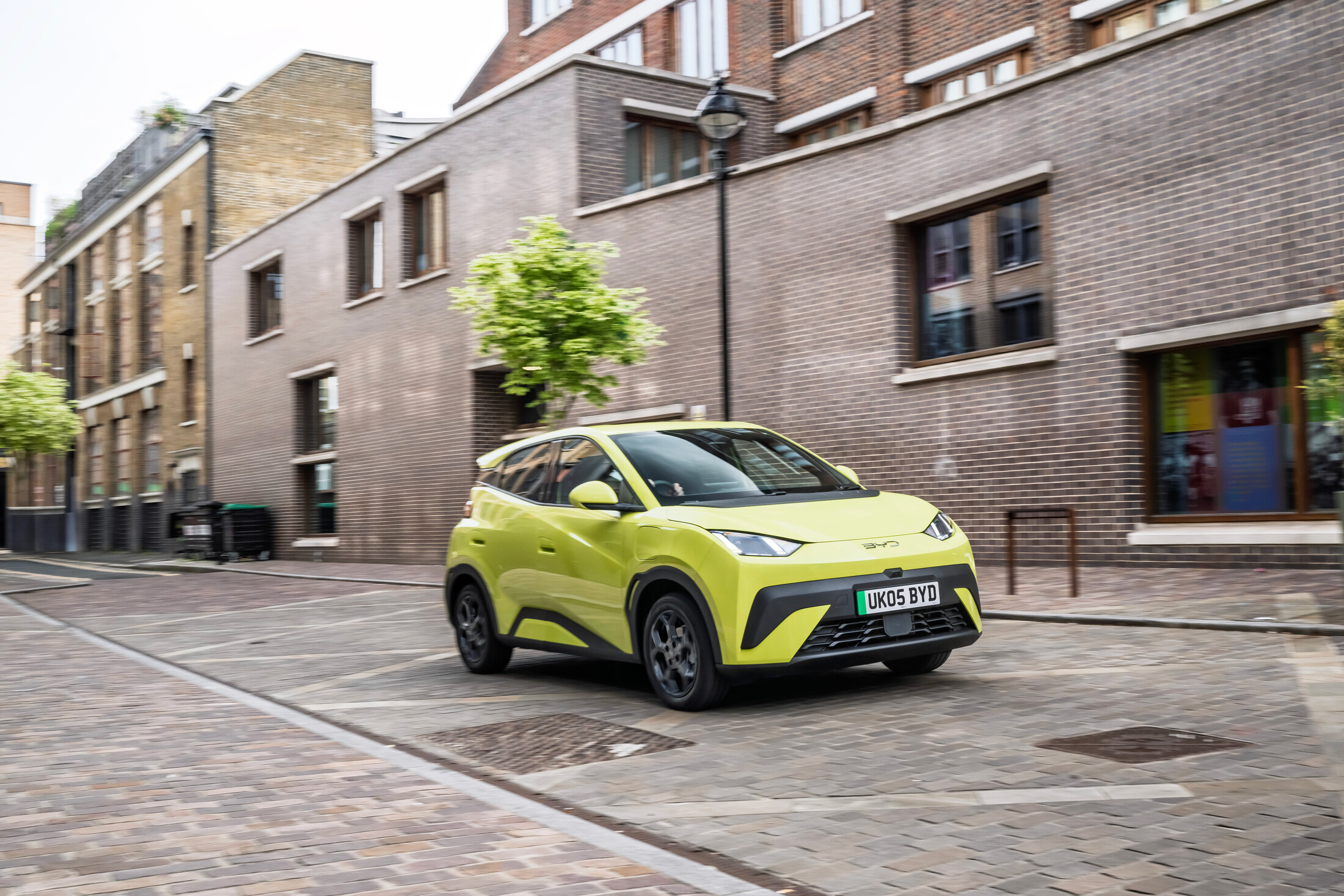
So which Surf would I sign for? I’d buy the Boost, and I wouldn’t agonise over it. For £3,300 it fixes the two things that would otherwise nag at the Active — the range and the missing daily-use kit — and it leaves the pricier Comfort looking like a car for people who specifically want the quicker motor and the heated seats. The Comfort’s slightly lower range for £2,000 more is a tough sell unless those extras genuinely matter to you.
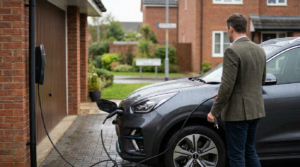
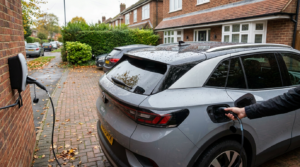
The Active earns its place in exactly one scenario: a second car that never leaves town, charges on the drive overnight and rarely sees a motorway. In that life, the 137-mile battery and the steel wheels are a non-issue and the £18,650 is money brilliantly spent. For everyone else — and especially anyone routing this through salary sacrifice, where the monthly gap all but disappears — the bottom rung is a false economy. The thing that would change my mind is a real-world range test showing the Active holding closer to its claim than I expect; until then, I’d spend the extra and not look back.
Buyer action
EV and salary-sacrifice checks
Use this as the final check before paying a deposit, signing finance paperwork or relying on a headline monthly figure.