Car Deal ExpertIndependent UK car-buying guidance: premium used cars, finance, salary-sacrifice EVs, insurance, recalls and consumer protection since 2008.
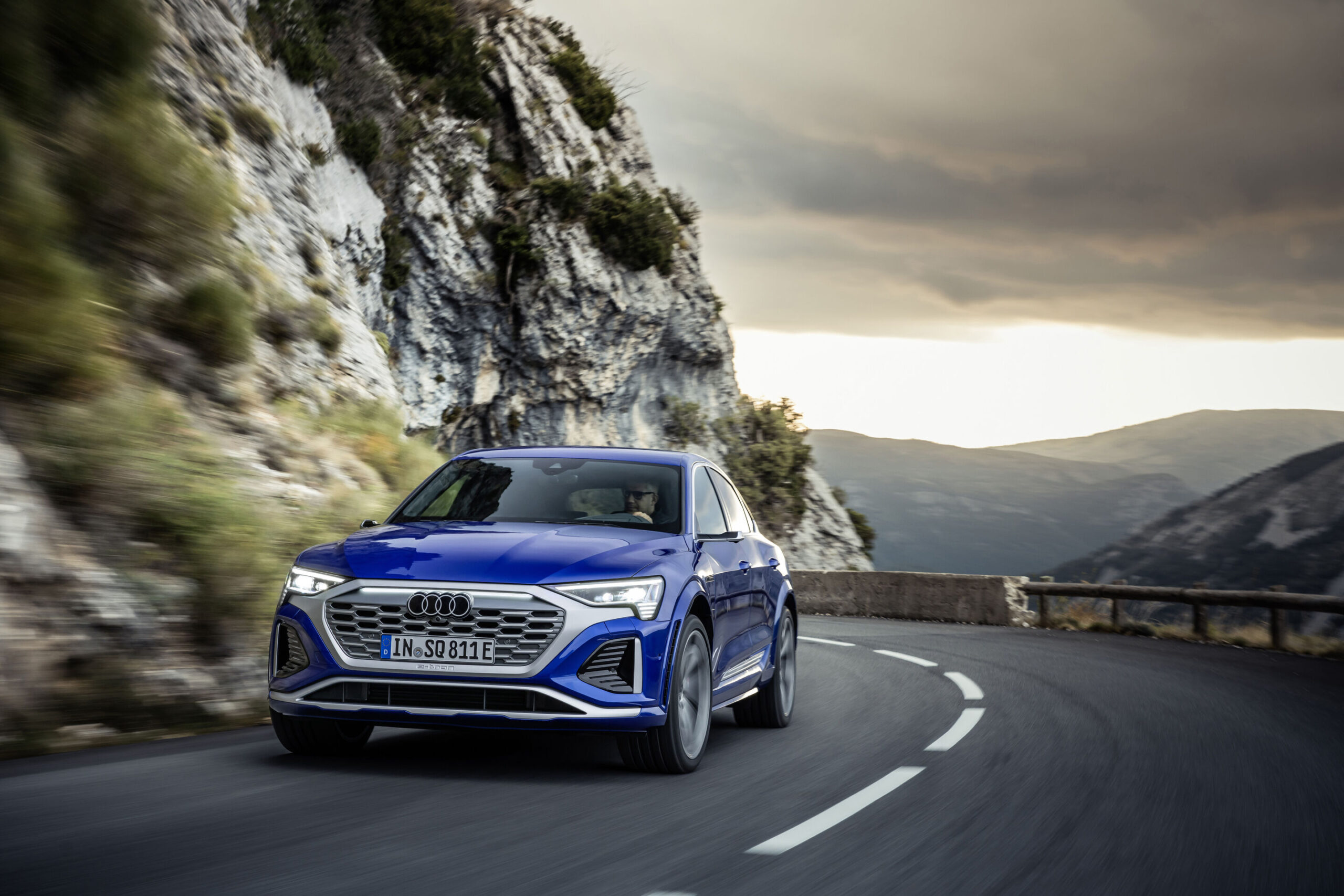
A used Audi Q8 e-tron is one of the clearest examples of premium-EV depreciation working in the buyer’s favour, and the listings prove it: as of June 2026 there are around 90 on Auto Trader, with tidy 2023 cars starting near £30,500 and even low-mileage 2024 examples from about £34,400. These cars cost the best part of £70,000 new. That is not a small saving, it is the entire front half of the depreciation curve handed to the second owner, and it is exactly the situation I like to walk into: let someone else take the hit, then buy the car for what it is actually worth. The catch, as ever, is knowing which one to buy and which to leave on the forecourt.
Used Audi Q8 e-tron: the key facts
Used price (June 2026): 2023 cars from about £30,500, 2024 from about £34,400 (Auto Trader).
New price: roughly £68,000 to £72,000, so a heavy early loss already taken.
Battery: 95kWh (50 e-tron) or 114kWh (55 e-tron), the 2023 update’s longer-range packs.
Body styles: SUV for space, Sportback for style and a touch more range.
Watch items: brakes, air suspension, rapid-charging behaviour and battery health.
What a used Audi Q8 e-tron costs now
The Q8 e-tron is the 2023 facelift of the original 2019 Audi e-tron, with a new name, a sharper nose and, crucially, bigger batteries. That lineage matters when you shop, because the cheapest “e-tron” listings are often the older 2019 to 2022 car with the smaller pack and shorter range, not the updated Q8 e-tron you actually want. Stick to the genuine Q8 e-tron and the money still looks remarkable: I am seeing 2023 55 Sportbacks around £30,000 to £44,000 depending on miles and trim, and 2024 cars from the mid-£30,000s on Auto Trader’s used Q8 e-tron listings (June 2026). For a large, beautifully built German electric SUV that listed near £70,000, that is the kind of drop that makes the used premium-EV market the most interesting corner of the lot right now.
This is the same depreciation story that makes the used Audi e-tron GT and the used BMW iX so tempting in 2026: cars that were unaffordable new are suddenly sensible second-hand. The trick is to remember why they fell so far. Premium EVs depreciate hard because the new-car finance was expensive, the technology moves quickly, and buyers worry about batteries. Two of those three are someone else’s problem once you buy used; the third is the one you actually inspect.
Which version to buy: 50, 55 or SQ8 e-tron
The range splits three ways. The 50 e-tron pairs a 95kWh battery with around 250kW of power and a real-world range in the high-200s of miles. The 55 e-tron gets the bigger 114kWh pack, more power and a claimed range into the low-300s, and it is the one I would steer most buyers towards, because the extra battery is the difference between a car you trust on a long run and one you plan journeys around. Above both sits the SQ8 e-tron, a three-motor performance version that is rapid and lovely but thirstier and dearer to insure; it is a heart-buy, not a head-buy.
Illustration: CDE
Body style is simpler. The SUV is the practical choice with the bigger boot and squarer rear seats; the Sportback trades a little headroom and load space for a sleeker roofline and marginally better range. Neither is efficient by modern standards, mind. The Q8 e-tron is a heavy car and you should expect real-world economy around 2.5 to 3.0 miles per kWh, less in winter, so treat the official figures as a best case. If you do high mileage, that inefficiency is the single biggest running-cost factor, and it is worth reading our note on the Advisory Electricity Rate if any of those miles are for business.
The faults owners actually report
This is where my notebook earns its keep. The Q8 e-tron’s high-voltage battery has a good record so far, with large-scale failures rare, but it is not a car without recurring niggles, and owners on the Audi-Sport.net and e-tron owner forums flag the same handful repeatedly. Rapid-charging hiccups come up most: occasional refusals to start a DC session that clear with a retry or a different charger. Brakes are the second theme, because on a heavy EV the regen does most of the stopping and the discs can corrode or wear unevenly through under-use, so heavy pad and disc bills can arrive earlier than the mileage suggests.
The battery is rarely the thing that bites a used Q8 e-tron owner. The air suspension, the brakes and the tyres are where the real bills hide.
Illustration: CDE
Cars fitted with the adaptive air suspension are the ones I would inspect hardest. Owners report air-spring leaks, noisy compressors and ride-height sensor faults as the miles climb, and those are not cheap to put right out of warranty. Tyres are the other quiet cost: this is a two-and-a-half-tonne car on big wheels, and it eats rubber. None of this makes the Q8 e-tron a bad buy. It makes it a car you inspect properly rather than one you fall for, which is the difference between a £32,000 bargain and a £32,000 car with a £4,000 problem waiting.
The pre-purchase checks I would not skip
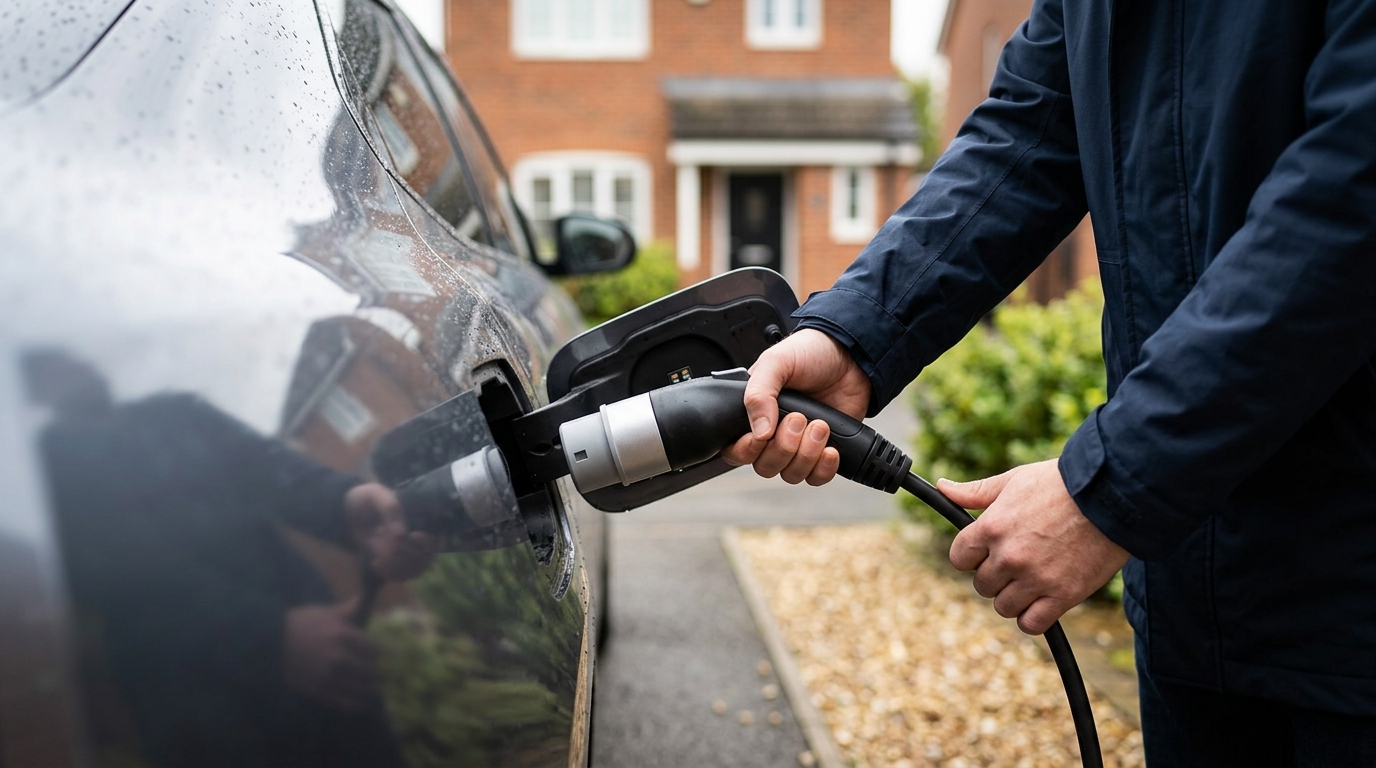
Before I handed over a penny, I would work through a short list. Run the registration through the GOV.UK recall checker and ask the seller for proof that any outstanding Audi recalls have been completed; verbal assurance is not evidence, a stamped job sheet is. Insist on a full Audi service history, ideally main-dealer, because the air suspension and braking systems reward a car that has been looked after. Ask for a battery state-of-health reading and compare the displayed range at 100% against the original figure; a healthy car should be close. Then do the test that most buyers skip: take it to a public rapid charger and start a DC session, because a car that repeatedly fails to charge in front of you will do the same to you every week.
Illustration: CDE
Finally, look at the boring stuff that costs money. Check the brake discs for corrosion and uneven wear, listen for the air-suspension compressor cycling oddly, and look at the tyres, all four, because a fresh set on a car this heavy is several hundred pounds. An Audi Approved Used car with the balance of its warranty is worth paying a little more for here, and on a £30,000-plus EV I would also price the cover properly, because as our guide to EV insurance costs shows, premiums on heavy, powerful electric SUVs are not where buyers expect them to be.
The used Q8 e-tron I’d buy, and the one I’d walk past
Here is where I land. The car I would buy is a 2023 or 2024 Q8 e-tron 55, in SUV form for the space, with full Audi history, a documented battery health figure, coil springs or air suspension that has been checked, and ideally the remainder of an Approved Used warranty, at around £33,000 to £38,000. That is a genuinely premium electric SUV for the price of a mid-spec family EV, and the badge, cabin and refinement are worth having. The one I would walk past is the cheapest listing on the page: a high-mileage early car, no service history, air suspension of unknown condition and a seller who cannot produce a battery reading. The Q8 e-tron rewards the patient, evidence-led buyer and punishes the one chasing the lowest number, which is true of almost every premium EV worth owning. Compared against a left-field rival like the used Genesis GV80, or weighed up alongside the 2026/27 company-car tax bands if you can take one through work, the Q8 e-tron still makes a strong case, as long as you buy the right one.
How we researched this guide
Every pick here is shortlisted from hands-on testing and time spent living with the hardware by the CDE desk, then sanity-checked against current UK pricing, manufacturer specs and real-world performance before it makes the cut. We never rank for commission — affiliate links don't change the order.
Buyer action
Where to check next
Use this as the final check before paying a deposit, signing finance paperwork or relying on a headline monthly figure.
We use cookies to make this site work, measure how it is used, and (with your consent) personalise advertising. Strictly necessary cookies always run. Analytics and advertising cookies run only if you accept. See our Cookie Policy and Privacy Policy.
Car Deal Expert — independent UK automotive publisher since 2008.