EV running costs in 2026 are not one number, they are four, and the gap between the cheapest and the dearest is wider than almost any salesman will tell you. The figures that matter come from the Zapmap Price Index for May 2026, the closest thing the UK has to an official public-charging benchmark, set against a home off-peak tariff like Octopus Intelligent Go at 8p a unit. Get this right and an electric car is the cheapest thing on your driveway to run. Get it wrong, charge only on public rapids, and you can pay more per mile than a petrol car. I want to put the actual pence in front of you so you can see which one you would be.
What you need to know
- Home off-peak charging costs about 8p/kWh, roughly 2.4p a mile (Octopus Intelligent Go).
- Public rapid and ultra-rapid charging averaged 79p/kWh in May 2026, about 24p a mile (Zapmap).
- Slower public chargers averaged 54p/kWh, about 16p a mile; Tesla Superchargers typically undercut the rapid average, cheaper again for Tesla owners.
- A 45mpg petrol car costs roughly 14p a mile, so public-only EV charging can be dearer than petrol. Figures dated May 2026.
The four prices that decide your EV running costs
Forget kilowatt-hours for a second, because the only figure that lets you compare an EV with a petrol car is pence per mile, and that depends entirely on where you plug in. A typical electric car does around 3.3 miles per kilowatt-hour in real-world driving, the efficiency Zapmap uses, so your cost per mile is roughly the unit price divided by 3.3. Here is what that looks like across the realistic options as of May 2026, and the spread is the whole story.
| Where you charge | Unit price | Cost per mile (approx) |
|---|---|---|
| Home, off-peak EV tariff | 8p/kWh | ~2.4p |
| Home, standard rate (price cap) | 24.67p/kWh | ~7.5p |
| Public slow/fast | 54p/kWh | ~16p |
| Public rapid/ultra-rapid | 79p/kWh | ~24p |
| Petrol car (45mpg, for comparison) | n/a | ~14p |
Home charging is where the savings actually live
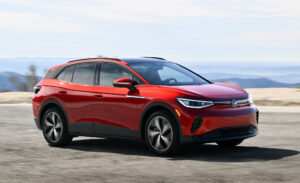
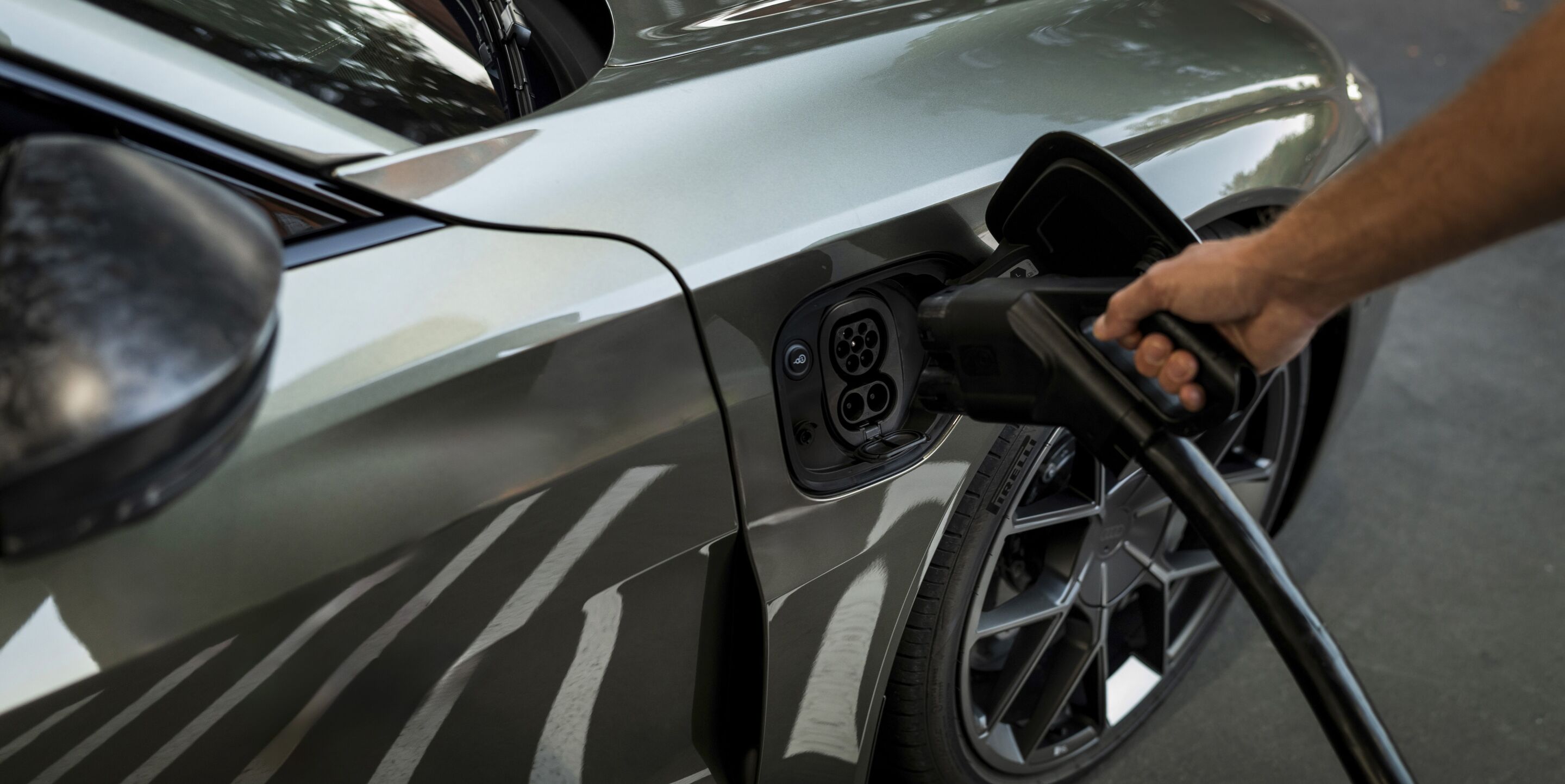
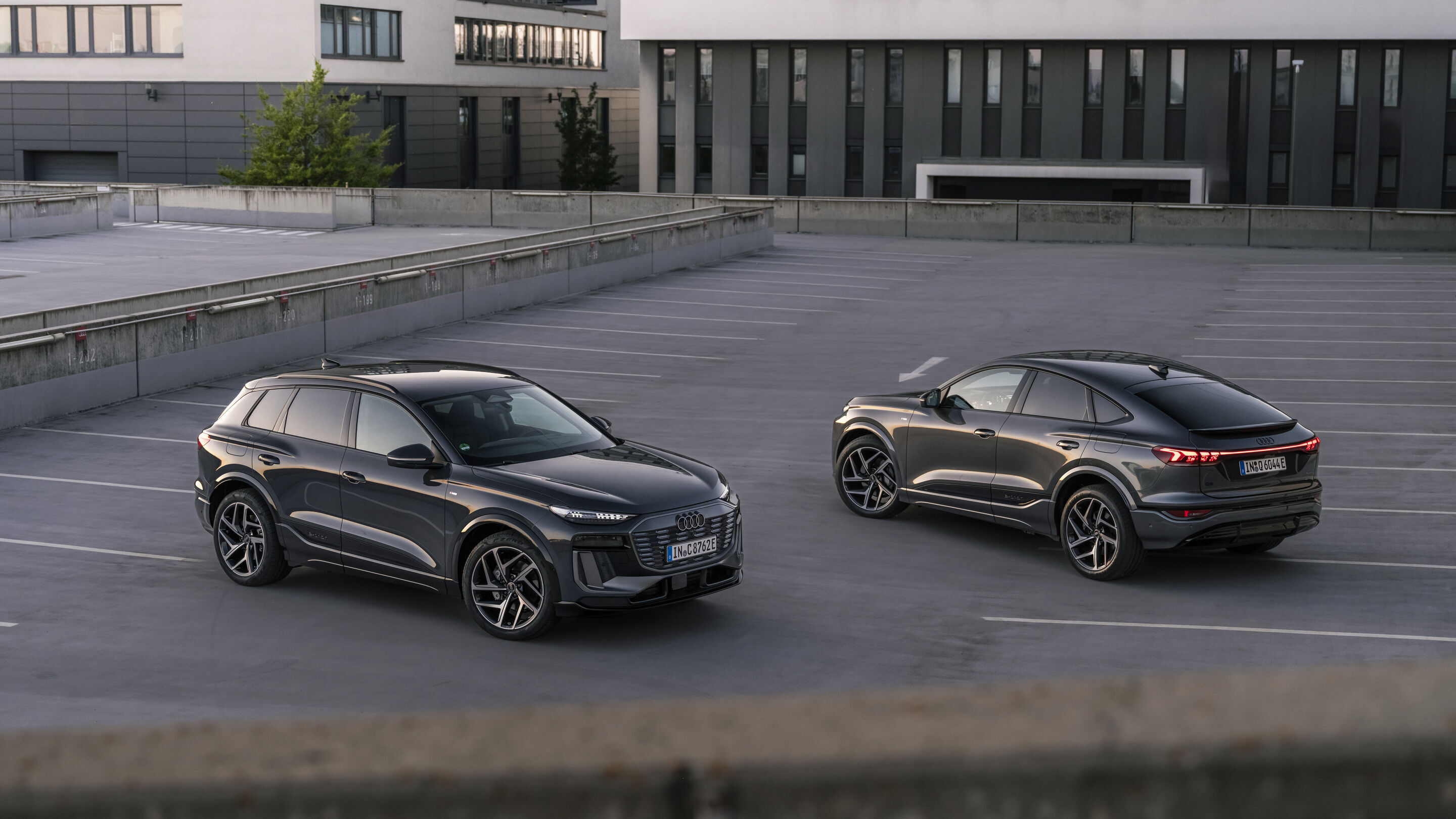
If you can charge at home on an off-peak EV tariff, the running-cost case is overwhelming and it is not close. At 8p a unit overnight, a real-world EV costs you about 2.4p a mile. Drive 10,000 miles a year and your electricity bill for the car is roughly £240. I have seen people agonise over a £30 monthly difference on the finance and then ignore the fact that home charging is saving them the thick end of £1,000 a year against petrol. That is the real prize, and it is why I tell anyone with a driveway that the home charger is the single best money decision in EV ownership, ahead of almost anything you do on the deal itself. It is the same logic that makes the running-cost case on a premium EV like the Q6 e-tron stack up, and why a sensible family choice like the VW ID.4 on home charging is so cheap per mile. The catch is that you only get the 8p rate overnight, on a smart tariff, with a home charger; daytime top-ups on the standard rate cost about three times as much, and that standard rate edges up again from 1 July 2026 when the energy price cap rises.
Public rapid charging is where they evaporate
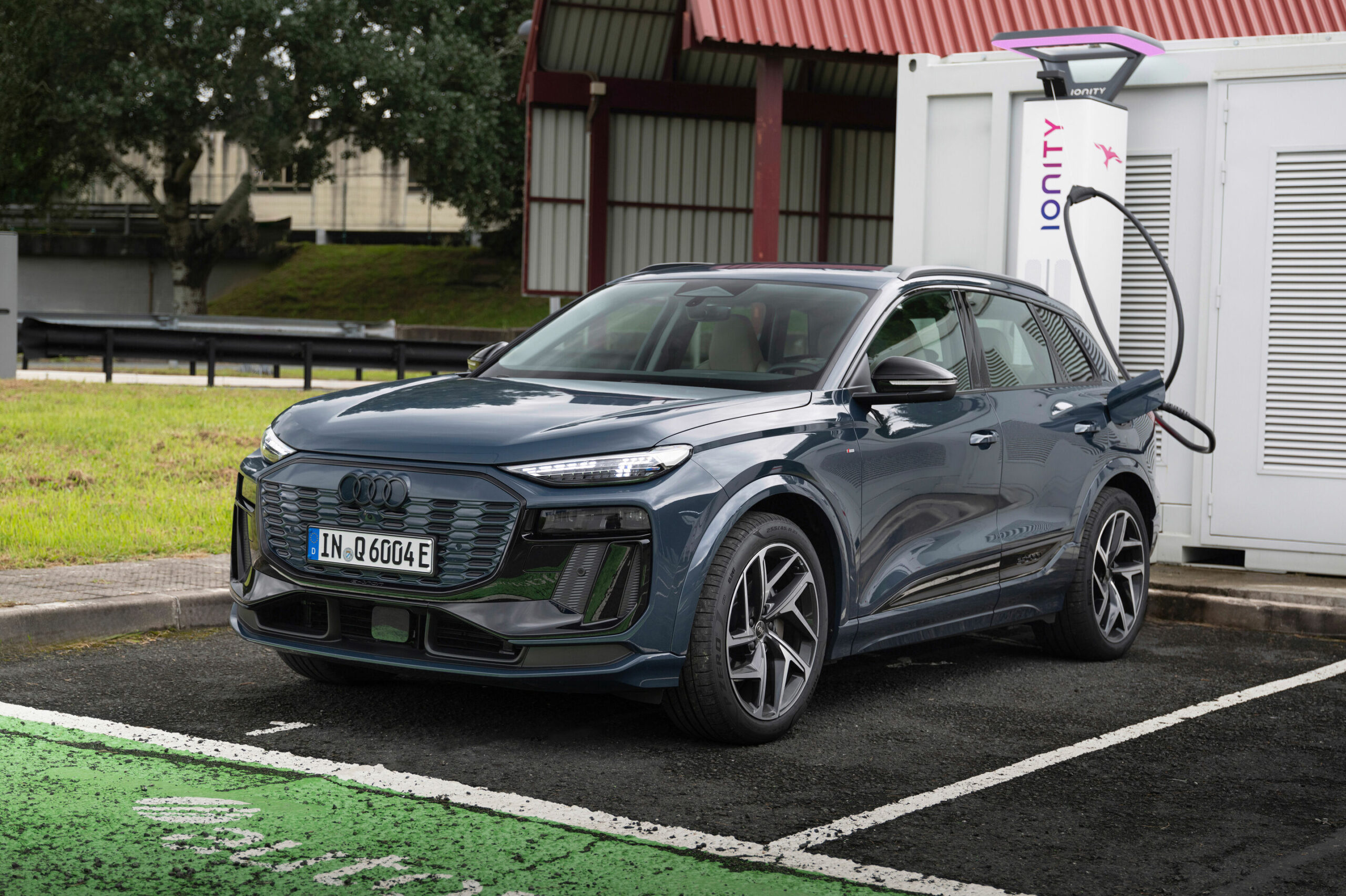
Now the uncomfortable bit. Zapmap put the May 2026 average for rapid and ultra-rapid public charging at 79p/kWh, which is about 24p a mile. A 45mpg petrol car at current pump prices is around 14p a mile. Read that again: if you do most of your charging on public rapids, an electric car can cost you 70% more per mile than the petrol car you replaced. Slower public chargers are better at 54p/kWh, roughly 16p a mile, still above petrol. The one piece of good news is that the Public Charge Point Regulations 2023 on gov.uk now force operators to display the price up front and take contactless payment, so at least you can see that 79p before you commit to it. Tesla’s Superchargers typically undercut the public rapid average, and are cheaper again if you own a Tesla, which is one of the quieter reasons a Tesla Model Y on a salary-sacrifice scheme can make sense for someone without a driveway. But the headline stands: public rapid charging is a convenience tax, and if it is your main source of power the EV running-cost advantage does not just shrink, it disappears.
The driveway divide nobody wants to talk about
This is the part the industry skates over, and it bothers me because it splits the country in two. If you own a house with off-street parking, you charge at 8p and you win, comfortably. If you rent, or live in a flat, or park on the street, you are stuck on public charging at 54p to 79p a unit, and your “cheap” electric car is suddenly costing more to fuel than a diesel. The technology is identical; the only thing that changed is whether you have a driveway. Schemes are emerging to help, kerbside chargers and the like, but they are patchy and rarely as cheap as a home overnight rate. So before anyone tells you an EV will slash your fuel bills, I would ask one question: where will you actually charge it? The honest answer decides whether the sums work. The same brutal arithmetic shows up in the running costs on a family EV like the Renault Scenic, where the home-versus-public gap dwarfs every other line on the page.
How to keep the cheap miles cheap
If you do have a driveway, the job is to protect that 2p-a-mile figure. Get a home charger and a smart off-peak EV tariff, and set the car to charge in the overnight window automatically so you never accidentally fill up at the daytime rate. Treat public rapids as an occasional top-up on a long trip, not your default, and when you do use one, an electric car that is genuinely efficient at four-plus miles per kWh costs noticeably less to rapid-charge than a heavy, thirsty one, so efficiency is worth real money here, not just bragging rights. If you are running the numbers on a basic-rate salary, it is also worth seeing how the charging maths interacts with the salary-sacrifice case on a value EV like the Kia Niro. And keep an eye on the rest of the bill, because the running-cost saving from home charging can be quietly eaten by an EV insurance renewal that jumps for no obvious reason, the same way I keep warning people about the APR hidden in paying insurance monthly.
Where the EV running-cost maths actually lands
Here is where I come down. For a homeowner with off-street parking, an EV is the cheapest car you can run, full stop: 2p a mile on overnight charging is a figure no petrol or diesel can touch, and over a few years it pays back a lot of the premium you paid to go electric. For a driver who will live on public rapid charging, I would do the sum honestly before I signed anything, because at 24p a mile the running-cost advantage that sold you the car is not there, and a frugal petrol or hybrid may genuinely cost you less. The car is the same either way; your charging situation is the variable that decides it. Work out where your miles will actually come from, price them at the rates above, and you will know before you buy whether the EV running costs add up for you or just for the brochure.
Updated 17 June 2026. Public-charging averages are from the Zapmap Price Index for May 2026 and move month to month; home and pump figures are illustrative and depend on your tariff and car. Check current rates before you rely on them.
Buyer action
EV and salary-sacrifice checks
Use this as the final check before paying a deposit, signing finance paperwork or relying on a headline monthly figure.