If you are about to put down a deposit on a £70,000 electric saloon, the number that should be keeping you up at night isn’t the showroom price: it’s everything that lands on top of it the moment the car becomes yours. The clearest signpost is the government’s own rates of vehicle tax published for April 2026, which confirm that from 1 April 2026 expensive electric cars are pulled into a tax-and-cost bracket that, until now, EV buyers had largely escaped. I’ve spent the past few weeks running the numbers on what a high-value EV actually costs to keep on the road in its first six years, and the picture above £50,000 is genuinely unforgiving.
So this is the question I want to answer properly: if you’re shopping at the premium end (a Porsche Taycan, a top-spec Tesla Model Y, a Jaguar I-Pace, a BMW i5), what changes in 2026, and is the running-cost penalty a reason to pause, or just a line item to plan around?
The £50,000 line is now the one that matters (high-value EV)
Here is the change that reframes everything. From 1 April 2026, the Expensive Car Supplement applies to electric cars with a list price over £50,000, a higher threshold than the £40,000 line used for petrol, diesel and hybrid models, as Ayvens sets out in its breakdown of the 2026 duty changes. That £10,000 of headroom sounds generous until you look at where premium EVs are actually priced: most of the cars people aspire to sail straight past it.
The supplement itself is £440 a year, and it bites for years two through six of the car’s life. Cross the £50,000 line and you are committing to that charge for five consecutive years, £2,200 in total, entirely separate from your insurance, your electricity and your servicing.
What the tax actually looks like over six years
Let me lay the VED out plainly, because the gap between an EV under £50k and one over it is now stark. In year one, every new electric car pays a token £10, and that part is unchanged and genuinely cheap. The divergence starts in year two.
An EV priced under £50,000 drops to the standard £200 a year and stays there. An EV over £50,000 pays £640 a year (the £200 standard rate plus the £440 supplement), as both Drive Electric and Ayvens confirm. Run that across years two to six and the expensive car pays £3,200 in VED where the sub-£50k car pays £1,000. The same metal, the same electrons, but a £2,200 premium purely for being on the wrong side of a list-price line.
The practical takeaway is uncomfortable but useful: if a car you want sits at £51,000 or £52,000, it is worth checking whether a trim down, a colour choice, or an options deletion brings the official list price back under £50,000. That single decision is worth more over six years than most of the haggling you’ll do in the showroom.
Why the insurance line is the one that really stings
Tax is predictable. Insurance is where high-value EVs quietly punish you, and it’s the part that would give me the most pause. The structural reason is the battery. According to Brumble’s guide to electric car insurance, a replacement pack runs between £5,000 and £15,000, and the brutal truth is that even minor damage to the battery casing can write the whole car off, because insurers won’t gamble on a compromised pack.
That feeds straight into claims data. Brumble cites Thatcham figures showing EV claims are around 25% more expensive to settle and take about 14% longer to repair than equivalent petrol or diesel cars. Part of that is parts cost; part of it is the shortage of technicians qualified to work safely on high-voltage systems, which keeps labour rates high and courtesy-car periods long. When the repair network is thin, every claim is dearer. The FCA’s general insurance pricing rules were meant to stop loyal customers being penalised at renewal, and they help, but they do nothing about this structural battery cost: that is baked into the premium before you ever shop around.
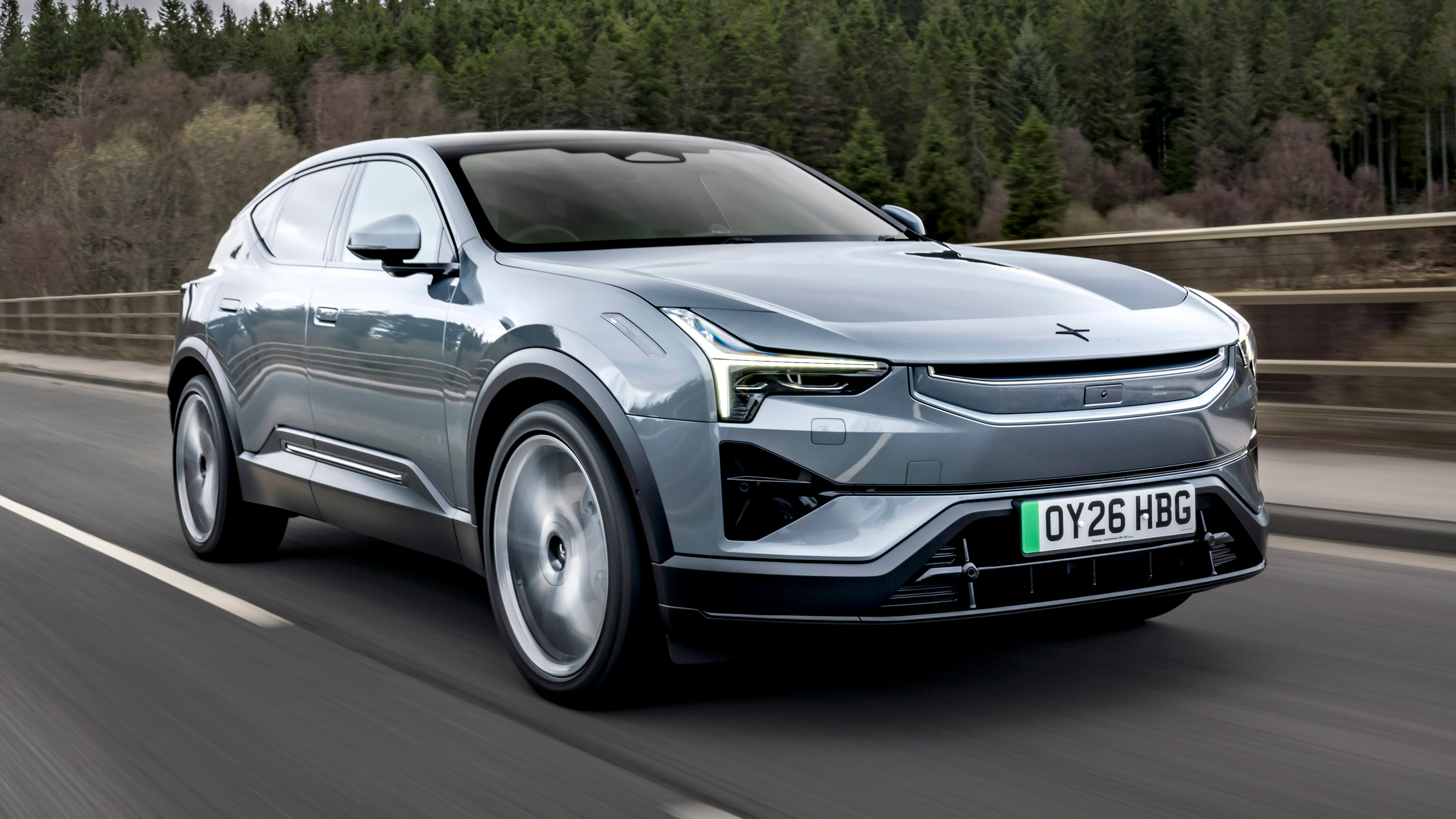
The premiums premium buyers are actually paying
So what does this mean in pounds? On Brumble’s current 2026 market figures, the average EV premium now sits at roughly £707 a year against £558 for petrol, an electric penalty of about 25%, though it’s worth noting that gap has narrowed from around 30% back in 2023. The market is correcting, just slowly. Treat these as market averages, not a quote: your own premium will hinge on your postcode, age, history and the car itself.
But averages hide the top end, and the top end is where this piece lives. Brumble flags that cars like the Tesla Model Y and the Porsche Taycan commonly exceed £1,500 a year to insure, with the Jaguar I-Pace among the most expensive EVs on the road to cover. Those are market examples rather than a price you’ll be offered, but they are the figures I’d build into the ownership budget from day one rather than discover at renewal. Treat a four-figure annual premium as the baseline for this class of car, not the worst case.
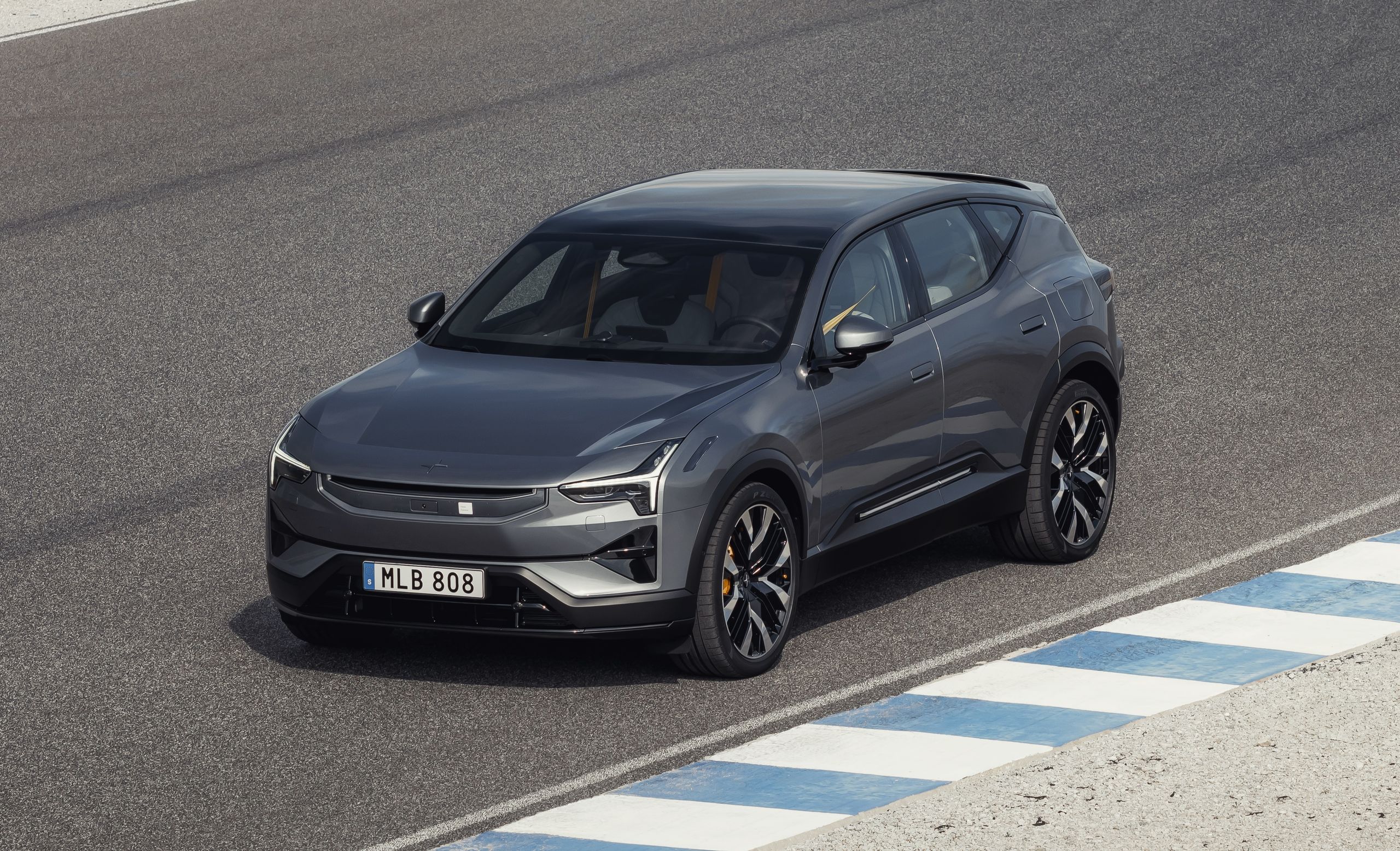
Stacking it all up: the real annual figure
Put the pieces together for a £60,000 EV in its third year of life and the fixed costs alone, before a single mile of electricity, look like this: £640 in VED, plus a premium that can comfortably sit at £1,500 or more (a market example for the class, not a quote). That’s well over £2,000 a year locked in regardless of how carefully you drive. For a buyer choosing this tier deliberately, that’s not a deal-breaker: it’s the cost of the category, and it’s broadly in line with what a comparable petrol performance saloon demands once you account for fuel. But it has to be a conscious choice, not a surprise.
What’s genuinely changed for 2026, and what makes me uneasy, is that the £50,000 threshold has formalised a two-tier EV market. The sub-£50k car is now meaningfully cheaper to run on tax; the premium EV no longer gets the soft landing it once did.
Where I’d actually draw the line
Here’s my position, and it’s not a fence-sitting one. If you want a high-value EV and you can absorb a four-figure insurance premium and £640 of annual tax without wincing, buy it, because these are exceptional cars and the running costs are entirely manageable at this income tier. What I would not do is buy one at £51,000 when a thoughtfully specced version lands under £50,000, because you’d be paying £2,200 over six years for nothing you can see or feel.
And if a four-figure premium does make you hesitate, take that hesitation seriously: it’s usually a sign the car is a stretch, and a stretch on the sticker price becomes a much bigger stretch once tax and cover are stacked on top. If your renewal then jumps without a clear reason, the letter I’d send asks the insurer to justify the increase against the FCA’s fair-value rules and to confirm what’s changed beyond the calendar. The thing that would change my wider view is the insurance market itself: as the repair network matures and that 25% claims premium keeps falling, the maths on premium EVs gets easier every year. It’s improving. It just hasn’t improved enough yet to insure one of these on a whim.
Tax figures reflect rates effective from 1 April 2026; insurance premiums quoted are illustrative UK market figures for 2026, not a quote or a finance offer, and your own premium will depend on your circumstances and is subject to status. Always compare cover before committing.
Buyer action
Where to check next
Use this as the final check before paying a deposit, signing finance paperwork or relying on a headline monthly figure.