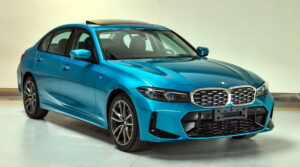
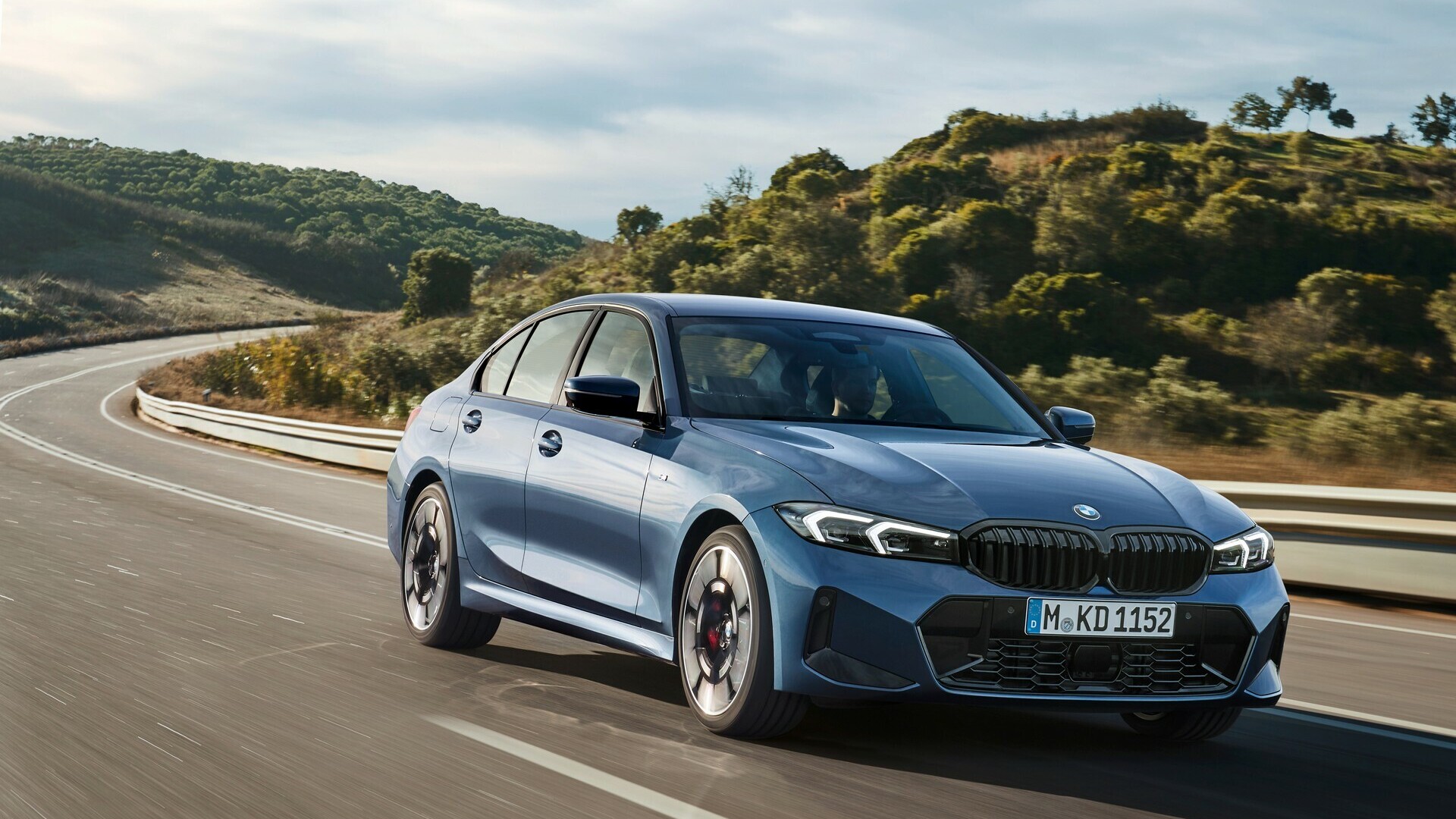
The BMW 3 Series mild hybrid is the petrol saloon most UK buyers now end up choosing, because the 2024 facelift quietly deleted the diesels and left the 48V-assisted 320i and M340i xDrive to carry the range. The official WLTP economy reads well on paper, but the figure you will actually see at a motorway 70 depends heavily on how you drive and which wheels you ticked. We pull apart the claimed numbers, what owners report, and whether you should buy the current car or wait for the Neue Klasse.
What real owners say (CDE data)
CDE cross-referenced Parkers’ published running-cost commentary, Honest John Real MPG owner reports and the What Car? 2026 review for the current G20 3 Series petrol range, reviewed 11 June 2026. Owner-reported real-world economy is the qualitative signal here; we have not run our own back-to-back fuel test.
- Most-praised aspects: the eight-speed automatic’s smoothness, the 320i’s relaxed motorway gait, and a real-world figure that owners say climbs into the high 40s on a gentle run.
- Most-criticised aspects: larger M Sport alloys and aggressive urban driving drag economy down well below the WLTP claim; the 48V system gives refinement rather than dramatic fuel saving.
- Reliability and economy signal: Parkers notes the four-cylinder petrol “can easily return over 40 mpg, even 50 mpg if you drive gently,” with typical mixed UK driving landing in a roughly 33 to 44 mpg band depending on conditions and wheel size.
What the 2024 facelift actually changed for UK buyers
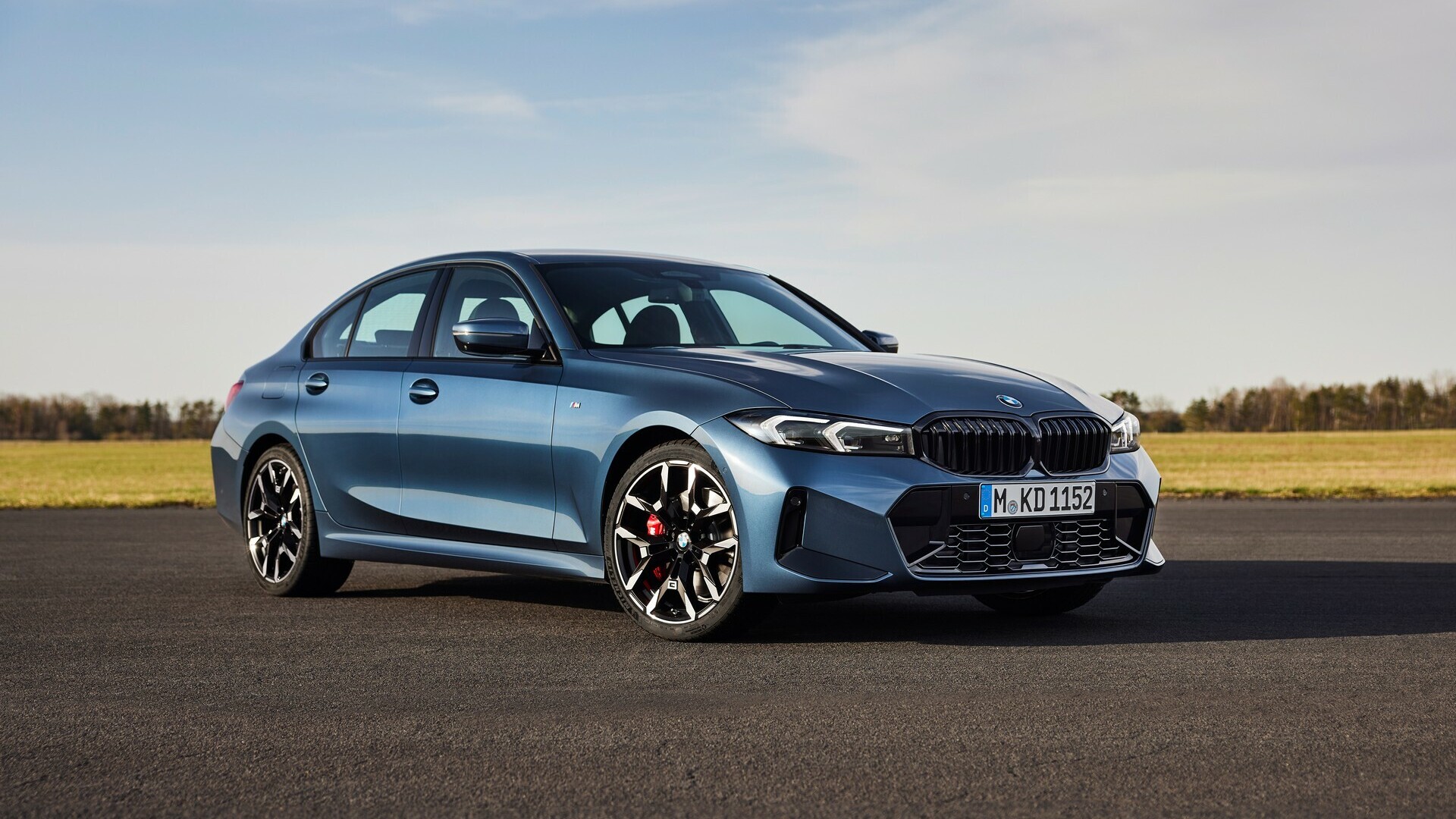
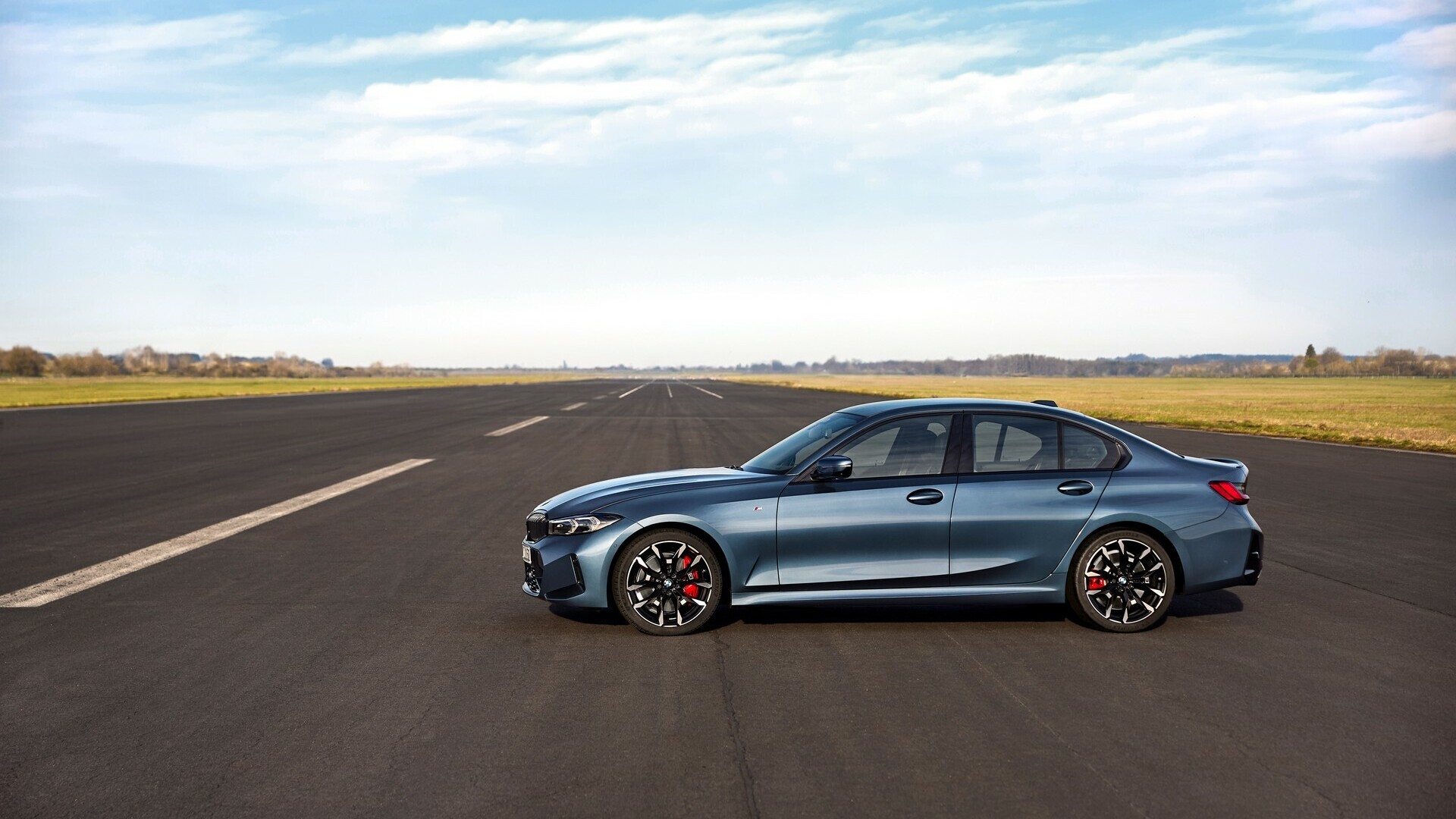
The car on sale in 2026 is the G20 “LCI II” facelift, revealed by BMW on 28 May 2024 and in UK showrooms from that summer, per BMW PressClub UK. This is not a new-for-2026 generation, and that distinction matters for your money. The most significant change for a UK buyer is not the reshaped lights or the bigger curved display; it is that BMW pruned the engine list. The diesel 320d and the 330i petrol were dropped from the UK price list, a point Autocar’s specs pages confirm. For a saloon that built its UK reputation on the frugal 320d company-car staple, that is a real shift in who the car suits and how much it costs to run.
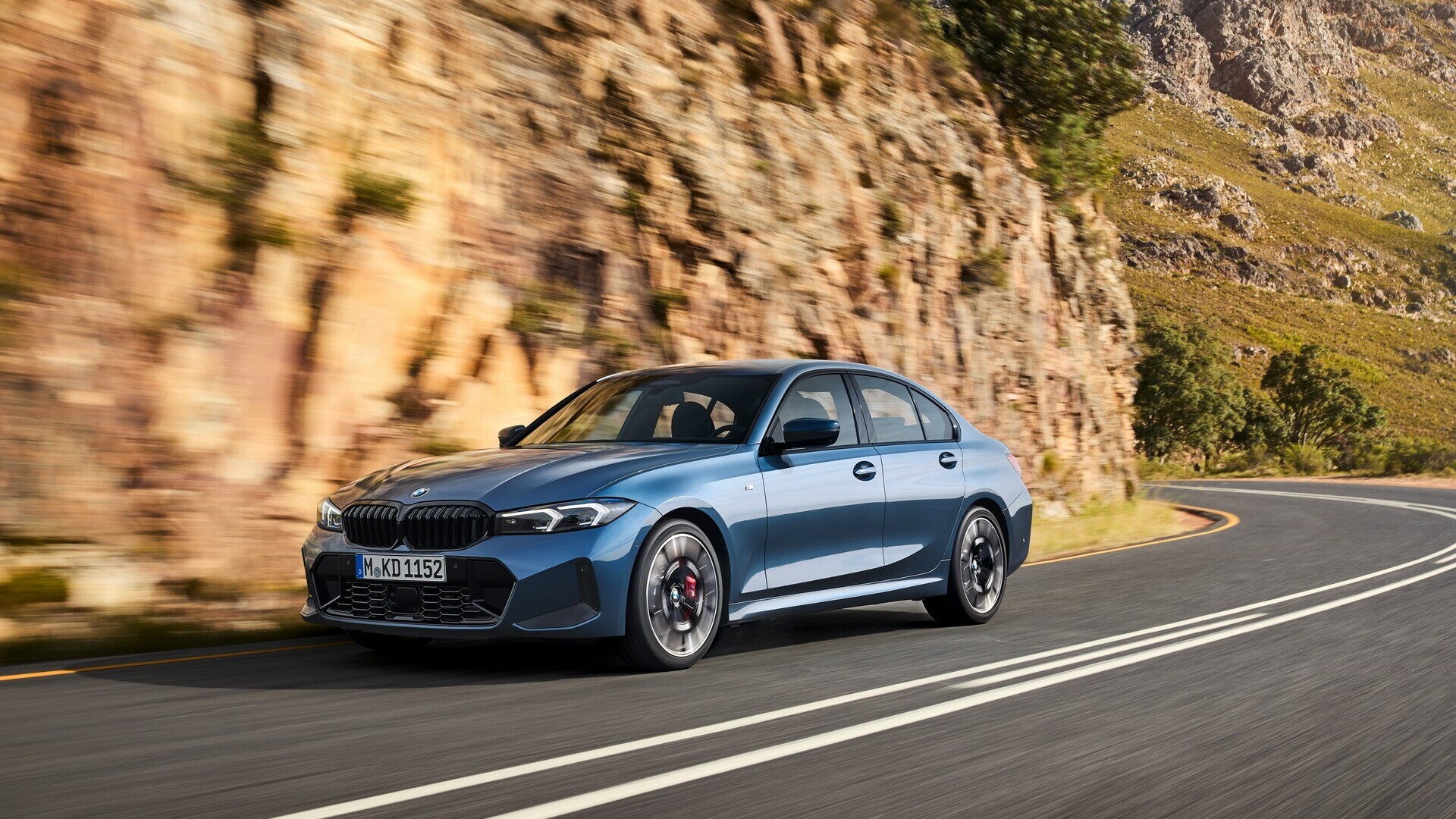
The petrol line-up: 320i and M340i, both running 48V assist
With the diesels gone, the UK petrol choice is simple: the 320i for the volume buyer, the M340i xDrive for the performance buyer, plus the 330e plug-in hybrid as a separate, charge-it-yourself option. Both petrol cars carry a 48V mild-hybrid system, which is the technically correct term for what BMW fits here. The 320i pairs a 2.0-litre turbo four with the 48V starter-generator; the M340i xDrive uses BMW’s 3.0-litre straight-six with the same 48V assist. The mild-hybrid hardware allows brief engine-off coasting, mild torque fill and smoother stop-start, but it cannot drive the car on electricity alone. Anyone selling you a “self-charging hybrid” 3 Series is using the wrong label.
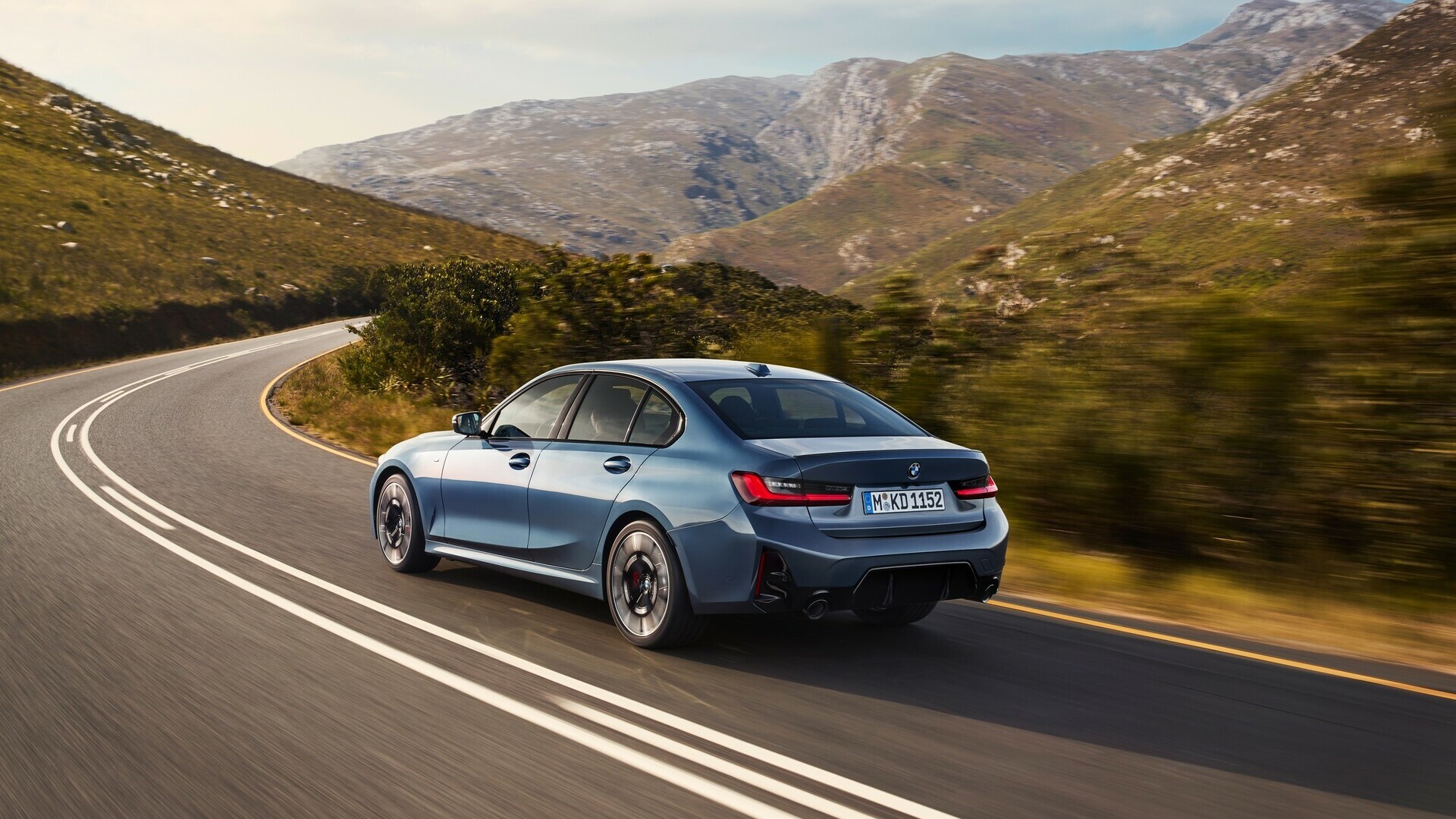
BMW 3 Series mild hybrid: WLTP claims versus the real-world 320i figure
Here is the gap that catches buyers out. BMW UK quotes the 320i at roughly 41.5 to 42.8 mpg WLTP combined for the Sport saloon, and Parkers lists up to 43.5 mpg for some currently available versions. Those are laboratory figures generated in controlled conditions. On a steady UK motorway run at an indicated 70 mph, a four-cylinder petrol turbo of this size works harder than a diesel did, and your trip computer will usually read below the headline. Parkers’ own commentary is the honest anchor: over 40 mpg is achievable, even 50 mpg if you drive gently, but a real mixed week often sits in the 33 to 44 mpg band, with big M Sport wheels and town running pulling you toward the lower end. The mild-hybrid system trims the worst of urban consumption and adds polish, yet it does not transform a petrol four into a diesel on fuel cost.
| Engine | WLTP combined (claimed) | Real-world guidance |
|---|---|---|
| 320i 2.0 petrol, 48V mild hybrid | ~41.5 to 43.5 mpg | Over 40 mpg gentle; typical mixed 33 to 44 mpg (Parkers) |
| M340i xDrive 3.0 petrol, 48V mild hybrid | ~36.2 mpg | High 20s to low 30s in normal use |
| 330e plug-in hybrid | 200 mpg-plus (charge-dependent) | Only if you charge; petrol-like once depleted |
M340i xDrive: the straight-six and its honest economy
The M340i xDrive is the enthusiast’s pick and the one where the mild-hybrid badge does the least for your fuel bill. Its 3.0-litre straight-six is quoted at around 36.2 mpg WLTP by Parkers, and in normal driving you should plan for high-20s to low-30s mpg, dropping sharply if you use the performance. That is the deal with a quick, all-wheel-drive six-cylinder saloon, and the 48V system softens the edges rather than rewriting the running cost. If outright economy is your priority, the M340i is the wrong car in the range; if you want a fast saloon that still returns sensible numbers on a cruise, it earns its place. Buyers weighing the six-cylinder route should also read our BMW X6 M60i running costs and depreciation piece, because the same V8-versus-six fuel maths applies once power climbs.
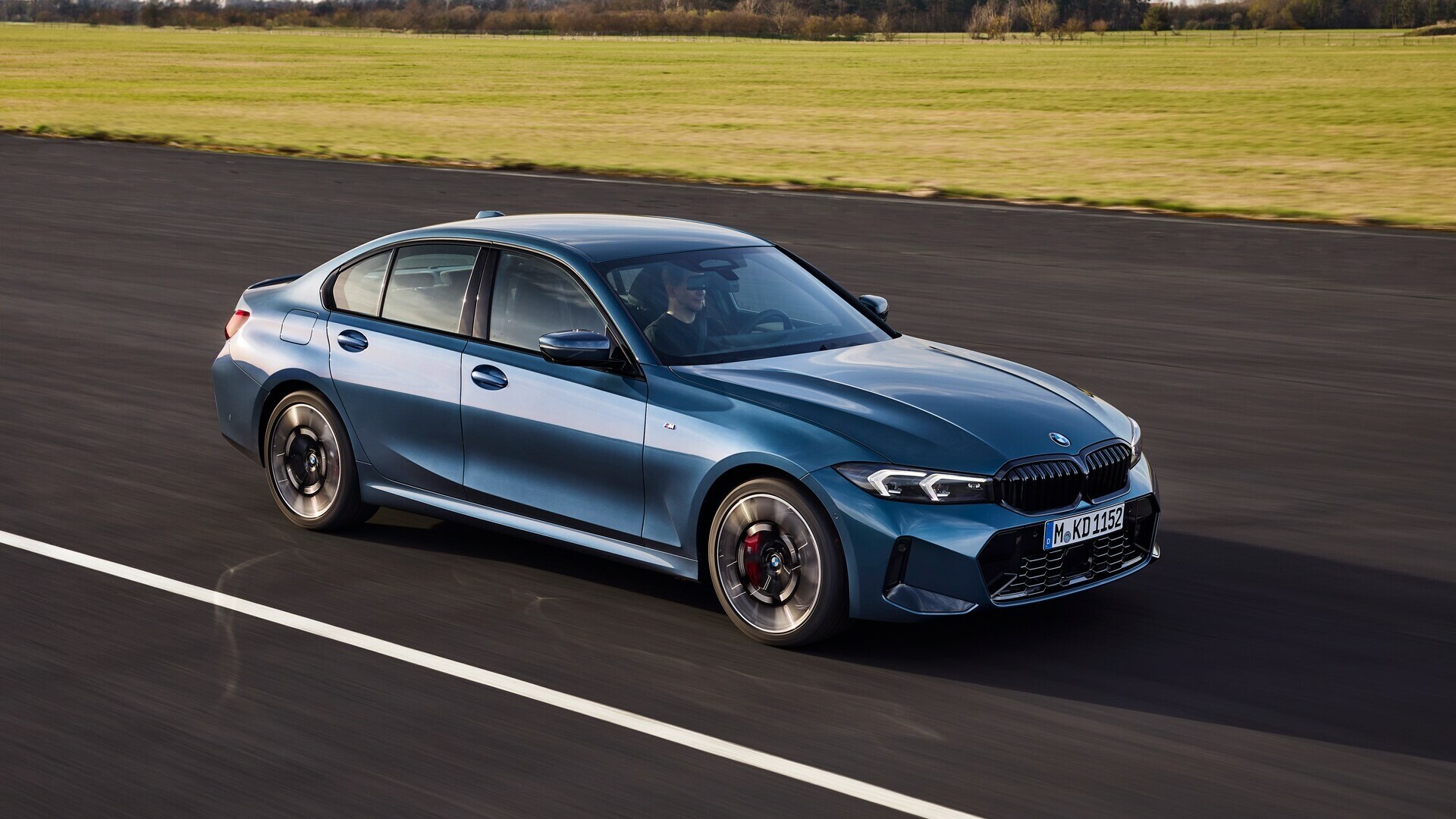
The 330e PHEV trap: brilliant on paper, conditional in practice
The 330e is the plug-in hybrid, and it is a different animal from the mild-hybrid petrols. Its triple-figure WLTP mpg is real in the test, but it is entirely conditional on you plugging in. Run the 330e on a full battery for short commutes and the displayed economy is extraordinary. Let the battery deplete and drive it as a heavy petrol saloon, and you will see petrol-like figures, sometimes worse than a 320i because you are hauling the battery’s weight. The PHEV makes sense for a driveway-charging buyer with a predictable commute, and far less sense for a high-mileage motorway user. If you are comparing the two routes, our explainer on a used premium PHEV versus EV sets out exactly when the plug-in maths works and when it does not.
What it costs and how to read the running-cost picture
Current UK pricing puts the 320i Sport from around £41,945 RRP and the 320i M Sport from about £43,195, with the M340i xDrive from roughly £62,475 (Carwow listings, 2026). For context, the facelift launched from about £37,805 OTR in summer 2024, so the entry point has crept up since. On day-to-day running cost, the loss of the diesel matters most to high-mileage drivers: a 320d would once have delivered close to 60 mpg on a motorway slog, and the petrol 320i simply cannot match that. For business users the picture also changed, because petrol cars sit in much higher company-car tax bands than an EV. If a tax-efficient company car is your real goal, the maths in our company car tax 2026/27 BiK guide shows why an electric model on the 4% band undercuts any petrol 3 Series on benefit-in-kind, and our BMW i4 salary sacrifice breakdown is the closest electric sibling to compare.
Buy the current G20 now, or wait for the Neue Klasse?
This is the question that should shape your decision. BMW’s next-generation 3 Series will move to the Neue Klasse architecture, the same family underpinning the new electric models, but it is not on sale yet. That leaves 2026 buyers choosing the current car in run-out form. There is an upside to that: a model late in its life is well-sorted and usually attracts the strongest discounts and finance support, and our BMW 3 Series G20 used buyer’s guide covers the engines and faults to watch if you would rather buy nearly-new. The downside is depreciation risk: when the Neue Klasse car arrives, the outgoing G20 will look dated overnight, and used values can soften quickly. If you keep cars for six years or more, the run-out discount usually wins. If you change every three, factor a steeper residual drop into your sums, much as our premium depreciation analysis shows for cars caught at the end of a generation.
Our take on the BMW 3 Series mild hybrid in 2026
Our view on the BMW 3 Series mild hybrid is straightforward: it is still one of the best-driving saloons you can buy, but the deletion of the 320d changes the running-cost story and you should buy with eyes open. The 320i is the sensible choice for a private buyer who values refinement and is willing to accept real-world figures in the 33 to 44 mpg band rather than diesel economy. The M340i is the one to want if pace matters more than pence-per-mile. The 330e only pays if you genuinely charge it. We would not chase the mild-hybrid badge expecting a fuel revolution, because the 48V system is about smoothness, not savings. If your priority is the lowest tax-and-fuel bill, an electric alternative or the run-out discount on this car are the levers that actually move the numbers. As a driver’s car at a sensible private price, the 320i still earns a place on the shortlist.
Checks before you sign for a 3 Series
- Confirm the exact WLTP figure for the specific trim and wheel size on the BMW UK configurator; larger M Sport alloys lower the official and real-world economy.
- Cross-check owner-reported economy for your engine on Honest John Real MPG before you assume the headline figure.
- Run any used or pre-registered car’s history and recall status on gov.uk vehicle recall checker and verify the MOT record.
- If buying on finance, read the FCA’s consumer guidance and check the dealer is authorised on the FCA register before committing to a representative APR.
- For a company car, model the benefit-in-kind on gov.uk against an EV alternative before you decide a petrol 3 Series is the cheapest route.
- Ask the dealer directly whether a Neue Klasse run-out discount or finance contribution applies; late-generation cars usually carry the best support.
Is the BMW 3 Series a mild hybrid?
What real-world MPG does the 320i return?
Why is there no diesel 3 Series anymore?
Should I buy the current 3 Series or wait for the Neue Klasse?
How much does the BMW 3 Series cost in 2026?
Buyer action
Where to check next
Use this as the final check before paying a deposit, signing finance paperwork or relying on a headline monthly figure.