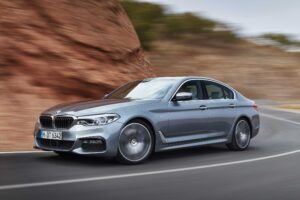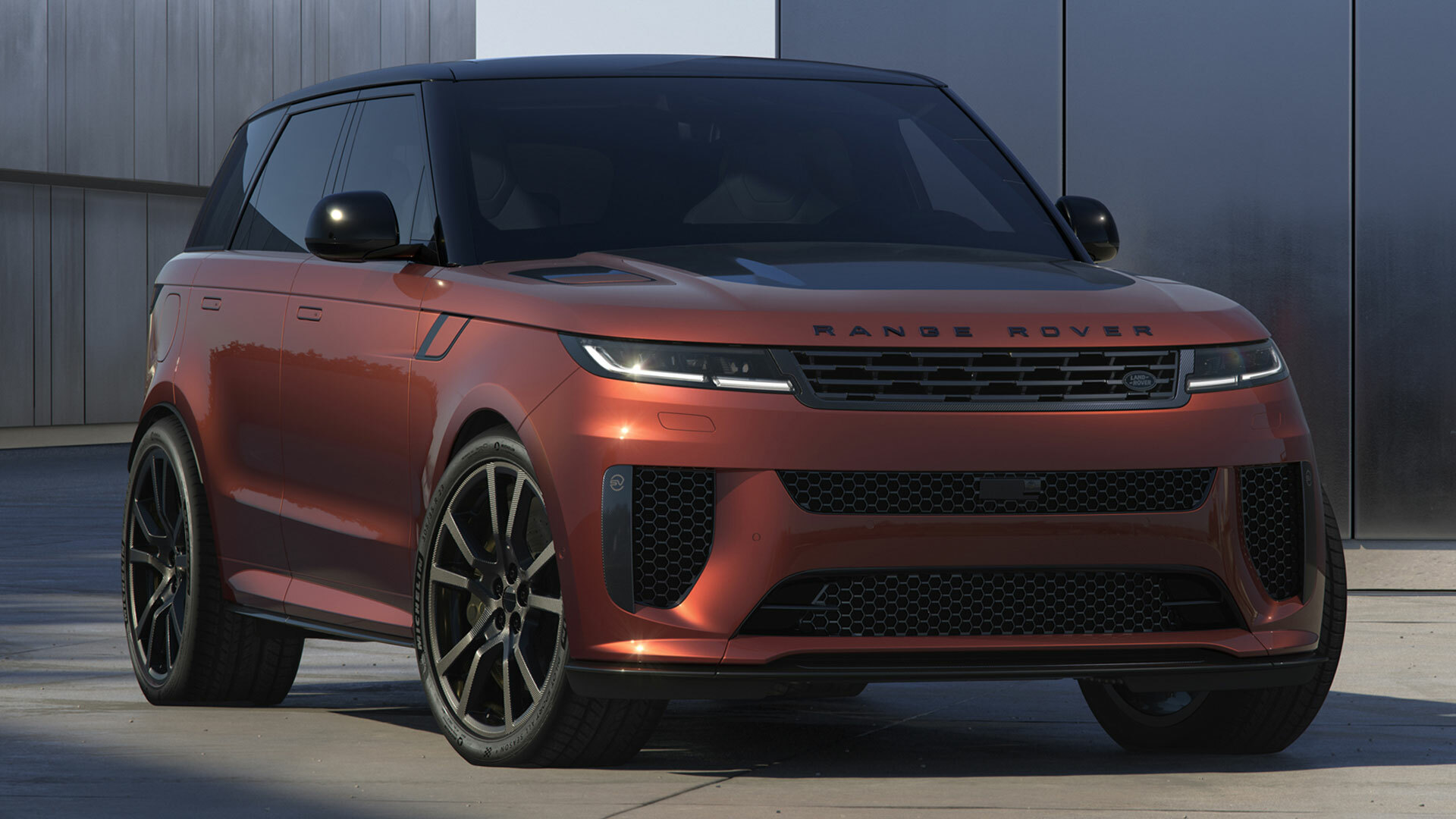
Premium performance car tyre costs are the running expense most buyers underestimate, and on a 600bhp estate or a 21-inch SUV they can swallow more than a year of servicing. A single corner on a fast Audi, BMW M or Porsche routinely lands between £280 and £380 fitted, and a staggered or run-flat setup pushes the four-corner bill past £1,200. Here is what you actually pay in 2026, why the figure is so high, and where a UK owner can shave it without compromising grip or your MOT.
What real owners say (CDE data)
- Most-praised aspects: the grip and braking gap between a premium and a budget tyre is real and felt in the wet; owners who fit the manufacturer-approved compound report sharper turn-in and quieter motorway running.
- Most-criticised aspects: the per-corner price, short wear life on heavy or high-torque cars, and the harsh ride and weak puncture options that come with run-flats.
- Cost signal: premium fitments for 285/35 R21 sit around £300 to £377 a corner at Black Circles in June 2026, with run-flat versions carrying a clear premium over standard.
Why performance car tyre costs run so high
Performance car tyre costs are driven by three things a normal hatchback never asks of a tyre: size, speed rating and compound. A fast Audi, BMW or Porsche wears 20 to 22-inch wheels with wide, low-profile rubber, often a soft summer compound rated to 300km/h. That combination is expensive to make and sells in low volumes, so the unit price climbs. As Tyre Reviews independent testing repeatedly shows, the wet braking and aquaplaning gap between a premium and a budget tyre is large on a powerful car, so the cheap option on a 500bhp saloon is a false economy. You pay for the engineering that keeps the car planted, not a badge.
Real GBP price per corner for common premium cars
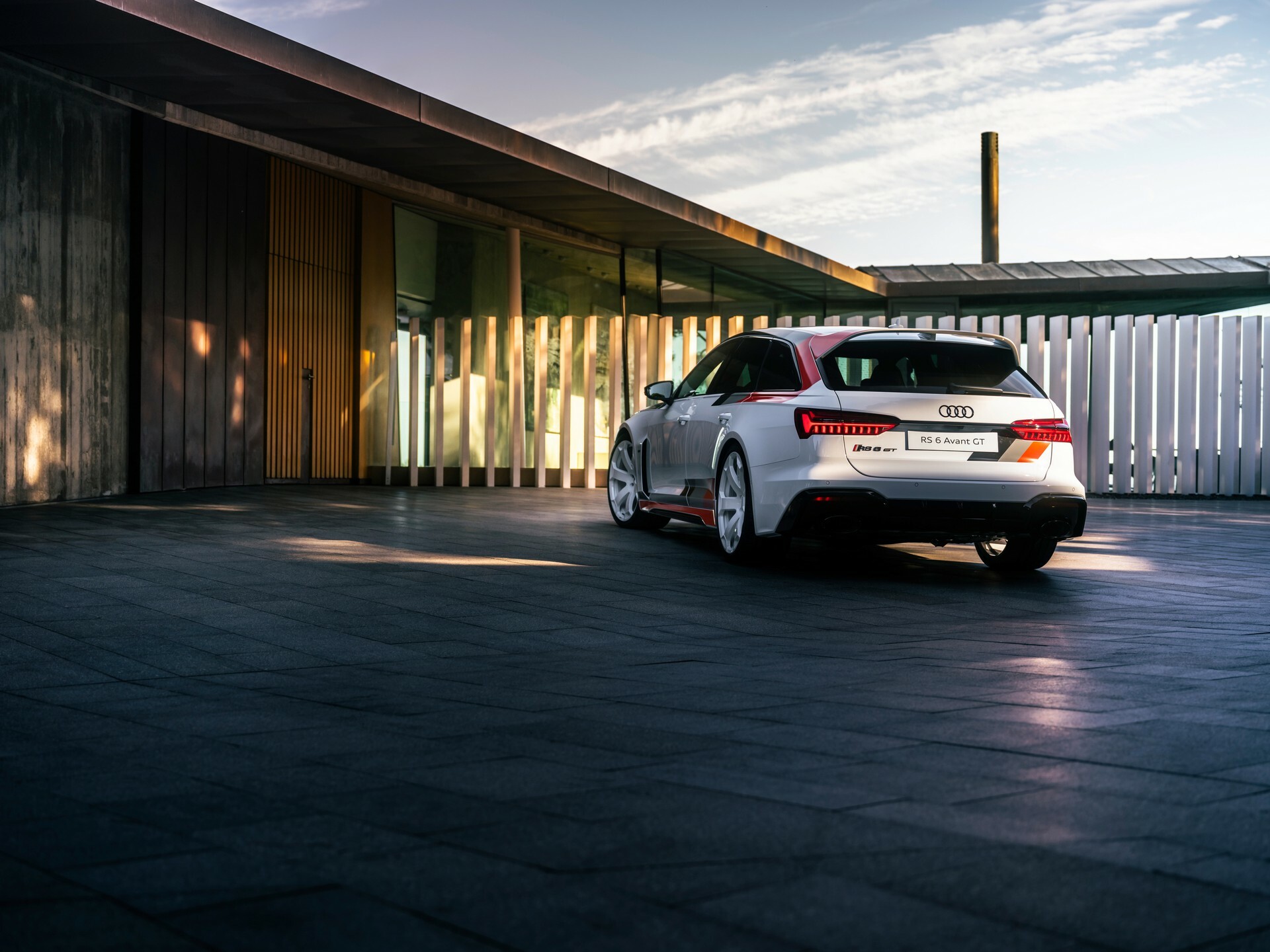
The numbers below are fully-fitted prices (delivery, fitting, balancing, valve and disposal) from Black Circles for the wheel sizes these cars typically wear, checked June 2026. An Audi RS6 or BMW M5 on 21-inch rims, a Porsche Cayenne on 21s and a 911 on staggered 20s all land in the same broad band: budget rubber from around £107 to £125 a corner, premium performance compounds from roughly £275 to £380. Multiply by four (or by a staggered front-and-rear mix) and the single-visit bill for premium tyres on a fast car runs £1,100 to £1,500. A Range Rover Sport SV on 23-inch wheels sits higher again because the fitment is rarer.
| Typical car / size | Budget per corner | Premium per corner | Approx. premium set of 4 |
|---|---|---|---|
| Audi RS6 / BMW M5 (285/35 R21) | Accelera Iota £125.00 | Pirelli P Zero £300.99; Continental SportContact 7 £315.29; Michelin Pilot Super Sport £359.99 | £1,200 to £1,440 |
| Porsche Cayenne (295/35 R21) | Westlake £107.40 | Michelin Pilot Sport 4 SUV £274.99; Pirelli P Zero £279.99 | £1,100 to £1,120 |
| Porsche 911 rear (305/30 R20) | Yokohama Advan Sport £219.99 | Pirelli P Zero N0/N1 £370.99 to £379.99; Michelin Pilot Sport 4 S £374.99 | £1,480 to £1,520 (plus narrower fronts) |
| Run-flat premium (285/35 R21 RFT) | n/a | Pirelli P Zero run-flat £376.99 | £1,508 |
Staggered setups: why you cannot just rotate
Most rear-driven and many four-wheel-drive performance cars run a staggered setup: narrower tyres on the front axle, wider on the rear. A Porsche 911 is the obvious example, but plenty of M, RS and AMG cars do the same. The catch for your wallet is that you cannot rotate front-to-rear to even out wear, because the sizes do not match. The driven axle, usually the rear, chews through rubber faster, so you often replace rears in pairs twice as often as fronts. Budget for that asymmetry, the way you would with the hidden costs of a salary sacrifice EV, where tyres and charging quietly reshape the monthly maths.
Run-flats (RFT): the comfort and cost trade-off
Run-flat tyres (RFT) let you drive on for a limited distance after a puncture, which is why many BMW and some Mini and Mercedes models leave the factory on them with no spare wheel. The trade-off is twofold. The reinforced sidewall makes the ride firmer and the cabin noisier, a recurring complaint on owner forums; and they cost more. At Black Circles a Pirelli P Zero run-flat in 285/35 R21 is £376.99 a corner against £300.99 for the standard P Zero, roughly £300 more across the car. You can switch a run-flat car to conventional tyres to save money and improve the ride, but only if you carry a tyre repair kit or accept the risk of no get-you-home capability, weighed against the cost of a callout if you do not hold specialist breakdown cover for a premium used car.
Manufacturer-approved markings: N0, star, MO, AO and RO1
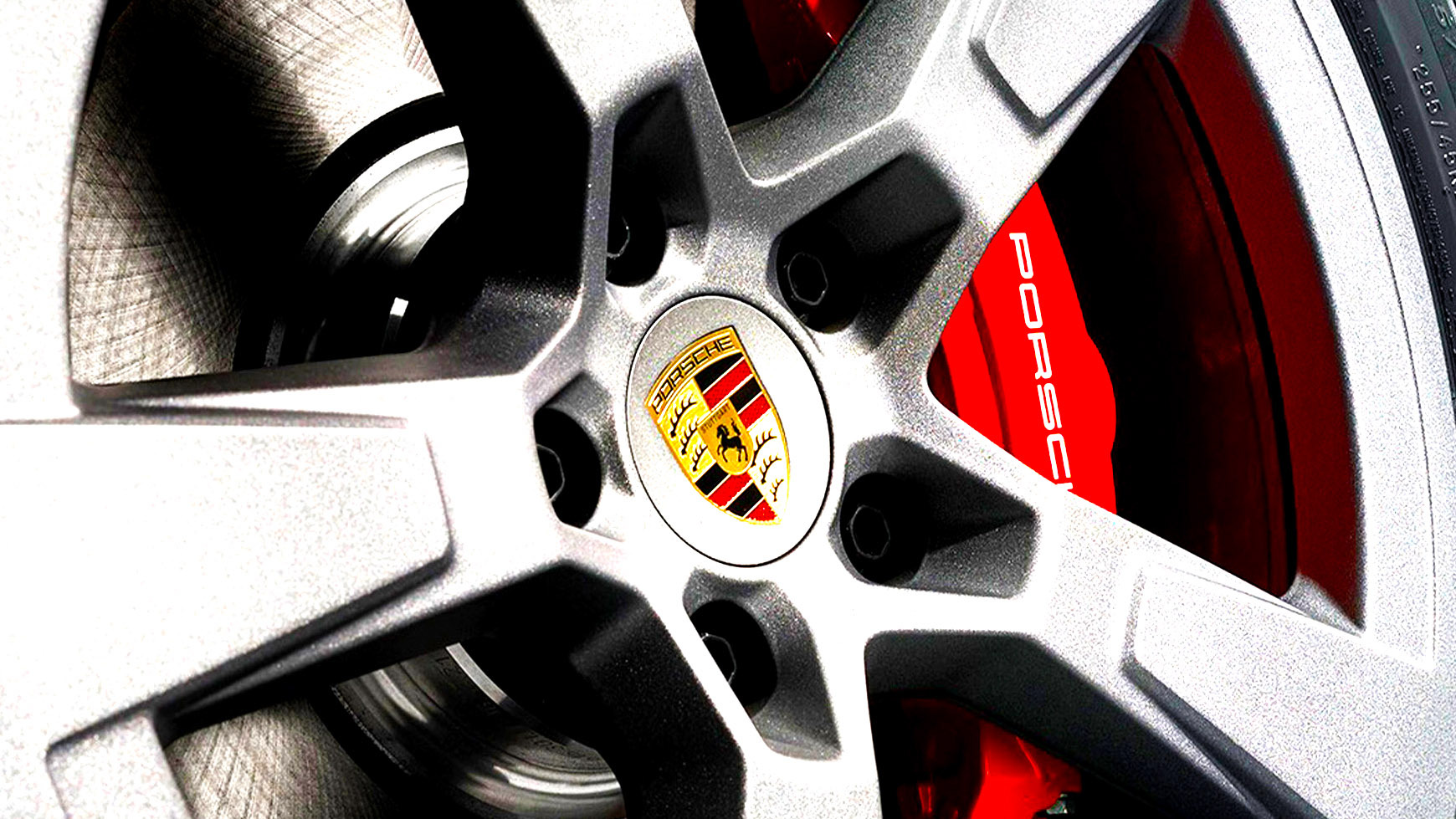
Premium manufacturers homologate specific tyres for specific cars and stamp them with a code: N0/N1/N2 for Porsche, a star (★) for BMW, MO (and MO1 for AMG) for Mercedes, AO for Audi, and RO1 for Audi Sport quattro models. These compounds are tuned to that car’s weight, power and chassis. You are not legally required to fit the approved marking, and a quality premium tyre in the correct size and load/speed rating is road and MOT legal. But for a 911, a Cayenne or an RS Audi the approved tyre is usually the one the chassis was developed around, and some main dealers treat a non-approved fitment as a black mark on a fastidious history. The Black Circles 305/30 R20 listing prices the Porsche N0 and N1 P Zero variants separately at £370.99 to £379.99, so the approved option is there if you want it.
EV tyre wear: heavier cars, instant torque, faster wear
Premium EVs are the worst case for tyre cost. A Porsche Taycan, a BMW iX or an electric Range Rover carries several hundred kilograms of battery, and instant torque from a standstill loads the contact patch hard every time you pull away. The result is faster wear, often on tyres that already cost more because they are EV-specific (lower rolling resistance, reinforced for the weight, sometimes foam-lined for noise). Owners moving from a petrol SUV to its electric equivalent frequently report needing rears a third sooner. Treat tyres as a live line item, alongside the way battery and weight push up premium EV insurance quotes. The cost-of-ownership gap between EV and petrol is narrower than the BiK headline suggests once rubber is in the sum.
Wear life and the 1.6mm MOT tread minimum
How long a set lasts depends on the car, the compound and your right foot, but a soft summer performance tyre on a powerful car can be worn out in 8,000 to 15,000 miles, far short of the 20,000-plus a touring tyre on a family car might manage. The legal floor is fixed: the Highway Code Annex 6 and the MOT inspection manual require at least 1.6mm of tread across the central three-quarters of the tyre, around the entire circumference. Drive on less and you risk a £2,500 fine and three penalty points per tyre, and an automatic MOT failure. Most tyre engineers advise replacing well before that, around 3mm in winter and 2mm in summer, because wet braking falls off a cliff below 3mm. On a fast car, that safety margin matters more, not less.
According to the DVSA MOT inspection manual, section 5, a tyre is also a fail if it is unsuitable for use with another fitted to the same axle (different sizes or structures), which is the technical reason you must replace staggered tyres in matched pairs rather than mixing a budget and a premium across one axle.
Where to price up tyres in the UK
For a fast premium car, compare the fully-fitted total, not the headline tyre price, because fitting a low-profile 21 or 22-inch tyre takes care and the cheaper fitter is not always cheaper once balancing and TPMS valves are added. A few options worth checking before you commit:
- Black Circles: book online by size, see fully-fitted prices including balancing and disposal, then fit at a local partner garage. Good for filtering by the N0, star or MO marking.
- Kwik Fit and ATS Euromaster: national chains with mobile fitting on many sizes; useful when you need a fast turnaround or a roadside replacement.
- Your manufacturer dealer or specialist: the most expensive route, but the safest for keeping a fastidious 911, Cayenne or RS history clean with the approved marking.
- Independent performance tyre specialists: often the best blend of price and expertise on staggered and run-flat fitments.
- Check tread before each long trip at the gov.uk 1.6mm standard, and declare any non-standard wheel or tyre to your insurer so a claim is not later refused.
Insurance, value and declaring non-standard tyres
Two money points often get missed. First, fitting non-standard wheels or tyres (a bigger rim, a different size, or stretched rubber) is a modification you should declare; an undeclared change can void a claim, a catastrophic saving to have skipped on a car this expensive. Premium-car insurers already price these models carefully, as our look at why Range Rover insurance costs so much sets out. Second, when you sell, the right tyres protect value: a buyer of a used Porsche 911 or Porsche Cayenne will mark down a car on four mismatched budget tyres, and a matched approved-marking set is a quiet trust signal. The same applies to a used Range Rover Sport. Big repair and wear bills are exactly the kind of premium running cost we track across the repairs section.
This article is general consumer guidance, not financial, legal or insurance advice. Tyre prices, tax rules and insurance terms change; check current figures with the retailer, gov.uk and your own insurer before you act on them.
Our take on premium car tyre costs
Our view on premium car tyre costs: budget for them honestly before you buy, because four corners of approved performance rubber on a fast Audi, BMW M, Porsche or electric Range Rover is a £1,100 to £1,500 event that recurs faster than on any ordinary car. We would always fit a quality premium tyre on a powerful car, the wet-braking gap is too important to gamble on, but we would not assume you must pay the main-dealer counter price for the approved marking. Use Black Circles or a good independent to find the N0, star or MO tyre at a fair fitted total. We would keep a run-flat car on run-flats only if you value the no-spare safety net more than ride comfort; otherwise switch and carry a repair kit. Whatever you fit, declare non-standard sizes to your insurer and keep a matched, correctly-rated set on the car. The cheapest mistake here is the budget tyre that costs you a claim, an MOT or a chunk of resale value.
How much do premium performance car tyres cost in the UK?
Do I have to fit the manufacturer-approved marking (N0, star, MO, AO)?
Why can’t I rotate the tyres on my performance car?
Are run-flat tyres more expensive, and can I switch to normal tyres?
How long do performance tyres last?
Why do EVs go through tyres so quickly?
Should I tell my insurer about non-standard tyres?
Buyer action
Where to check next
Use this as the final check before paying a deposit, signing finance paperwork or relying on a headline monthly figure.