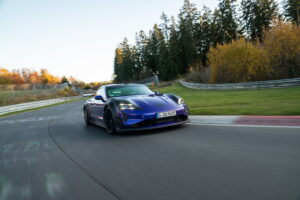
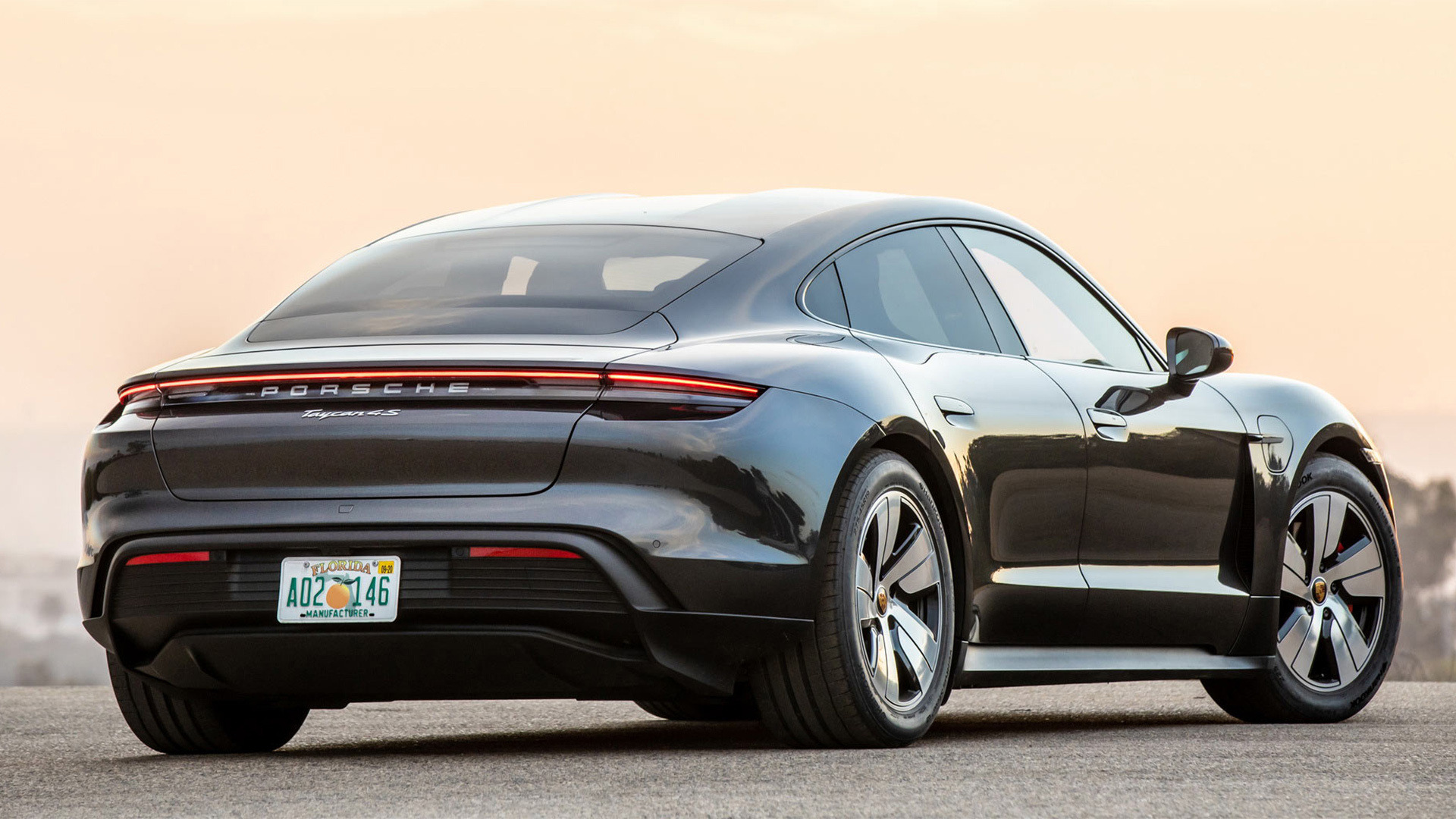
A used Porsche Taycan has gone from an £80,000 launch-price dream to roughly £35,000 reality in under four years, and that single fact is reshaping the premium used-EV market. Clean 2021 and 2022 cars now trade in the high £30,000s, less than half what their first owners paid. The value is real, but so are the caveats: a pre-facelift range deficit, a battery-module recall on a specific batch, and the question of whether Porsche Approved cover is intact. Here is how we would buy one, and how we would walk away.
What real owners say (CDE data)
CDE reviewed Auto Trader’s live used Taycan inventory, around 800 cars listed across the UK in June 2026, against the OneEV and Auto Trader used-EV price indices and owner threads on PistonHeads and the UK Taycan owner forums.
- Most-praised aspects: the way it drives (owners rate the chassis and brakes above any rival EV), build quality, and real-world refinement.
- Most-criticised aspects: pre-facelift real-world range falling short of the WLTP figure in cold weather, firmware niggles on early cars, and tyre and service costs.
- Reliability signal: one open DVSA recall (reference ARB6, November 2024) covering a small, specific batch of first-generation cars for a battery-module fault; the high-voltage battery itself carries an 8-year, 100,000-mile Porsche warranty.
Why used Porsche Taycan prices have fallen so far
The collapse is not a Taycan scandal, it is the used-EV market correcting around it. Average used electric car prices in the UK fell to roughly £20,000 to £24,000 in 2026, down sharply from the 2022 to 2023 peak, and luxury EVs have been among the hardest hit because they had the furthest to fall. A car that listed at more than £80,000 new simply has more depreciation runway than a £35,000 hatchback. Layer on the 2024 facelift, which made every pre-facelift car look dated overnight on range and charging, and you get the steep curve buyers are seeing now.
That is bad news for the original owners and good news for you. The same dynamic is playing out across the premium segment, and our analysis of which premium EVs hold value and which crater puts the early Taycan firmly in the second camp. The flip side is that depreciation this steep is mostly behind the car: a 2021 example has already shed the brutal first-three-years drop, so your own ownership cost from here is far gentler than the original keeper’s.
What £35,000 to £44,000 actually buys in 2026
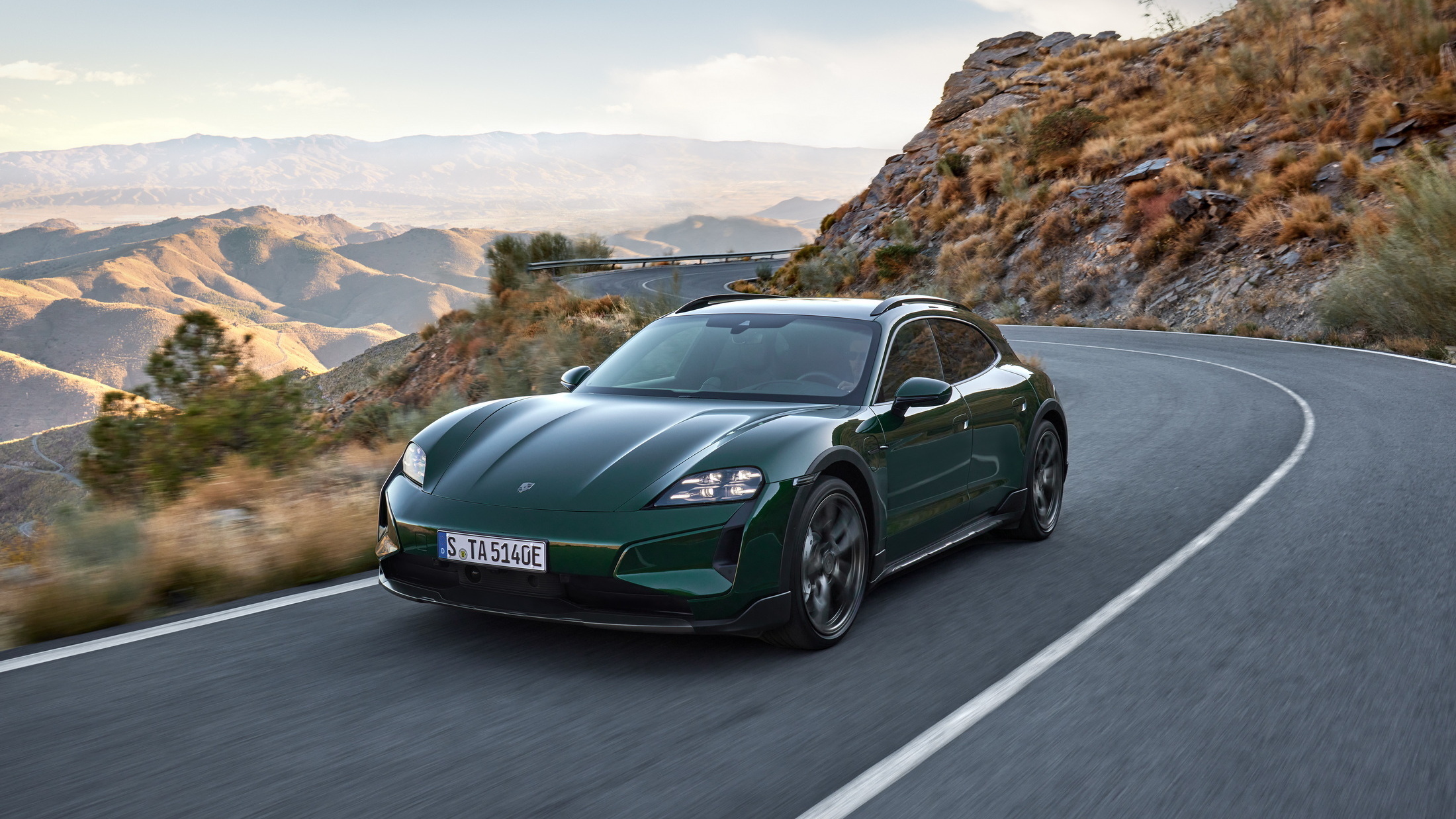
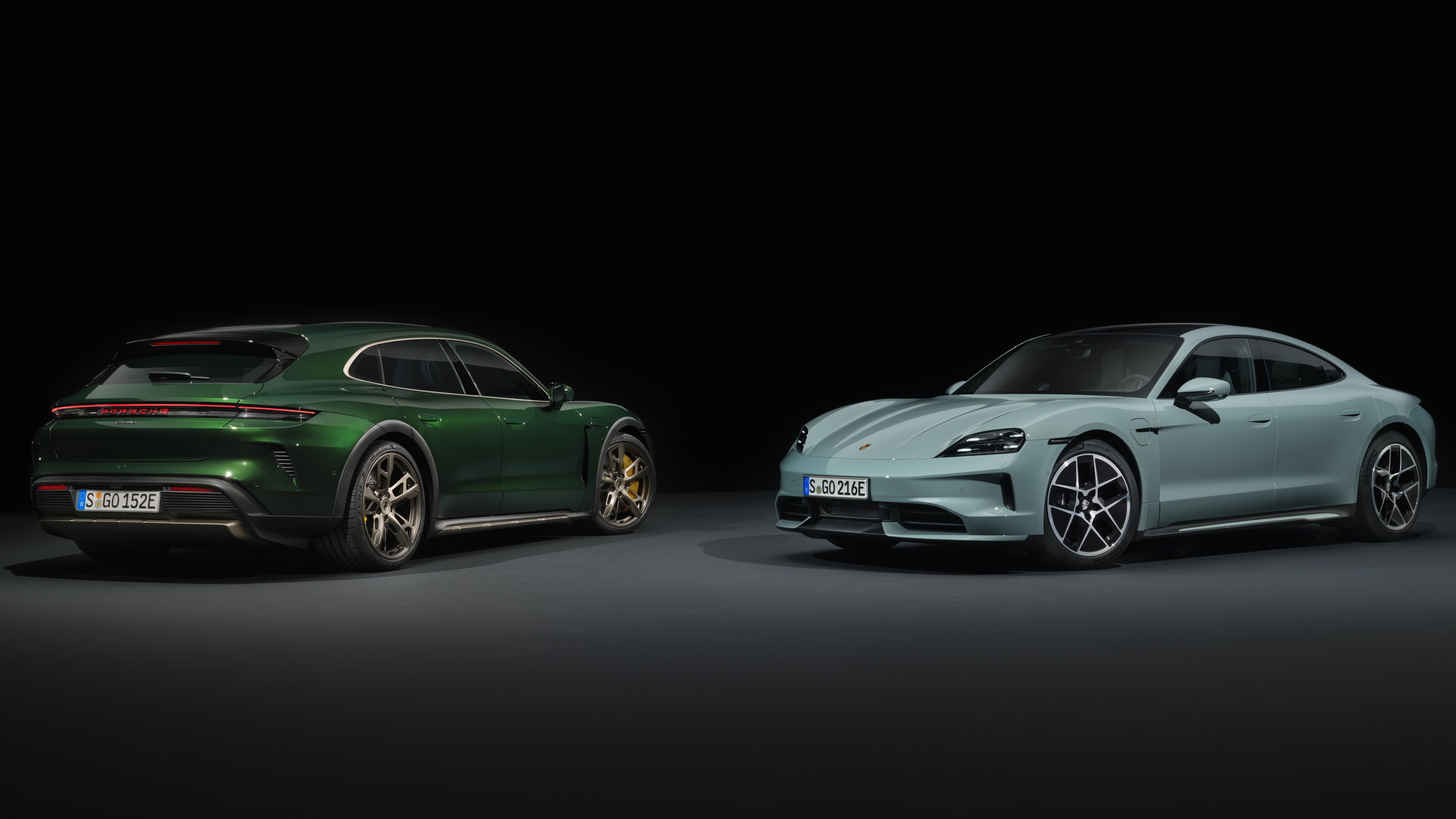
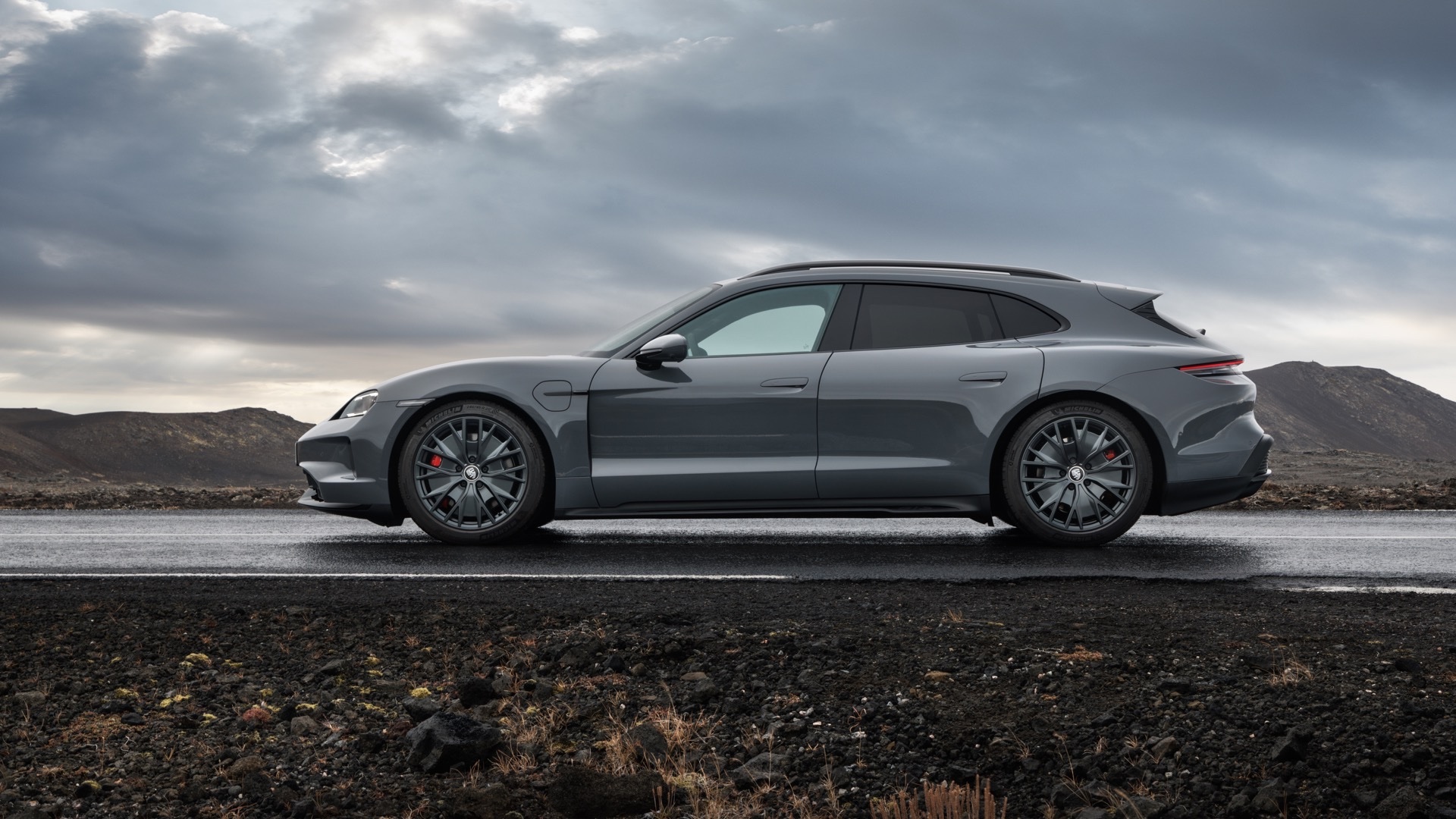
The sweet spot is a 2021 or 2022 car. In June 2026, Auto Trader listed multiple 2022 Performance Battery Plus saloons between £34,994 and £39,991, several with 30,000 to 37,000 miles, and 2021 and 2022 Cross Turismo estates from around £36,000 to £38,000. For a car that wears a Porsche crest and drives the way this one does, that is extraordinary money. A clean 4S with the larger battery is the value pick: enough range for real use, the better motor, and a price that undercuts a new mid-spec family SUV.
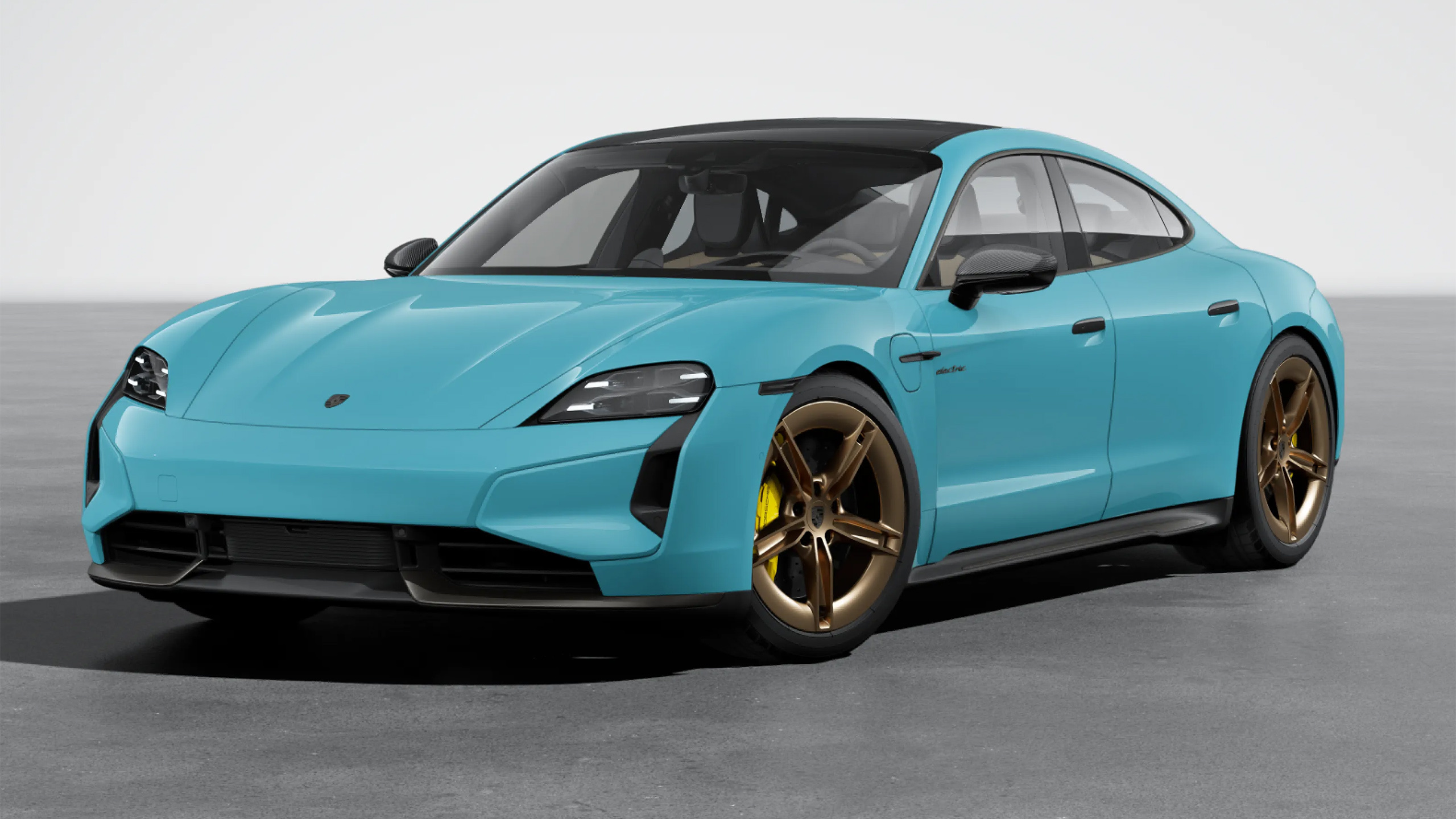
Be wary of the cheapest cars. A sub-£32,000 Taycan is usually a base, rear-drive single-motor car with the smaller battery, higher mileage, or a patchy history, and the saving rarely justifies the compromise on range and resale. We would rather pay £37,000 for a documented 4S than £30,000 for a mystery base car. If a Taycan looks like an outlier on price, assume the market knows something you do not and find out what it is before you view.
The battery recall every used Taycan buyer must check
This is the part the bargain headlines skip. A small, specific batch of first-generation Taycans (built 2019 to 2024) is covered by a DVSA recall, reference ARB6 from November 2024, after Porsche identified that a short circuit within the battery modules could not be ruled out and could, in the worst case, lead to a thermal event. Porsche UK confirmed it had advised retail partners not to sell the affected batch until an enhanced battery-monitoring software update was live, with that update arriving around mid-2025. Crucially, this is not every Taycan: it is a defined batch, and the remedy is a software flash, not a battery replacement.
What that means for you is simple. Before you put a deposit down, run the registration through the DVSA vehicle recall checker on gov.uk and ask the seller for written confirmation that any outstanding recall work, ARB6 included, has been completed. A franchised Porsche Centre will have the service record to prove it. If a private seller cannot, treat it as a price lever or a reason to look elsewhere. The same discipline applies to the high-voltage battery’s health, which matters more on a used EV than any other single factor, as we explain in our guide to what an 8-year EV battery warranty actually hides.
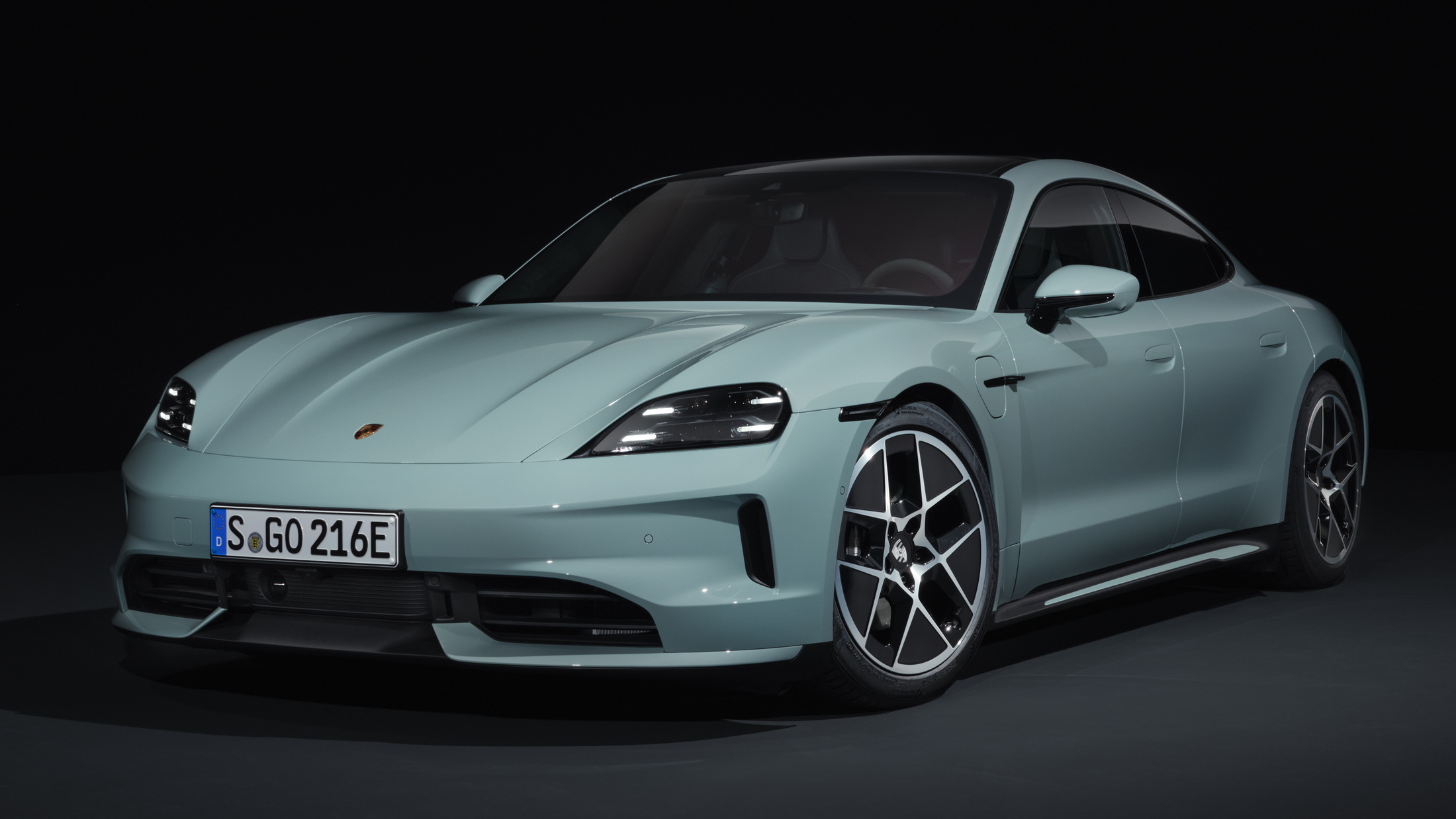
Pre-facelift versus facelift: the range and charging gap
The 2024 facelift is the reason your bargain exists, so it pays to know what you are giving up. Porsche’s updated cars delivered up to 35 percent more WLTP range (as high as 678km on the largest battery), DC charging raised from 270kW to 320kW, bigger usable batteries, and a 10 to 80 percent top-up in as little as 18 minutes, per Porsche’s own 2024 newsroom figures. A pre-facelift 4S will not match that. In the real world you are looking at a usable 200 to 230 miles rather than a headline figure, and slightly slower rapid charging on a long run.
For most buyers that gap is survivable and the saving is enormous. If you do 12,000 mostly local miles a year and charge at home, the older car’s range is a non-issue. If you regularly drive 250 miles in one hit in winter, the facelift’s charging speed is worth the premium, and you should budget accordingly rather than buy the cheapest car and resent it.
What Porsche Approved adds, and what it costs
A Porsche Approved used car is a different proposition to a supermarket EV. The scheme includes a minimum of 24 months of Porsche Warranty plus 24 months of Porsche Assistance in the advertised price, with all component repairs covered at 100 percent parts and labour, no excess to pay, no mileage limit during the warranty period, and genuine parts fitted at a Porsche Centre. Cover is renewable on eligible cars, in the GB market up to 15 years of age, per Porsche UK’s Approved Used terms. On a used EV that warranty is the headline benefit, not a nice-to-have.
You pay for it: an Approved car typically carries a premium of a few thousand pounds over an equivalent independent or private sale. Our view is that on an early, high-value EV the premium is usually worth it, because a single out-of-warranty repair to the high-voltage system, the air suspension, or the charging hardware can dwarf the saving. If you do buy privately to save money, price in an aftermarket policy and read the exclusions first; our comparison of Warranty Direct, MotorEasy and ALA cover shows how much of the drivetrain a cheap policy can quietly leave out.
Running a used Porsche Taycan: insurance, tyres and charging
The purchase price is the easy part. A Taycan sits in high insurance groups, and EV-specific premium loading is real, so price the cover before you commit, not after. Tyres are a genuine running cost: this is a heavy, fast car, and a staggered performance setup is not cheap to replace. Factor in a home charger if you do not have one, because public rapid charging at 2026 tariffs erodes the running-cost advantage quickly. None of this is a deal-breaker, but a buyer who models it honestly is a buyer who does not get a nasty surprise in year one. The same insurance-group shock catches buyers of its smaller sibling, as we found when we looked at Porsche Macan EV insurance groups.
How the Taycan compares with rival used EVs
The Taycan is not the only crashed-price premium EV. A used Audi e-tron GT, mechanically a close cousin, tells a similar story, and our look at the Audi Q4 e-tron as a two-year-old CPO bargain shows the same depreciation logic at a lower price point. If outright value retention matters more than driving thrill, a used Tesla Model Y bought ex-lease holds a far higher share of its original price (around 71 percent after three years, versus the Taycan’s much steeper fall). That is the trade: the Taycan gives you the best-driving EV on the used market for the money, but it will not retain value like a Tesla, so buy it to keep and enjoy, not to flip.
Our take
Our view on the used Porsche Taycan: yes, it is one of the genuine bargains of 2026, but only with boring paperwork behind it. The strongest buy is a 2021 or 2022 4S with the larger battery, full Porsche history, the ARB6 recall confirmed complete, and either live Porsche Approved cover or a sensible aftermarket policy. We would pay more for evidence and less for big wheels, low range or a mystery service gap. We would walk away from the cheapest base car with no history, because the saving will not cover one high-voltage repair. Buy the right one and you have a car that drives better than anything near the price and has already taken its depreciation hit. Buy the wrong one and the Porsche badge becomes the most expensive part of the deal.
Our score: 7.5/10 as a used CPO buy: outstanding value and driving, marked down for pre-facelift range, battery-health risk and the recall checks the cheap end demands.
Where to check before you buy
- Run the registration through the DVSA recall checker and get written proof that ARB6 (and any other recall) is done.
- Check the car against Porsche Approved Used stock to see what a warranty-backed equivalent costs before you commit to a private sale.
- Pull the full service history and ask for a recent high-voltage battery health report from a Porsche Centre.
- Confirm a firm insurance price on the exact registration, not a ballpark, given the high groups and EV loading.
- Use a history check (outstanding finance, write-off, mileage) and view in daylight to inspect tyres, kerbed wheels and air suspension.
- Compare live private and dealer prices on Auto Trader for the same year, battery and mileage so you know the going rate before you negotiate.
Is a used Porsche Taycan reliable?
How much does a used Porsche Taycan cost in 2026?
What is the Porsche Taycan recall about?
Should I buy a pre-facelift or facelift Taycan?
Does the used Porsche Taycan come with a warranty?
How we researched this guide
Every pick here is shortlisted from hands-on testing and time spent living with the hardware by the CDE desk, then sanity-checked against current UK pricing, manufacturer specs and real-world performance before it makes the cut. We never rank for commission — affiliate links don't change the order.
Editorial standards
More on Used EV
Buying Guides
VW Golf Mk8 approved used: is it safe to buy now?
Buying Guides