The Audi RS6 C8 used market in 2026 has matured into one of the most tempting fast-estate buys in Britain, with clean 2020 cars now landing where a new family SUV would, and the question is no longer whether to want one but which year, which suspension and which service history to chase. This guide walks a UK buyer through the 4.0 TFSI twin-turbo V8, the mild-hybrid quattro running gear, the real price bands, and the checks worth making before you hand over a deposit on a car that can cost as much to maintain as to admire.
What real owners say (CDE data)
- Most-praised: the dual character (limousine refinement at a cruise, supercar pace on demand), genuine estate practicality, and the traction of the quattro four-wheel-drive system in poor UK weather.
- Most-criticised: running costs (tyres, brakes, fuel), firm low-speed ride on the optional DRC setup, and the cost of suspension and electrical repairs once the manufacturer warranty lapses.
- Reliability signal: owners and PistonHeads’ own buying guide flag mild-hybrid 48V battery and electrical gremlins, alternator failures, and a small number of safety recalls on early cars; always run the registration through the gov.uk recall checker before purchase.
What the C8 RS6 actually is, and why it sells itself
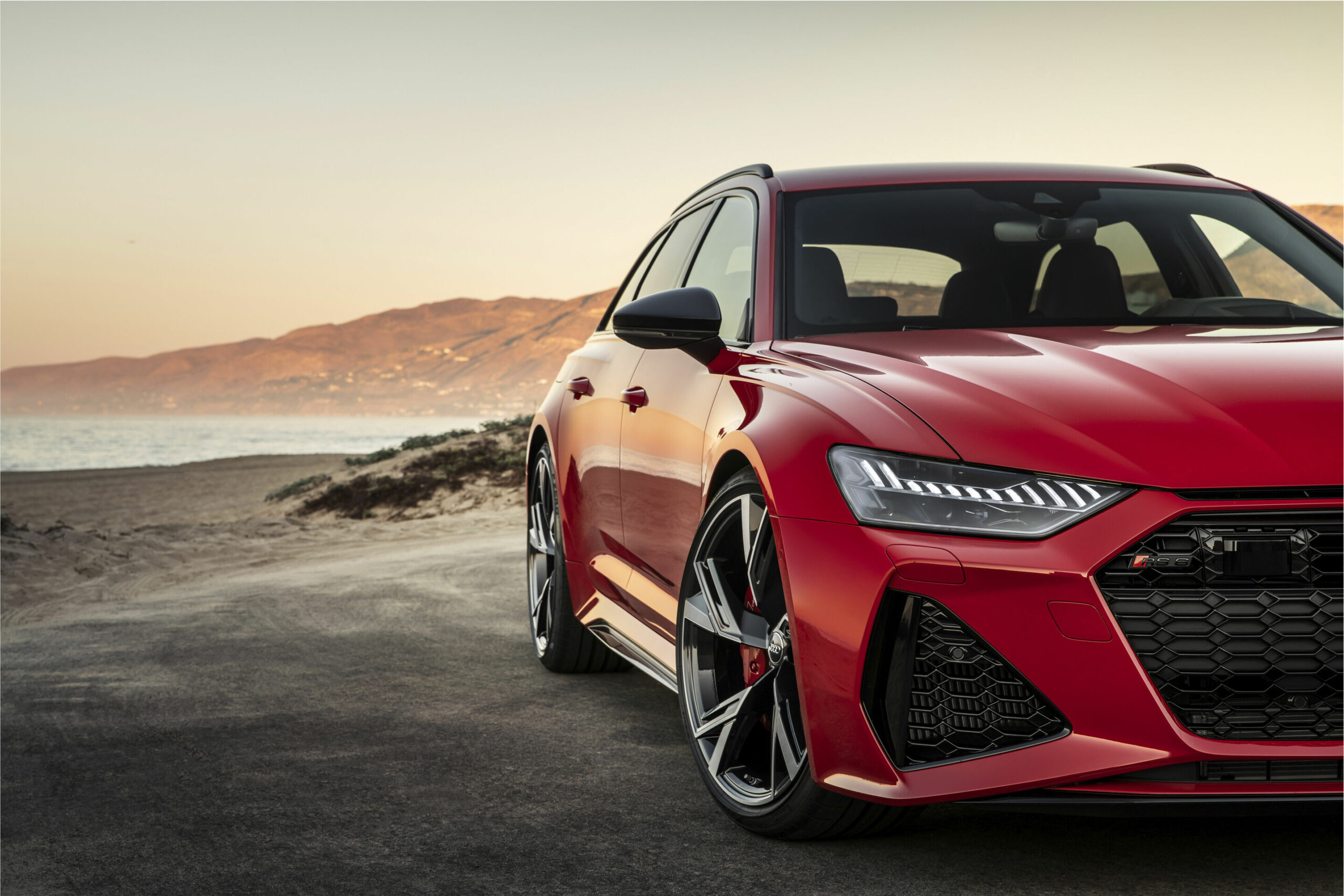
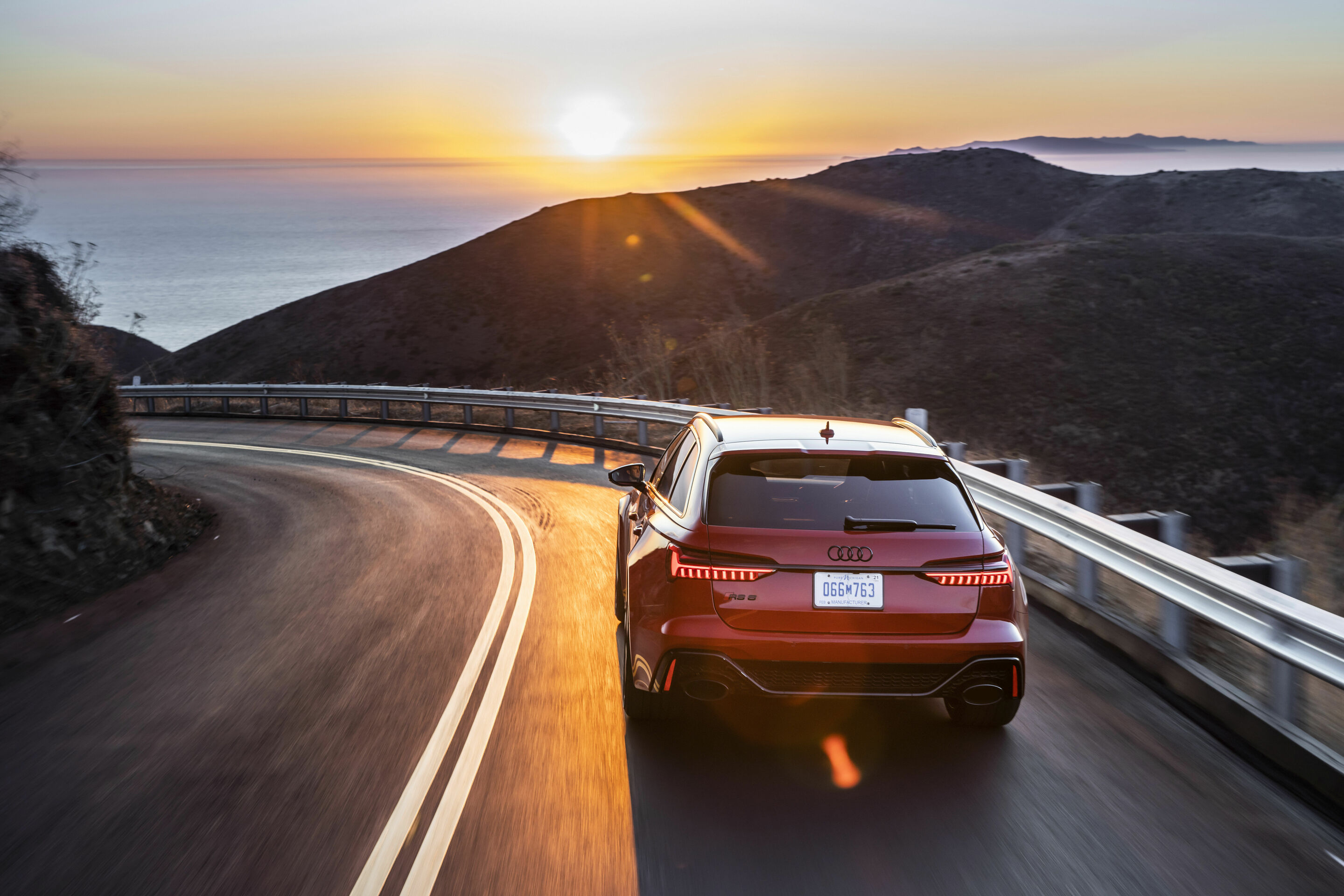
Launched in the UK in 2020, the fourth-generation RS6 Avant pairs a 4.0-litre twin-turbo V8 (the EA825 unit, badged 4.0 TFSI) with a 48-volt mild-hybrid system and permanent quattro four-wheel drive through an eight-speed tiptronic gearbox. Standard cars make 600 PS and 800 Nm; Audi quotes 0 to 100 km/h (62 mph) in 3.6 seconds, with the top speed governed to 155 mph unless the optional dynamic packages lift it. A cylinder-on-demand system shuts down four cylinders at a cruise, though nobody buys an RS6 for the fuel figures. For context on its closest rival, our BMW 5 Series G30 used buyer’s guide covers the saloon side of the same fast-Audi-versus-fast-BMW argument.
Audi RS6 C8 used prices: what £55k to £85k buys
The Audi RS6 C8 used ladder in mid-2026 runs roughly like this. The earliest 2020 standard cars with higher miles and a patchy history now start around £55,000, with the sweeter spot, a tidy 2021 to 2022 example on 25,000 to 45,000 miles with full Audi service history, sitting in the mid £60,000s to low £70,000s. Carwow’s RS6 Avant pricing data lists fresh stock from around £67,990. The 630 PS Performance, introduced for 2023, commands a clear premium and tends to open in the high £70,000s and run past £85,000 for low-mileage cars. A deposit in the £55,000 to £85,000 band buys very different cars depending on spec, so set your budget against the year and engine you actually want. For the same C8 platform economics on a calmer engine, see our used Audi A7 C8 ownership guide.
DRC sport suspension versus air suspension: which to chase
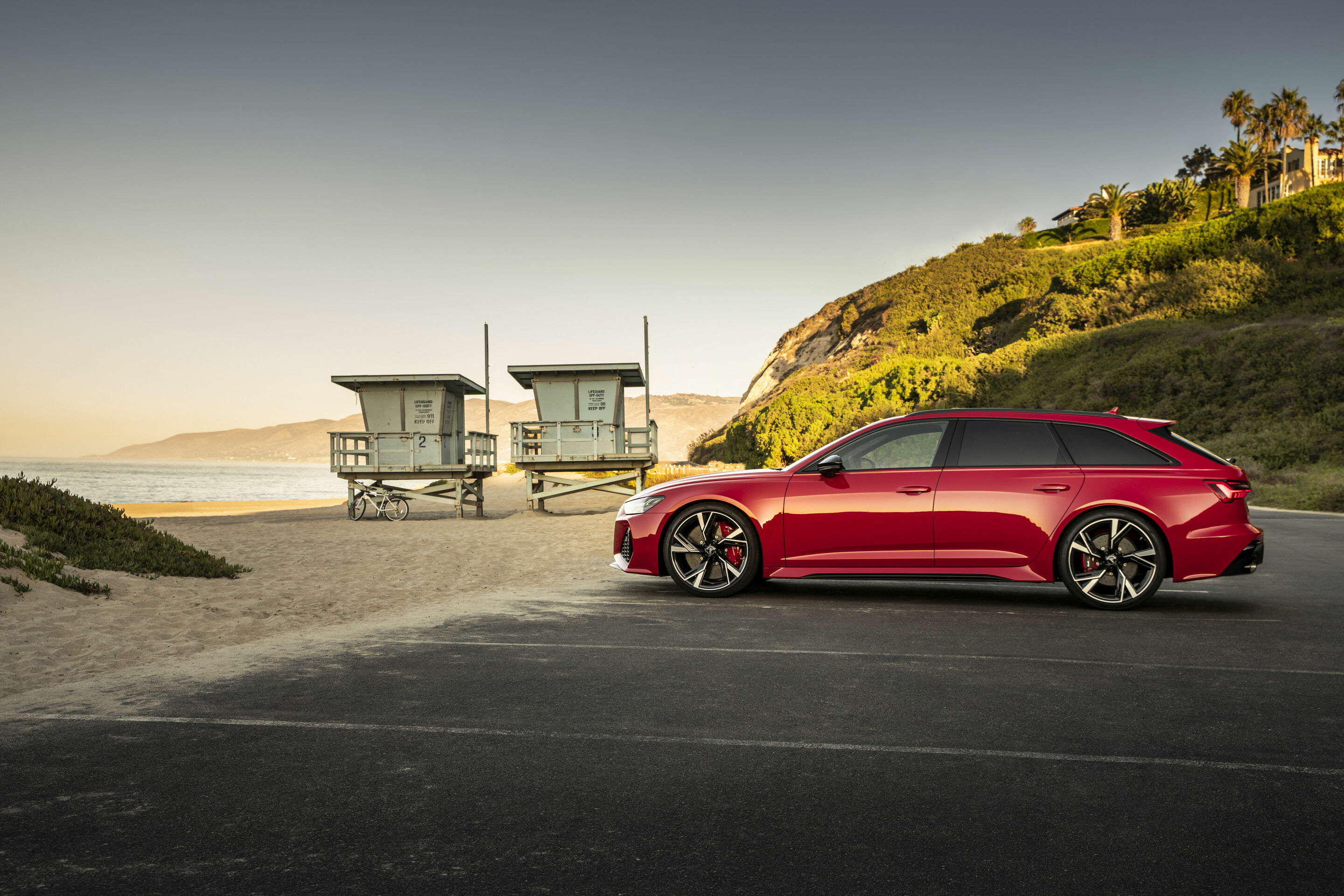
This is the single biggest spec decision on a used RS6. Most cars came on the standard air suspension, which gives a more forgiving ride and the ability to raise the nose over speed bumps and steep entrances, useful on British roads. The optional RS sport suspension with Dynamic Ride Control (DRC) is a hydraulically linked, non-air setup that road testers praised for body control when the car was new, but it rides firmer at low speed and is expensive to put right if a damper or the linking system fails out of warranty. There is no single correct answer: if you want the sharpest handling and accept a firmer ride, hunt the DRC cars; if you prioritise comfort, easy living and cheaper future repairs, the air setup is the pragmatic UK choice. On either system, check the car sits level on a flat surface and rises and lowers cleanly, because uneven ride height or a slow rise points to a leak or a tired compressor.
Brakes and tyres: steel versus carbon-ceramic, and the running-cost reality
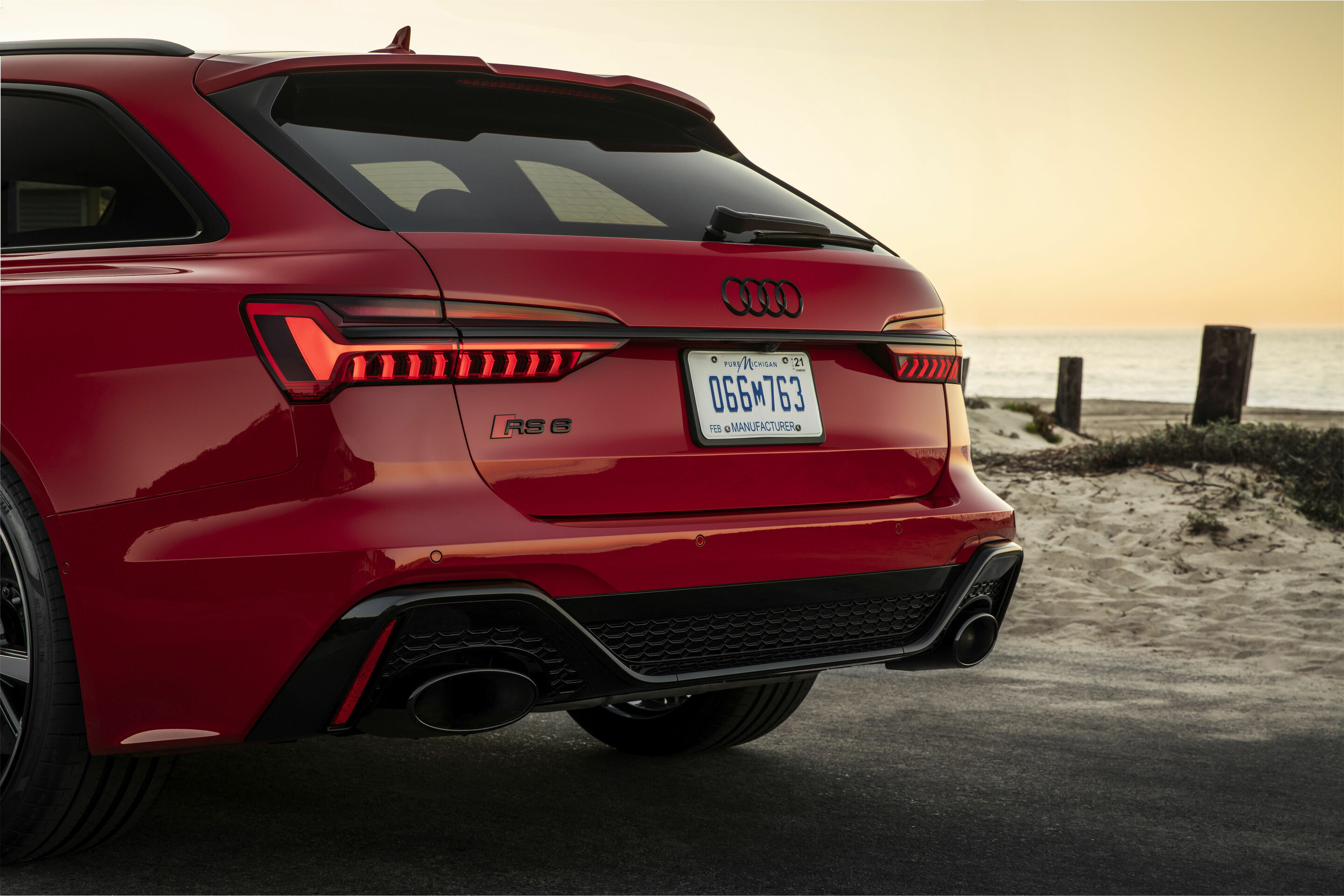
The standard steel brakes do the job but throw a lot of black dust and, on cars used hard then left to soak heat in traffic, can warp and cause a vibration through the pedal. The optional carbon-ceramic brakes (part of the dynamic plus package) cut a meaningful chunk of unsprung weight and resist fade, but replacement discs are eye-wateringly expensive and the rotors chip more easily if a wheel is removed carelessly or a stone lodges in the system. Budget for big tyre bills too: this is a heavy, very powerful four-wheel-drive estate on wide rubber, and a full set is a four-figure outlay. Factor those numbers into the real cost of ownership, the same discipline we apply in our Audi Q8 4M used buyer’s guide for the heavier performance SUVs.
| Spec | RS6 Avant (standard) | RS6 Avant Performance |
|---|---|---|
| Engine | 4.0 TFSI twin-turbo V8, 48V mild hybrid | 4.0 TFSI twin-turbo V8, 48V mild hybrid |
| Power | 441 kW (600 PS) at 6,000 to 6,250 rpm | 463 kW (630 PS) at 6,000 rpm |
| Torque | 800 Nm (2,050 to 4,500 rpm) | 850 Nm (2,300 to 4,500 rpm) |
| 0 to 100 km/h | 3.6 seconds | 3.4 seconds |
| Top speed (governed) | 250 km/h (155 mph) | 280 km/h (174 mph) |
| Combined WLTP CO2 | 289 to 276 g/km | 289 to 276 g/km |
| Drivetrain | quattro, 8-speed tiptronic | quattro, 8-speed tiptronic |
Known faults and the checks before you pay a deposit
PistonHeads’ own used buying guide and owner forums flag a familiar list. The 48V mild-hybrid system can throw engine-management faults if its battery drains, sometimes traced to coolant or condenser issues, so any warning lights or intermittent electrical faults deserve a proper diagnostic readout. Early cars were also subject to a small number of manufacturer safety recalls, so run the registration through the gov.uk vehicle-recall service to confirm any outstanding work has been completed before you buy. Alternators have a reputation for failure, and electrical control modules under the rear seats can suffer if exposed to liquid. On the test drive, listen for suspension knocks, confirm the gearbox shifts cleanly when cold, check for even tyre wear and warped-disc vibration under braking, and insist on full Audi or specialist service history. A car with a fat folder of receipts is worth paying more for than a cheaper example with mystery gaps.
Performance versus standard, plus GT and special editions
For most buyers the standard 600 PS car is more than fast enough, and the price gap to a Performance can buy a lot of fuel, tyres and servicing. The 2023-on Performance adds 30 PS for 630 PS, a touch more torque at 850 Nm and a 0 to 100 km/h time of 3.4 seconds, plus some specification tweaks; it is the one to seek only if you want the last word in pace and can absorb the premium. Above that sits the limited RS6 Avant GT, a homage to the 1980s Sport quattro with the 630 PS output, a quoted 0 to 100 km/h of 3.3 seconds and a 305 km/h governed top speed per Audi’s own technical data; GT cars are rare, collectible and priced accordingly, so treat any GT listing as a specialist purchase and verify provenance carefully.
Running costs, insurance and the 48V mild-hybrid in daily use
Plan for real-world fuel economy in the low-to-mid 20s mpg, premium servicing at an Audi or RS specialist, and the brake and tyre bills already noted. Insurance is a serious line item: a 600 PS-plus estate sits high in the groups, and quotes climb again for younger or modified cars. Price up cover before you buy, and read our guide to BMW M and Audi RS insurance for the levers that actually move the premium, plus our note on declaring modifications on an M, RS or AMG if the car has aftermarket parts. The 48V mild-hybrid is largely invisible in daily use; it smooths stop-start and the belt starter, and it is not a plug-in system, so there is no charging to manage.
Where to buy or check before you commit
Work through these steps before any deposit. First, browse the Audi Approved Used network for cars carrying a manufacturer warranty, then compare against the wider market on Auto Trader and PistonHeads classifieds for spec and price context. Run the registration through the gov.uk vehicle-recall service and the MOT history checker to confirm outstanding work and advisory patterns. Commission an HPI-style provenance check for finance, theft and write-off markers, and budget for an independent inspection by an Audi or RS specialist, who will catch suspension, brake and 48V issues a quick test drive will not. Finally, weigh the value of an approved used warranty across BMW, Audi and Mercedes against an aftermarket policy for a car whose major bills can be steep. You can also start from our used premium buying guides for the wider shortlist.
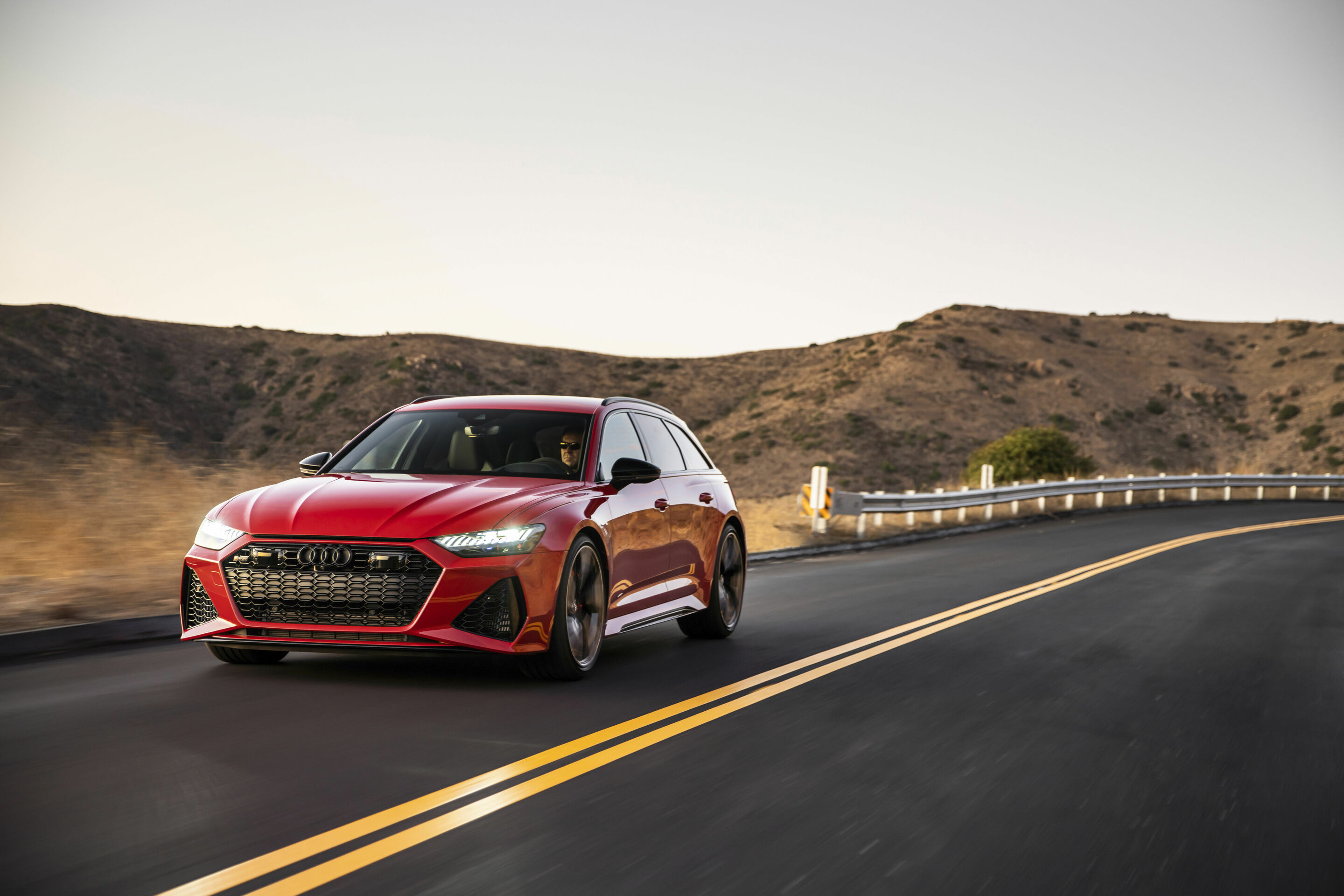
The Audi RS6 C8 used buy is one of the most complete fast cars money can buy in Britain right now: it hauls the family, the dog and the luggage, then embarrasses sports cars when you ask it to. Our view is that the value pick is a 2021 to 2022 standard 600 PS car on air suspension, with full Audi history, sitting in the mid £60,000s, rather than stretching to a Performance you will rarely exploit. Buy it for the breadth of ability, walk away from any car with mystery service gaps, a slow-rising or uneven suspension, or unexplained electrical faults, and budget honestly for tyres, brakes and insurance before you sign. Get the paperwork and the pre-purchase inspection right and it is a brilliant ownership proposition; get them wrong and the repair bills will sting. CDE score: 4.5/5.
Is the Audi RS6 C8 reliable as a used buy?
Which year of used RS6 C8 should I buy?
DRC or air suspension on a used RS6?
How much does a used Audi RS6 C8 cost in 2026?
What does an RS6 cost to run?
Standard 600 PS or the 630 PS Performance?
This article is general editorial guidance for UK buyers and not personalised financial, insurance or legal advice. Prices, specifications and recall status change over time; verify current figures with the manufacturer, gov.uk and an FCA-authorised provider before you commit.
How we researched this guide
Every pick here is shortlisted from hands-on testing and time spent living with the hardware by the CDE desk, then sanity-checked against current UK pricing, manufacturer specs and real-world performance before it makes the cut. We never rank for commission — affiliate links don't change the order.