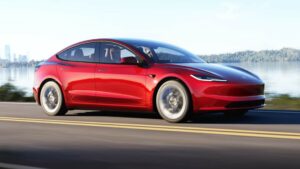

Buying a Tesla Model 3 used is now one of the smartest ways into a premium EV in the UK, with clean 2021 to 2022 cars trading well below their list price and the 2024 Highland facelift adding genuine refinement. The catch is that build quality and suspension wear vary car to car, so the example you pick matters more than the badge. This guide covers which year and version to chase, the real price bands, the battery and warranty checks that protect you, and who should walk away.
What real owners say (CDE data)
CDE reviewed owner discussion on PistonHeads, r/TeslaMotorsUK and MoneySavingExpert alongside Honest John, What Car and Carwow used-buyer guidance in June 2026. The picture is consistent: a brilliant car to live with, let down by inconsistent factory fit and finish rather than by anything mechanical.
- Most-praised aspects: real-world range and efficiency, the Supercharger network, and low running and servicing costs versus a comparable petrol saloon.
- Most-criticised aspects: panel gaps and paint flaws on early cars, suspension and bush noise as miles climb, and occasional reversing-camera and trim niggles.
- Reliability signal: drivetrain and battery faults are rare; Geotab’s fleet study of 22,700 EVs puts average battery degradation at roughly 2.3% a year, leaving about 81.6% of capacity after eight years.
Why a Tesla Model 3 used makes sense in 2026
The Model 3 has been the UK’s default premium EV since it landed in 2019, which is exactly why the used market is now deep enough to buy on your terms. Depreciation that stings the first owner works in your favour: a car that cost well over £40,000 new can be had for a fraction of that with plenty of battery warranty still running. You also inherit access to one of the best public rapid-charging networks in the country, which removes most of the range anxiety that pushes buyers towards pricier rivals. Against an equivalent petrol executive saloon, the Model 3’s running costs and the size of its specialist ecosystem make it the lower-risk choice on paper. The risk sits entirely in picking the right individual car.
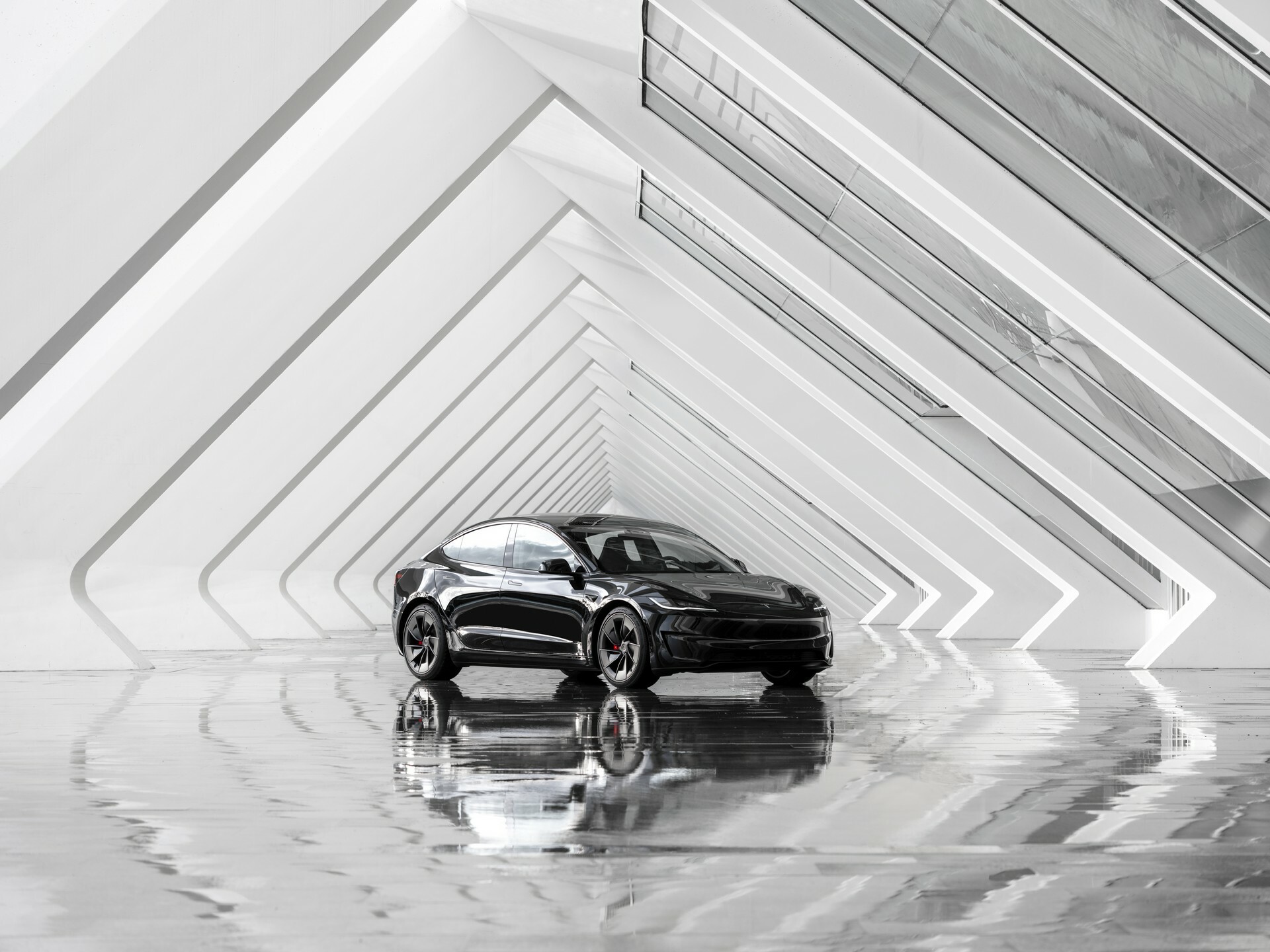
Which years and refresh to chase: pre-facelift, RWD, Long Range and Highland
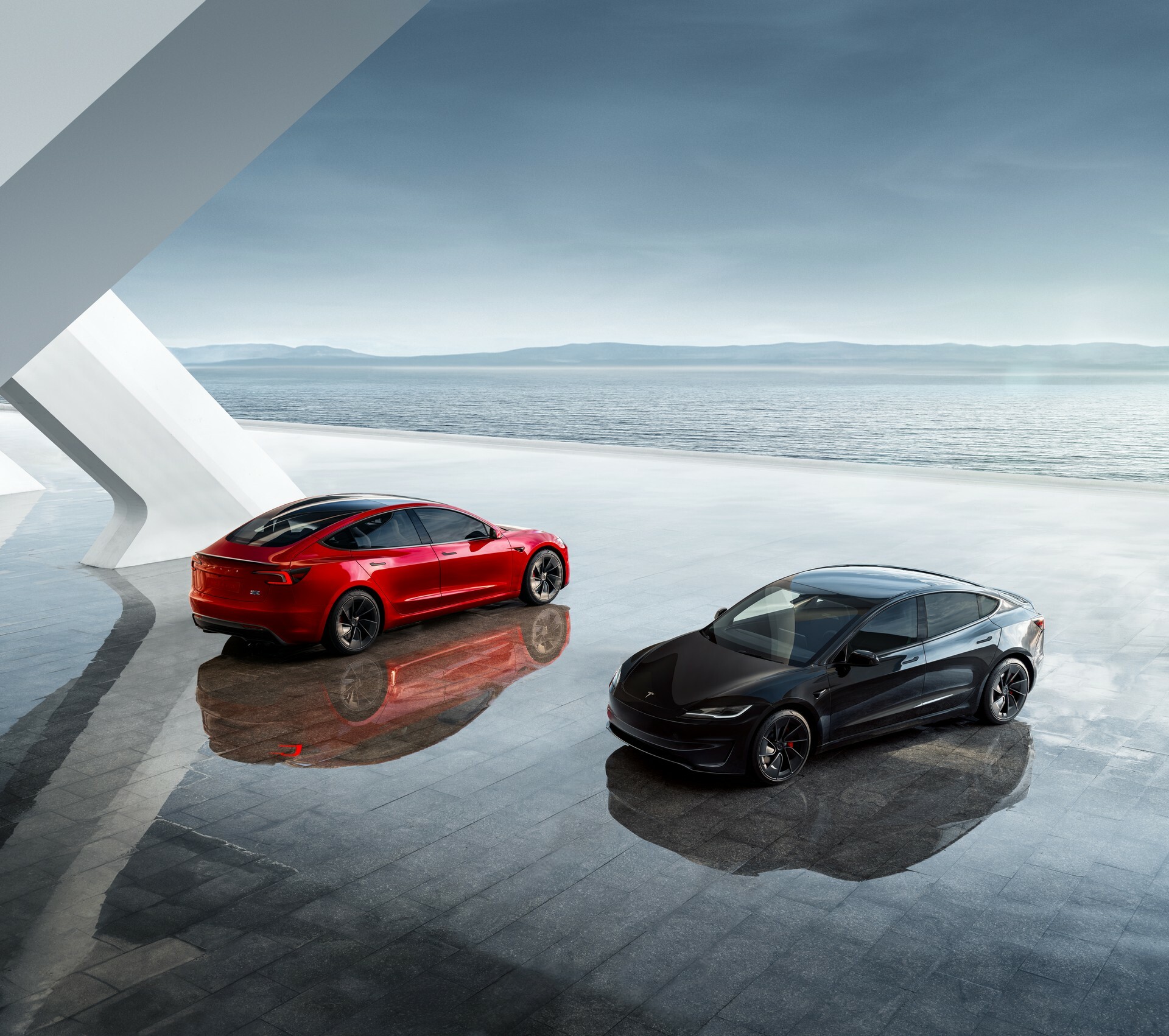
The Model 3 splits cleanly into two eras. Cars from 2019 to late 2023 are the original shape, sold in the UK as Standard Range Plus (later just rear-wheel drive), Long Range and Performance. The 2024 Highland facelift, revealed in August 2023 and arriving in UK showrooms from late 2023, brought sharper lights, a quieter cabin, longer official range and a tidied-up interior. Tesla quoted around 30% less wind noise and 20% less road noise for the Highland, and most owners agree it is the more grown-up car to live with.
For most buyers the sweet spot is a 2021 to 2022 Long Range. You get the bigger battery, all-wheel drive, the strongest real-world range of the pre-facelift cars and prices that have already taken their heaviest hit. The single-motor rear-wheel-drive car is the value pick if you mostly drive solo and want the lowest entry price. The Performance is the enthusiast’s choice but adds tyre and brake costs. Skip the very earliest 2019 cars unless the price is exceptional, because that is where the most owner complaints cluster.
Real UK used prices in 2026
Used Model 3 values have fallen far enough to make this one of the cheapest long-range EVs on the market. A 2019 to 2020 car with around 70,000 miles sits near £11,000 for a Standard Range Plus, about £13,000 for a Long Range and roughly £14,000 for a Performance, per Electrifying’s used-buyer data in 2026. Move to a tidy 2021 to 2022 Long Range and you are typically in the £16,000 to £20,000 band depending on mileage and history. A 2023 car, including early Highland examples, generally starts around £18,000 and climbs from there. Cross-check any advert against Auto Trader and Carwow listings on the day you buy, because EV used pricing still moves quickly and a private 2024 Highland can swing several thousand pounds on spec and colour alone. If you are also running the numbers on leasing one new through payroll, our breakdown of Tesla Model 3 salary sacrifice for 2026 shows where the used and sal-sac routes cross over for a higher-rate taxpayer.

Battery health and degradation: the number that matters most
On an electric car the battery is the engine, so its state of health is the single figure that decides whether a used Model 3 is a bargain or a liability. The reassuring news is that Tesla packs age slowly. Geotab’s study of more than 22,700 electric vehicles found an average degradation of about 2.3% a year, which leaves roughly 81.6% of original capacity after eight years; cars charged mostly on slower AC fared even better at around 1.5% a year. Most owners report losing only 1 to 2% of usable range annually, and time tends to matter more than mileage, so a higher-mileage car that has been used regularly can be a safer bet than a low-mileage one that has sat. Before you commit, ask the seller to fully charge the car and note the displayed range, then compare it against the original WLTP figure for that variant to estimate real degradation. Our explainer on EV battery degradation and the Geotab data walks through how to read those numbers properly.
Common faults and the pre-purchase checks that catch them
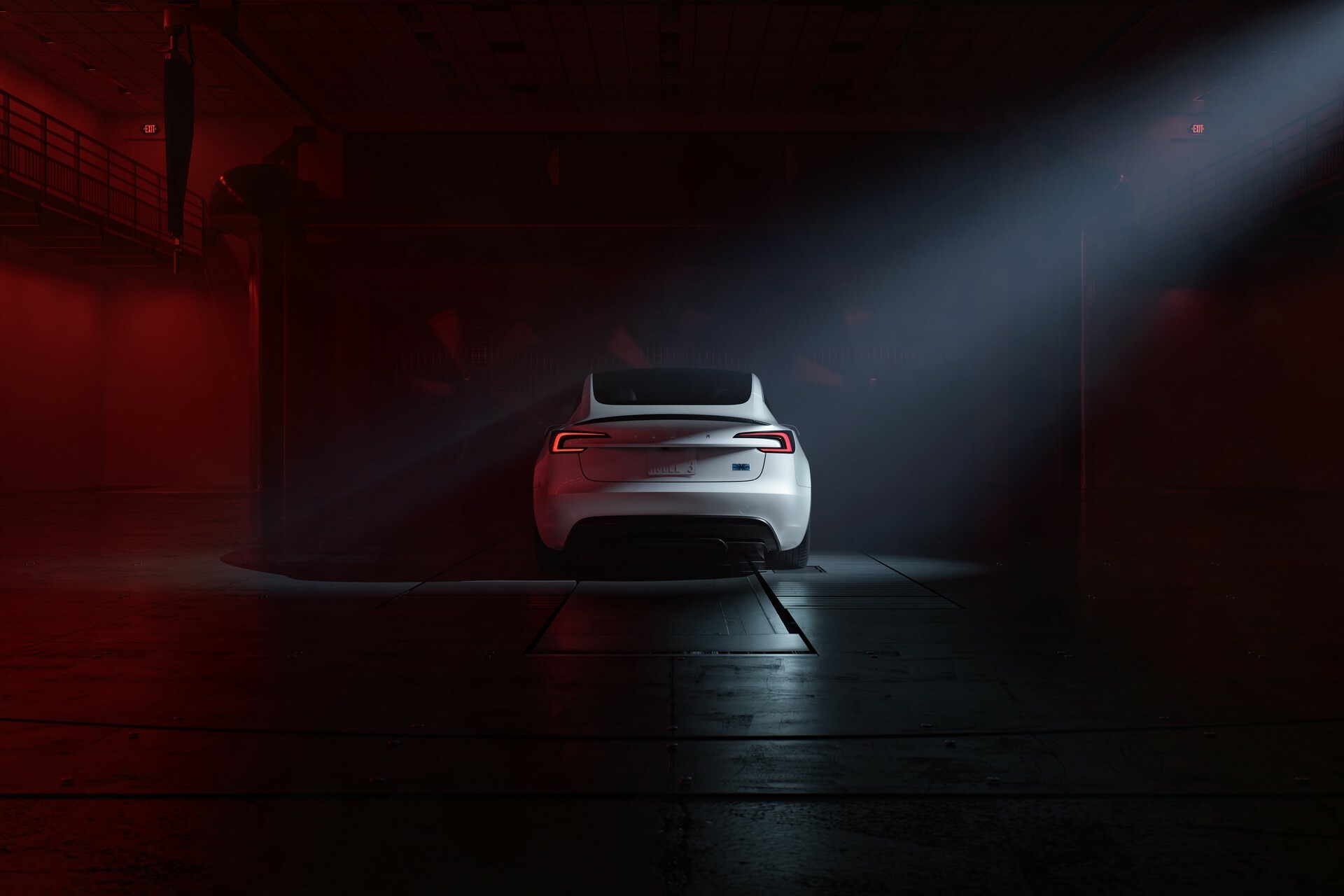
The Model 3’s weak spots are almost all in the body and chassis, not the powertrain. Owners and UK reviewers repeatedly flag noisy front suspension and worn bushes as miles build, reversing-camera failures traced to faulty wiring harnesses, condensation in light units, and the panel-gap and paint inconsistency that has dogged Tesla since launch. German TÜV inspection data has also shown Model 3s failing roadworthiness checks at a higher-than-average rate at two to five years old, mostly on brakes and suspension rather than anything terminal.
Walk the car in daylight and sight down each panel: the lines should match left to right. Listen for clunks over speed bumps and at full steering lock, which point to bushes or control arms. Test every camera and the autopilot warnings, check the 12V system has not thrown errors (a tired 12V battery causes a string of odd electrical faults), and confirm the frunk and boot seals are dry. Always run the registration through the free gov.uk MOT history and the DVSA recall checker, then have an EV-experienced technician, not a generic inspector, look over the suspension and the area around the battery pack. The same discipline applies to any premium EV; our Jaguar I-Pace used guide and Porsche Taycan used guide show how the check list shifts by model.

Warranty: what cover a used Model 3 still carries
Tesla’s warranty structure is the used buyer’s safety net, and crucially it transfers with the car. The Basic Vehicle Limited Warranty runs four years from first registration. The far more valuable cover is the Battery and Drive Unit Warranty: eight years and 100,000 miles on the rear-wheel-drive Model 3, and 120,000 miles on Long Range and Performance cars, per Tesla’s UK warranty terms. That cover guarantees the battery will retain at least 70% of its capacity over the period, and if it drops below that Tesla repairs or replaces it. In practice this means a 2021 or 2022 car still has years of battery cover left, which is exactly why it is the smartest used buy. Read the specifics in our guide to EV battery warranty and what 8-year cover hides before you rely on it.
Running costs, insurance and the WLTP range by version
Day to day, the Model 3 is cheap to run: low servicing demands and home charging that undercuts petrol heavily, though the April 2025 VED changes now apply road tax to EVs. Insurance is the line item that surprises people, because Tesla’s parts and bodyshop costs push premiums above a like-for-like petrol saloon; our breakdown of Tesla insurance costs in 2026 covers how UK owners trim them. Tyres and brakes last well on the rear-drive cars but wear faster on the Performance. The figures below are manufacturer specifications for the original-shape cars; treat any used range claim against this baseline.
| Version (pre-facelift) | Official WLTP range | Battery and Drive Unit warranty |
|---|---|---|
| Model 3 RWD / Standard Range Plus | up to approx 305 miles | 8 years / 100,000 miles |
| Model 3 Long Range AWD | up to approx 374 miles | 8 years / 120,000 miles |
| Model 3 Performance | up to approx 340 miles | 8 years / 120,000 miles |
What to check before you put down a deposit
Treat the deposit as the point of no return and do the unglamorous checks first.
- Run the plate through the free gov.uk MOT history and the gov.uk vehicle recall checker to confirm advisories, mileage consistency and outstanding recalls.
- Buy a paid HPI-style check for outstanding finance, write-off markers and a mismatched V5C.
- Charge to 100% and compare displayed range with the original WLTP figure for that variant to estimate degradation.
- Check the in-car software for open service alerts and confirm the 12V battery is healthy.
- Inspect panel gaps, paint, glass and light units in daylight, and listen for suspension noise on the test drive.
- For a private sale, read Which? guidance on your used-car consumer rights before you hand over money.
Who should buy, and who should walk away
A used Model 3 suits the UK buyer who does regular mixed-mileage driving, can charge at home or work, and wants premium EV range without premium-EV money. It is less convincing for anyone with no home charging and a long rural commute, and for buyers who cannot stomach the chance of cosmetic imperfections on an early build. If badge prestige inside the cabin matters more than tech and efficiency, a used Polestar 2 or a German rival may please you more, though usually at a higher price for similar range; our wider used car buying guides weigh those alternatives in detail.
Our take
Our view on buying a Tesla Model 3 used: it is the strongest value play in the UK premium EV market right now, but only if you buy the car and not the badge. We would target a 2021 or 2022 Long Range with full charging history and years of battery warranty left, accept a higher-mileage example over a low-mileage car that has sat, and pay for an EV-specialist inspection rather than a generic one. We would walk away from any car with suspension noise the seller cannot explain, a battery showing more degradation than its age justifies, or a history that does not line up. Get those three things right and the Model 3 rewards you with low running costs, real range and a charging network rivals cannot match. CDE score: 4.5/5 for the used buyer who does the homework, lower for anyone tempted to skip the checks.
This article is general editorial guidance for UK buyers, not financial, legal or tax advice. Vehicle prices, specifications, warranty terms and tax rules change; verify the current detail with Tesla, gov.uk and an FCA-authorised adviser before you commit.
Is a Tesla Model 3 used a good buy in 2026?
Yes, for the right car. Used Model 3 values have fallen sharply, so a 2021 to 2022 Long Range offers strong real-world range, low running costs and years of battery warranty for far less than new. The risk is build-quality variation, so the individual car’s history and condition matter more than the model itself.
Which used Tesla Model 3 year is best to avoid?
The earliest 2019 cars attract the most owner complaints, largely cosmetic and build-related as Tesla scaled production. Later cars from 2020 onward generally show fewer issues. If you want the most refined version, look at the 2024 Highland facelift, which improved cabin quietness and finish.
How long does a used Tesla Model 3 warranty last?
The Battery and Drive Unit Warranty runs eight years from first registration: 100,000 miles on the rear-wheel-drive car and 120,000 miles on Long Range and Performance versions, guaranteeing at least 70% battery capacity. The Basic Vehicle Warranty runs four years. Both transfer to you as the next owner.
How much battery degradation should I expect?
Plan for roughly 1 to 2% capacity loss a year. Geotab’s large fleet study found an average of about 2.3% annually, leaving around 81.6% of capacity after eight years. Time matters more than mileage, so check displayed full-charge range against the original WLTP figure for the variant.
What are the most common Tesla Model 3 faults?
Noisy front suspension and worn bushes, reversing-camera failures from faulty harnesses, condensation in light units, and panel-gap and paint inconsistency on early cars. The powertrain and battery are rarely the problem. Have an EV-experienced technician inspect the suspension and battery area before buying.
Should I buy a Long Range or rear-wheel-drive Model 3 used?
The Long Range AWD is the all-round sweet spot for most buyers, with the biggest battery and strongest range. The rear-wheel-drive car is the value pick if you mostly drive solo and want the lowest entry price. The Performance is quicker but costs more in tyres and brakes.
How we researched this guide
Every pick here is shortlisted from hands-on testing and time spent living with the hardware by the CDE desk, then sanity-checked against current UK pricing, manufacturer specs and real-world performance before it makes the cut. We never rank for commission — affiliate links don't change the order.
Buyer action
Where to check next
Use this as the final check before paying a deposit, signing finance paperwork or relying on a headline monthly figure.