Geotab's 2026 study of 22,700+ real-world EVs: average battery state-of-health 81.6% after 8 years. Average degradation 2.3% per year, mostly from DC fast charging.
This article summarises a third-party telematics study. Individual battery results vary by climate, charging habits and pack chemistry.
What the Geotab 22,700-EV study actually measured
Geotab is a fleet telematics provider whose dataset spans hundreds of thousands of vehicles across consumer and commercial use. The 2026 battery study draws on more than 22,700 EVs whose state-of-health (SoH) can be read directly from the vehicle’s CAN bus, eliminating the guesswork that comes with owner-reported numbers. The headline metric is straightforward: average usable capacity remaining after eight years of service, measured against the manufacturer’s nameplate. The 81.6% figure is meaningful because it is independent of driver perception and is calculated from the BMS data the car itself uses to manage the pack. The methodology compares pack chemistries, rapid-charging share of total energy delivered, climate zones and primary use cases (commute, private-hire, fleet delivery), which lets the analysts separate intrinsic chemistry decline from behaviour-driven decline.
The 2.3% per year number, and why it matters
Average annual capacity loss is 2.3% in the 2026 dataset, up from roughly 1.8% in Geotab’s earlier 2020-2022 analysis. The increase reflects more aggressive use of public DC rapid charging, not a defect or worse chemistry. Light passenger cars (saloons, hatchbacks, SUVs in private hands) average closer to 2.0% per year, while light vans and other multi-purpose vehicles average 2.7%. Translated to ownership timelines: a typical 2026 BEV with a 75 kWh nominal pack will hold roughly 60 kWh of usable capacity after eight years at the passenger-car average. That is enough to remain a credible commuter and weekend road-tripper. The 50% capacity threshold beyond which most manufacturer warranties trigger pack repair or replacement is rarely reached within the first owner’s tenure, and very rarely within the manufacturer’s 8-year / 100,000-mile battery warranty window.
What actually drives EV battery degradation in 2026
- Time at high state-of-charge. Leaving a BEV plugged in and held at 100% for long periods is the biggest avoidable accelerant. The pack sits at peak voltage and the cells age faster.
- Time at very low state-of-charge. Letting a pack sit near 0% for weeks (a deep-storage scenario for a winter rarely-driven car) is the other half of the same problem; storage near the chemistry’s safe midpoint is gentler.
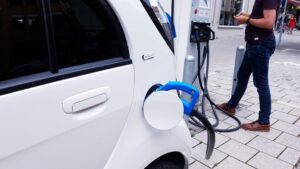
- DC rapid-charging share. Frequent reliance on 150-350 kW ultra-rapid chargers, especially when the pack is already warm, contributes to faster decay. Occasional rapid charging on a road trip is fine; daily DC charging measurably moves the curve.
- Climate. Hot ambient temperatures and sustained pack temperatures above the chemistry’s preferred window are the largest unavoidable factor. Cooler regions degrade slower on the chemistry side, although they trade that for lower cold-weather range.
- Mileage itself. Net cycle count matters, but less than the previous four factors. Two BEVs at identical mileage can diverge significantly on SoH depending on charging behaviour.
What the 2026 numbers mean for used EV buyers
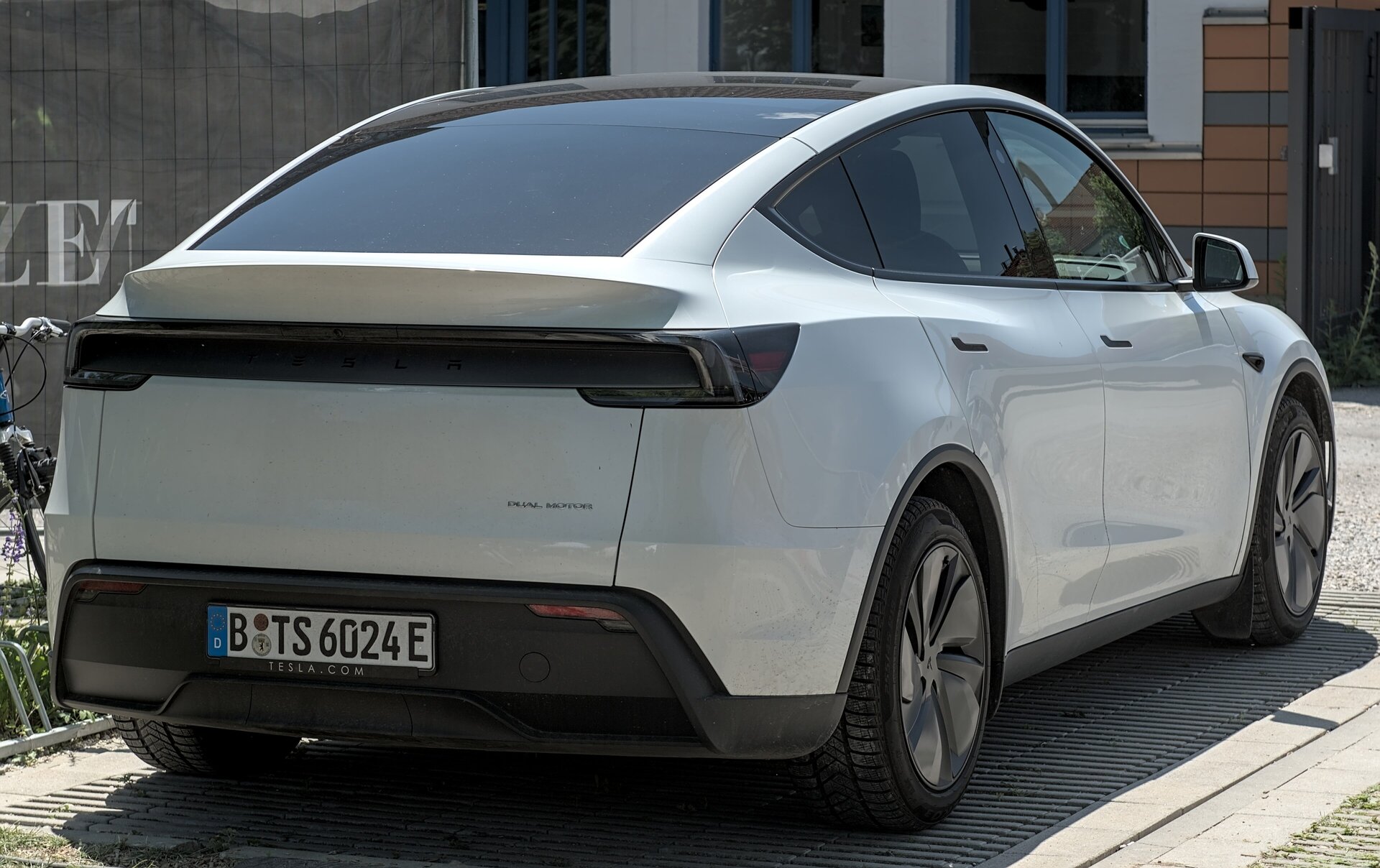
For a used-EV buyer, the practical takeaway is twofold. First, set your expectations on capacity, not range. A six-year-old 75 kWh BEV that began at 280 miles of WLTP range and now reads 230 miles in summer is healthy by Geotab’s 2026 dataset. That same car at 180 miles in summer signals heavy rapid-charging or a poor previous-owner pattern. Second, insist on a state-of-health readout before completing the sale. Tesla and most modern BMW and Hyundai-Kia BEVs let a dealer or independent technician read SoH directly from the BMS; a tablet attached to the OBD-II port and brand-specific software gets the number in five minutes. A used dealer who declines to provide SoH on a four-year-old Tesla Model 3 in 2026 is hiding something or has not bothered to learn how. Both are reasons to keep walking. The same applies if a forecourt cannot show you the MOT and DVLA history alongside the SoH; transparent paperwork is the baseline.
What real EV owners can do to slow degradation
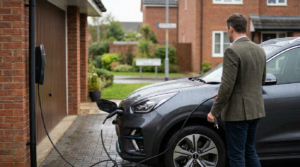
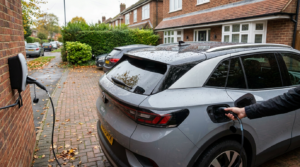
The lever with the highest payoff is the daily charge ceiling. Set the home charger to stop at 80% (or follow the LFP guidance for your model, which sometimes recommends 100% for calibration). Charge to 100% only the night before a long trip. The second lever is heat. Park in shade where you can in summer, and do not finish a rapid charge and then leave the car sitting at 95% in a hot car park; let the BMS pre-cool the pack first if your car supports it. The third lever is rapid-charging discipline. Use 7 kW AC home or workplace charging as the default; reserve DC rapid charging for road trips or genuine scheduling emergencies. Following these three habits is the difference between 81.6% SoH at year 8 (Geotab average) and 88% or better (achievable for careful drivers).
The 2026 Geotab dataset says what an honest reading of every prior real-world EV battery study has said since 2018: degradation is real, gradual, and not the catastrophic problem the early EV-sceptic narrative claimed. Eighty per cent SoH at eight years is a usable car; it is also better than what the 2010-era Nissan Leaf set as the public-perception benchmark. The 2.3% per year average is a real uptick from earlier studies, but the cause is the rise of DC rapid charging, not chemistry decay; that means it is partly under the owner’s control. The honest framing for a 2026 UK buyer: pick the BEV that matches your daily driving pattern, charge it to 80% at home most of the time on a 7 kW wallbox, and stop worrying about the pack. The Geotab number says your eight-year-old EV will still be a credible second car. The other parts of EV ownership in 2026, like insurance cost, PCP residuals and used trade values, are where real debate belongs.
What is the average EV battery degradation rate in 2026?
Does rapid charging actually damage EV batteries?
What state-of-charge should I keep an EV at for storage?
When does an EV manufacturer’s battery warranty actually trigger?
How do I check the state-of-health of a used EV before buying?
Related reading on CDE
- Tesla Model Y Juniper Refresh: Hardware Win, Brand Wobble
- Best Electric SUV Under £30,000 UK 2026: BYD Leads
MCDE Editorial
Buyer action
Where to check next
Use this as the final check before paying a deposit, signing finance paperwork or relying on a headline monthly figure.