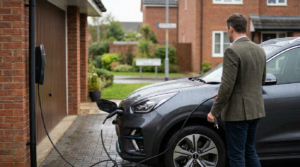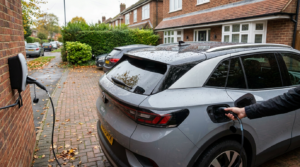
Running a second salary sacrifice EV for your partner can turn one tax-efficient company car into a two-car household saving, but only if you put the right car on the right payroll. The cheaper EV usually belongs on the lower earner and the pricier one on the higher earner, because a 20% taxpayer keeps far less of the relief than a 40% or 45% earner. Here is the household maths, the National Minimum Wage trap that catches the lower earner, and the catches that bite if either of you leaves mid-term.
What real owners say (CDE data)
- Most-praised aspects: the all-in monthly bundle (insurance, servicing, tyres and breakdown rolled into one deduction), the low benefit-in-kind on a pure EV, and the way a second car on a partner’s payroll spreads the household saving across two tax codes.
- Most-criticised aspects: confusion over the National Minimum Wage floor for lower earners, surprise over how little a 20% taxpayer actually saves, and worry about being locked in if one partner changes job mid-term.
- Reliability signal: owners flag the Volvo EX30 software early-life niggles and the Polestar infotainment learning curve more than mechanical faults; both sit on Volvo Cars electric platforms with established UK service networks. Check any open DVSA recall by registration before you commit.
Why a household runs two cars on payroll
Salary sacrifice is arranged employee by employee, not household by household. Each of you needs your own employer to offer a scheme, your own contract, and your own deduction running through your own payslip. There is no joint version. That means a couple can absolutely run two electric cars this way, but you are really stacking two separate arrangements that happen to sit under one roof. The upside is real: two EVs, two sets of bundled running costs, and tax relief applied twice. The discipline is in matching each car to the payslip that extracts the most from it.

Think of it as portfolio thinking for the driveway. If you are weighing whether the scheme beats simply buying outright, our breakdown of salary sacrifice versus a car allowance for a higher-rate EV buyer covers the single-car decision; this guide assumes you have already decided sacrifice is right for at least one of you and are now adding a second.
How the tax actually works on each car
Two numbers drive every salary-sacrifice EV. The first is the relief you get for giving up gross pay: you save Income Tax and employee National Insurance at your marginal rate on the amount sacrificed. The second is the benefit-in-kind (BiK) you pay back for having a company car. For a fully electric, zero-emission car the BiK appropriate percentage is just 4% for the 2026/27 tax year, rising on HMRC’s published schedule (5% in 2027/28, then 7% in 2028/29), per HMRC’s company-car appropriate-percentage tables (checked 6 June 2026).
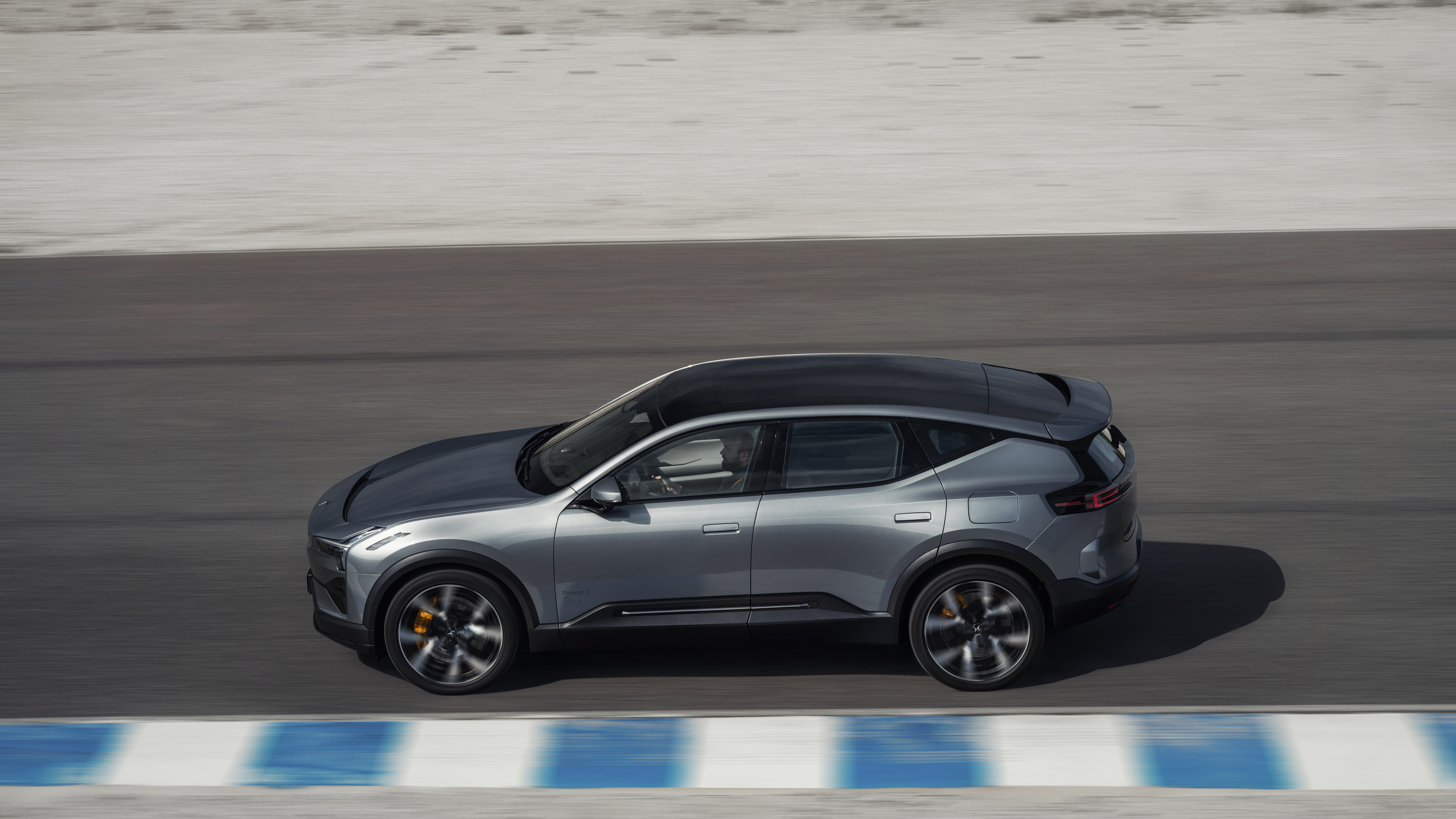
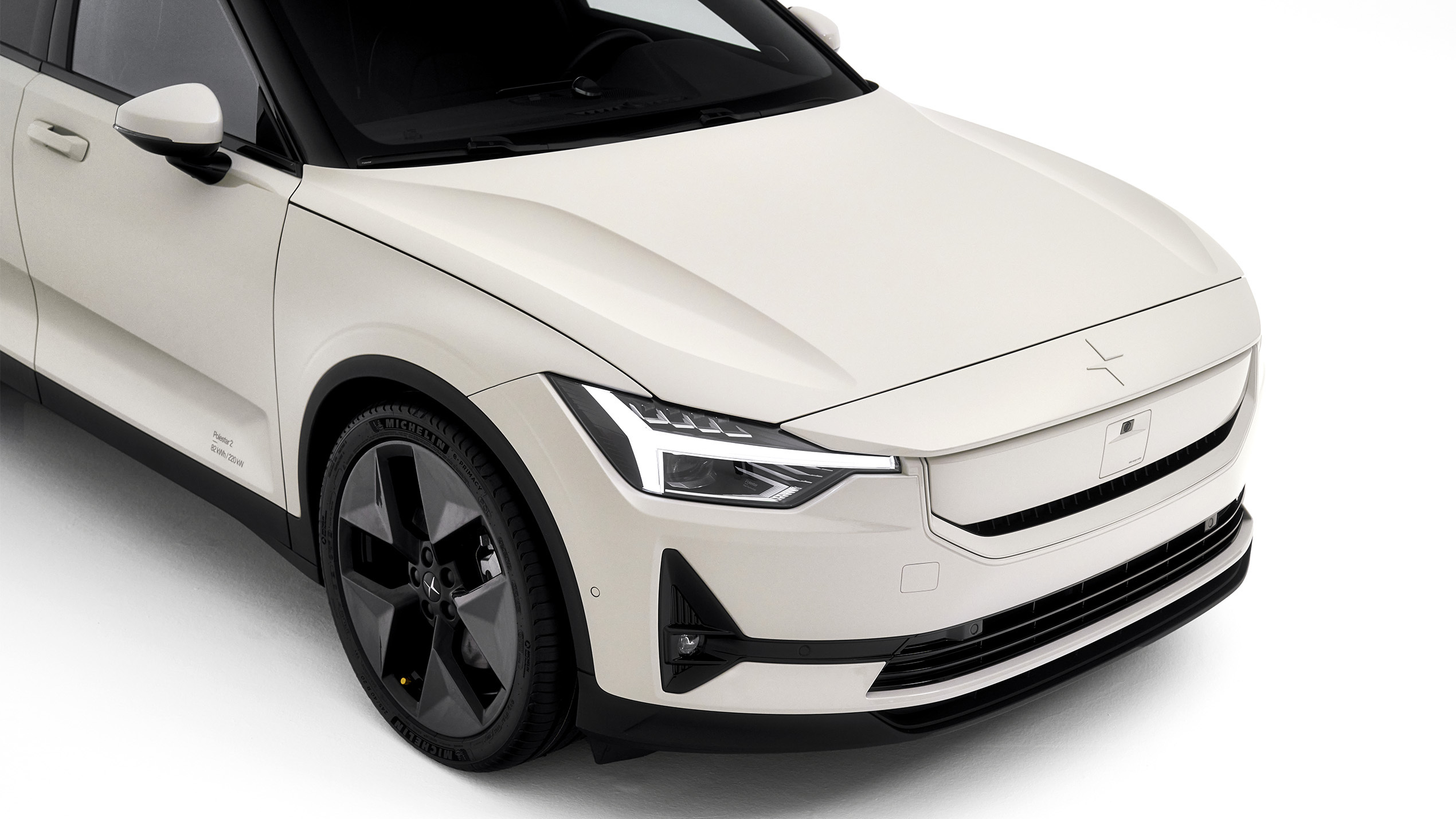
The BiK cash value is P11D value x appropriate % x your marginal Income Tax rate. On a roughly £76,540 P11D Polestar 3 at 4%, the taxable benefit is about £3,062 a year, costing a 40% taxpayer near £1,225 a year, around £102 a month. On a roughly £33,060 P11D Volvo EX30 at 4%, the benefit is about £1,322 a year, costing a 20% taxpayer near £264 a year, about £22 a month. Marginal Income Tax bands (20%/40%/45% across the rest of the UK, with separate Scottish bands) come from gov.uk Income Tax rates, and employee NI from gov.uk National Insurance rates, both checked 6 June 2026.

The National Minimum Wage floor that catches the lower earner
This is the rule households miss. Salary sacrifice cannot take anyone’s gross pay below the National Minimum or National Living Wage for their hours worked, per gov.uk minimum wage rates (rates change each April; verify before you sign). It rarely troubles a 40% earner sacrificing £900 a month from a six-figure salary. It absolutely can bite a part-time or lower-paid partner. If the lower earner works reduced hours, a £400 to £500 monthly sacrifice on top of pension contributions can push their pay below the legal floor, and a compliant employer will simply refuse the deduction. Run your partner’s hourly figure after the sacrifice before you pick their car, because the floor, not the tax, often decides how much car the second payslip can carry.
Worked household example: a second salary sacrifice EV on each payslip
Picture a household with a 40% taxpayer and a 20% taxpayer. Put the pricier Polestar 3 on the higher earner and the cheaper Volvo EX30 on the lower earner. The relief gap is stark. The 40% earner keeps Income Tax at 40% plus the 2% NI rate that applies above the upper earnings limit on the sacrificed amount; the 20% earner keeps Income Tax at 20% plus the 8% main NI rate. Same scheme, very different take-home effect.
| Figure | Higher earner (40%): Polestar 3 | Lower earner (20%): Volvo EX30 |
|---|---|---|
| Approx P11D value | £76,540 | £33,060 |
| EV BiK rate 2026/27 | 4% | 4% |
| Taxable benefit / year | £3,062 | £1,322 |
| BiK tax cost / month | about £102 | about £22 |
| Illustrative gross sacrifice / month | about £950 | about £430 |
| Income Tax + NI relief / month | about £399 (42% of gross) | about £120 (28% of gross) |
The headline: the higher earner’s relief covers a much larger slice of a much larger car. The 20% earner saves roughly £120 a month against £430 of gross sacrifice, so the cheaper car earns its keep but the percentage saving is far thinner. Flip the cars, putting the Polestar 3 on the 20% payslip, and you would waste the expensive relief on the wrong rate while risking the minimum-wage floor. For a single-car view of the higher-rate numbers, our BMW iX3 salary sacrifice cost by tax band shows the same mechanics on one car.
Combined take-home impact across the household
Add the two payslips together and the household runs two EVs for a combined net cost that is meaningfully below two personal leases. The higher earner’s roughly £399 a month of relief, minus about £102 of BiK tax, plus the lower earner’s roughly £120 of relief, minus about £22 of BiK, leaves the family materially better off than paying for the same two cars from taxed income. The exact figure depends on your scheme quotes, your hours and whether you are a Scottish taxpayer, but the shape holds: two tax codes doing the work beats one. If your partner is choosing between a small premium EV and something larger, our Volvo EX30 salary sacrifice analysis and the Volvo EX40 on payroll comparison bracket the budget end of the second-car decision.
The catches that bite a two-car household
Three traps are specific to running two cars rather than one. First, both of you must stay employed with a participating employer for the full term, usually three or four years. A salary-sacrifice car is tied to the job, so if either partner is made redundant or moves to an employer without a scheme, that car’s arrangement can end early. Second, early-exit terms apply per car: if one of you leaves mid-term, you may face an early-termination charge on that vehicle while the other car carries on untouched, so read both contracts’ exit clauses, not just one. Third, the home-charger position. Many schemes and the previous grant landscape allow only one home-charging contribution per household or per installation, so do not assume a second free or subsidised charger arrives with the second car; you may be funding the second wallbox yourself.
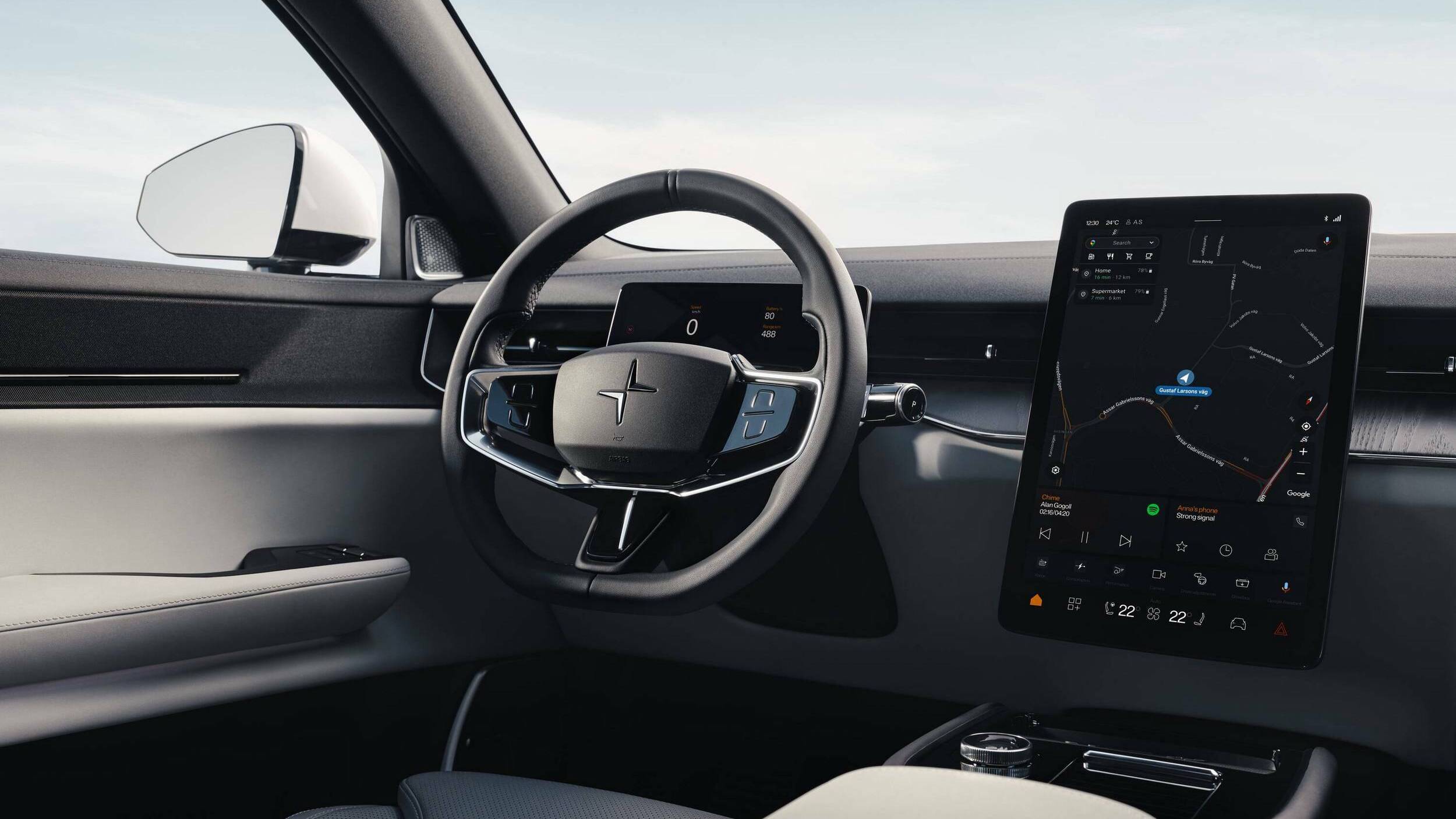
Scheme rules differ on what is bundled and how exits are handled, which is why comparing providers matters before you put a second car on payroll. Our Octopus EV versus Loveelectric scheme comparison sets out where the included extras and early-exit protections diverge, and the wider list of salary sacrifice EV hidden costs covers charging, tyres and exit fees that a two-car household pays twice.
Which partner should get the bigger car
Default to the pricier EV on the highest marginal rate. A 45% additional-rate earner extracts the most relief per pound sacrificed, a 40% higher-rate earner is next, and a 20% basic-rate earner gets the thinnest deal. So a 45% or 40% partner takes the Polestar 3 or another premium EV, and the 20% partner takes the EX30 or a similar value choice that keeps their sacrifice clear of the minimum-wage floor. The exception is hours: if your higher earner is salaried and secure while the lower earner’s job or scheme availability is shaky, weight the longer commitment toward the stable employer. The Polestar and Volvo pairing here is illustrative; any premium-plus-value EV split on these brands’ shared platforms behaves the same way. For more EV choices across the personas, browse the full CDE EVs section.

This article is general guidance, not personal tax or financial advice. CDE has not driven these specific cars, and salary-sacrifice savings depend on your salary, hours, scheme rules and tax residency. Confirm figures with your employer’s scheme provider and a qualified adviser before you commit.
A second salary sacrifice EV for your partner is one of the cleaner ways a two-earner household can cut motoring costs, but the allocation is everything. Put the pricier car on the higher rate, the cheaper car on the lower rate, and check the lower earner’s pay does not breach the National Minimum Wage floor before you choose. We like the Polestar 3 on a 40% or 45% payslip and the Volvo EX30 on a 20% one because the relief lands where it is worth most and the budget car stays clear of the wage floor. The risks are job security across the term, per-car early-exit charges, and a likely one-charger-per-household limit, so read both contracts and price the second wallbox in. Done in that order, two payslips beat one, and the household keeps more of its income working as cars rather than tax.
Can a couple run two salary sacrifice cars at once?
Why does a 20% taxpayer save so much less on a sal-sac EV?
What happens to a second salary sacrifice EV if one of us leaves their job?
Can both cars claim a home-charger grant or free charger?
How is the benefit-in-kind worked out on each EV?
Does the minimum wage rule really stop a second car?
Buyer action
EV and salary-sacrifice checks
Use this as the final check before paying a deposit, signing finance paperwork or relying on a headline monthly figure.