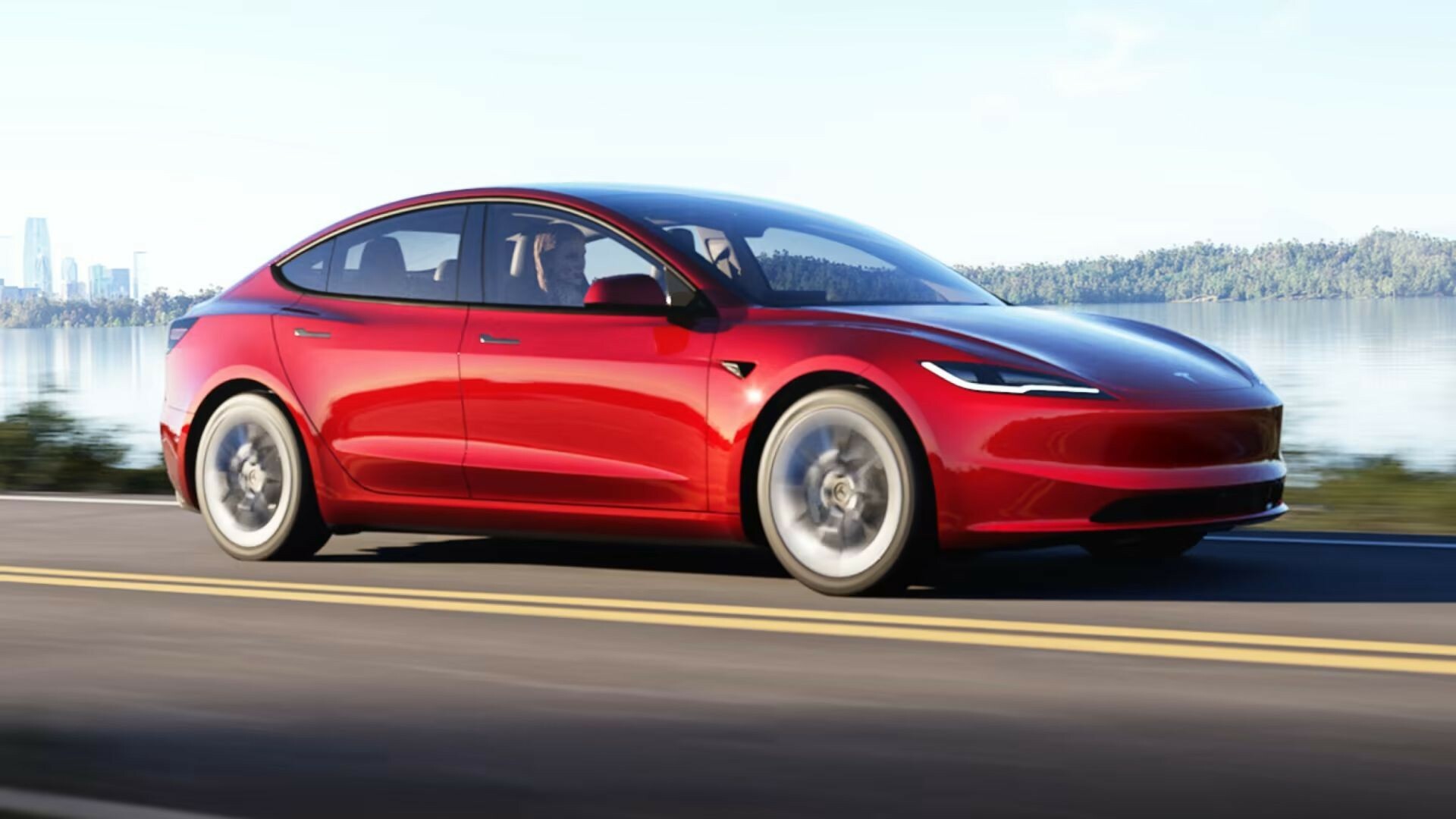
A Tesla Model 3 salary sacrifice is the lowest-cost way into a genuinely good premium EV through payroll in 2026, because the Model 3 carries one of the smallest P11D values in the class and the company-car benefit-in-kind rate on an electric car is still only 4 per cent for 2026/27. Sacrifice the lease from gross pay and a higher-rate taxpayer dodges income tax and national insurance on that money, while the tax on the car stays trivially small. Here is how the maths lands, which version keeps your bill lowest, and the points worth settling before you place the order.
What a Model 3 sal-sac saves in numbers
Two things make a salary-sacrifice EV cheap: the income tax and national insurance you avoid on the sacrificed salary, and the small benefit-in-kind charge on the car. The Model 3 wins on the second because its P11D is low. We read the BiK rate from the HMRC schedule and built the figures below from Tesla UK list pricing; run your own spec and scheme quote before you commit.
- EV BiK rate 2026/27: 4 per cent, per HMRC’s appropriate-percentage tables (checked 31 May 2026).
- Why the Model 3 is cheap: a sub-£45,000 P11D on the rear-drive car keeps the benefit-in-kind bill tiny.
- Headline saving: sits in the income-tax and NI relief on the sacrifice, not in the car tax.
Why a Tesla Model 3 salary sacrifice is the entry point to a premium EV
Most premium EVs that suit salary sacrifice start at a P11D north of £50,000. The Model 3 does not: the rear-drive car sits well under that, which directly lowers the benefit-in-kind charge and usually the monthly sacrifice too. Add Tesla’s Supercharger network, strong real-world range and low running costs, and the Model 3 becomes the default first answer for anyone asking which EV to take through their employer’s scheme. It is the value end of the premium-EV market, not a compromise.
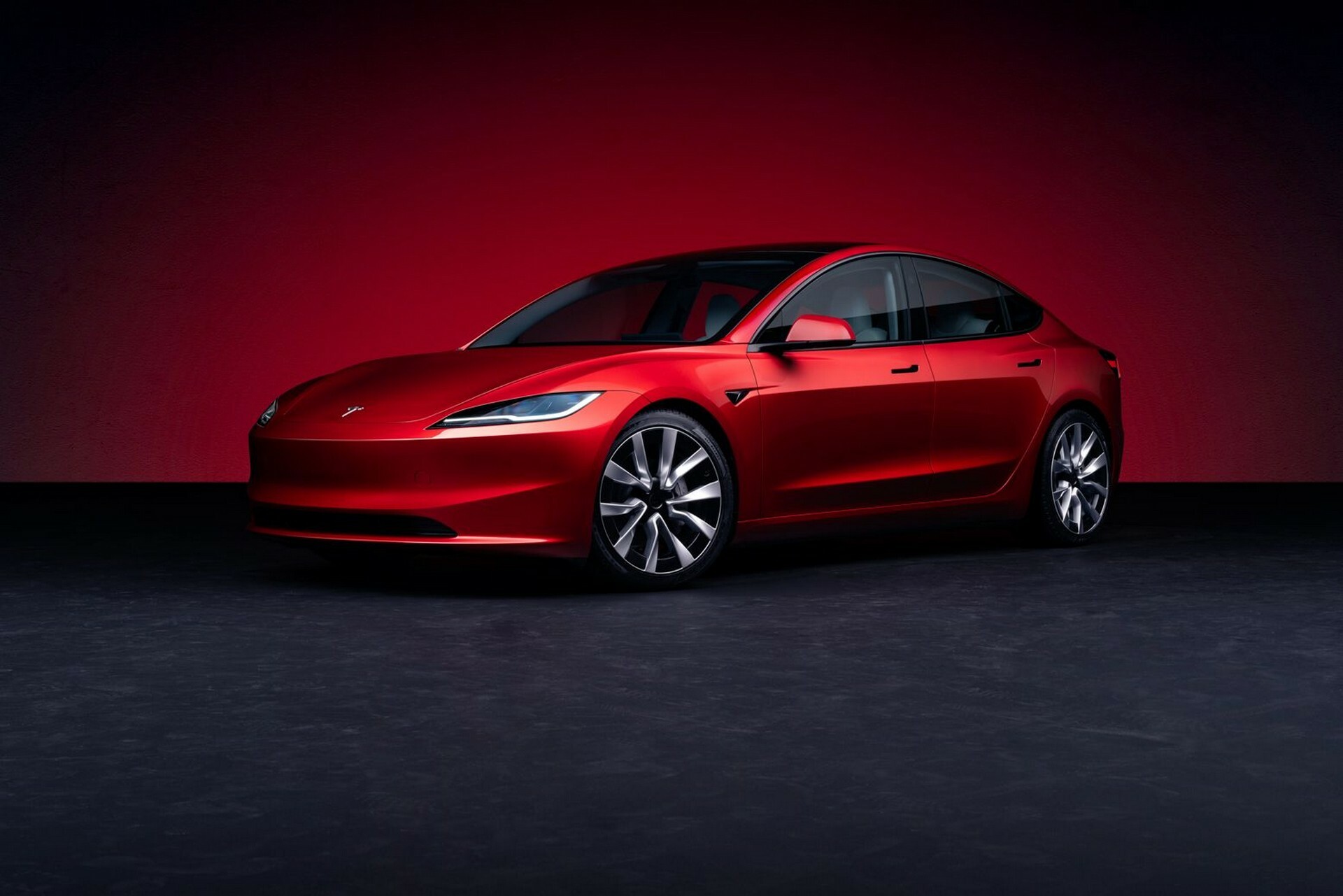
As with any scheme, the sacrifice cannot drop your gross pay below the National Minimum Wage, so the affordable P11D actually helps here too: a Model 3 is easier to fit inside that floor than a more expensive rival, which means more employees can take one without hitting the cap.
Reading the BiK rate from the HMRC tables
The benefit-in-kind you pay on the car is its P11D value times the appropriate percentage times your marginal income-tax rate. For a zero-emission car that percentage is 4 per cent in 2026/27, per HMRC’s published company-car tax tables, rising to 5 per cent in 2027/28, 7 per cent in 2028/29 and 9 per cent in 2029/30. We quote these from the HMRC schedule rather than memory because the numbers change at Budgets; confirm the figure for your start year before signing. Even at 9 per cent the EV rate remains a fraction of a petrol company car.
RWD, Long Range or Performance: the P11D that drives your bill
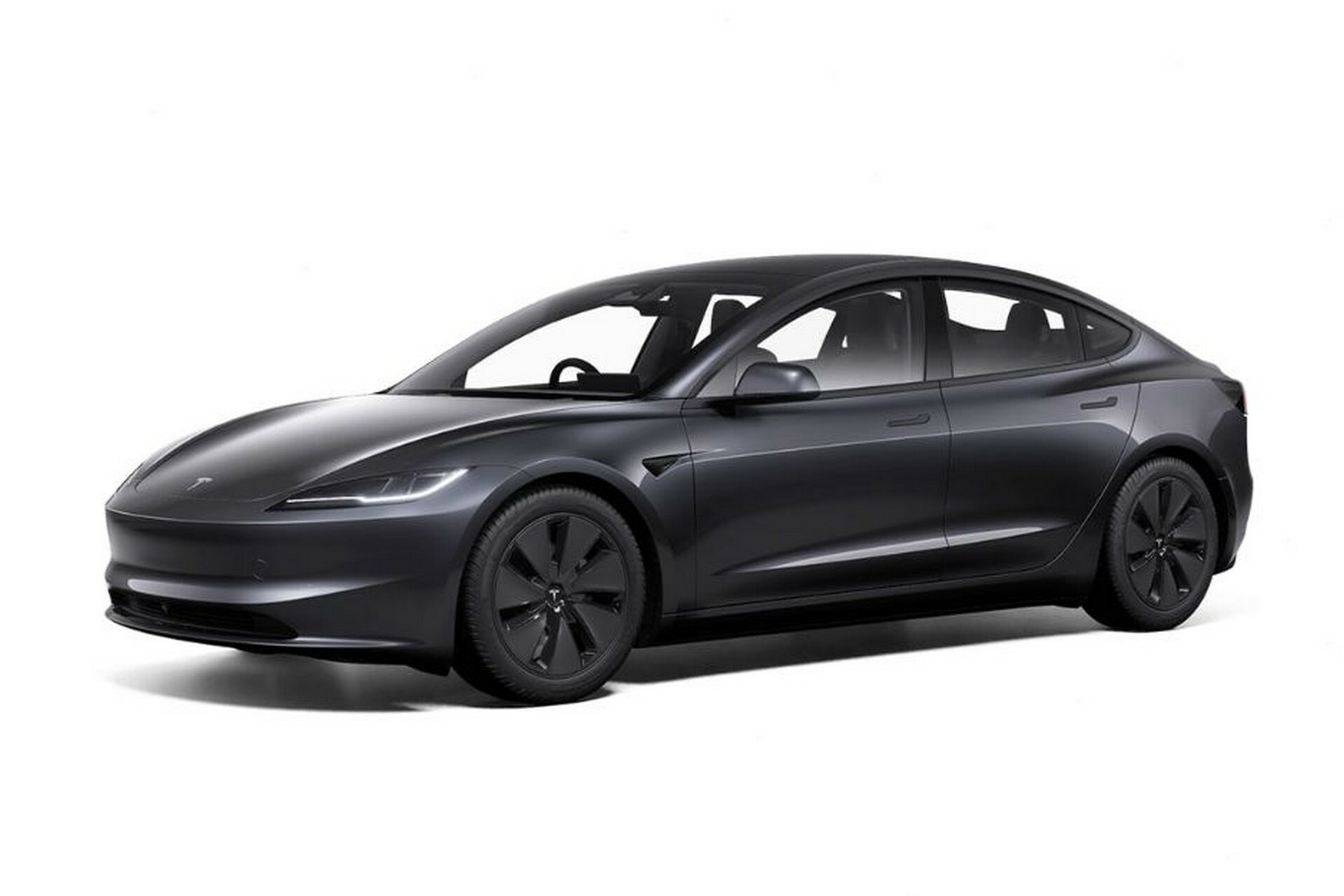
Because benefit-in-kind scales with P11D, the cheapest Model 3 gives the lowest tax. The rear-drive car is the value pick and, for most company drivers, has more than enough range and pace. The Long Range Dual Motor adds range and all-weather traction for a higher P11D, and the Performance pushes both the price and the bill up sharply. Our view: take the rear-drive Model 3 unless you genuinely need the extra range or four-wheel drive, because on a sal-sac the Performance’s higher P11D costs you every single month.
A worked example on a Model 3 RWD
Take a rear-drive Model 3 with a P11D of around £40,000 (use Tesla UK’s current figure for your spec). At the 2026/27 rate of 4 per cent the taxable benefit is £1,600 a year. A higher-rate taxpayer therefore pays £640 a year, about £53 a month, in benefit-in-kind on the car. That is the entire company-car tax bill. The rest of the saving comes from paying the lease out of gross salary, which spares a higher-rate employee 40 per cent income tax and 2 per cent national insurance on that slice of pay, dropping the true net cost well below a comparable personal lease.
| Model 3 RWD BiK (P11D ~£40,000, 4%) | Taxable benefit | BiK tax |
|---|---|---|
| Basic-rate (20%) taxpayer | £1,600/yr | £320/yr (£27/mo) |
| Higher-rate (40%) taxpayer | £1,600/yr | £640/yr (£53/mo) |
| Additional-rate (45%) taxpayer | £1,600/yr | £720/yr (£60/mo) |
Charging, the Supercharger network and what is in the scheme
A big part of the Model 3’s appeal on sal-sac is running cost: home charging is cheap on an EV tariff, and the Supercharger network makes longer trips painless. What you need to pin down is what the scheme bundles in. Most premium salary-sacrifice packages include insurance, maintenance, tyres and breakdown, which is why the monthly figure looks higher than a bare lease but is usually cheaper once those are added back. Check the mileage allowance and excess rate, whether a home charger is included, and the early-exit terms. If you are cross-shopping, our Tesla Model Y salary sacrifice and Polestar 2 salary sacrifice guides use the same method on close rivals.
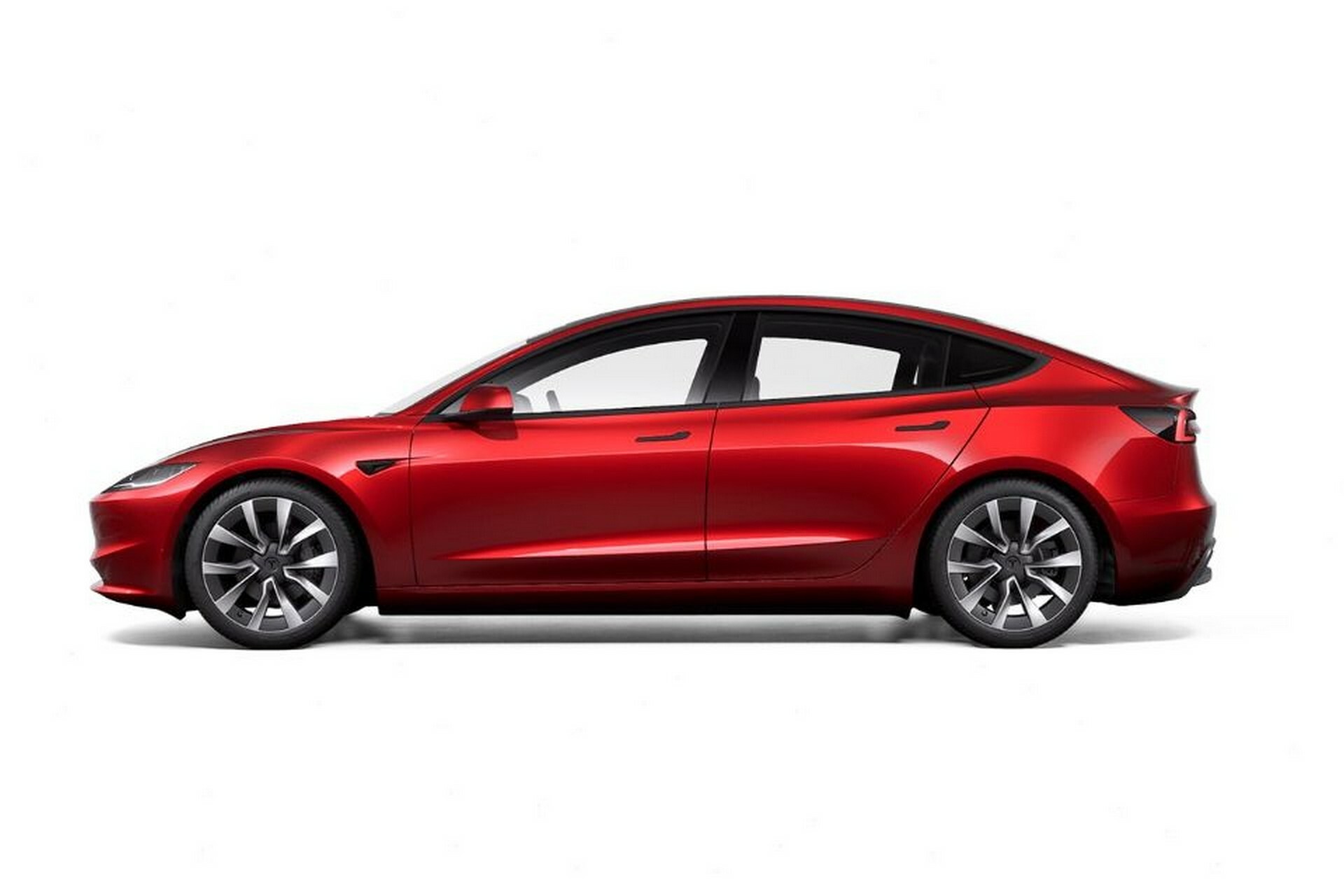
To judge the Highland-generation car itself, with its stalkless wheel and revised cabin, this independent UK road test is a sensible watch before you order.
Questions to settle before you order
Work through these before you place the order:
- Confirm the EV BiK rate for your start tax year on the HMRC tables, not from an old article.
- Get the exact P11D for your chosen Model 3 spec from Tesla UK and recompute the BiK.
- Decide honestly whether you need Long Range or Performance, or whether rear-drive saves you money for no real loss.
- Ask what happens on early exit if you leave the employer, and the size of any termination charge.
- Check whether insurance, maintenance, tyres and a home charger are included, plus the mileage limit.
- Confirm the sacrifice keeps your gross pay above the National Minimum Wage.
If you can access a scheme, a Tesla Model 3 salary sacrifice is one of the smartest money moves a UK higher-rate taxpayer can make in 2026. The low P11D keeps the benefit-in-kind charge to around £50 a month for a higher-rate driver, the sacrifice strips income tax and NI off the lease, and you get a fast, long-range, cheap-to-run EV with the best charging network in the country. We would take the rear-drive car, lock in while the 4 per cent rate applies, and read the early-exit clause before signing. The only buyers who should hesitate are those whose salary is low enough for the National Minimum Wage floor to bite, or whose scheme strips out insurance and charging a rival includes. For most, this is the easiest premium EV decision on the board.

How much does a Tesla Model 3 cost on salary sacrifice?
Which Tesla Model 3 is cheapest on sal-sac?
What is the BiK rate on a Tesla Model 3 in 2026?
Is a Model 3 salary sacrifice better than a personal lease?
What happens to my Model 3 sal-sac if I change jobs?
Related reading on CDE
Buyer action
EV and salary-sacrifice checks
Use this as the final check before paying a deposit, signing finance paperwork or relying on a headline monthly figure.