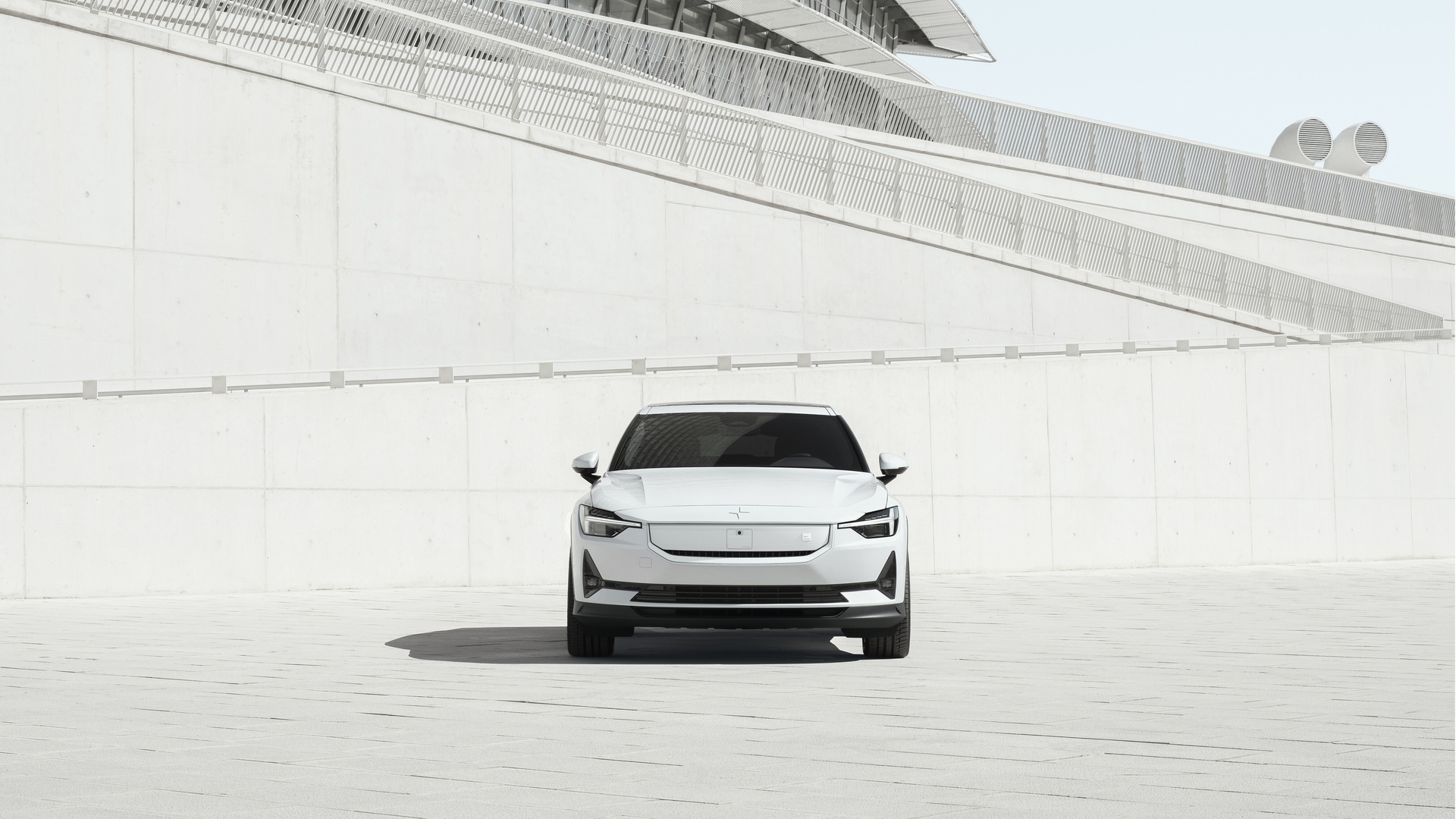
The EV battery warranty is the line in the brochure premium buyers misread most, and it costs them at resale. The standard cover runs eight years or 100,000 miles, yet the promise is far narrower than the headline suggests. We explain what it actually guarantees, the State-of-Health threshold that triggers a claim, what voids it, and the checks a used Tesla, BMW i or Polestar buyer must make before paying a deposit.
What real owners say (CDE data)
- Most-reassured by: real-world longevity, fleet data indicating roughly 80% capacity retained after eight years, and warranty transfer to the next owner.
- Most-frustrated by: the 70% threshold feeling unreachable, capacity not measured at handover, and missed-service paperwork threatening cover.
- Reliability signal: published fleet research points to average degradation of roughly 2% a year; outright replacements remain rare, but contested SoH and voided cover are the recurring premium-used complaints.
What the EV battery warranty actually covers
The EV battery warranty is a separate promise from the rest of the car, and it does two jobs only. First, it covers a manufacturing defect in the high-voltage pack: a failed module, a fault that bricks the battery, a genuine build problem. Second, it covers excessive capacity loss, the pack degrading faster than the maker says it should. That second part is the one buyers fixate on, and the one with the catch. Most premium makers, Tesla, BMW, Polestar and Jaguar among them, set the bar at retaining 70% of original capacity. Drop below 70% State-of-Health inside the term and the maker repairs or replaces the pack. Sit at 72% with a noticeably shorter real-world range and you have a healthy car by the contract and no claim. Normal, gradual fade is explicitly not a defect: the warranty insures against a cliff-edge failure, not against your range slowly shrinking.
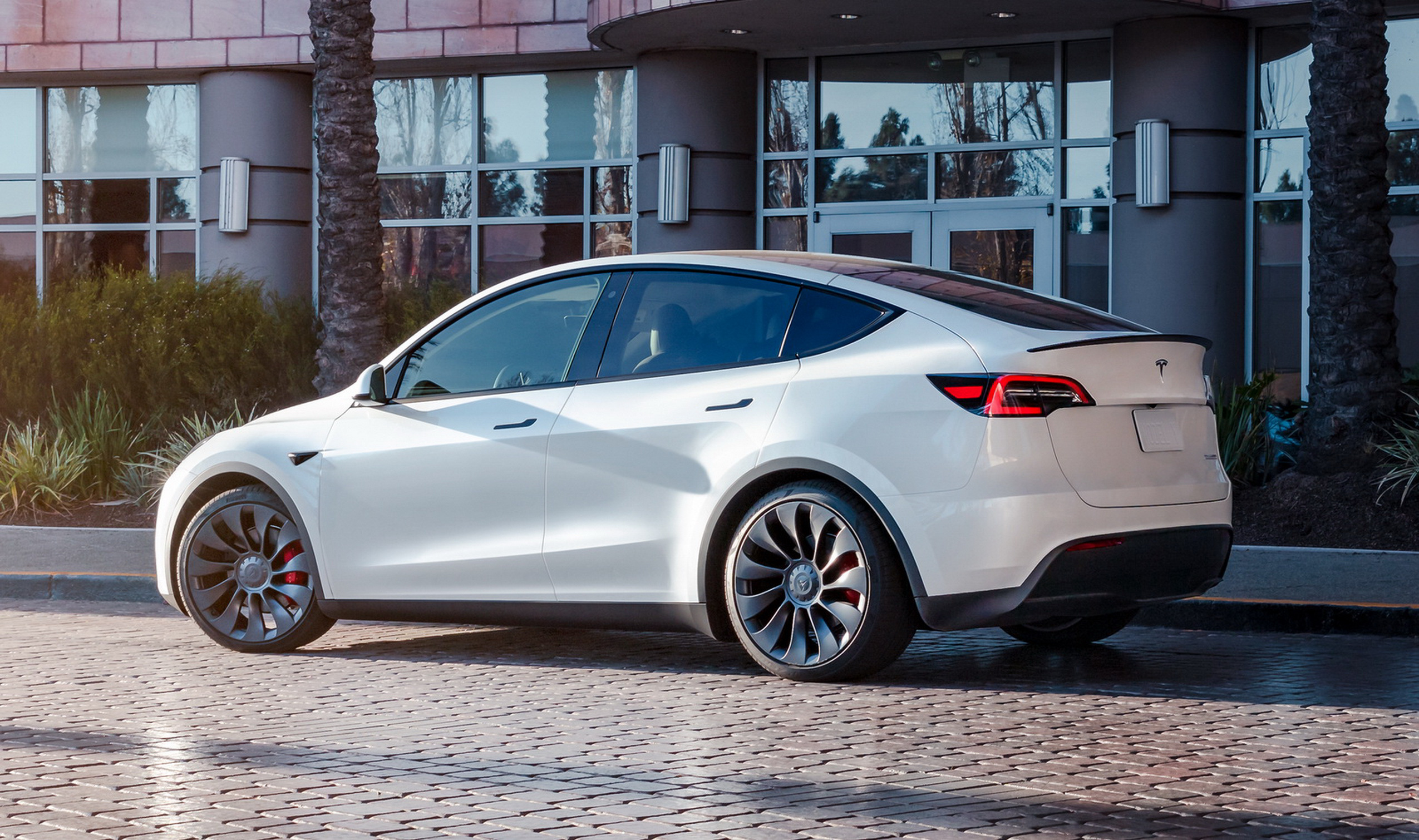
Battery warranty versus vehicle warranty: two clocks, two promises
This is the distinction that trips up most premium-used buyers. Your car carries two warranties on different clocks. The vehicle warranty covers the body, electronics, motors and trim, and on most premium marques it lasts three years. The battery warranty is longer, usually eight years, and covers the high-voltage pack alone. A five-year-old Audi e-tron can be outside its vehicle warranty while still inside its battery cover. The reverse trap matters more: hearing “eight-year warranty,” buyers assume the whole car is protected for eight years. It is not. The drive unit, the 12-volt system, the air suspension and the infotainment fall under the shorter vehicle warranty or have already expired. This is exactly why our guide to used car warranty exclusions and what premium cover misses matters before you sign.
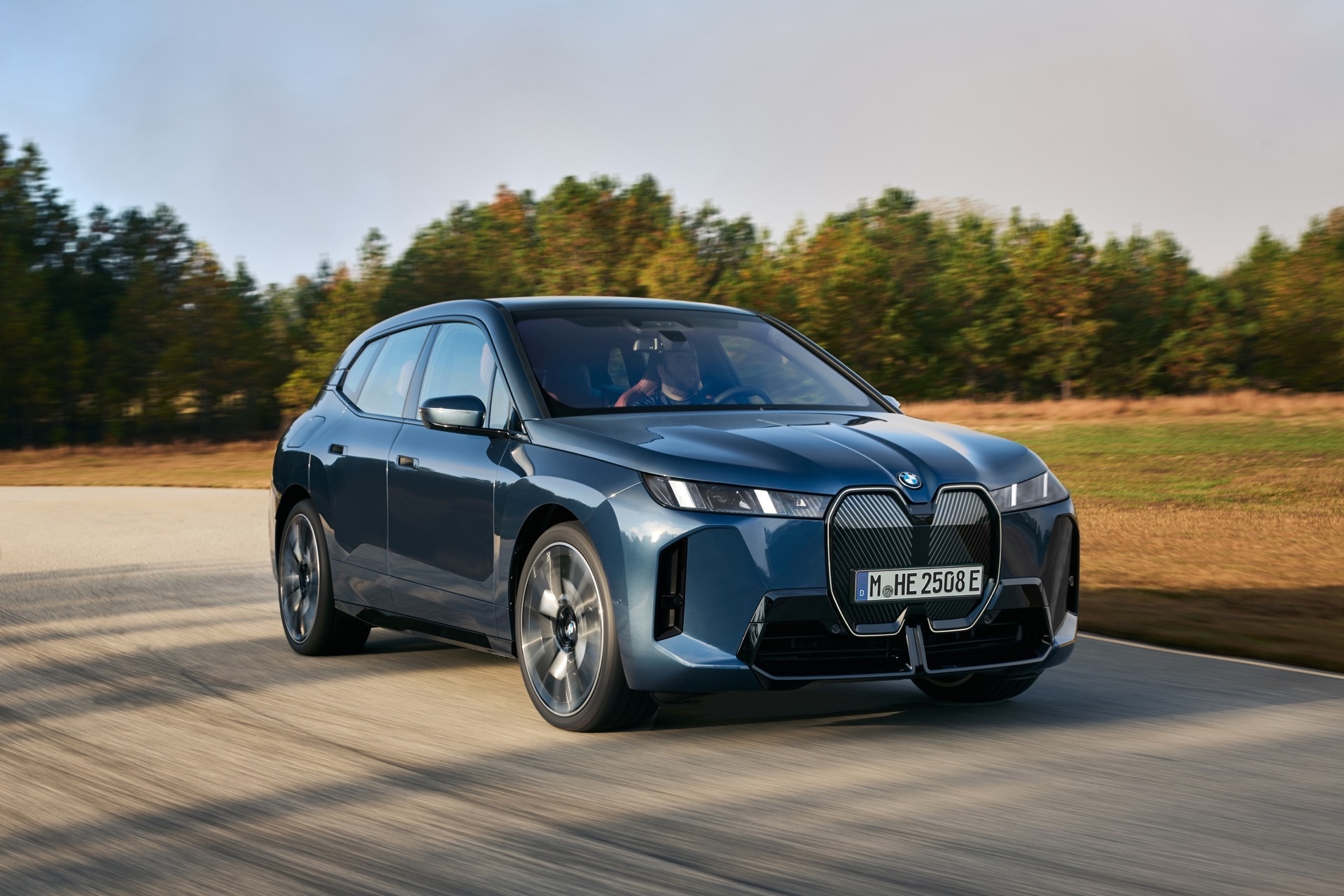
Premium marque cover compared: the terms table
The eight-year, 100,000-mile figure is the floor, not the rule. Mercedes-Benz UK runs a longer BEV Battery Certificate on its larger cars, and several makers are less explicit than others about the exact capacity threshold they will honour. The table below pulls each maker’s published UK terms. The honest point it shows: the headline duration is similar, but the published SoH trigger is not uniform, and that gap is where a used buyer carries the risk.
| Make (premium EV) | Battery cover | Published capacity trigger |
|---|---|---|
| Tesla (Model 3/Y) | 8 years / 100,000 miles (higher mileage cap on some Long Range variants, confirm at purchase) | Below 70% retention |
| BMW i (iX, i4, i5) | 8 years / 100,000 miles | Below 70% net capacity |
| Mercedes-Benz EQE / EQS | BEV Battery Certificate (extended term beyond the 8-year baseline, exact years and km per manufacturer, confirm at purchase) | Capacity loss covered; single % not separately published |
| Mercedes-Benz EQA / EQB | 8 years / 100,000 miles (160,000 km) | Capacity loss covered; single % not separately published |
| Audi e-tron / Q8 e-tron | 8 years / 100,000 miles | Not separately published on UK page |
| Polestar (2, 3, 4) | 8 years / 100,000 miles (160,000 km) | Below 70% State-of-Health |
| Jaguar I-Pace | 8 years / 100,000 miles | Below 70% State-of-Health |
| Genesis (Electrified GV60/GV70) | High-voltage battery term per manufacturer, confirm at purchase (the general vehicle warranty is 5 years, unlimited miles) | Not separately published on UK page |
Why 70% State-of-Health is a low bar
Seventy per cent sounds protective until you do the range maths. Take a premium EV with a 300-mile WLTP figure. At the 70% threshold it would deliver around 210 miles before the warranty even engaged, and on a cold motorway run in February the real number lands lower still. You have lost the best part of a third of your range and the maker owes you nothing, because the contract was met. The good news is that almost no car gets near 70% inside the term. Large-sample fleet research points to average capacity in the region of 80% after eight years, with degradation of roughly 2% a year, a point we cover in our EV battery degradation study. So the threshold rarely pays out. The number that matters is the measured State-of-Health of the specific car in front of you, not the warranty floor it would have to crash through.
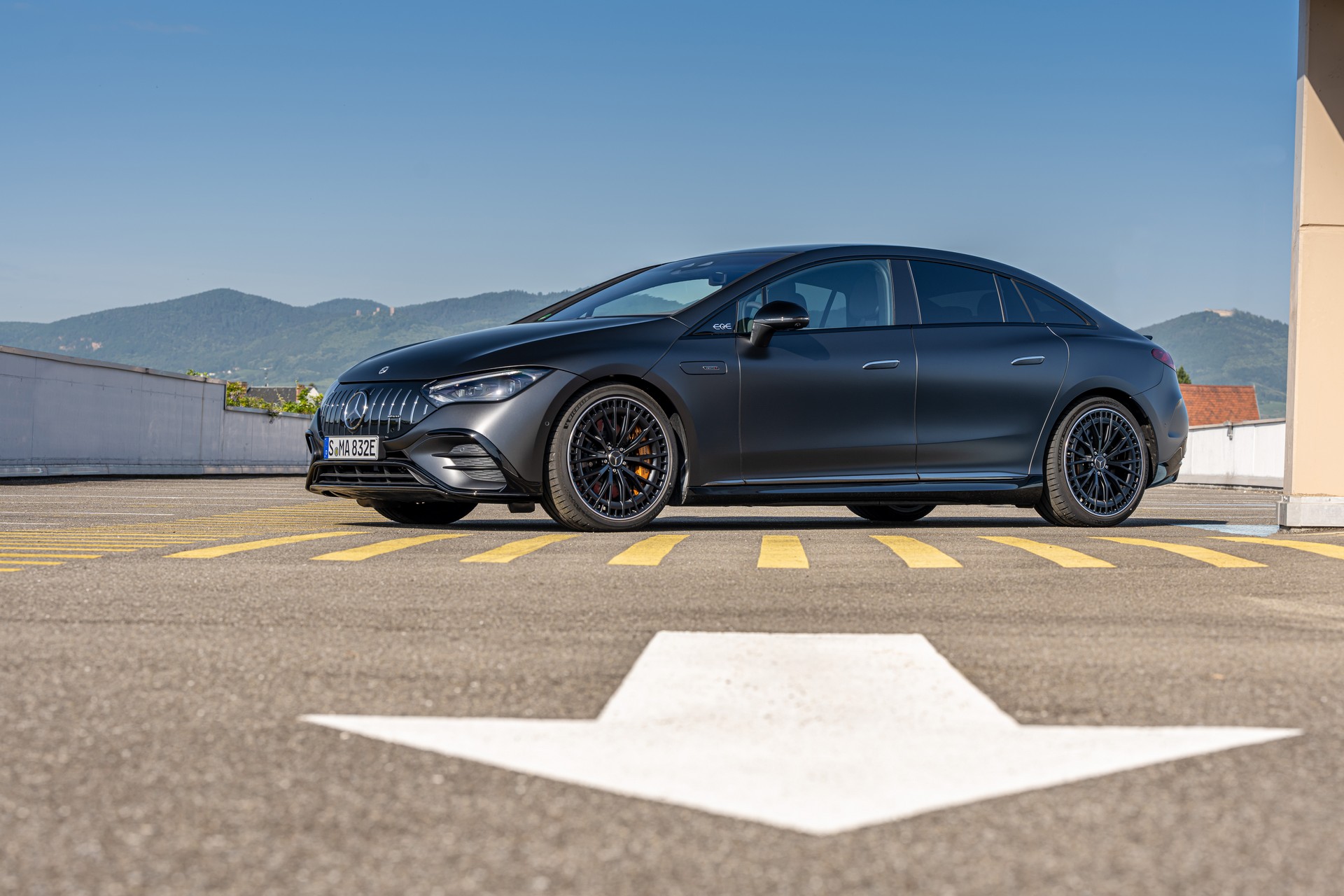
What voids the cover: servicing, repairs and charging
The cover is not unconditional, and the exclusions are where a clean-looking used car becomes a liability. Three things put a battery warranty at risk. First, non-approved repairs: any work on the high-voltage system by an unauthorised garage, or a third-party battery repair, can void the pack cover outright. Second, missed servicing: the maker still expects the scheduled inspections logged, and a broken service record gives an assessor a reason to push back on a borderline claim. Third, abuse and certain charging behaviour: physical damage, water ingress, using a damaged cable, or modifying the car can all be excluded. Routine rapid charging is fine and will not void cover, despite the forum folklore; what the makers exclude is genuine misuse, not normal DC use. A premium EV with patchy history and no main-dealer record is not just a depreciation risk, it is a warranty risk, because the burden of proving the pack was looked after sits with you.
Used premium EV checks before you pay a deposit
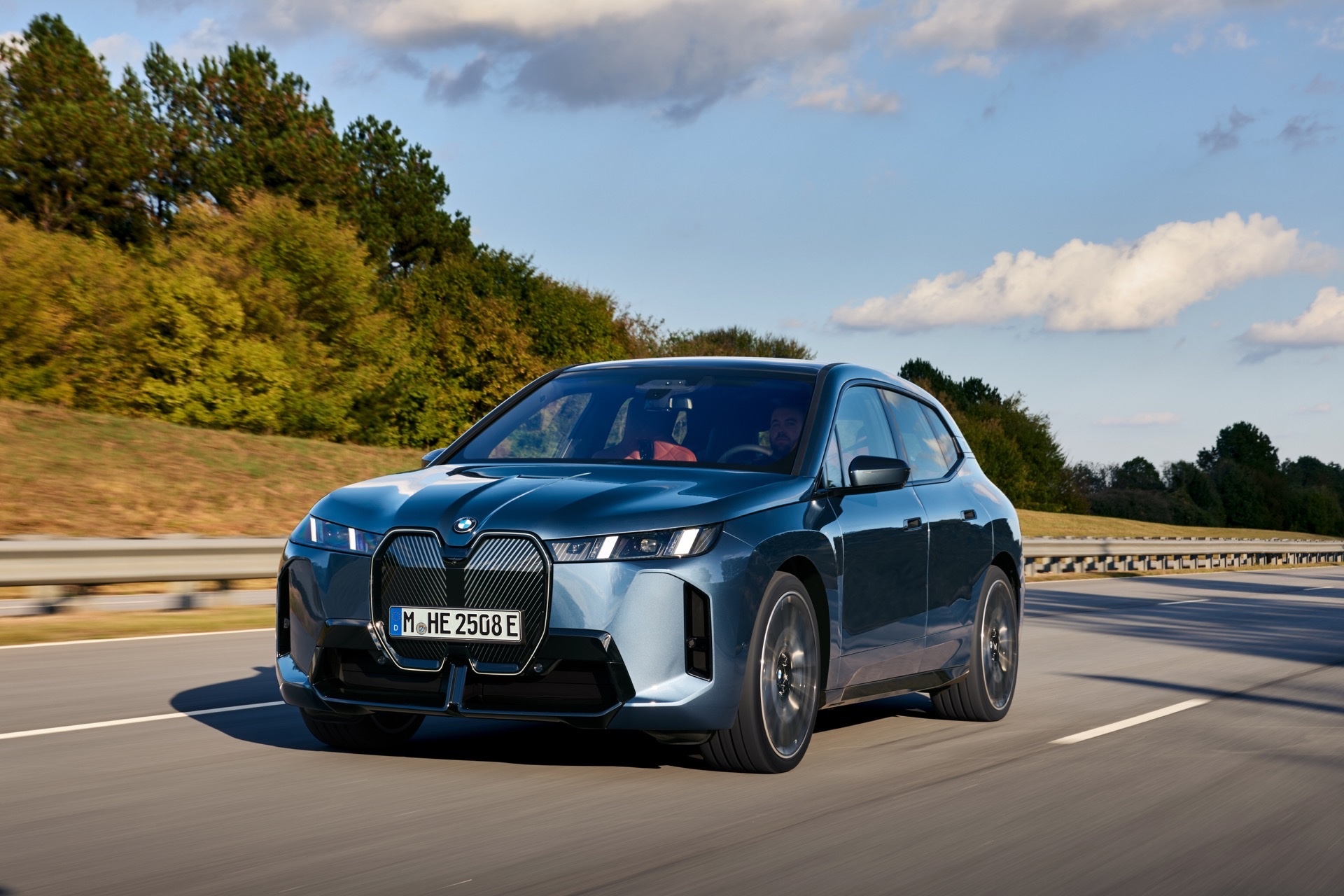
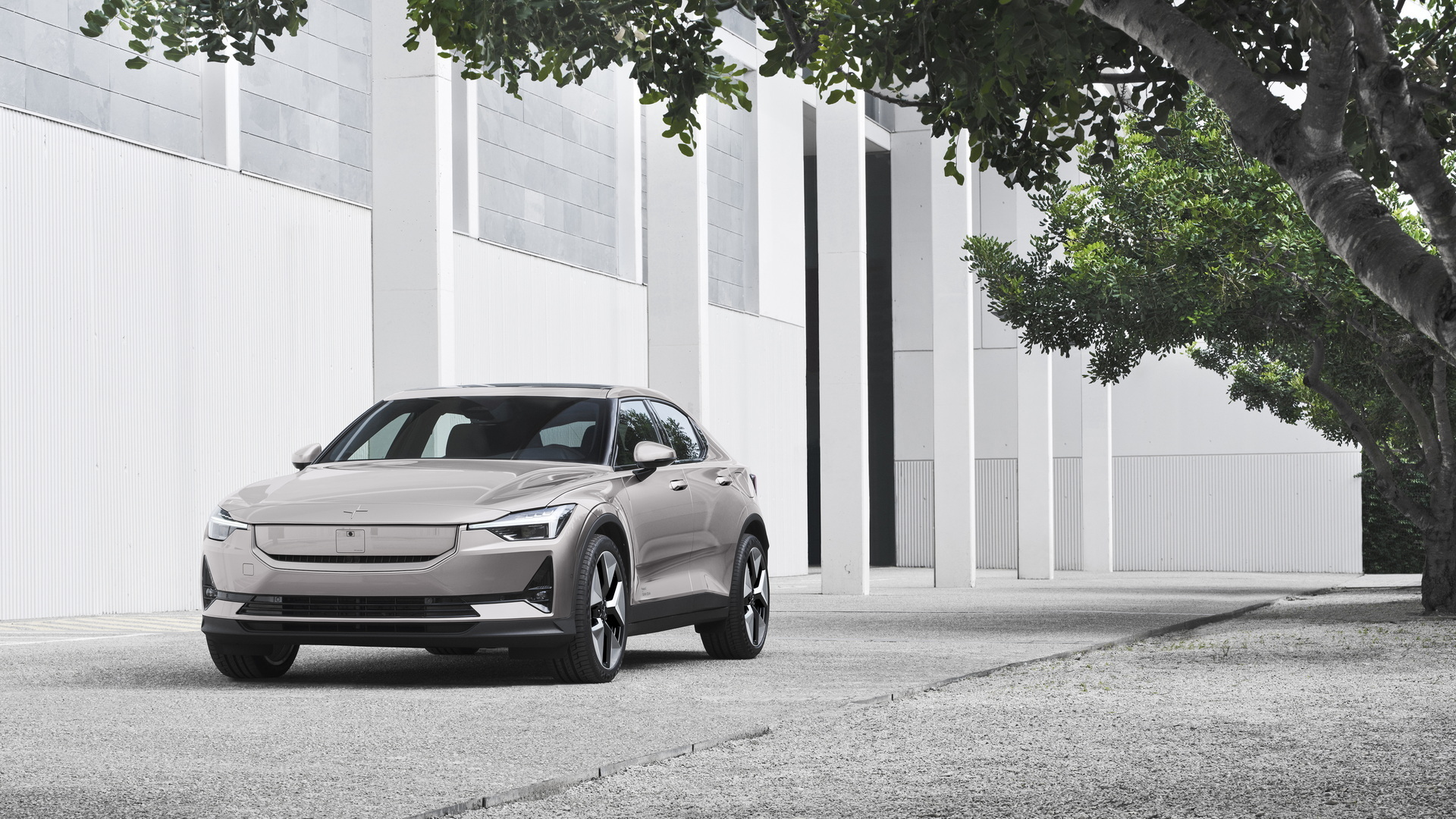
Buying a five-year-old premium EV means buying the remaining warranty, so treat it as part of the price. Run these checks before any deposit. Get a battery State-of-Health report: Polestar now issues battery health certificates on its approved used cars, and most marques can pull an SoH reading at a service centre, so insist on a measured figure rather than the seller’s word. Confirm how much of the eight-year, 100,000-mile term is left and whether it transfers cleanly to you; on the major marques it does, but verify it in writing. Check the full service history is intact and main-dealer where the warranty wording demands it. Run the registration through the DVSA recall checker for open high-voltage actions. And weigh aftermarket cover for the rest of the car, since the battery may be warranted long after the vehicle warranty has lapsed, the logic we set out in our Warranty Direct, MotorEasy and ALA aftermarket comparison and our Jaguar I-Pace used buyer’s guide. A clean SoH report plus transferable cover is worth paying for; a vague answer to either is a reason to walk.
How the cover shapes a salary-sacrifice or finance decision
If you are taking a premium EV on a scheme rather than buying outright, the battery warranty still matters, just differently. On a salary-sacrifice lease the pack is the provider’s risk, not yours, but the residual the scheme prices in reflects how battery health should look at handback, and a strong transferable warranty supports that value. If you are weighing payroll against ownership, the maths in our Tesla Model Y salary sacrifice guide and BMW iX salary sacrifice numbers shows where a scheme beats cash, and our EV section tracks the models a UK premium buyer should compare.
Our view is that the EV battery warranty is worth far less as a safety net than buyers think, and far more as a resale document. The 70% State-of-Health threshold is a low bar that almost no premium car will hit inside eight years, so it should not reassure you into skipping a real battery health check. The eight-year term, by contrast, is genuine value when it transfers to you with clean paperwork, because it underwrites the most expensive component on the car. Buy the measured SoH, not the headline. We would pay a premium for a used Polestar with a battery health certificate or a Tesla with full transferable cover, and walk away from any premium EV where the seller cannot produce an SoH reading and a clean service record. The warranty that protects your money is the one written down and proven, not the eight years assumed.
How long is the EV battery warranty on a premium car?
What does the 70% capacity threshold mean?
What voids an EV battery warranty?
Does the battery warranty transfer to a used buyer?
How do I check a used premium EV’s battery health?
Buyer action
EV and salary-sacrifice checks
Use this as the final check before paying a deposit, signing finance paperwork or relying on a headline monthly figure.