This article from Car Deal Expert’s archive remains live for reference. For our latest UK car-buying, finance and EV analysis, see our current Car news hub.
UPDATED · News · 22 May 2011 · Car Deal Expert Editorial Team
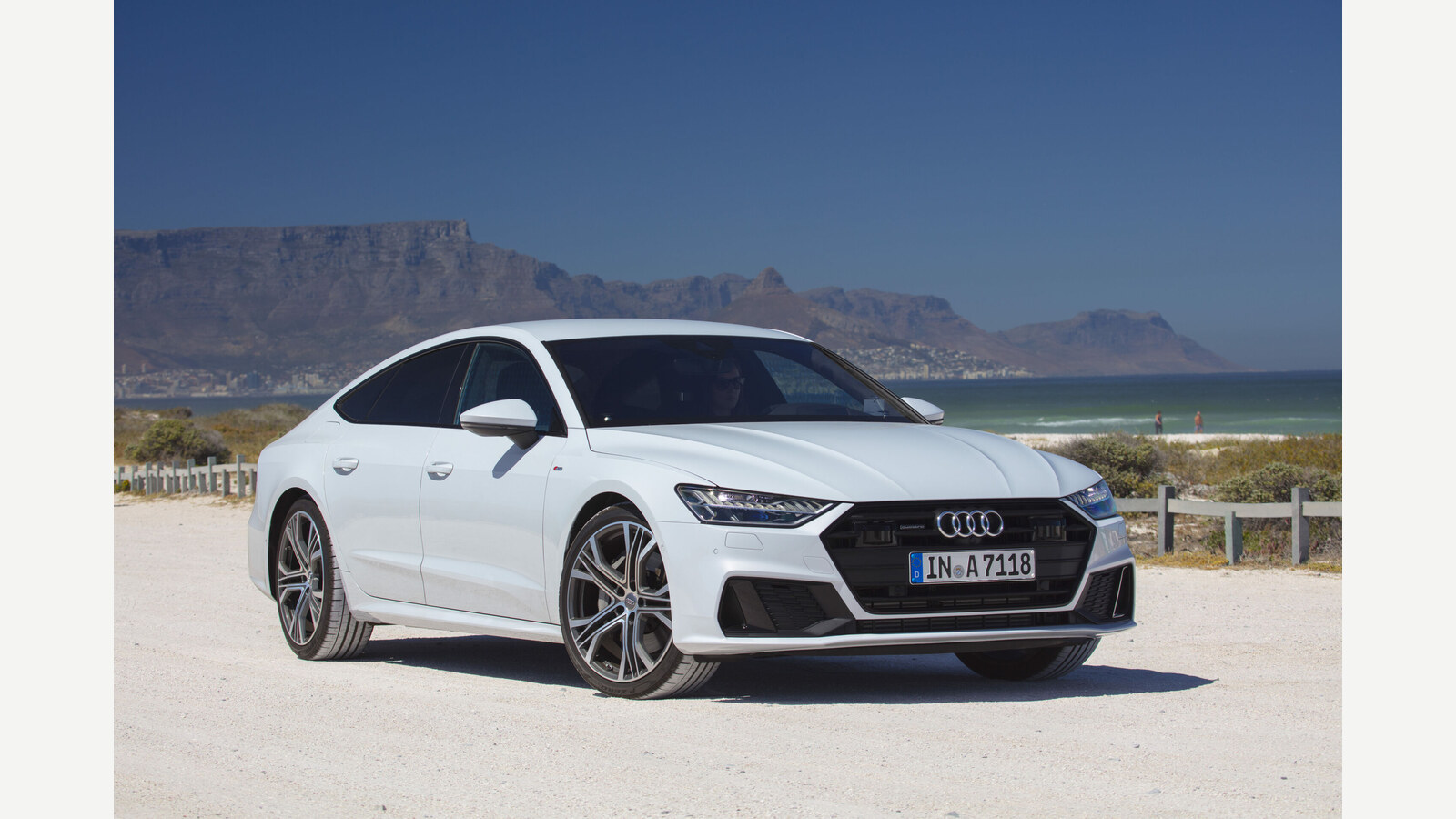
In the near future cars may communicate with one another in order to identify and warn us of upcoming hazards. Several U.S. auto makers are developing prototype vehicles, and the U.S. Department of Transportation is actively pursuing this technology. If implemented, this system has the potential to greatly reduce highway accidents and fatalities.
System more accurate than radar
This new technology, which is reportedly more accurate than radar, uses specialized GPS and WiFi technologies. By emitting a signal every 10 seconds, the system communicates with the vehicles around it, 360 degrees, for up to 900 feet. The technology senses and identifies potential hazards and alerts the driver through flashing red lights and beeps.
Automakers are looking ahead
Ford has been working on the technology for more than a decade. “Ford believes intelligent vehicles that talk to each other through advanced WiFi are the next frontier of collision avoidance innovations that could revolutionize the driving experience,” said Sue Cischke, Ford’s group vice president of sustainability, environment and safety engineering.
‘Road Trains’ leave the station
Volvo was recently involved in the first successful test of a “road train.” Road trains, formed through a process known as “platooning,” involve vehicles that are electronically tethered so that they can mimic the action of one another. This provides for a more efficient and safe flow of traffic.
“Platooning offers the prospect of improved road safety, better road space utilization, improved driver comfort on long journeys and reduced fuel consumption and hence CO2 emissions,” said Tom Robinson, spokesperson for the project.
Accidents greatly reduced
“This technology has the potential to save a lot of lives,” said Peter Appel, administrator of the Research and Innovative Technology Administration at the Department of Transportation. The DOT has estimated that this system could reduce traffic accidents by as much as 80 percent, when drugs and alcohol are not a factor.
Tech is cheap
The technology is relatively cheap, adding as little as $100 to the cost of a car. The system’s low cost would allow manufacturers to put it in both luxury and economy models.
Technology could be mandatory by 2013
The U.S. Department of Transportation will be conducting Driver Acceptance Clinics to introduce the technology in six cities across the United States starting in August. After the clinics are completed, the DOT hopes to put thousands of equipped vehicles on the nation’s highways. The technology could become mandatory as early as 2013, when federal officials are scheduled to make their decision.
Buyer action
Where to check next
Use this as the final check before paying a deposit, signing finance paperwork or relying on a headline monthly figure.