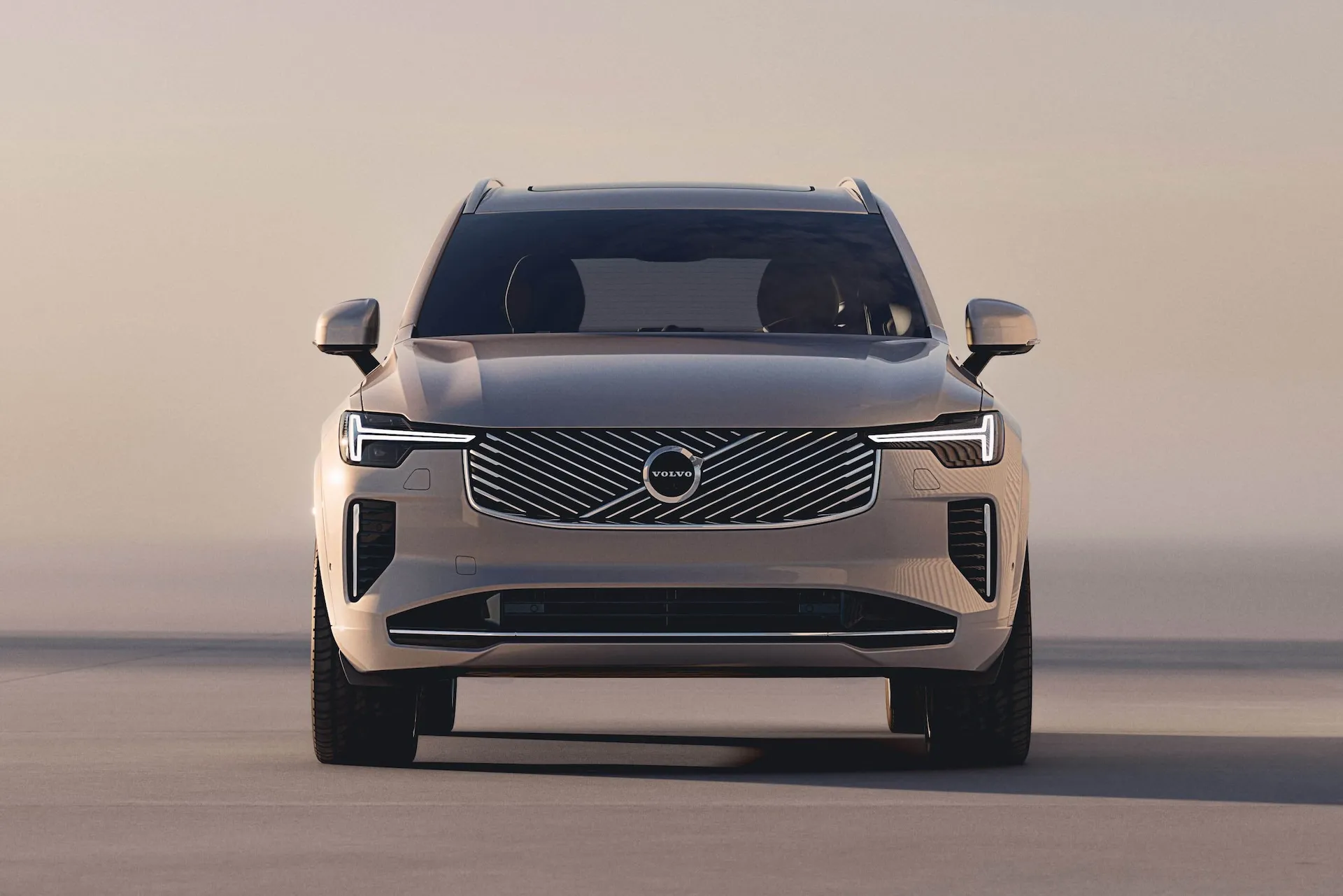
Add 155 miles in ten minutes plugged into a public rapid charger – that is the headline Volvo handed the EX90 when it confirmed the upgraded car in June 2025, and it is the single change that reframes this big seven-seat electric SUV from “fine for a school run” to genuinely usable on a long UK motorway slog. The rest of the 2026 update is quieter, but for anyone running one through a business it is arguably the more important half of the story.
I’ll be blunt about where I land before I get into the detail: the version that suddenly makes sense here is the cheapest one. That is not a sentence I write often about a £79,000 Volvo.
What actually changed for 2026 (Volvo EX90)
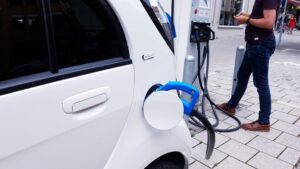
The structural change is the move to an 800V electrical architecture. That is what unlocks DC fast charging up to 350kW, and it is why Volvo can quote 155 miles of range recovered in ten minutes on a fast enough charger. On the more day-to-day measure, the battery goes from 10 to 80 per cent in 22 minutes across the range. For a car this size – and this heavy – that is the difference between a coffee stop and a proper sit-down lunch you did not want.

Two other hardware items matter. There is a new electrochromic panoramic roof that dims on demand rather than relying on a blind, first seen on the smaller ES90 saloon. And the brains have been upgraded to a dual Nvidia DRIVE AGX Orin setup running 500 TOPS of processing – the sort of spec that means very little on a forecourt and rather a lot three years into ownership, because it is the headroom the safety systems lean on.
The safety kit Volvo finally switched on
This is the part the car launched without, and the part that earned the upgrade its coverage. As Autocar reported, the 2026 car gains Emergency Stop Assist, which will bring the car to a halt and place an automatic e-call to the emergency services if it decides the driver has become unresponsive. There is automatic emergency steering that now works in darkness, leaning on the roof-mounted lidar to spot and swerve around a hazard the cameras alone might miss. And Park Pilot Assist takes over parallel parking.
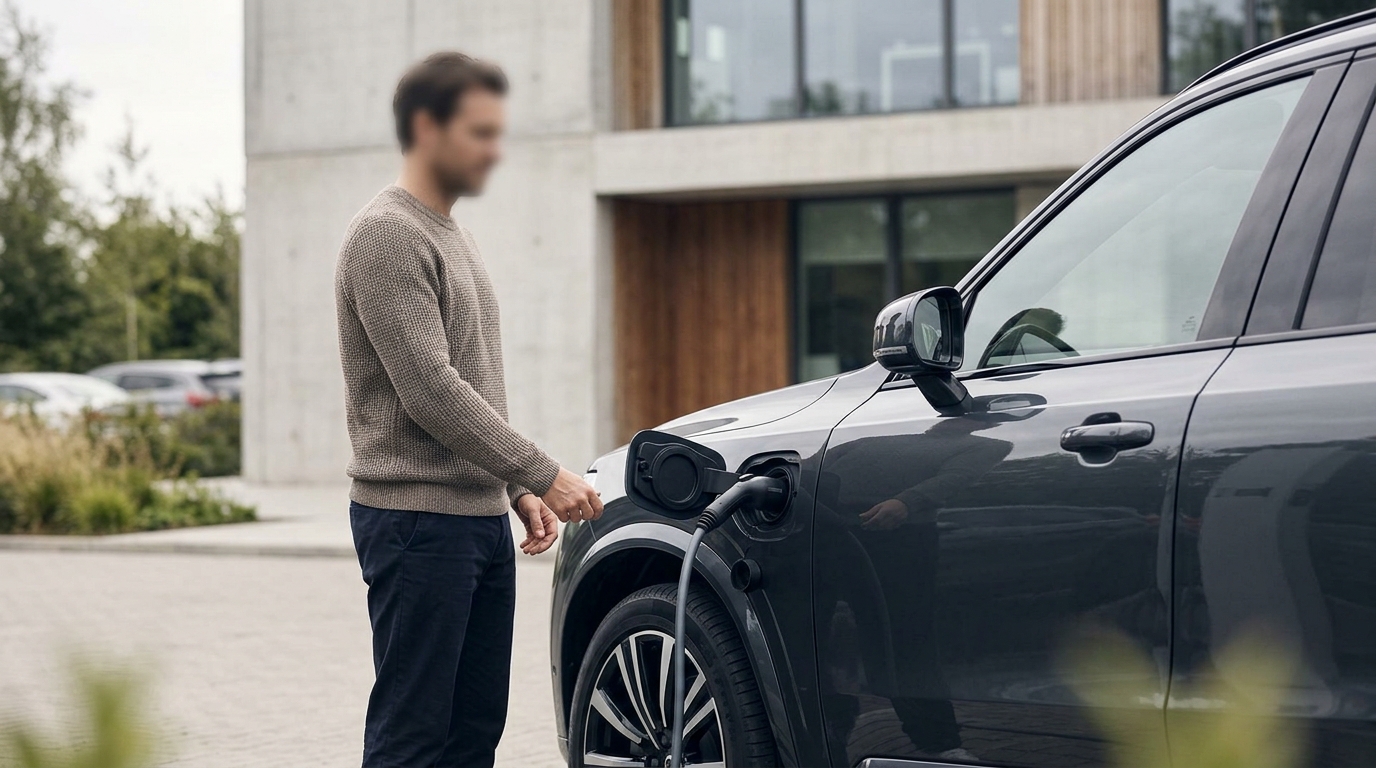
None of this is exotic in 2026 – rivals have offered lane-keep and assisted parking for years. What I find telling is that Volvo built a car around a lidar sensor and a safety pitch, sold it, and only switched on the headline functions afterwards. If you bought an early EX90 you have a right to feel slightly short-changed. If you are buying now, you are getting the car as it was always meant to be.
Range and charging: the numbers worth memorising
The line-up splits three ways. The Single Motor uses a 92kWh battery, sends 333hp to the rear axle, and is rated at 351 miles on the WLTP cycle. The Twin Motor steps up to a 106kWh battery, 456hp and 378 miles. The flagship Twin Motor Performance keeps the 106kWh pack, pushes to 680hp, and – because that power costs something – settles at 374 miles.

Note what that ordering does. The longest-range EX90 is not the most powerful one; it is the mid-spec Twin Motor at 378 miles. The Performance trades range for a 0-62mph time Volvo has not even bothered to revise, which tells you how much the brand thinks its buyers actually care about it. As a real-world proposition, 350-odd miles of WLTP range across the board lands at a usable 270-290 miles in genuine British winter conditions – enough, with 350kW charging behind it, to stop range being the thing you plan your week around.
The longest-range EX90 isn’t the most powerful one, and the cheapest is the one that wins on tax. That is not how premium SUVs usually work.
Pricing and the company-car case
Here is where the 2026 car gets interesting for fleet and salary-sacrifice buyers. The new Single Motor opens the range at £79,295 on the road. The Twin Motor Performance tops it out at £96,595. Autocar flagged that prices were expected to rise against the 2025 car, which started life around £83,000 – so the headline is really that Volvo has added a cheaper, rear-drive entry point below the old floor rather than simply marking everything up.
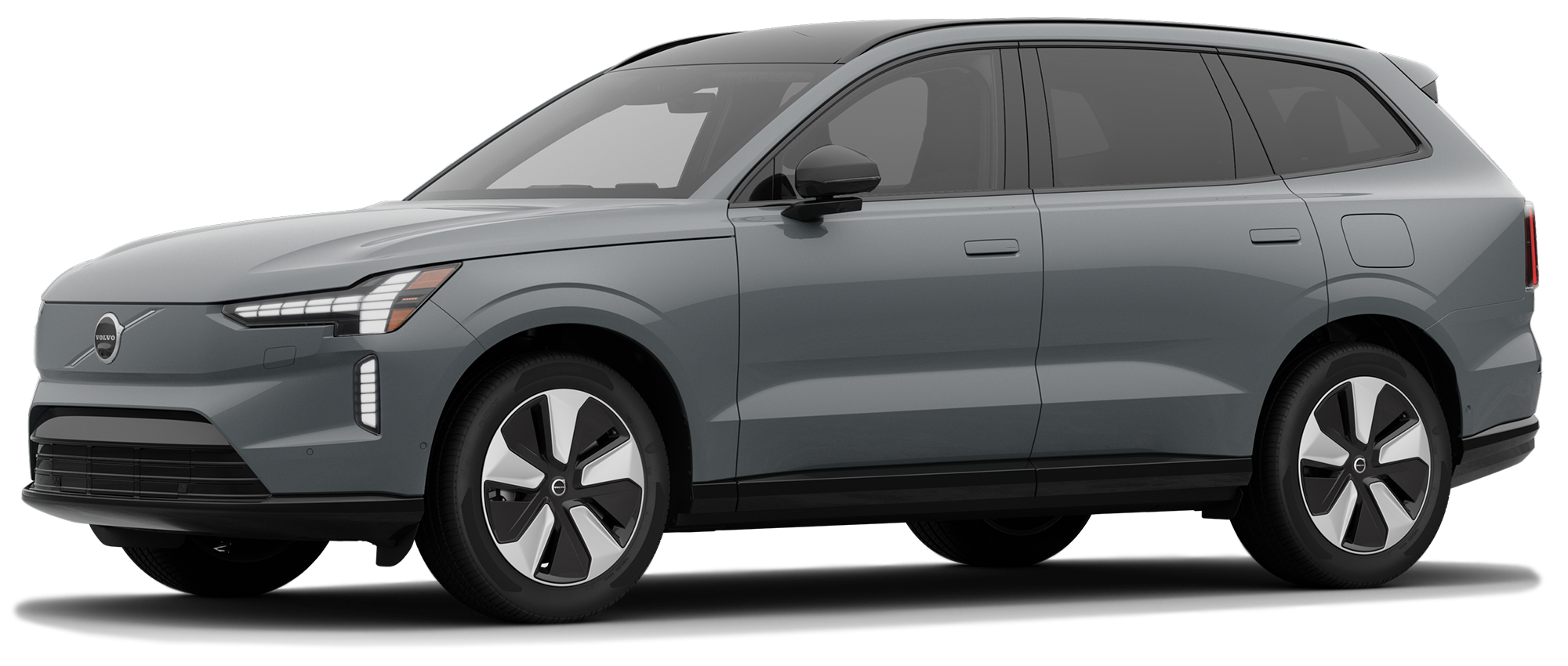
For a company-car driver that £79,295 figure is not just a sticker price – it is very close to the P11D value the taxman uses to calculate your monthly benefit-in-kind bill. Fully electric cars still sit in the lowest BiK band by some distance, and for the 2025/26 and 2026/27 tax years that gap over an equivalent petrol or diesel SUV is enormous. The maths is simple: the lower the list price you put into that calculation, the smaller the bill, and the Single Motor is the only EX90 that keeps the P11D below £80,000 while still clearing 350 miles. Tax bands can move at any Budget, so treat the band as a snapshot rather than a guarantee, and check the current company-car tax rates published by HMRC for your own tax year before you commit, because your exact bill depends on your salary band and the car’s P11D value. This is general information, not a finance or tax offer. But on today’s rules the entry car is the tax-efficient one by a clear margin.
The version I’d sign for – and the one I’d avoid
I would not buy the 680hp Performance. It is the slowest-charging way to spend the most money for the least range, and the EX90 is a calm, heavy family car that has no business pretending otherwise. The Twin Motor makes sense if you genuinely need all-wheel drive and the longest range, and you are paying cash.
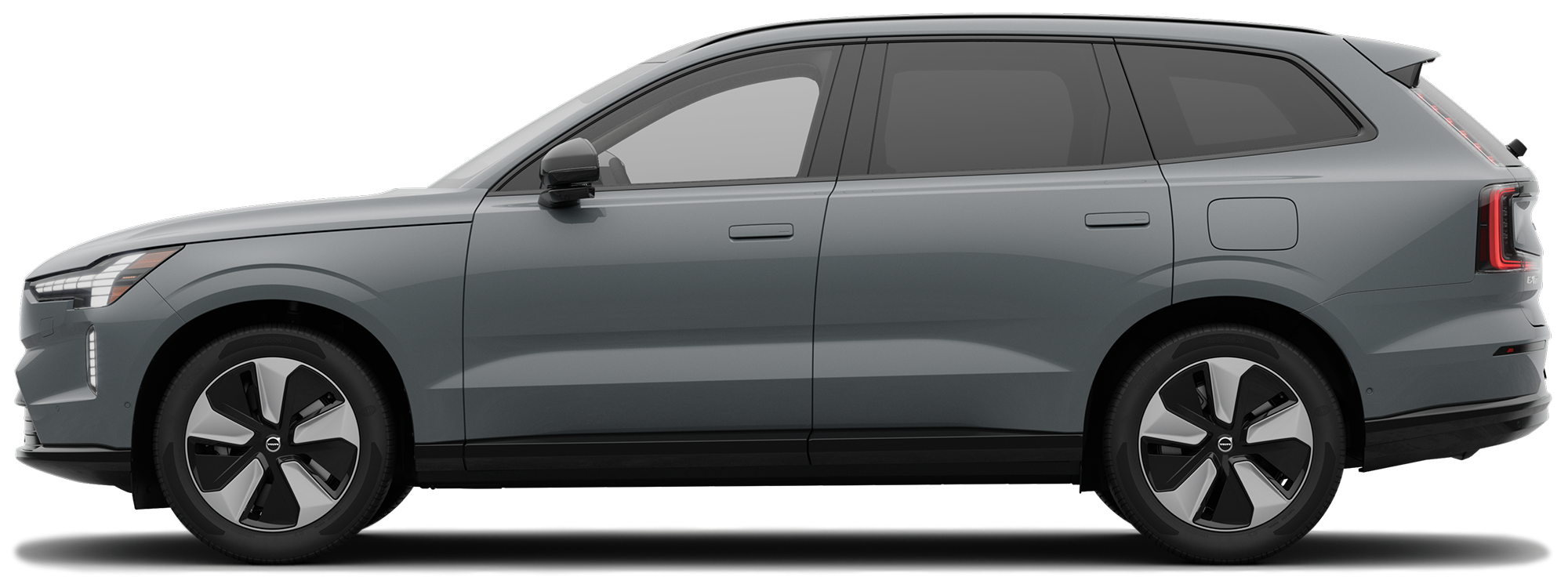
But if this is going on a business or a salary-sacrifice scheme – and for a car at this price, a large share of them will – the Single Motor is the one I would order without hesitation. It is the cheapest to tax, it still does 351 miles, and it charges exactly as fast as its pricier siblings. The only thing that would change my mind is the next Budget moving the BiK goalposts. Until then, the dull, rear-drive, “entry-level” EX90 is quietly the cleverest car in the range.
Buyer action
EV and salary-sacrifice checks
Use this as the final check before paying a deposit, signing finance paperwork or relying on a headline monthly figure.