UPDATED · News · 9 Jun 2026 · Michael Harrison
The Motability VAT change lands on 1 July 2026, and from today you have roughly 21 days to lock in the current zero-rate before standard VAT and Insurance Premium Tax start pushing up the cost of a new Scheme car. Order before that date and Motability’s price freeze holds your Advance Payment at today’s figure, even if the car is delivered months later. Miss it, and a typical three-year lease is expected to cost more upfront. Here is exactly what changes, what does not, and how to act in the window that is left.
What real owners say (CDE data)
- Most-praised aspects: existing leases left alone; the price-freeze grace period; the spread of zero Advance Payment cars that survive the change.
- Most-criticised aspects: the £400-ish typical rise on three-year deals; the new 30,000-mile cap; the sharper excess-mileage penalty.
- Practical signal: readers acting before 1 July overwhelmingly report ordering popular mainstream models (Skoda, Ford, Kia, Nissan, Vauxhall) rather than waiting, because the freeze rewards an early application.
The two new taxes in plain numbers
Two taxes arrive together on 1 July 2026. The first is VAT. The current zero-rate on Advance Payments and other top-up charges disappears, and the standard 20% rate applies instead, per the government’s published policy paper on reforming the Scheme’s tax reliefs. The second is Insurance Premium Tax. The Scheme’s IPT exemption is removed for standard cars, so the insurance built into the lease now carries IPT at the standard 12% rate. Crucially, neither tax touches the part of the lease funded directly by your mobility allowance; they apply to the additional charges layered on top, the Advance Payment chief among them.
| What changes on 1 July 2026 | From | To | Source |
|---|---|---|---|
| VAT on Advance Payments and top-up charges | 0% (zero-rated) | 20% standard | gov.uk |
| Insurance Premium Tax on standard-car cover | Exempt | 12% standard | gov.uk |
| Three-year mileage cap (new orders) | Higher allowances | 30,000 miles (10,000/yr) | motability.co.uk |
| Existing leases and pre-1-July orders | Zero-rated | Unchanged (price freeze) | motability.co.uk |
What does that mean in cash terms? Motability Operations estimates the average Advance Payment will rise by around £400 over a three-year lease once the change takes effect, a figure reported by Honest John and used widely across UK dealer briefings. That is an average, not a fixed surcharge: a £0 Advance Payment car still costs nothing upfront, while a car with a £2,000 Advance Payment today would see 20% VAT added to that top-up. The maths is simple enough to run yourself. A £1,500 Advance Payment becomes £1,800 with VAT applied, a £300 difference you avoid entirely by applying before the deadline.
Order before 1 July and the price freeze protects you
This is the single most important point, and the one Scheme customers most often get wrong. Motability operates a price freeze: the Advance Payment quoted when you apply is the price you pay, regardless of how long the car takes to arrive. The Scheme’s own guidance on the VAT and IPT changes confirms there will be no change to the terms of the agreement issued when you ordered. So an application submitted on, say, 25 June 2026 for a car delivered in September still carries the zero-rated Advance Payment. The action that matters is the order date, not the collection date. If a car you want has a meaningful Advance Payment, getting the paperwork in before 1 July is worth real money.
There is a sensible limit here. Do not order a car you do not actually want simply to beat a tax change. The right move is to bring forward a decision you were going to make anyway. If your current lease ends this summer or autumn, or you are due to renew, the window genuinely rewards acting now. If you are mid-lease and happy, you change nothing, because existing agreements are untouched.
What is NOT changing for current drivers
Existing leases are not affected, full stop. If you already have a Motability car, your Advance Payment, your insurance and your terms stay exactly as agreed for the rest of the lease. The new VAT and IPT only apply to new leases entered into from 1 July 2026. The same protection extends to orders placed before that date, which is the whole point of the grace period. There is no retrospective charge, no top-up demand, and no need to do anything if you are partway through an agreement. If anything, current drivers have more reason to watch separate consumer-finance stories, such as the 2026 car finance redress scheme, than to worry about this Scheme change.
Wheelchair Accessible Vehicles are also exempt. Most WAVs continue to benefit from the VAT concession where the user meets the HMRC criteria, meaning someone who normally uses a wheelchair or is carried on a stretcher in a vehicle adapted for that purpose. WAV insurance similarly keeps its IPT exemption. For WAV customers, the headline change largely passes you by, though it is always worth confirming your specific adaptation qualifies before you order.
The mileage cap and excess charge that arrive alongside the tax
The tax is not the only change tied to that 1 July line. New three-year car leases will be capped at 30,000 miles, or 10,000 a year, where many drivers previously had more headroom. Go over, and the excess-mileage penalty is rising sharply. Honest John reports the charge climbing from 5p to 25p per mile, a fivefold increase, with the same outlet citing an example of a driver 5,000 miles over their limit facing a £1,250 bill at the end of the lease. If you cover serious annual mileage, that arithmetic matters as much as the Advance Payment, and it is another reason to model your real-world driving before committing. Our guide to mileage limits and excess charges walks through the same trap on mainstream PCP deals.
Mainstream brands only: the cars actually on the list
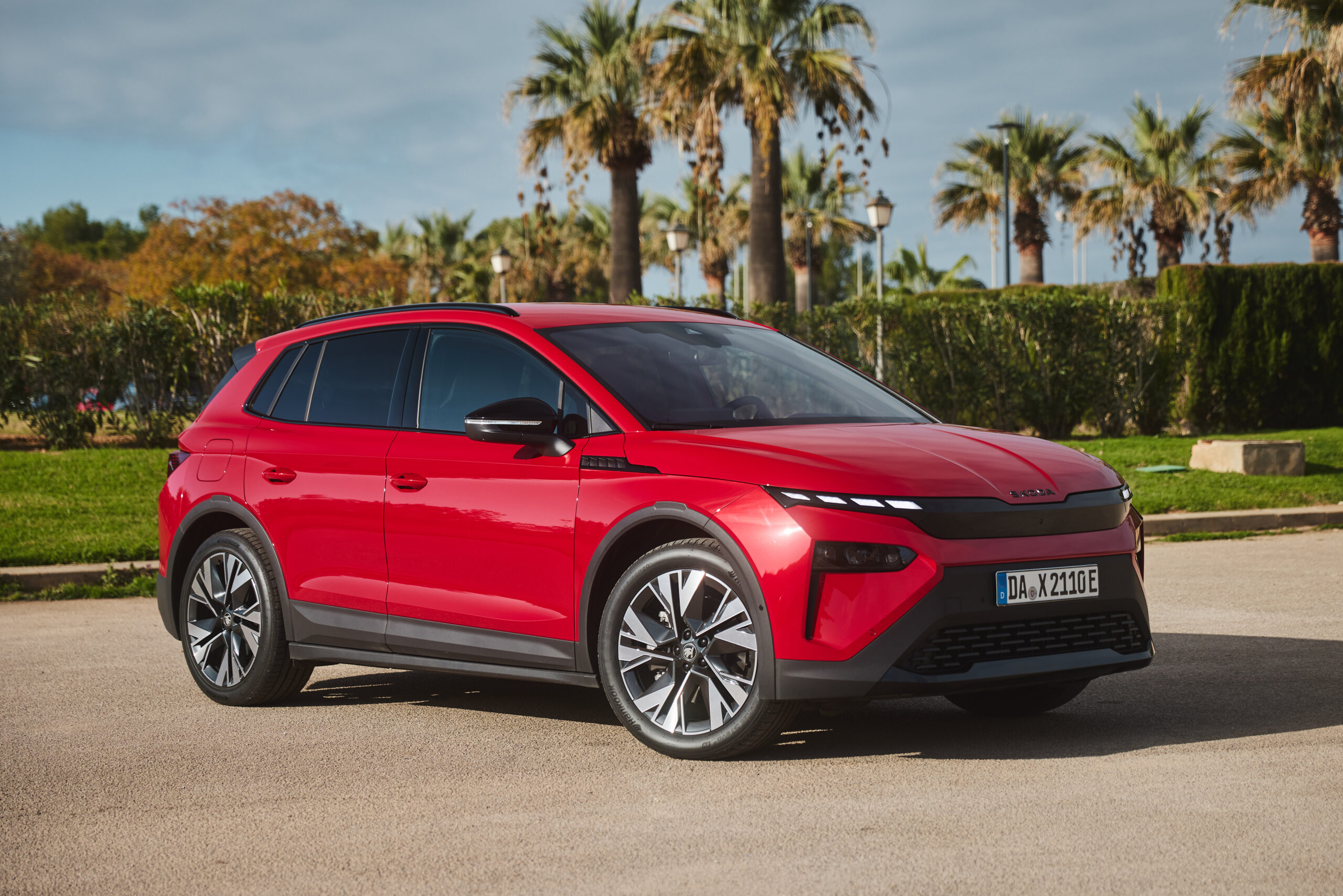
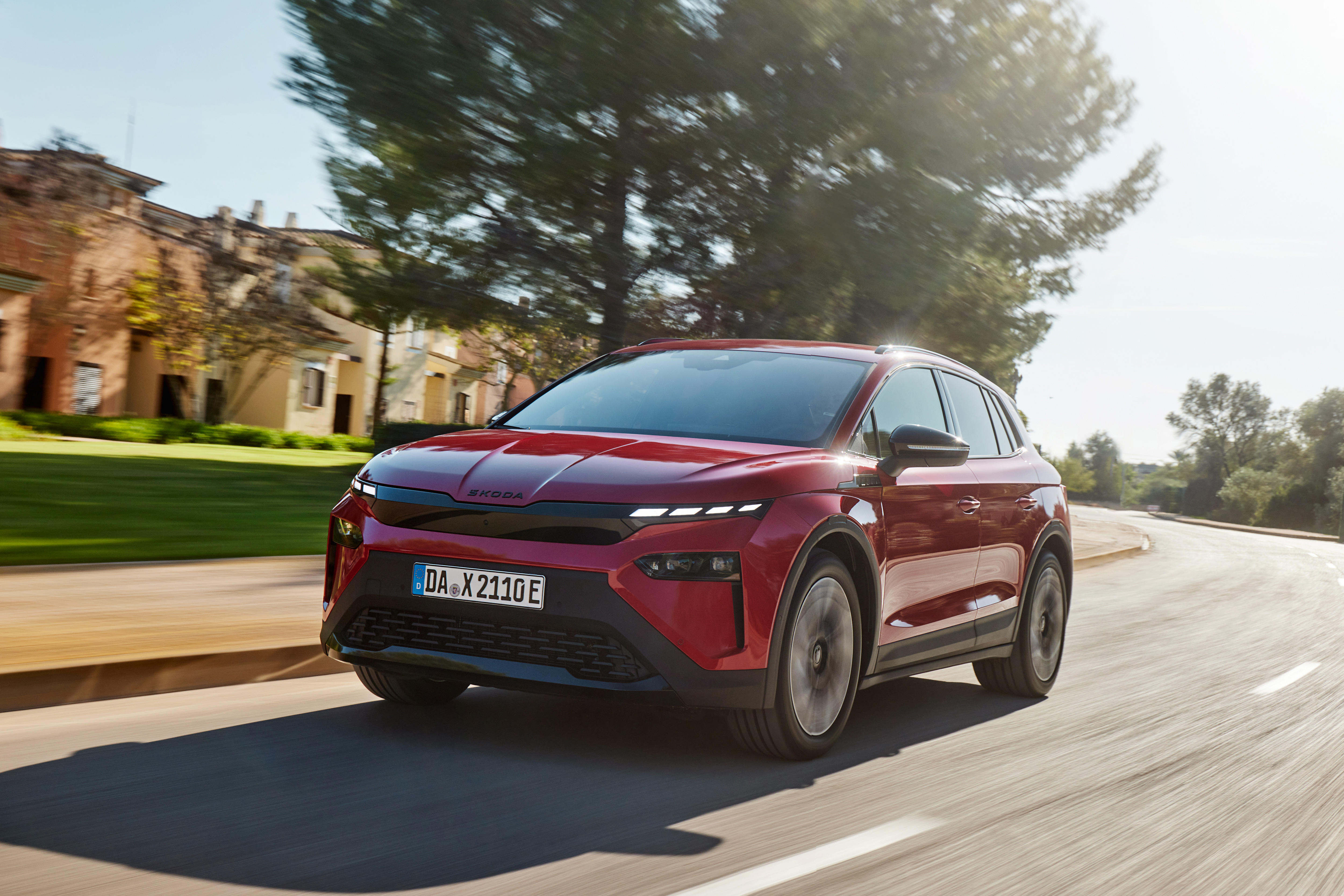
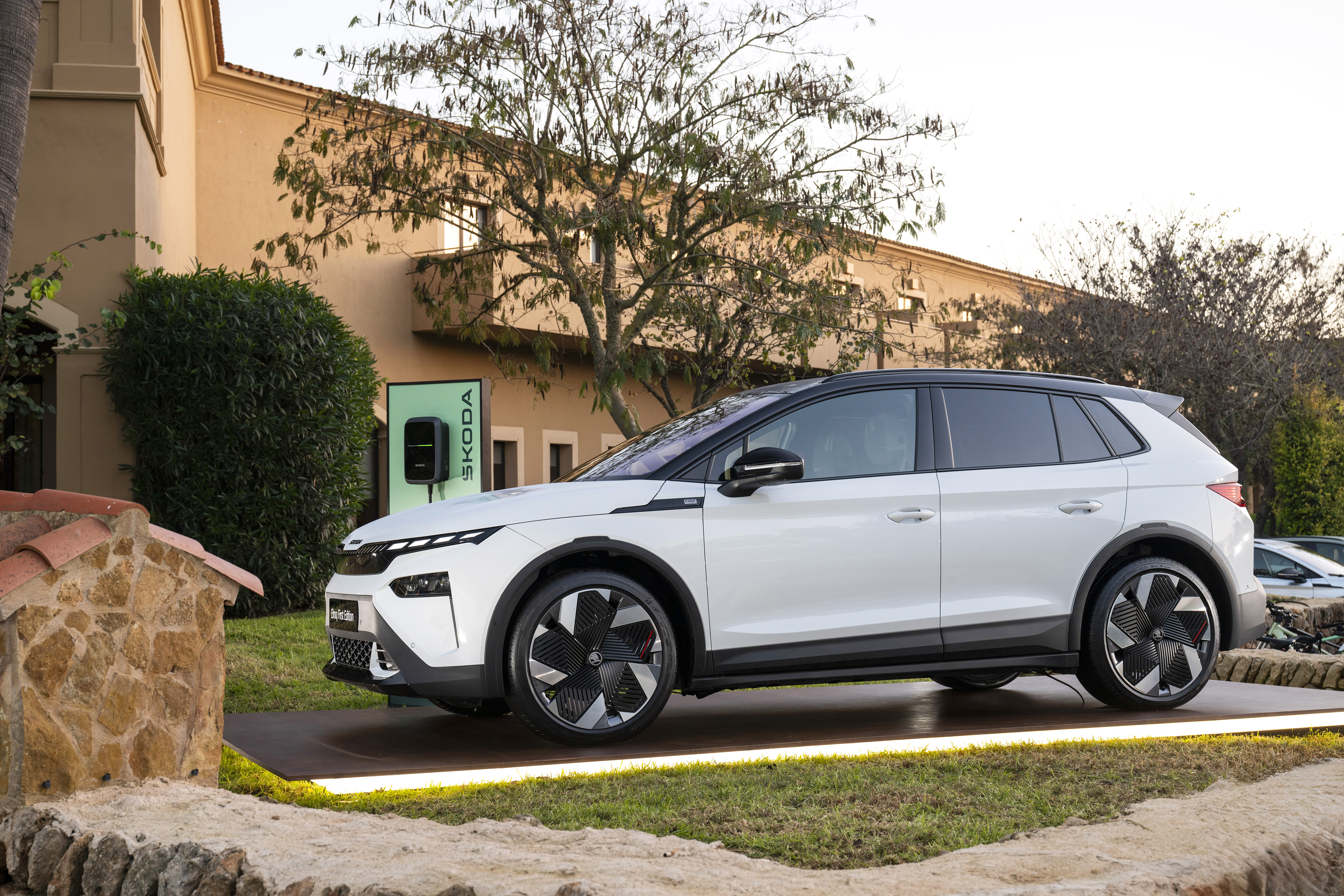
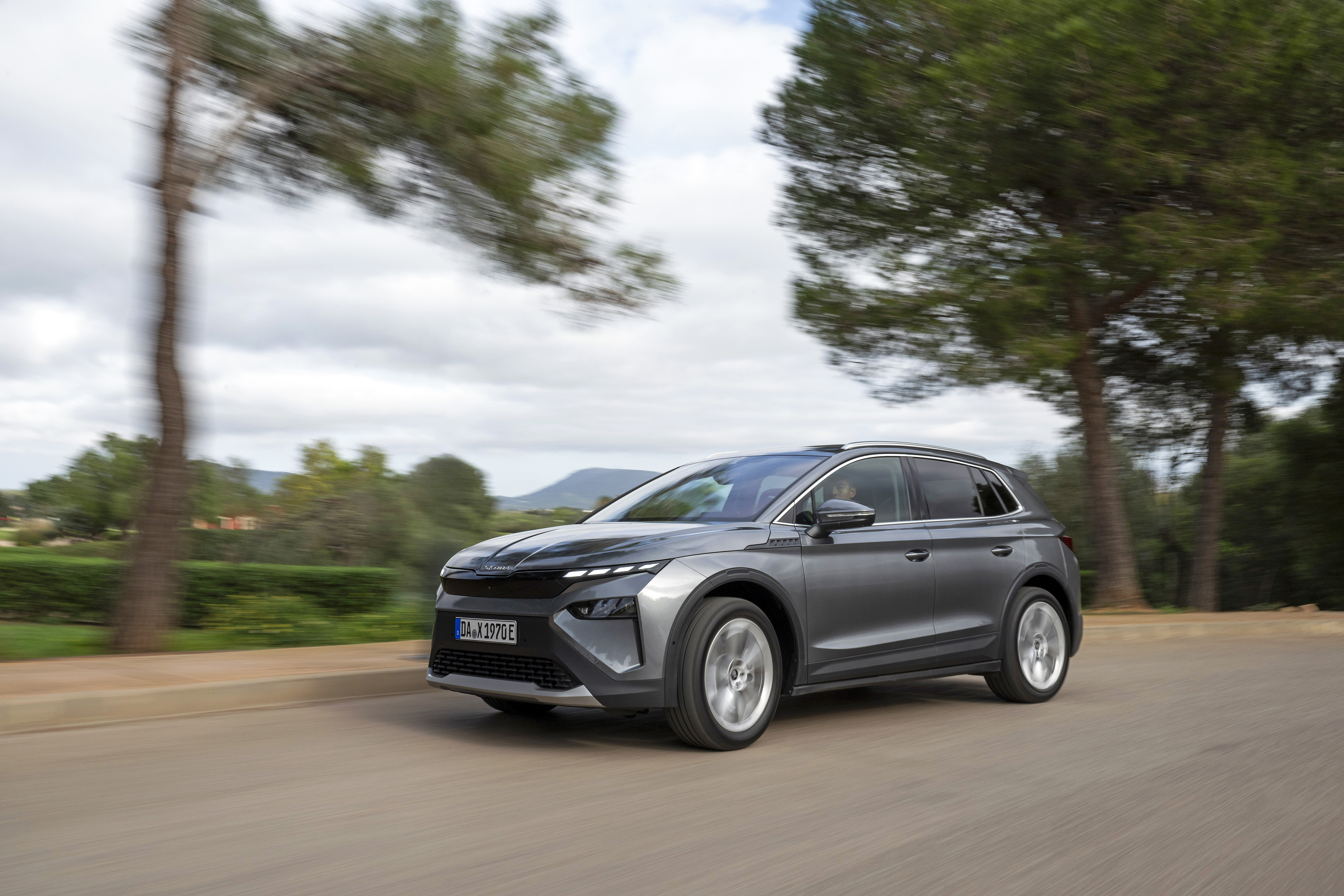
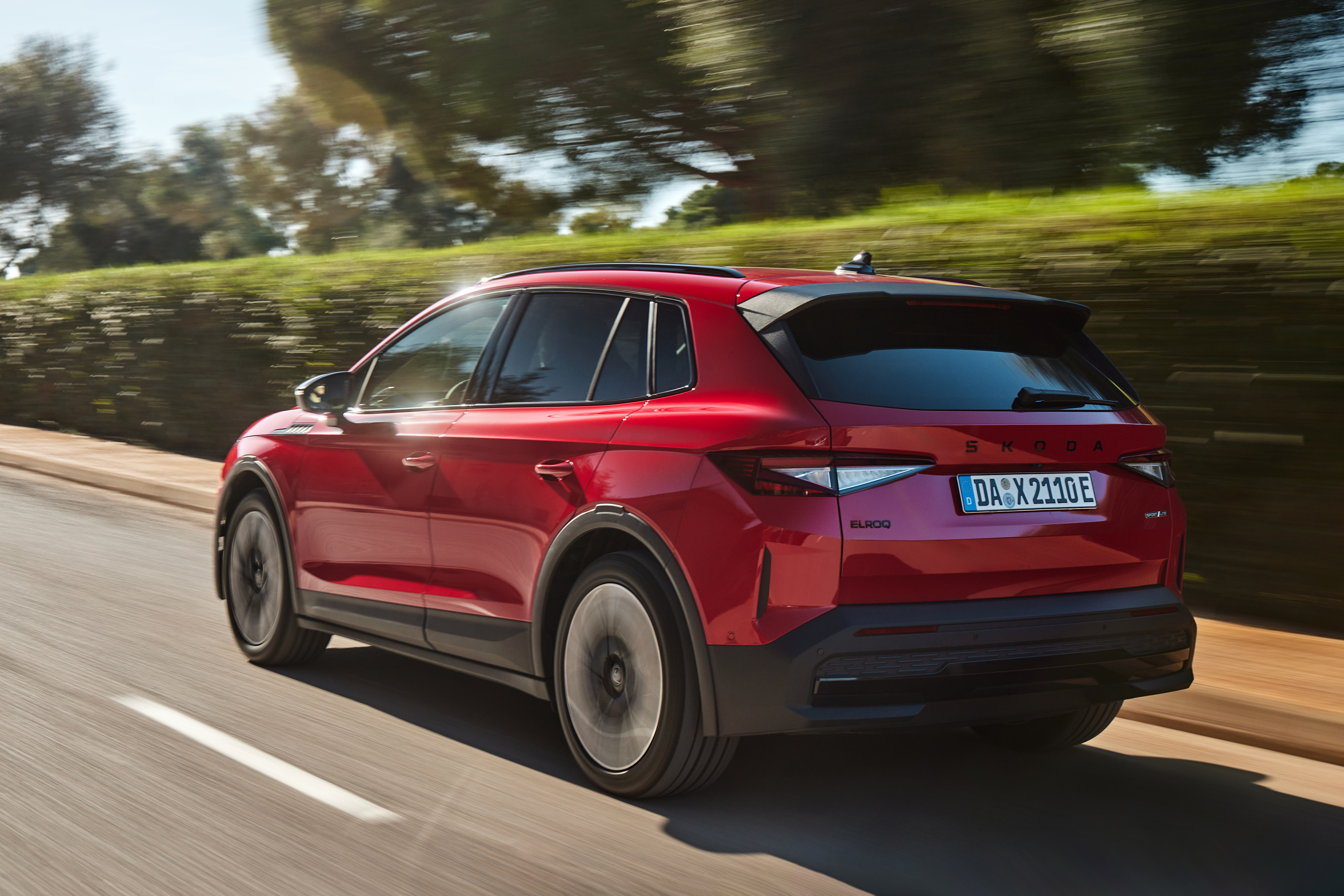
One thing buyers should understand before they shop: the premium badges have already gone. Audi, BMW, Mercedes-Benz, Lexus and Alfa Romeo were removed from the Scheme in November 2025, along with all coupes and convertibles, as Motability refocused on practical, affordable mobility. So the live choice today is mainstream. Skoda is a good example of where the value sits, with the all-electric Elroq small SUV and the petrol Karoq and Kamiq all on the price list, and brands such as Ford, Volkswagen, Kia, Nissan, Vauxhall, Hyundai, Toyota and Citroen filling out a deep range. If you were holding out for a premium German SUV on the Scheme, that ship has sailed; the sensible play is a well-specified mainstream car ordered before the tax change.
If you can stretch the decision to an electric car, there is a double benefit: many EVs on the Scheme already carry low or zero Advance Payments, and the running costs are gentler on a fixed allowance. We have looked at where the value lands in our roundup of the best electric SUVs under £30k, and the same models tend to be the strong Motability picks.
How to use the 21 days well
Treat this as a short, practical to-do list rather than a panic. First, confirm your eligibility and renewal timing; if your award or current lease is due, the window is squarely in your favour. Second, pick the car you actually want and check its current Advance Payment, because a £0 car gains you little from rushing while a higher-payment car protects a few hundred pounds. Third, get the application in before 1 July so the price freeze locks today’s figure. Fourth, sanity-check your annual mileage against the new 30,000-mile three-year cap. None of this requires a finance background, and the same broad principles apply to anyone weighing a deposit on a normal car deal, as we explain in our look at how much deposit to put down and the way a headline representative APR figure can mislead.
Where the cost really bites, and where it does not
It is worth keeping perspective on the size of this change. For a customer choosing a zero Advance Payment car and staying within the mileage cap, the day-to-day cost of running a Scheme vehicle barely moves, because the allowance-funded portion is untaxed. The pinch falls on three groups: drivers who want a car with a sizeable Advance Payment, high-mileage drivers exposed to the steeper excess charge, and anyone who pays VAT on an early-termination or excess-mileage bill later in the lease. If you are in one of those groups, the pre-July window is genuinely valuable. If you are not, the Scheme remains one of the most cost-effective ways for a disabled UK driver to get a reliable new car, and there is no need to act in haste. Tax-funded changes like this often arrive in clusters, and the broader direction of motoring policy, from EV incentives to the tax treatment of salary-sacrifice EVs, is worth keeping an eye on if you buy outside the Scheme too.
Our take on the Motability VAT change
The Motability VAT change is real, but it is narrower than the headlines suggest, and the response should be measured rather than fearful. Our view: if your lease is up for renewal or your eligibility has just been confirmed, order before 1 July 2026 and let the price freeze bank today’s zero-rated Advance Payment, especially on a car with anything more than a token upfront figure. If you are mid-lease, do nothing, because existing agreements are untouched and a rushed switch would cost you more than the tax. We would steer most readers toward a strong mainstream choice with a low or zero Advance Payment, a Skoda Elroq, a Ford or a Kia rather than chasing a badge that has already left the Scheme, and we would model real annual mileage hard against the new 30,000-mile cap before signing. The deadline rewards the organised, not the anxious. Get the right car ordered in time, and this change need not cost you a penny.

When does the Motability VAT change start?
Will my existing Motability lease cost more?
How much will the Advance Payment go up?
Are wheelchair accessible vehicles affected?
Which car brands are still on the Motability Scheme?
What is the new mileage limit?
Buyer action
Where to check next
Use this as the final check before paying a deposit, signing finance paperwork or relying on a headline monthly figure.