UPDATED · News · 9 Jun 2026 · Michael Harrison
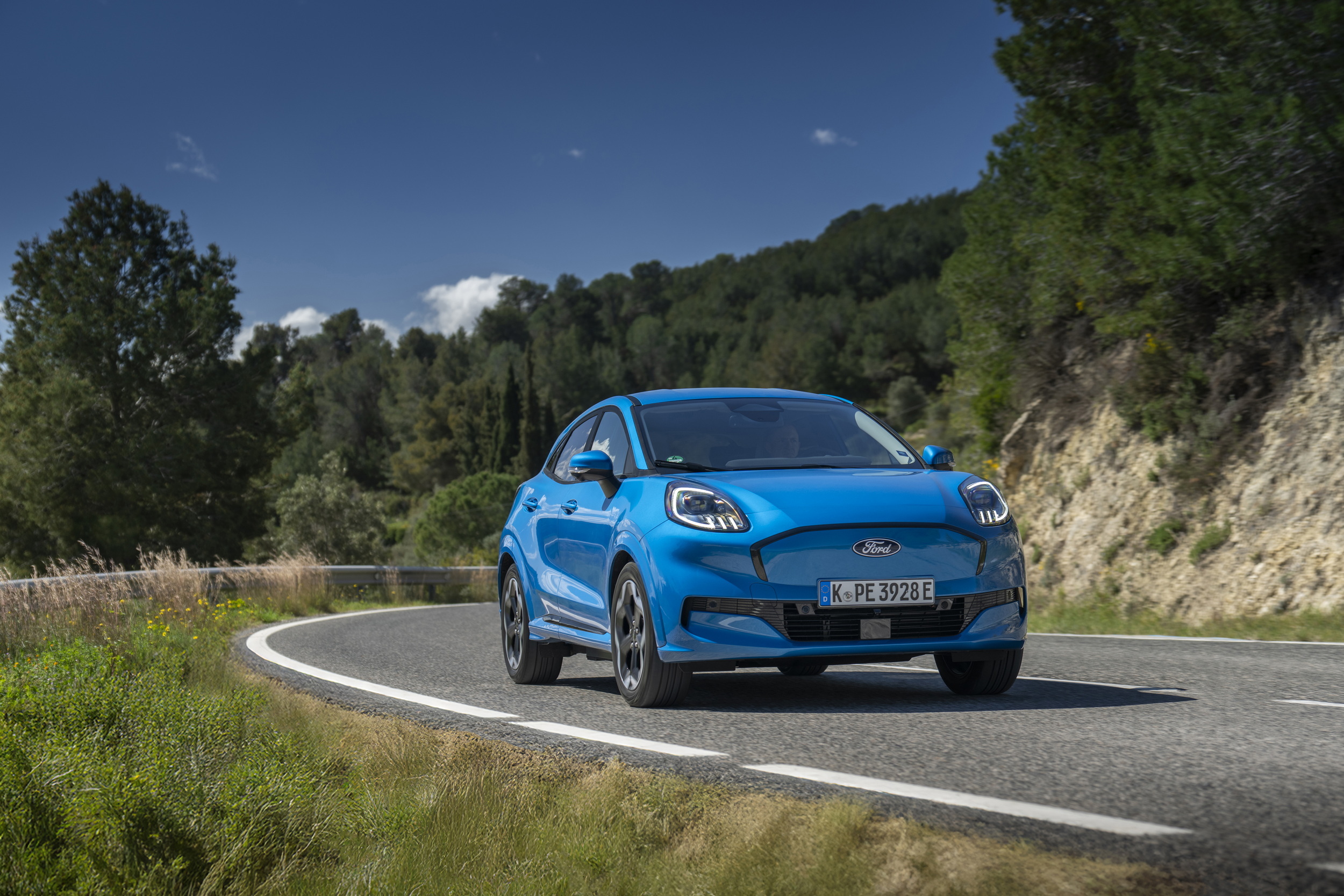
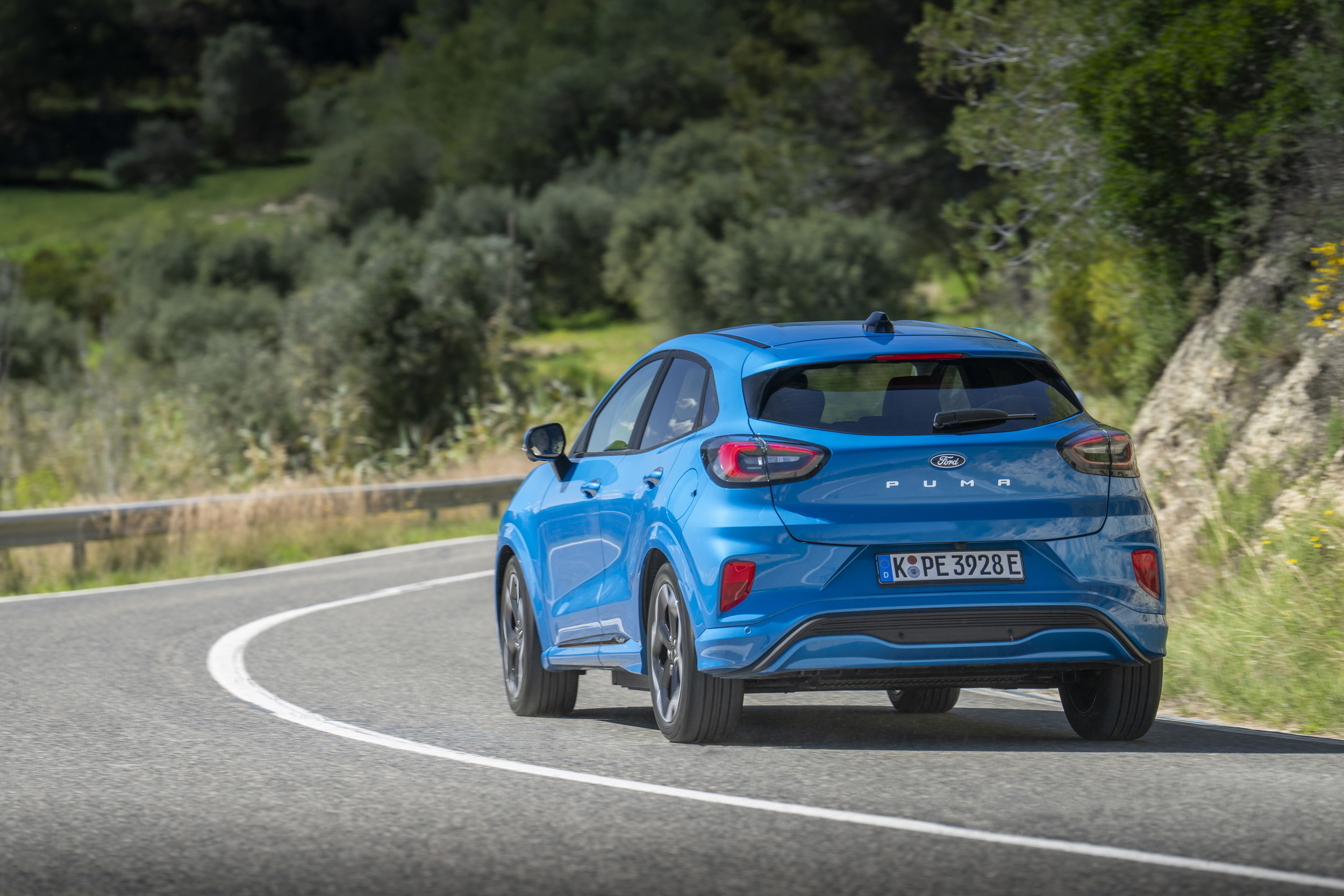
Ford Puma PCP deals are running hot in the last weeks of Q2 2026, and the signals worth watching all expire on 30 June 2026. Two separate offers are in play: subsidised finance on the petrol mild-hybrid Puma, where named dealers are stacking deposit contributions on top of low or zero APR, and a very different package on the all-electric Puma Gen-E, which now carries the government Electric Car Grant and the Ford Power Promise. This is what each lever is worth, how to read it on the forecourt, and the 0% versus 2.9% trade-off most buyers get wrong.
What real owners and the market are telling us
- What buyers rate: the Puma’s driving manners and the practical MegaBox boot well on the petrol car; on the Gen-E, the low running costs and the fact it is the cheapest car currently eligible for the full Electric Car Grant.
- What buyers flag: firm low-speed ride on larger ST-Line wheels, road noise on the motorway, and on the Gen-E a real-world range that sits below the headline figure in cold weather.
- Market signal: Carwow reported the Puma Gen-E became its most-enquired model after the £3,750 grant was confirmed, which is exactly why dealers are protecting petrol Puma volume with deposit contributions before the quarter closes.
Why the 30 June deadline matters
Car makers set finance offers by calendar quarter, and Q2 2026 ends on 30 June. Ford and its dealer network publish quarterly Ford Options PCP terms, and the current crop of deposit contributions, low APR rates and the Power Promise on electric cars are all tied to orders placed or contracted before that date. After the quarter rolls, the headline rate can change, the deposit contribution can shrink, and the specific trim that carried the best deal can drop off the offer sheet entirely. None of this is unique to Ford, but the Puma is Britain’s best-selling car, so the swings on it are larger and the forecourt pressure to close before month-end is real. If you are within a few weeks of buying, the deadline is the single biggest reason to move now rather than wait for July.
The petrol Puma: deposit contributions worth £500 to £1,250
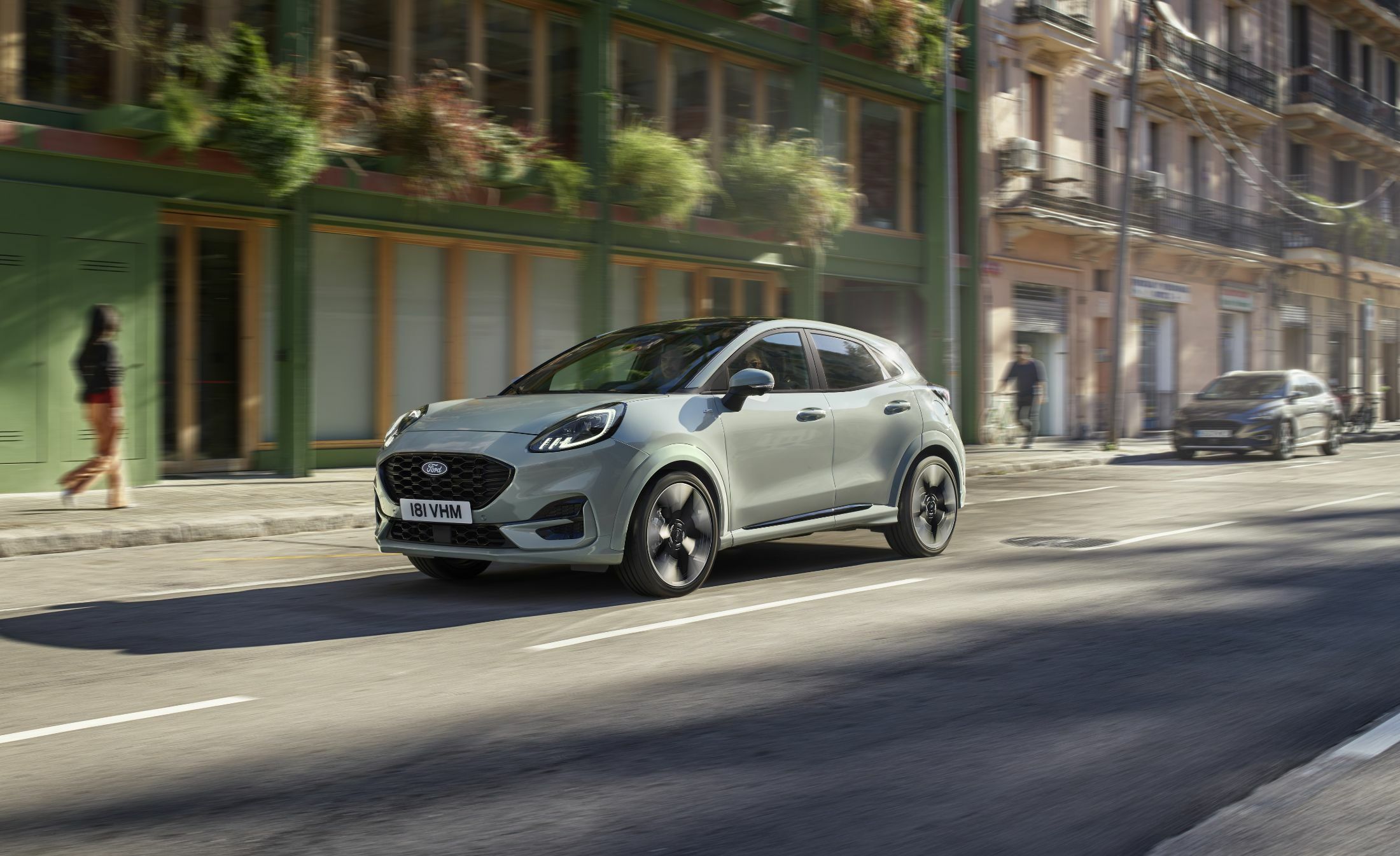
On the mild-hybrid petrol Puma, the deal that matters is the deposit contribution, the cash a dealer or Ford puts towards your deposit if you finance on Ford Options PCP. The range we are seeing in Q2 2026 is wide. At the lower end, Peoples Ford has advertised around £500 towards the deposit on a Puma ST-Line X taken on a four-year Ford Options agreement at 0% APR (advertised by Peoples Ford, checked June 2026). At the higher end, Furrows has advertised roughly £1,250 towards the deposit on a four-year deal, but at 2.9% APR rather than 0% (advertised by Furrows, checked June 2026). Those are two genuinely different shapes of offer, and which one is cheaper for you depends entirely on how big the contribution is versus how much interest the higher APR adds over the term. That trade-off is the heart of this story, and we work it through below.
0% APR versus 2.9% with a bigger deposit contribution
Here is the trade-off in plain terms. A 0% APR deal with a smaller deposit contribution costs you nothing in interest, so the only variable is how much cash goes in up front. A 2.9% APR deal with a larger contribution puts more of someone else’s money towards your deposit, which lowers the amount you borrow, but you then pay interest on the balance for the whole term. On a roughly £24,000 Puma financed over four years, 2.9% APR adds somewhere in the region of £1,400 to £1,800 in interest across the term depending on deposit and the guaranteed future value, while the larger contribution might only be £750 more than the 0% deal. In that example the 0% offer wins despite the smaller cash sweetener. Flip the numbers, a £1,250 contribution against a £400 one and a very small balance to finance, and the 2.9% deal can edge ahead. The lesson: never judge a Ford Puma PCP deal by the deposit contribution alone, and never judge it by the APR alone. Compare the total amount payable.
This is the same maths we set out in our guide to 0% APR versus a deposit contribution, and it is why the headline rate on a poster tells you almost nothing on its own. A representative example will show the figure that actually matters, the total amount payable, and our explainer on how representative APR works covers why your real rate can differ from the advertised one.
The Gen-E plays a completely different game
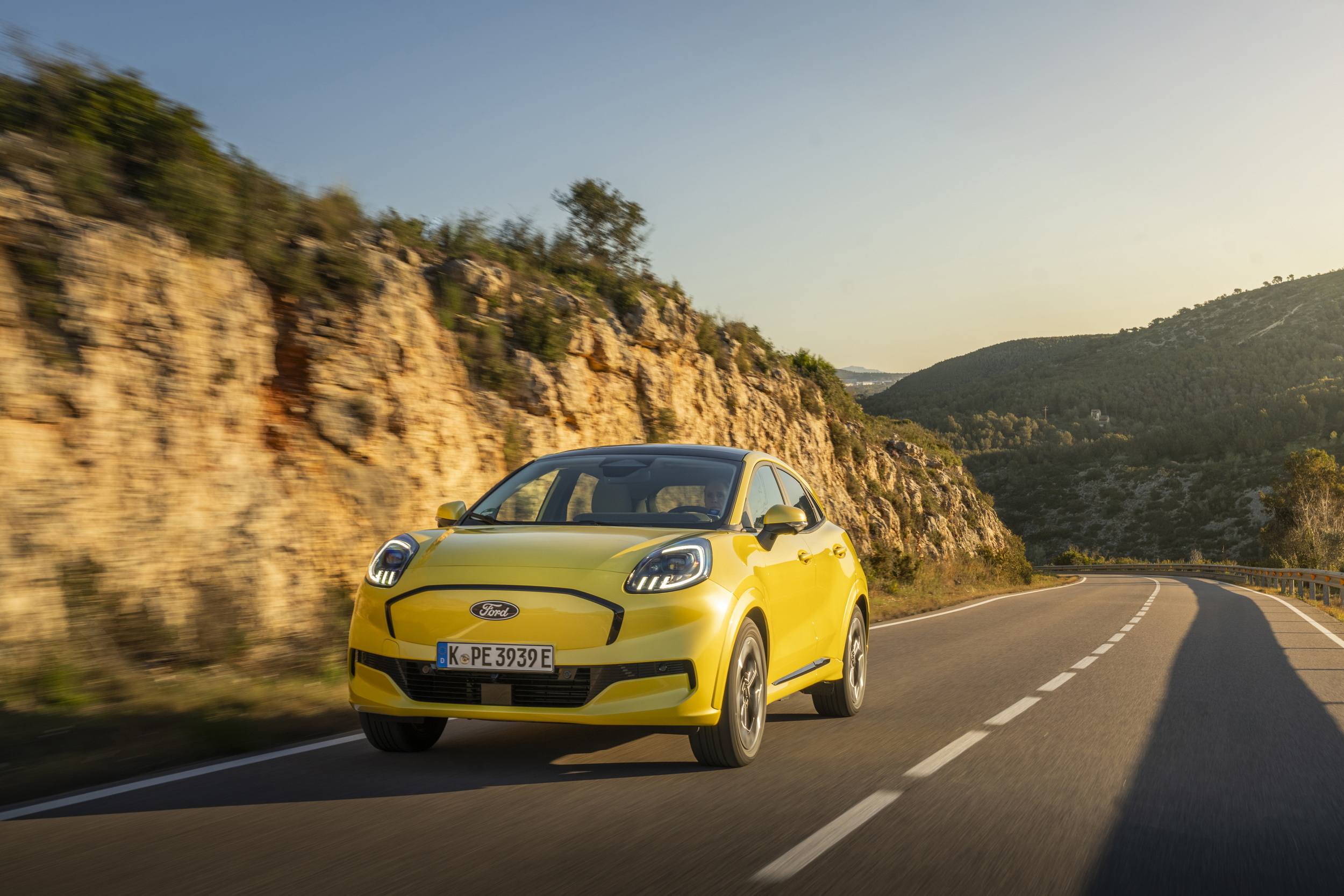
The all-electric Puma Gen-E does not lean on the same deposit-contribution structure, because it has two bigger levers. First, it is the cheapest car confirmed eligible for the full £3,750 Electric Car Grant, the government discount applied automatically at the point of sale on qualifying zero-emission cars (see the government list of grant-eligible electric cars). Carwow and What Car? both reported the Gen-E as the first model to qualify for the top band. Second, Ford bundles the Power Promise on new electric cars, which changes the ownership cost in a way no petrol deposit contribution can match. Keep these two cars in separate mental boxes when you shop: the petrol Puma deal is about finance structure, the Gen-E deal is about the grant plus charging support.
What the Ford Power Promise is actually worth
The Ford Power Promise, for eligible retail customers contracting a new Ford all-electric car by 30 June 2026, provides a free home wallbox charger with standard installation in partnership with Octopus Energy in Great Britain, worth around £949, plus charging credit (Ford quotes up to 10,000 miles, equivalent to a £248 energy credit on the Octopus Intelligent Go tariff for referrals in the current window). Buyers who cannot fit a home charger, for example without off-street parking, can take £500 in cash instead. Ford’s own Power Promise terms set out the eligibility and the cut-off. Stack the £3,750 grant with a free charger and a year or so of cheap home charging, and the Gen-E’s effective cost of getting on the road undercuts the petrol car for many drivers, even before you count fuel savings.
Puma Gen-E specs you are actually paying for
Before you weigh the finance, it helps to know exactly what the electric Puma delivers. These are the manufacturer-published figures, and they explain why the Gen-E sits where it does on the grant ladder and why home charging support matters so much to the overall sum.
| Spec | Ford Puma Gen-E |
|---|---|
| Power | 168hp electric motor |
| Usable battery | 43kWh |
| WLTP range | up to 233 miles |
| 0 to 62mph | 8.0 seconds |
| Max DC charging | 100kW (10 to 80% in about 23 minutes) |
| Electric Car Grant | £3,750 (Band 1, full grant) |
If charging at home is the missing piece, our home EV charger comparison is worth a read before you accept the free Octopus unit, so you know what the Power Promise box is actually giving you.
Exactly what to ask on the forecourt
Walk in with five questions and you will not be talked round in circles. One: what is the total amount payable on this agreement, not the monthly figure? Two: is the deposit contribution from Ford, from the dealer, or both, and does it survive if I negotiate the price down? Three: what APR am I actually being offered, and is it the representative rate or a worse one for my profile? Four: what is the guaranteed future value, and what mileage is it based on, because a low GFV inflates the monthly. Five: on the Gen-E, is the Power Promise included and which version, the home charger or the £500 cash? Get those in writing. Our note on PCP mileage limits and excess charges explains why the mileage on the agreement quietly decides whether the GFV protects you or stings you at the end.
Deposit size, the GFV and your exit options
The deposit contribution is only one part of the deposit conversation. How much of your own cash you add changes the monthly and the equity you build, and our guide to how much deposit to put down on car finance sets out the sensible range. Just as important is the balloon at the end: the guaranteed future value and how the balloon works determines whether you hand the car back, part-exchange, or pay to keep it. With a fast-selling car like the Puma, a strong GFV is plausible, but never assume it; ask for the figure and the mileage it assumes. If your plans might change mid-term, the route out matters too, and our explainer on early settlement on car finance covers what leaving a PCP early actually costs.
Buy direct from Ford or through a broker
Most of these Q2 deals run through franchised Ford dealers on Ford Options, the manufacturer’s own PCP. Brokers and online platforms sometimes undercut on price but cannot always match a manufacturer deposit contribution or the Power Promise, which are tied to the official channel. The right answer depends on whether the headline discount or the finance support is bigger for the car you want, and we lay out the pros and cons in our comparison of manufacturer versus broker car finance. For the Puma specifically, the petrol deposit contributions and the Gen-E’s Power Promise both push you towards the franchised route this quarter, but it is still worth getting a broker number to use as a bargaining chip on price.
Our take on Ford Puma PCP deals right now
Ford Puma PCP deals in the closing weeks of Q2 2026 are genuinely worth acting on, but only if you compare the right number. For the petrol mild-hybrid car, our view is that the 0% APR deal with a smaller deposit contribution usually beats the 2.9% deal with a bigger one once you total the interest, so do the sum rather than chase the biggest cash sweetener. The dealer with the largest poster figure is not automatically the cheapest. For anyone open to electric, the Puma Gen-E is the stronger story this quarter: the £3,750 Electric Car Grant plus the Ford Power Promise charger and credit reshape the cost in a way no petrol deposit contribution can. Who should walk away? Anyone being rushed into signing without a written total amount payable, a confirmed APR and a stated GFV and mileage. Get those three in writing, beat the 30 June deadline, and a Puma is a sound buy on finance this June.
Frequently asked questions
When do the current Ford Puma PCP deals expire?
The Q2 2026 offers, including the deposit contributions on the petrol Puma and the Power Promise on the Puma Gen-E, are tied to orders placed or contracted before 30 June 2026. After that the quarter resets and Ford can change the APR, the deposit contribution and the eligible trims. If you are close to buying, completing the order before the end of June locks in the current terms.
Is 0% APR or 2.9% with a bigger deposit contribution cheaper?
It depends on the total amount payable, not the headline figures. A 0% deal costs nothing in interest, so a smaller contribution can still win. A 2.9% deal with a larger contribution borrows less but charges interest over the whole term. On a roughly £24,000 Puma over four years, 2.9% can add £1,400 to £1,800 in interest, which often outweighs a few hundred pounds of extra contribution. Always compare the total payable.
Does the Puma Gen-E qualify for the Electric Car Grant?
Yes. The all-electric Ford Puma Gen-E was the first model confirmed for the full £3,750 Band 1 Electric Car Grant, the government discount applied automatically at the point of sale on qualifying zero-emission cars. It is currently the cheapest car eligible for the top band. The discount comes off the price before you arrange finance, so it lowers the amount you borrow on a PCP.
What does the Ford Power Promise include?
For eligible retail buyers contracting a new Ford electric car by 30 June 2026, the Power Promise provides a free home wallbox with standard installation through Octopus Energy in Great Britain, worth around £949, plus charging credit Ford quotes as up to 10,000 miles. Drivers who cannot fit a home charger can take £500 cash instead. Check Ford’s published terms for the exact eligibility in your case.
Can I combine a deposit contribution with the Electric Car Grant?
Not on the same car in the way some buyers expect. The deposit contributions described here apply to the petrol mild-hybrid Puma on Ford Options PCP. The £3,750 Electric Car Grant and the Power Promise apply to the all-electric Puma Gen-E. Treat them as two separate deals on two different cars rather than a single stacked offer, and choose the car that suits your driving first.
Should I buy a Puma through Ford or a broker?
Brokers can undercut on price but usually cannot match a manufacturer deposit contribution or the Power Promise, which are tied to the franchised Ford channel. This quarter, the best Puma finance support sits with official dealers, so the manufacturer route tends to win. It is still worth getting a broker quote to use as a price reference when you negotiate at the dealership.
Buyer action
Where to check next
Use this as the final check before paying a deposit, signing finance paperwork or relying on a headline monthly figure.