Choosing between a manufacturer 0% APR deal and a deposit contribution on a £57,475 premium SUV usually comes down to one question: are you keeping the car for the full term, or walking away early? On the worked figures below, a pure 0% route costs roughly £5,000 less over four years, yet a deposit contribution hands you about £4,000 up front and can win if you fund the rest cheaply or never reach the balloon. This is general guidance, not personalised finance advice, and every rate is sourced to a real lender or regulator page.
What real owners say (CDE data)
CDE cross-referenced PistonHeads and Range Rover owner-forum finance threads against the live Land Rover Financial Services and FCA CONC representative-example rules, checked 1 June 2026. The pattern below reflects how premium PCP buyers actually weigh a headline rate against a deposit sweetener.
- Most-praised aspects: low or 0% headline APR on full-term keepers, the cash-flow relief of a manufacturer deposit contribution, and lower monthlies than outright purchase.
- Most-criticised aspects: surprise that you rarely get both the low rate and the contribution, confusion over the optional final payment or balloon, and contributions that quietly vanish if you haggle on price.
- Reliability signal: on the finance side, the recurring complaint is buyers comparing monthly figures instead of total amount payable; the FCA’s representative-APR rules mean the advertised rate only has to apply to 51% of accepted agreements, so your own quote can differ.
What a 0% or low-APR manufacturer deal actually is
A 0% APR or low-APR offer is subsidised finance: you pay the full on-the-road price, but the manufacturer’s finance arm charges little or no interest on the borrowed amount. On a Personal Contract Purchase (PCP) that means your deposit plus monthly payments plus the optional final payment add up to roughly the cash price, with no interest layered on top. The catch is that genuine 0% on a £57,000-class premium SUV is a clearance rarity in 2026. Land Rover’s published 0% APR over 24 months currently sits only on niche models such as the Range Rover SV and Defender OCTA, while everyday premium SUVs carry real rates of 2.9% to 7.4% per the Land Rover Financial Services PCP representative examples. Low-APR is the more realistic version of this route for most buyers.
What a deposit contribution actually is
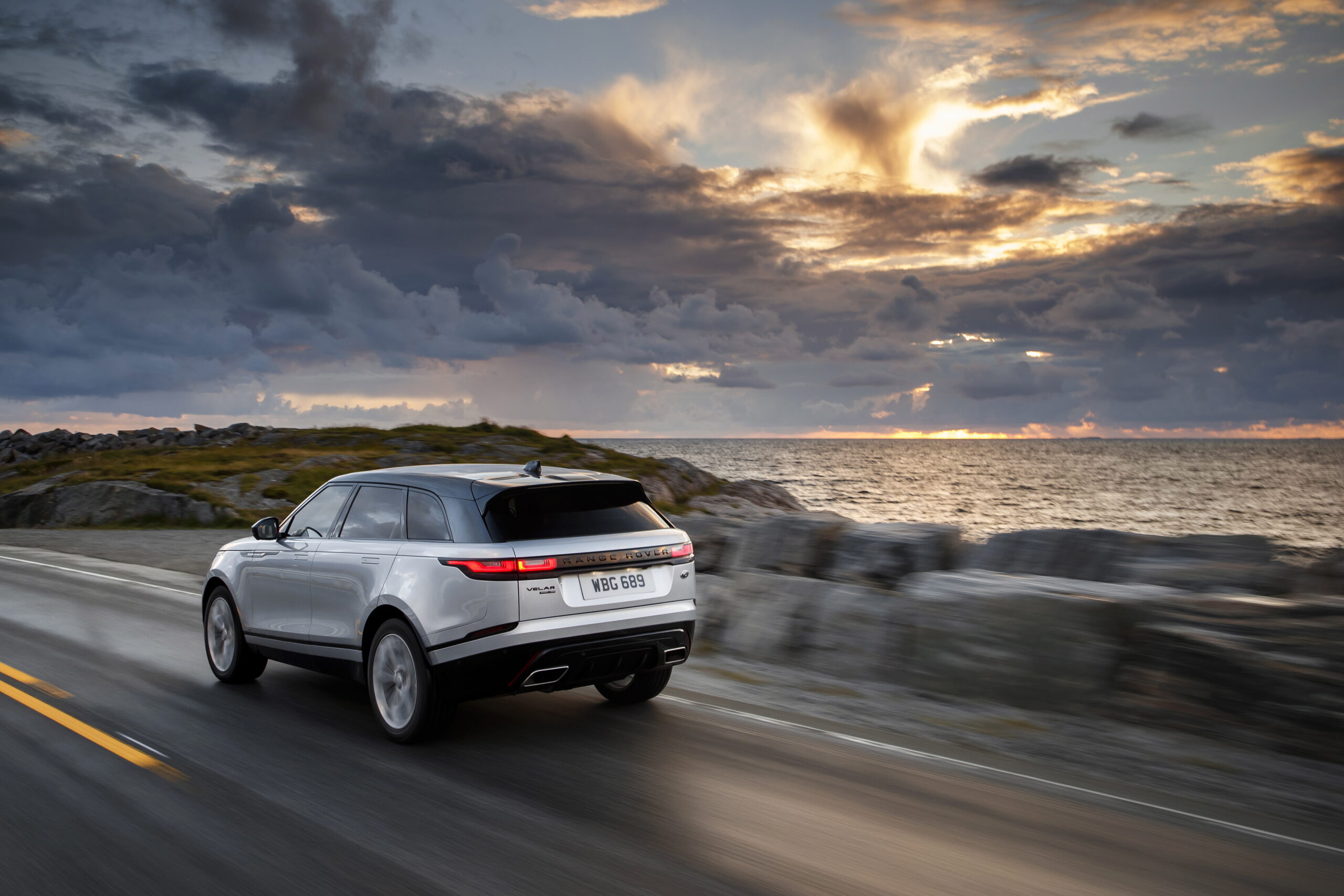
A deposit contribution (Land Rover labels it a Finance Deposit Allowance) is a lump sum the manufacturer pays toward your deposit when you finance through its own lender. It lowers the amount you borrow, so it can cut your monthly payment or let you put less of your own cash down. The trade-off is that contributions almost always sit on top of a standard or higher APR rather than a 0% rate, because the subsidy is funded differently. On the published Range Rover Velar D200 Belgravia example, the contribution is £4,000 and the rate is 3.9% APR, which is a strong clearance pairing; on many premium deals you take either the rate cut or the cash, not both. The reason you rarely get both is simple: each is a marketing subsidy drawn from the same finite margin pool, and stacking them would erase the manufacturer’s profit on the car.
Benefits and drawbacks of each route
Read these as two short balance sheets. The 0%/low-APR route favours the disciplined full-term buyer; the deposit contribution favours cash flow and flexibility. Neither is universally cheaper, which is why the monthly figure alone is the wrong thing to compare.
- 0% / low-APR, upsides: lowest total interest, simplest sum (you pay close to list over the term), best for keepers who reach the optional final payment.
- 0% / low-APR, downsides: rare on premium SUVs, often tied to slow-selling trims, and no cash sweetener to ease the deposit.
- Deposit contribution, upsides: immediate cash flow help, lower borrowing, and useful if you plan to hand the car back before the balloon.
- Deposit contribution, downsides: usually paired with a higher APR, can be funded from margin you could have haggled off the price instead, and may be clawed back if you negotiate hard on the on-the-road figure.
The worked example: one £57,475 premium SUV, two routes
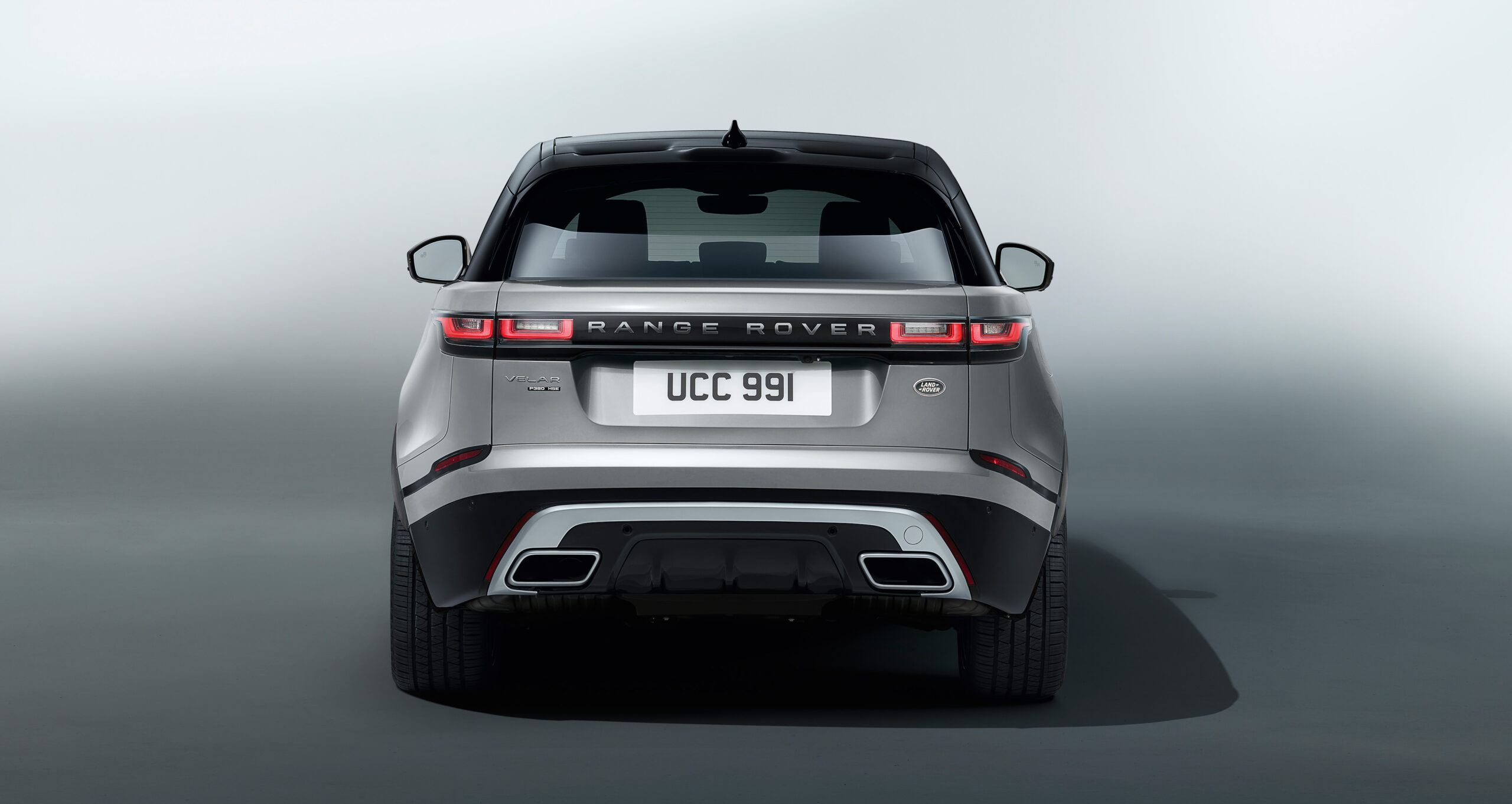
We fix the car at a Range Rover Velar D200 with an on-the-road price of £57,475, a 48-month PCP term and 10,000 miles a year, then run it both ways. The deposit-contribution leg is Land Rover’s own published representative example; the 0% leg is a CDE illustration of the same car with no contribution, computed transparently. Under FCA rules a representative example is a regulated, published figure, so we never relabel our own arithmetic as one. This is not a finance offer; it is a representative example and an illustration only, and your personal quote will differ.
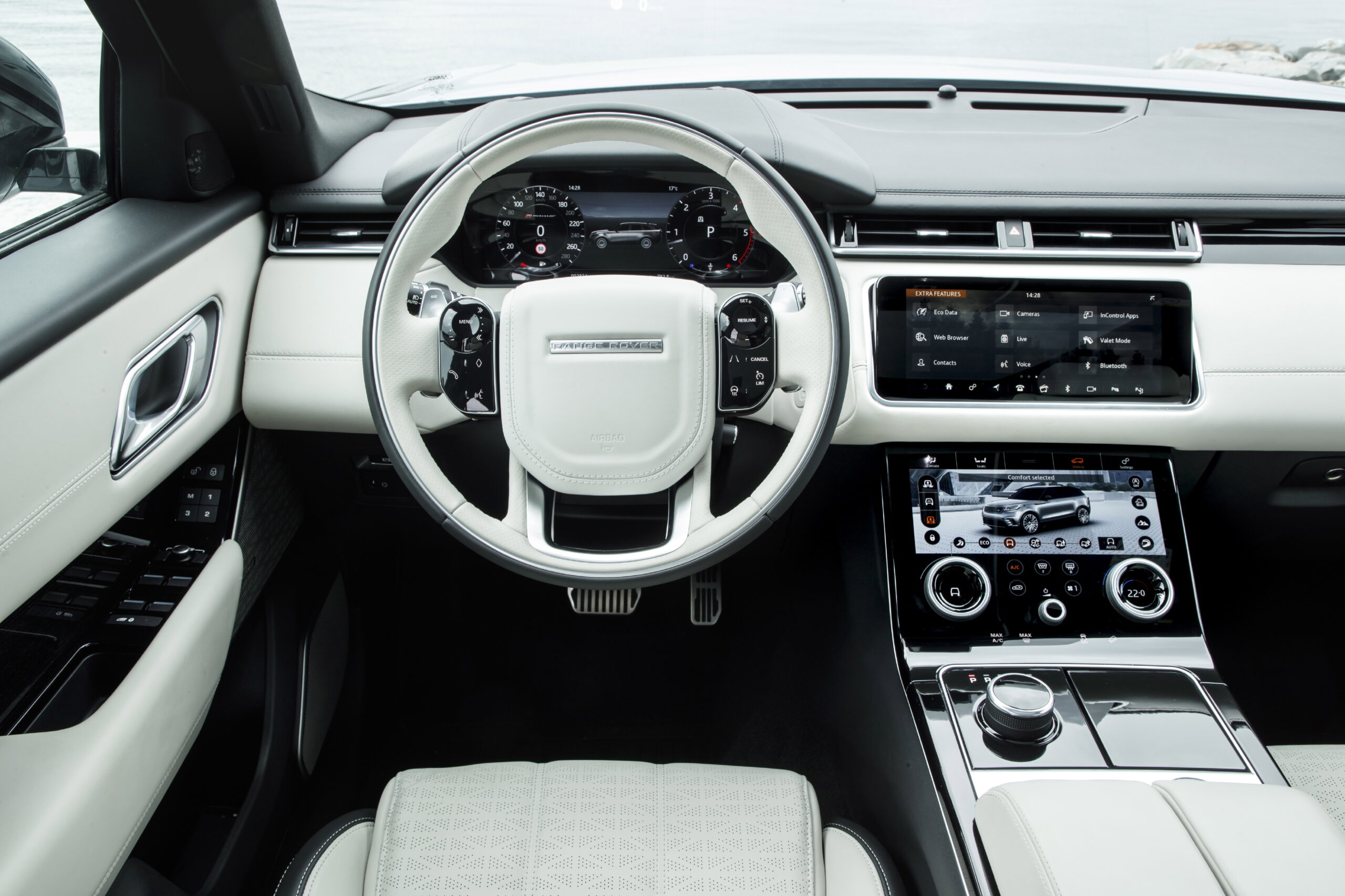
Route B, the deposit-contribution leg (published): per the Land Rover Financial Services representative example for the Velar D200 Belgravia, the OTR is £57,475, the Finance Deposit Allowance is £4,000, the customer deposit is £9,763, you pay 48 monthly payments of £559, the optional final payment (the balloon, or GMFV) is £22,064, the total amount payable is £62,659, and the representative APR is 3.9% (figures verbatim, accessed 1 June 2026, through Black Horse Limited trading as Land Rover Financial Services).
Route A, the 0% leg (CDE illustration, not a finance offer): same £57,475 car, same £9,763 customer deposit, same £22,064 optional final payment, but no contribution and 0% interest. You borrow £47,712; the part that amortises over 48 months is £25,648, giving a monthly of about £534 and a total amount payable of £57,475, exactly the cash price. The delta to keep the car for the full term: the 0% route costs roughly £5,184 less in total than the contribution route, because at 3.9% you pay interest the £4,000 sweetener does not fully offset. Yet the contribution route puts £4,000 toward your deposit on day one, which the pure-0% buyer must find themselves.

Side-by-side: 0% APR versus deposit contribution
| Criteria | 0% APR (CDE illustration) | Deposit contribution (published 3.9% APR) |
|---|---|---|
| On-the-road price | £57,475 | £57,475 |
| Manufacturer cash toward deposit | £0 | £4,000 |
| Monthly payment (48 months) | about £534 | £559 |
| Total amount payable | about £57,475 | £62,659 |
| When it wins | Full-term keepers who reach the balloon | Short keep, tight day-one cash, or hand-back planned |
| Effect of early settlement | Less interest to unwind, so cleaner exit | Higher rate means more interest baked into early months |
| Who it suits | Disciplined buyers funding their own deposit | Buyers needing upfront help or low day-one outlay |
How the FCA representative-example framing changes what you see
Every advertised rate you read is governed by the FCA’s consumer-credit rules. Under FCA CONC 3, a representative APR only has to be the rate at or below which at least 51% of accepted applicants are financed, so up to 49% of buyers can be quoted more. The FCA has itself flagged that this 51% threshold can leave a substantial number of consumers paying above the headline. That is why the deposit-contribution and 0% figures here are framed as representative examples, not guaranteed offers, and why you should compare your own quote’s total amount payable rather than trust the advertised APR. MoneyHelper’s car finance guidance makes the same point: read the optional final payment and the total cost, not just the monthly.
Deposit contribution versus simply haggling the price
This is the beat most premium buyers miss. A Finance Deposit Allowance is normally funded from the dealer or manufacturer margin, the same pot a discount comes from. So the real question is not “contribution or no contribution”, but “would I be better off taking the cash off the on-the-road price and choosing the cheapest finance separately?” On our £57,475 Velar, if you negotiated the same £4,000 off the price and ran the 0% illustration, the borrowed amount falls and the monthly drops to roughly £451, well below both routes above. A contribution is only the best use of that margin when it is genuinely additional to the discount you could otherwise win, which it often is not. For a fuller view of how much to put down, see our premium PCP deposit strategy guide, and weigh the two products head to head in our PCP vs HP UK 2026 comparison.
Use-case verdict: when each route wins
If you are a full-term keeper who will reach the optional final payment and you can fund your own deposit, the 0% or lowest-APR route almost always wins on total cost; on our figures it saved about £5,184 over four years. It is also the cleaner option if you might settle early, because there is less interest to unwind. A deposit contribution wins when day-one cash is tight, when you plan a short keep or a hand-back before the balloon, or when the contribution is genuinely on top of a price you cannot otherwise negotiate down. If a salesperson offers a contribution but resists moving on the on-the-road price, treat that as a signal the cash is coming from margin you could have taken as a discount instead. For early-exit mechanics, our PCP early settlement UK 2026 guide covers the halves rule.
Checks to run before you sign or pay a deposit
Five quick checks separate a strong premium-finance decision from an expensive default into the headline monthly.
- Compare the total amount payable on each quote, not the monthly, and read the optional final payment on the manufacturer’s representative example.
- Ask explicitly whether the deposit contribution is additional to any price discount, or instead of one, then test it by negotiating the on-the-road figure separately.
- Check the rate you are actually offered against the advertised representative APR, remembering the FCA’s 51% rule means yours can be higher.
- Confirm the lender is FCA-authorised on the FCA Register before signing anything.
- Use MoneyHelper’s car finance pages to sanity-check the balloon, mileage limits and early-exit terms.
Our view on 0% APR vs deposit contribution: for a premium buyer keeping the car to the optional final payment, the lowest-rate deal wins, and on our £57,475 Velar example the 0% illustration came out roughly £5,184 cheaper across four years than the 3.9% contribution route. That is the deal to chase if you can fund your own deposit and you intend to reach the balloon. A deposit contribution earns its place when day-one cash is the binding constraint, when you expect a short keep or a hand-back, or when the £4,000 is genuinely on top of a price you cannot move. The trap to avoid is judging either by the monthly alone; the FCA representative-example framing means the advertised rate may not be yours, so compare total amount payable. And always pressure-test a contribution against a straight discount, because both come from the same margin. Boring paperwork and a fully negotiated on-the-road price beat any headline sweetener.

Is 0% APR always cheaper than a deposit contribution?
Why can’t I get 0% APR and a deposit contribution together?
Should I take a deposit contribution or haggle the price down?
What is the optional final payment on a premium PCP?
Does the advertised representative APR mean I will get that rate?
Related reading on CDE
Buyer action
Where to check next
Use this as the final check before paying a deposit, signing finance paperwork or relying on a headline monthly figure.