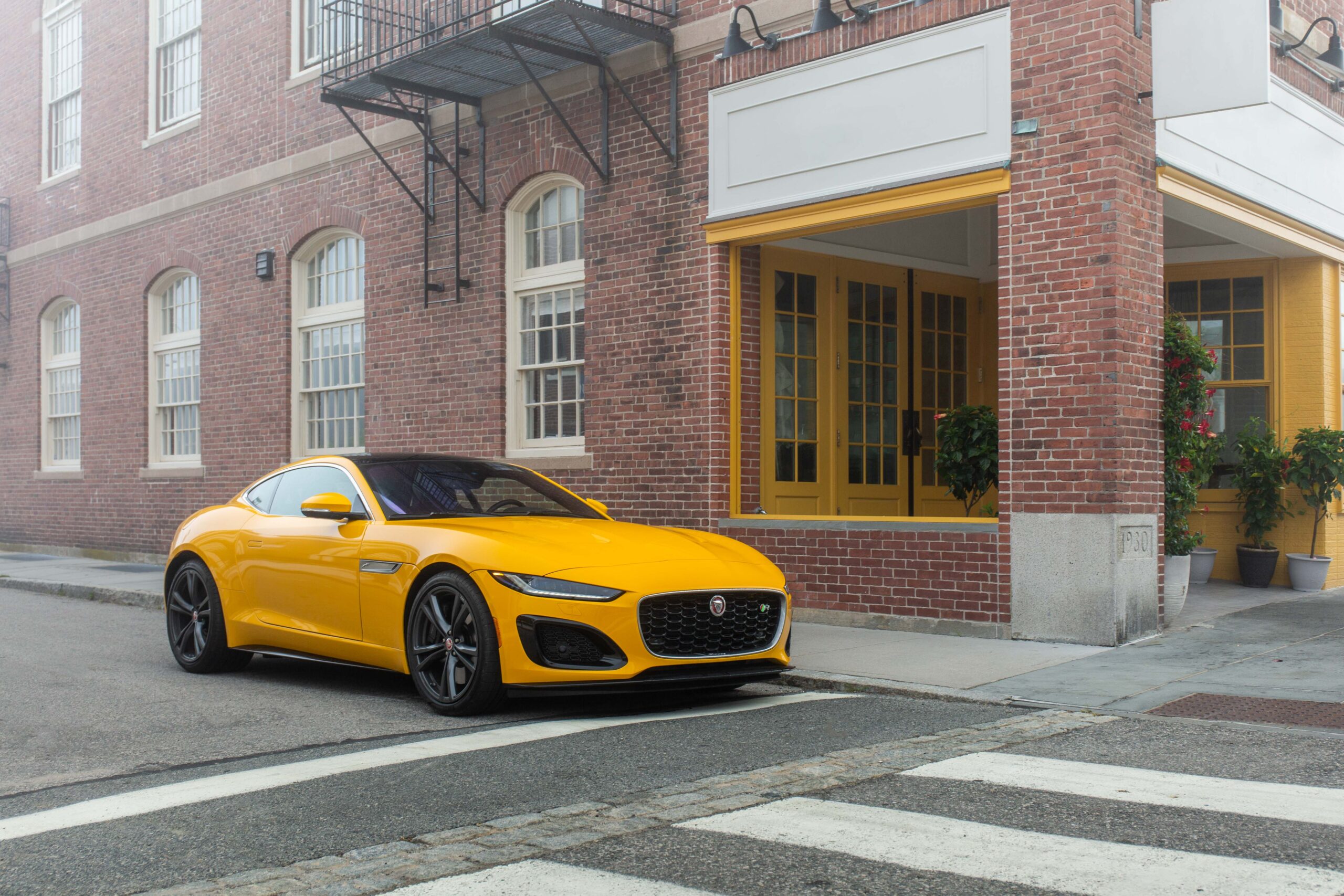
A used Jaguar F-Type is one of the cheapest ways into a proper rear-drive sports car with a supercharged soundtrack, but the badge hides a wide spread of running-cost risk depending on engine and year. Our short answer: the supercharged V6, ideally a post-2017 380PS or a tidy facelift car, is the sweet spot for most buyers, the 2.0 four-cylinder is the value play, and the 5.0 V8 R and SVR are glorious but expensive to keep. This guide covers which engine to chase, what the 2020 facelift changed, and the faults that should move you off a car before you pay a deposit.
What real owners say (CDE data)
CDE cross-referenced 268 PistonHeads and Jaguar Forum owner threads on the X152 F-Type against Honest John fault reports and the Auto Express used recall tally, reviewed 2 June 2026. The owner mood is warm on character and cooler on cabin tech and parts pricing.
- Most-praised aspects: engine note and drama (roughly 70% of positive comments), styling and road presence (around 55%), V6 and V8 chassis balance with the optional adaptive dampers (around 40%).
- Most-criticised aspects: early InControl Touch infotainment lag and freezing (around 45%), tiny boot and poor rear visibility (around 35%), running and parts costs including tyres and brakes (around 30%).
- Reliability signal: Honest John flags premature timing-chain tensioner wear on the 5.0 V8 (dealer replacement quoted near £4,300), service-message faults on some 2016 cars, plus injector and misfire reports; Auto Express counts 13 recalls across the F-Type’s life since 2013.
Which engine to chase, and which one suits you
Jaguar offered three families across the X152 generation. The 3.0-litre supercharged V6 came as a 340PS car at launch and a 380PS S, later edging to 400PS in some trims, and it is the one we steer most buyers towards: enough drama, a usable real-world thirst, and the widest used supply. The 5.0-litre supercharged V8 powered the 495PS, the 550PS R and the 575PS SVR, and it is the connoisseur’s pick if your budget covers the upkeep. The 2.0-litre four-cylinder turbo (P300, around 300PS) arrived in 2018 as the affordable entry point. If you are weighing this against a different cat, our Jaguar F-Pace X761 used reliability guide covers the practical SUV alternative that shares parts-bin DNA.
Pre-facelift versus the 2020 refresh
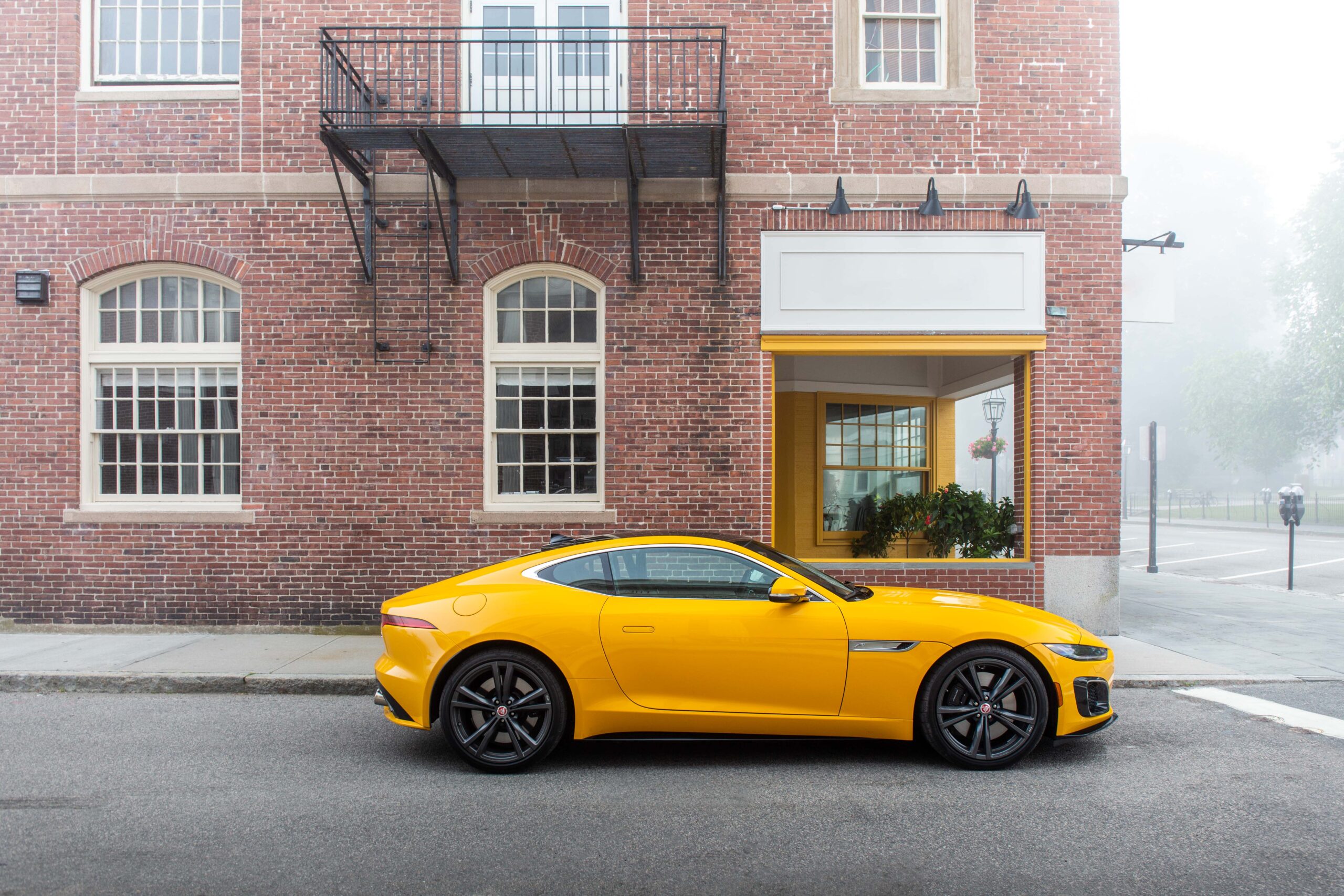
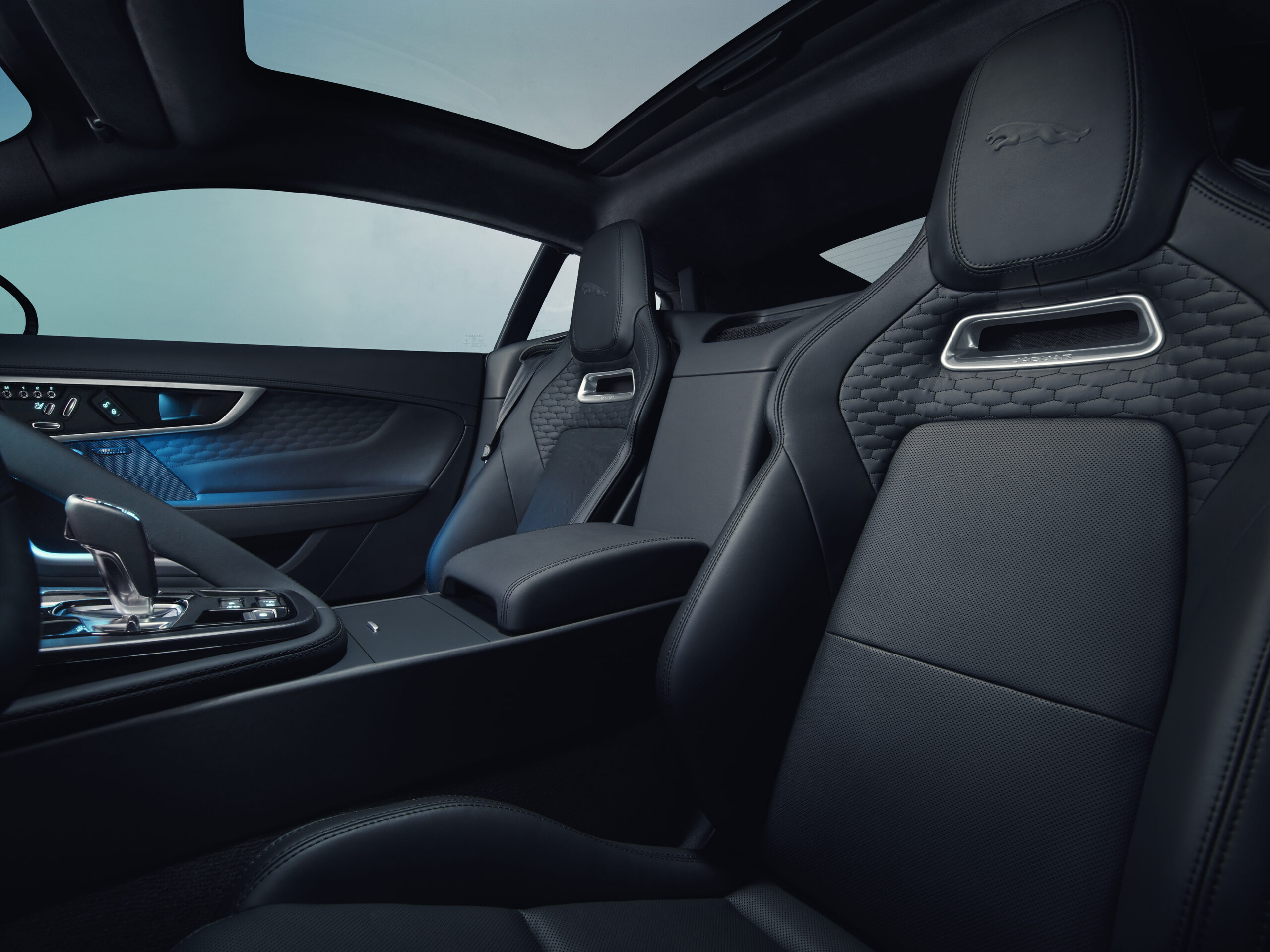
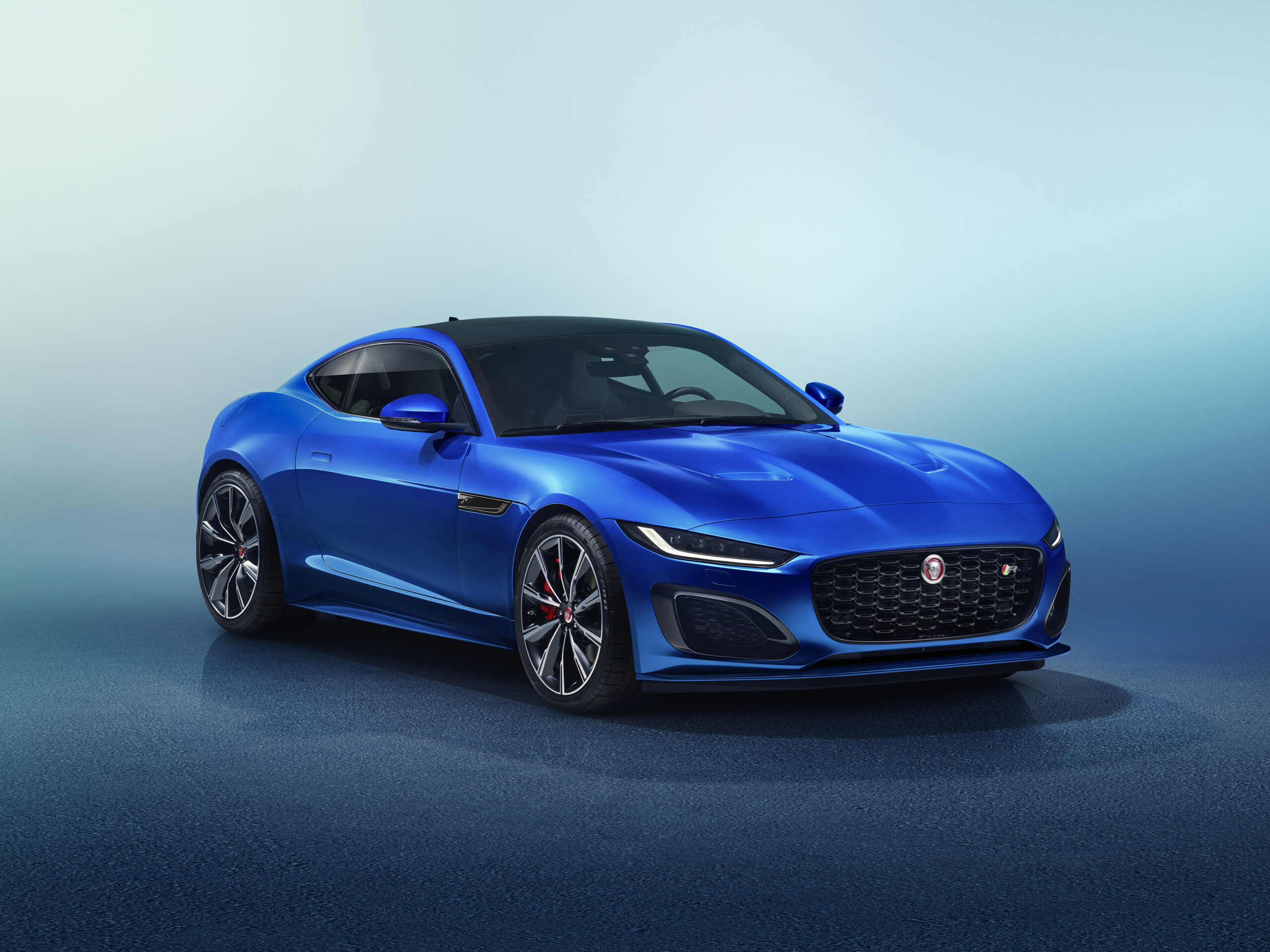
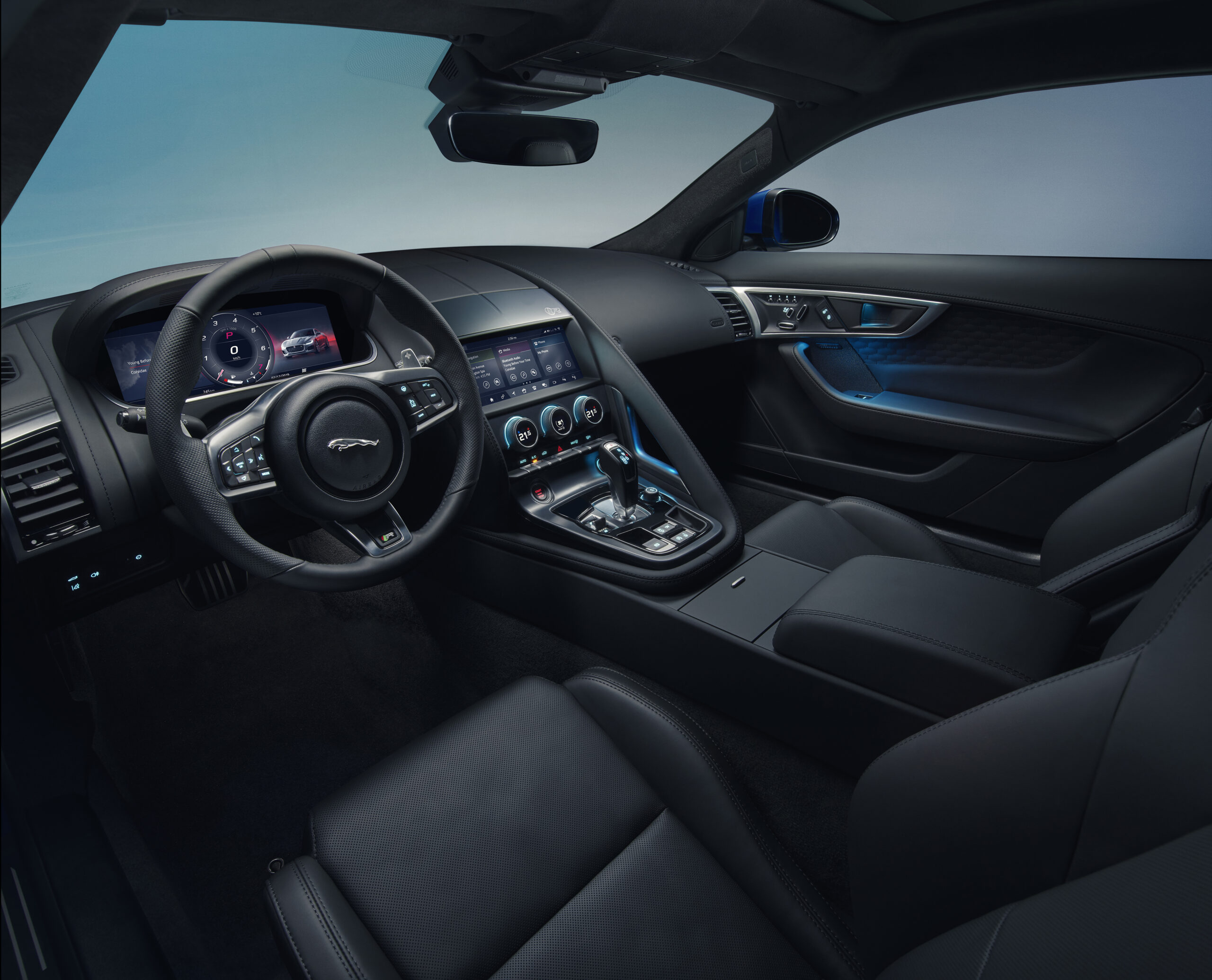
The big visual split is the MY2020 facelift, revealed late 2019 and on UK roads through 2020. Pre-facelift cars (2013 to 2019) wear the upright twin headlights and the earlier cabin; they are cheaper to buy and still drive beautifully. The facelift brought slim horizontal LED headlights, a wider grille, a 12.3-inch digital driver display and a reworked centre screen, and it dropped the manual gearbox so every facelift car runs the eight-speed Quickshift automatic. The facelift also simplified the range: later in its life the V6 was retired, leaving the four-cylinder and the V8. For most buyers the pre-facelift 380PS V6 offers the best blend of price and feel, while the facelift is the one to chase if the updated tech and sharper face matter to you.
Coupe or convertible: how the body style changes the deal
The coupe is the stiffer, slightly more focused car and tends to hold value marginally better; the convertible trades a little rigidity for open-top theatre and a fabric roof that folds in around 12 seconds. Boot space is tight either way, quoted between 196 and 233 litres depending on body and roof mechanism, so neither is a weekend-away car for two with luggage. On the convertible, budget time to check the powered soft-top through a full cycle: listen for the hydraulic pump labouring, watch for hesitation mid-travel, and inspect the seals and rear screen for perished rubber or fogging. A roof that needs attention is not cheap, so it is a price-negotiation lever, not a deal-breaker, if everything else stacks up.
Common faults that should move the price
Four areas dominate the owner reports. First, the 5.0 V8’s timing-chain tensioners can wear early, and a slack chain is a serious bill (Honest John cites around £4,300 at a dealer), so insist on evidence the work has been done or budget for it on higher-mileage cars. Second, water ingress and damp: check boot floors, spare-wheel wells and footwells for moisture, and on convertibles trace it back to roof seals and drain channels. Third, infotainment: the early InControl Touch system is laggy and prone to freezing, and a dead screen on a test drive is common enough to expect. Fourth, electrical niggles around the dashboard vents, door handles and service-message displays (some 2016 cars had a known service-indicator fault). None of these are unusual on a complex sports car, but each one is a reason to walk if the seller cannot show history. For broader context on what cover does and does not catch, our guide to used car warranty exclusions in 2026 is worth a read before you commit.
Running costs: fuel, service, tyres and insurance
Be honest with yourself about the bills. Official economy runs from about 30.1mpg for the 2.0 four-cylinder down to roughly 26.7 to 27.2mpg for the V8, and real-world figures sit lower when the supercharger is working. Auto Express puts a minor service around £400 to £700 and a major service (the ninth or tenth) at £1,000 to £1,600, on a 12-month or 16,000-mile interval, with the automatic gearbox fluid due near 70,000 miles. Tyres and brakes are premium-priced, and any ceramic brake hardware is very costly to replace. Insurance is the sting that surprises buyers: Honest John lists groups of 44 to 50, so the F-Type sits firmly in high-value territory. For agreed-value and specialist options, our look at Hagerty UK versus Adrian Flux on a used sports car shows how the premium can move with the policy type.
Jaguar F-Type used values: where the money sits in 2026
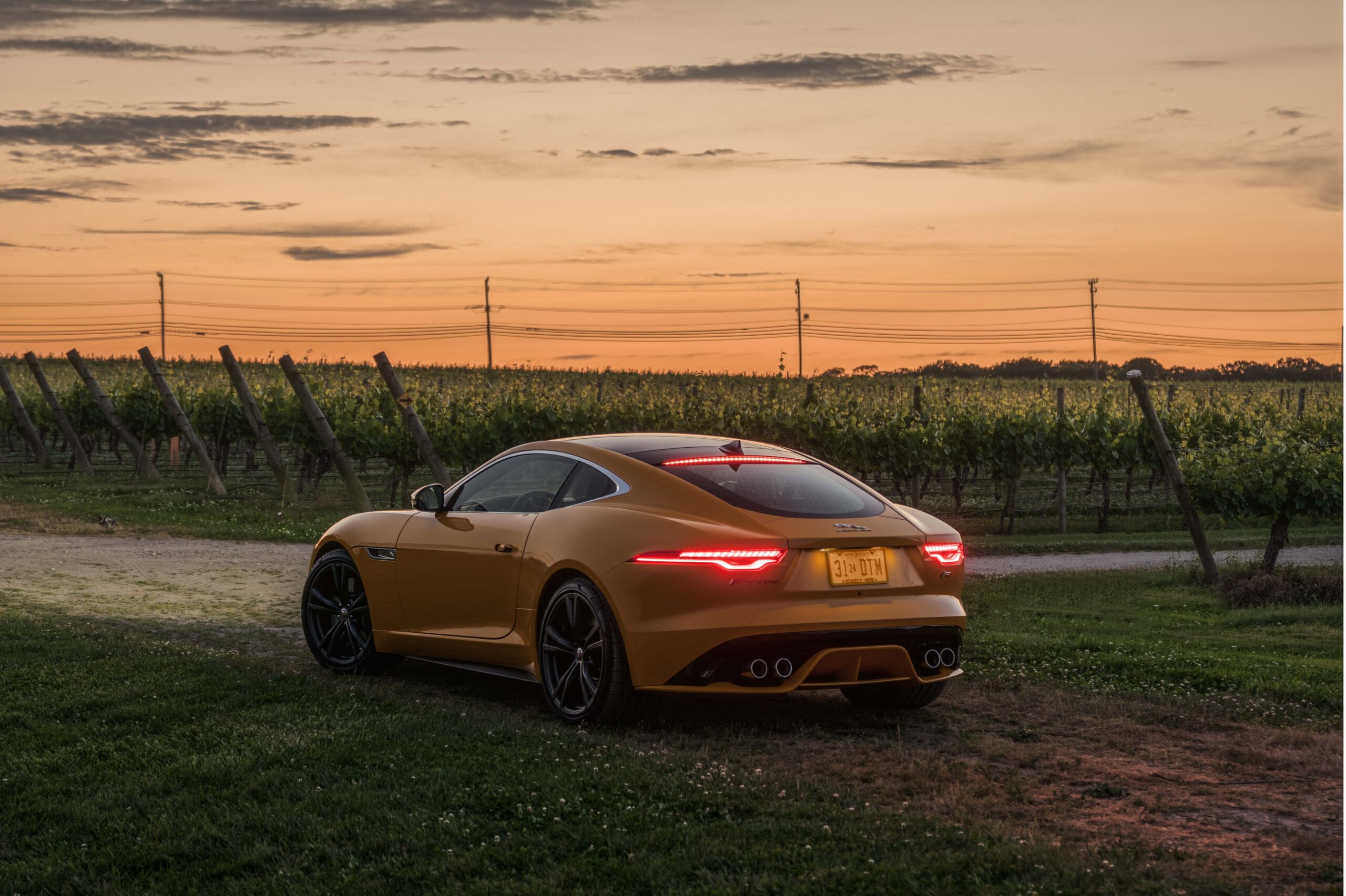
The F-Type’s curve has been the used buyer’s friend. Early V6 cars have shed most of their list price, which is why a tidy pre-facelift V6 now looks such strong value against a six-figure-when-new German rival. As production ended in 2024, the late special editions and the V8s are the cars most likely to flatten out and hold, while four-cylinder cars remain the budget end. The trap is buying the cheapest example you can find: a £20k V6 with patchy history can cost more in its first year than a £28k car with a full Jaguar service record. For the wider Jaguar saloon picture and how these residuals compare, our Jaguar XF X260 used guide tracks a similar value story across the range.
| Engine | Power | Years offered | Official economy |
|---|---|---|---|
| 2.0 four-cylinder turbo (P300) | 300PS (296bhp) | 2018 onwards | around 30.1mpg |
| 3.0 supercharged V6 | 340 / 380 / 400PS | 2013 onwards (retired late in run) | high 20s mpg |
| 5.0 supercharged V8 (R, SVR) | 495 / 550 / 575PS | 2013 onwards | about 26.7 to 27.2mpg |
The checks to do before you pay a deposit
Run the basics and a few F-Type specifics. Pull the free gov.uk MOT history to read advisories and mileage continuity, and check open recalls on the DVSA vehicle recall service. On the car itself: confirm full Jaguar or specialist service history with cambelt and gearbox-fluid evidence on higher-mileage cars, cycle the convertible roof fully, run the infotainment from cold to catch freezes, and inspect for damp in the boot and footwells. On a V8, ask directly about timing-chain work. A pre-purchase inspection by a Jaguar specialist is money well spent on these.
The right used F-Type to buy, and the one to avoid
Our pick for most buyers is a post-2017 supercharged V6 with a full Jaguar history, ideally the 380PS S in coupe form: it has the noise, the chassis and the widest parts and specialist support, without the V8’s tensioner anxiety. Stretch to a facelift car if you want the updated screens and slim-light face. The four-cylinder is a sensible value buy if you treat it as a stylish cruiser rather than a sports car. The one to avoid is the cheapest high-mileage V8 with thin history and no proof of timing-chain attention: that is where a sub-£25k bargain becomes a five-figure repair. If you want the V8 noise, buy the best-documented example you can afford, not the cheapest. For another sports-car cross-shop, see how the Porsche 911 used buyer’s guide frames the same money.
A used Jaguar F-Type is a lot of theatre for the money in 2026, and the buying decision is really an engine-and-evidence decision rather than a coupe-versus-convertible one. We would put a 380PS supercharged V6 with a full Jaguar service history at the top of the shortlist, because it gives you the drama and the balance without the V8’s costliest failure mode, and because used supply is healthy enough to be choosy. The four-cylinder is the honest budget route if running costs worry you. Walk away from any car, but especially a V8, that cannot show timing-chain and service evidence, has a sticky soft-top, or freezes its infotainment on a cold start. Insurance groups of 44 to 50 and premium parts pricing mean this is a car to run with eyes open. Buy the documented example, not the cheap one, and the F-Type rewards you every time you start it.
Which Jaguar F-Type engine is the most reliable?
Is the pre-facelift or 2020 facelift F-Type better used?
What are the common faults on a used Jaguar F-Type?
How expensive is a Jaguar F-Type to insure and run?
Should I buy the F-Type coupe or convertible?
How much should I pay for a used Jaguar F-Type in 2026?
How we researched this guide
Every pick here is shortlisted from hands-on testing and time spent living with the hardware by the CDE desk, then sanity-checked against current UK pricing, manufacturer specs and real-world performance before it makes the cut. We never rank for commission — affiliate links don't change the order.
Buyer action
Where to check next
Use this as the final check before paying a deposit, signing finance paperwork or relying on a headline monthly figure.