This article from Car Deal Expert’s archive remains live for reference. For our latest UK car-buying, finance and EV analysis, see our current How To hub.
Know more about your headlights Most drivers only know whether their headlights are working or not. But there’s interesting technology behind the glass, ar
Know more about your headlights
Most drivers only know whether their headlights are working or not. But there’s interesting technology behind the glass, argues Popular Mechanics. If you know how your headlights work, you’ll be able to maintain them more effectively and perhaps avoid that moose or angry drifter in the road.
From open flame to blinding flash

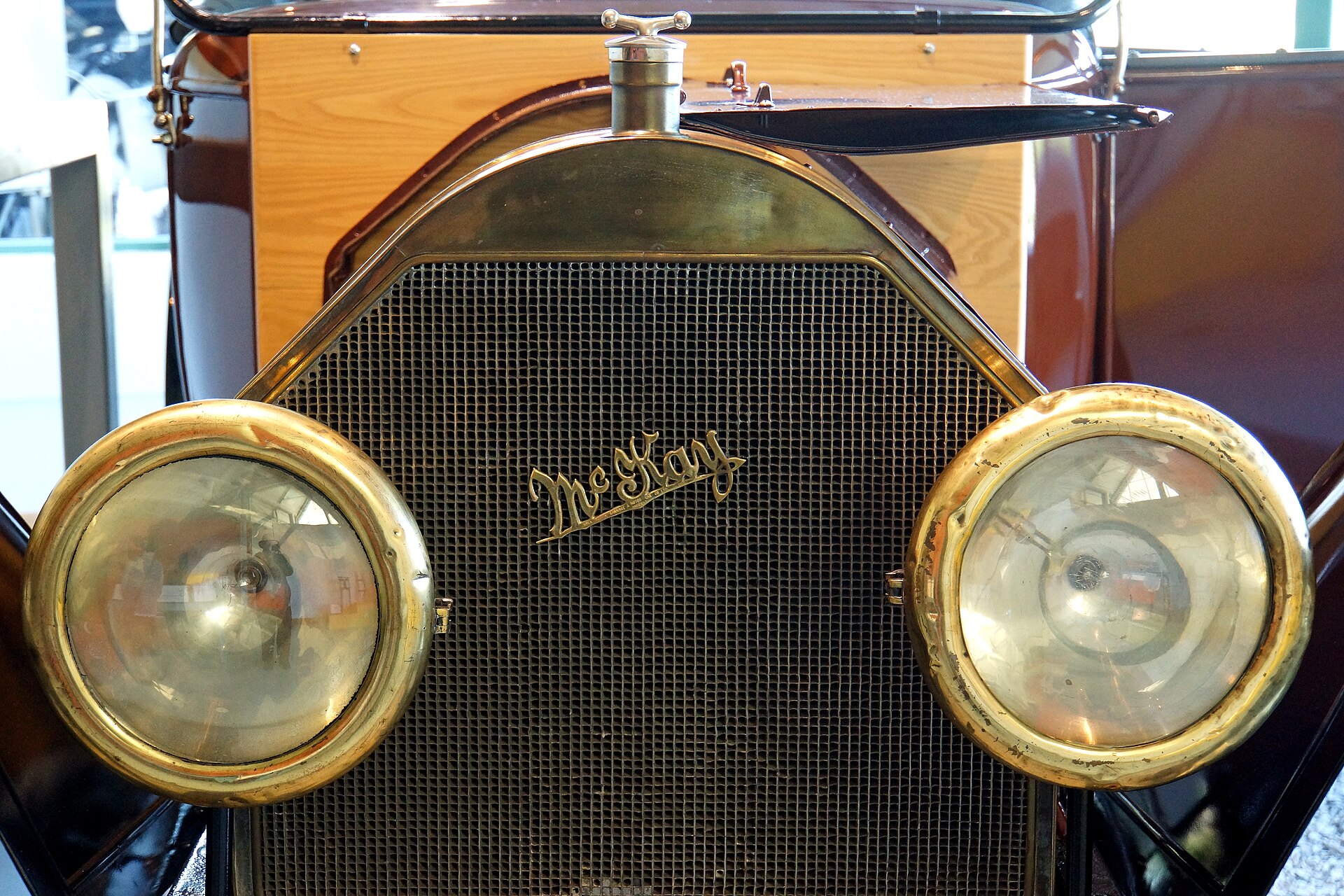
More than a century ago, car headlamps were fueled by either kerosene or acetylene. These open flames were eventually replaced by small electric blubs within a reflector/lens casing. As old bulbs suffered from insufficient insulation, corrosion was common and would quickly dim the lights. Another problem with these lights –before the corrosion took its toll , was their intensity resembled constant high beams that blinded oncoming traffic, so the U.S. government made them illegal in 1941.
Sealed-beam lights go high and low
Tungsten filament bulbs resembled standard household light bulbs. High- and low-beam switches began to appear by the 1920s. Brightness and overall beam control were inconsistent, which is not surprising, considering the bulbs were cheaply made. By 1973, sealed-beam lights were replaced by quartz-iodine technology.
Quartz-Iodine brings the tungsten
Quartz-Iodine (QI) is the standard headlight technology in use today. The bulb is once again small, and more modern sealing materials help protect both the bulb and the reflector array. Quartz glass can stand higher temperatures, so the filament can burn hotter, producing brighter light. When QI bulbs require replacement, the headlamps don’t have to be re-aimed, thanks to precise design of modern filaments.
HID: Like a bolt from the heavens
High-intensity-discharge bulbs (HIDs) ditch the tungsten filament in exchange for a high-voltage arc that resembles a miniature lightning bolt. While a high initial current is needed to turn the bulb on, once an HID is up and running, it requires less energy than a standard QI lamp. Most observers claim an HID produces a more crisp beam, but because they take a moment to reach full intensity, high-beams on HIDs can be problematic, particularly in emergency situations. For this reason, some modify HID arrays with QI bulbs for the high beams, but this can be prohibitively expensive.
LEDing you into the future
Taillights already use LED (light-emitting diode) lights, but they aren’t standard for headlamps yet. According to Popular Mechanics, only the Audi A8 has them standard today. Light in weight, vibration-resistant, bright and power-efficient, LEDs light up faster than a standard QI bulb, providing quicker warning that can be seen at greater distance.
If you don’t own an Audi A8 and want to experience LED headlights now, there are DIY options available, such as the one described at the Instructables website. Keep in mind that because LEDs use so little power, conventional turn signal switches aren’t compatible. You’ll need to switch them out to draw the right amount of current.
An inside look at LED headlights
MCDE Editorial
Buyer action
Where to check next
Use this as the final check before paying a deposit, signing finance paperwork or relying on a headline monthly figure.