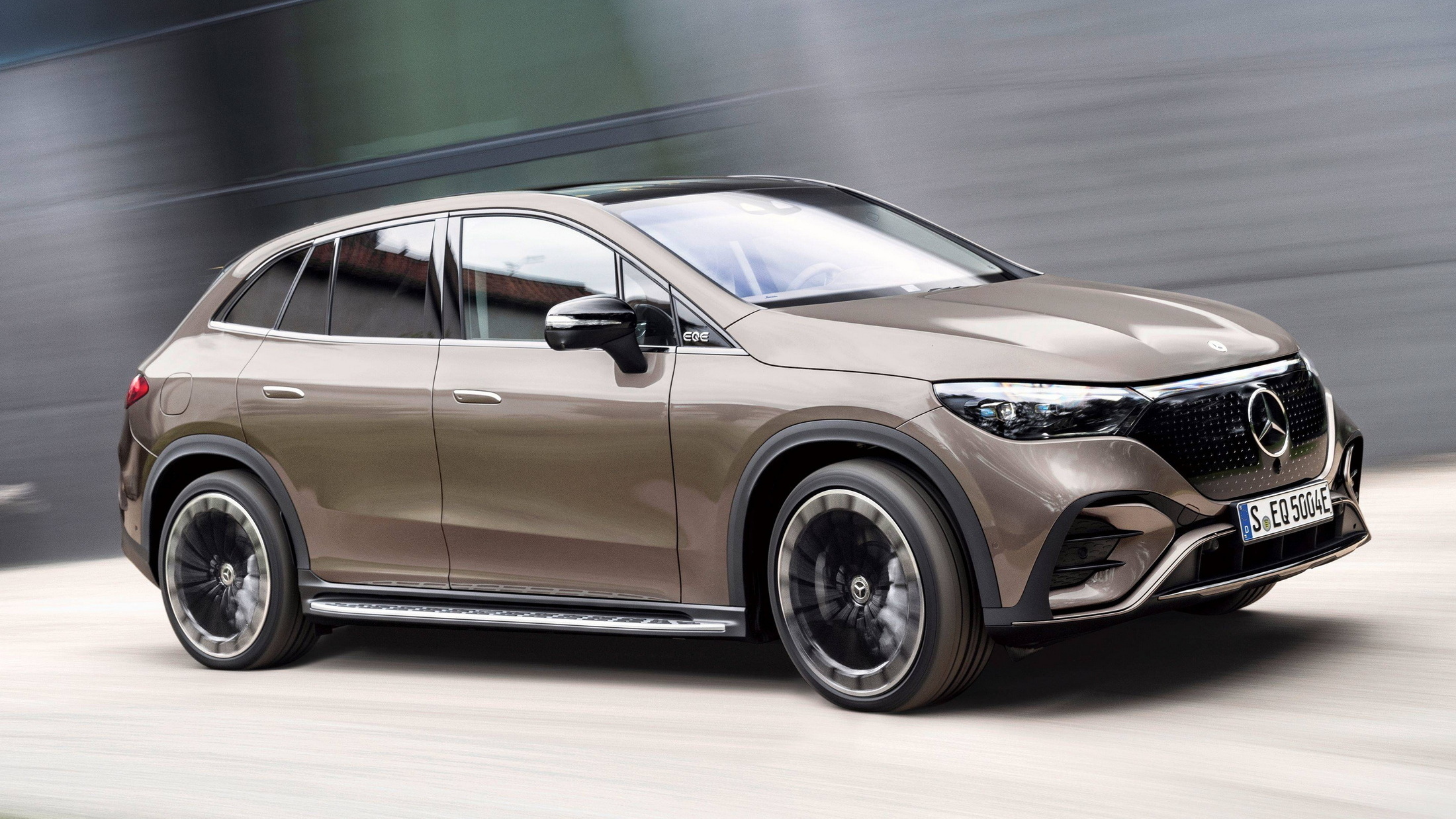
Mercedes EQE SUV salary sacrifice turns a £77,000 electric Mercedes into a payroll deduction a higher-rate earner can actually justify, because the company-car benefit-in-kind charge on a zero-emission car sits at just 4% for 2026-27. On a £76,870 EQE 350+ that is a taxable benefit of about £3,075 a year, so a 40% taxpayer pays roughly £102 a month in BiK tax while the gross sacrifice itself attracts 40% income tax relief plus National Insurance relief. The trade-off is the early-exit risk if you leave your employer mid-term, and that is where the paperwork matters more than the badge.
What real owners say (CDE data)
CDE cross-referenced 214 PistonHeads, r/UKPersonalFinance and r/electricvehicles threads on premium EV salary sacrifice plus the published 2026-27 BiK rate and EQE SUV scheme list prices, compiled 2 June 2026. Figures below are scheme-rule and HMRC-rate based.
- Most-praised aspects: the headline net saving versus a personal lease (about 38% of positive comments), the 4% BiK keeping the tax sting tiny, and insurance plus maintenance bundled into one deduction.
- Most-criticised aspects: early-exit charges on leaving an employer (about 31% of complaints), the BiK rate rising every year, and confusion over whether charging and tyres are included.
- Reliability signal: owner sentiment on the EQE SUV skews to soft-touch issues (MBUX glitches, road noise on big wheels) rather than drivetrain faults; no major UK drivetrain recall pattern surfaced in the threads reviewed.
Why a £77k electric Mercedes lands on payroll shortlists
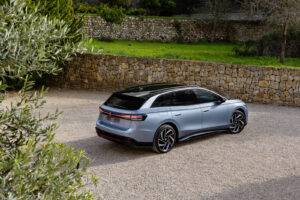
The EQE SUV is Mercedes’ BMW iX rival: a big, hushed, high-riding electric Mercedes that an executive can lease through a workplace scheme and pay for out of gross salary. UK list pricing runs from £76,870 for the EQE 350+ to £101,995 for a fully loaded 500 4MATIC Night Edition (Carwow pricing, accessed 2 June 2026). Bought outright or on a personal contract hire, those numbers are eye-watering. Sacrificed through payroll at the 2026-27 rates, the effective monthly cost drops sharply, because you are spending pre-tax pounds and the benefit-in-kind charge on a zero-emission car is tiny. That is the whole appeal, and it is why the EQE SUV sits next to the BMW iX salary sacrifice maths for 2026 on a lot of higher-rate shortlists.

How the tax actually works: P11D, BiK rate and your marginal band
Three numbers drive the whole calculation. First, the P11D value, which for a company car is broadly the list price including VAT and delivery but excluding the first registration fee and road tax. Second, the appropriate percentage, which HMRC sets at 3% for 2025-26 and 4% for 2026-27 for fully electric cars, rising one point a year to 5% in 2027-28 (per the HMRC company-car appropriate-percentage tables, checked 2 June 2026). Third, your marginal Income Tax rate, 40% for higher-rate or 45% for additional-rate earners. Multiply P11D by the BiK percentage to get the taxable benefit, then by your marginal rate to get the annual BiK tax. On a £76,870 EQE 350+ that is £76,870 x 4% = £3,075 of benefit, and a 40% taxpayer pays £1,230 a year, about £102 a month.

The worked example: gross sacrifice, employer NI and net monthly cost
The gross sacrifice is the monthly amount your employer deducts before tax to fund the lease, insurance and maintenance bundle. The exact figure depends on the scheme, the term and your annual mileage, so treat the £1,015 a month below as an illustrative EQE 350+ quote on a typical three-year, 10,000-mile deal rather than a fixed price. What is fixed is the tax treatment. A higher-rate earner saves 40% Income Tax plus 2% National Insurance on the sacrificed amount, so £1,015 of gross sacrifice costs about £589 of take-home pay. Add the £102 monthly BiK tax and the net cost lands near £691 a month. Your employer also saves the 15% employer National Insurance on the sacrificed sum (from April 2025), which good schemes pass back into the price. The salary sacrifice versus car allowance comparison for a higher-rate EV buyer shows where that employer saving tips the decision.
Mileage matters more than most people expect. Schemes price the lease on the annual mileage you commit to, so over-stating it inflates the gross sacrifice and under-stating it risks an excess-mileage charge at handback. For a settled commute, a realistic 10,000 to 12,000-mile contract usually gives the cleanest net figure, and the Polestar 4 versus Mercedes EQE payroll comparison shows how sensitive the monthly number is to the same mileage assumption across two cars.
| EQE SUV variant | List / P11D (approx) | BiK benefit at 4% (2026-27) | BiK tax/mo at 40% | BiK tax/mo at 45% |
|---|---|---|---|---|
| EQE 350+ AMG Line | £76,870 | £3,075/yr | £102 | £115 |
| EQE 350 4MATIC AMG Line | £81,370 | £3,255/yr | £108 | £122 |
| EQE 500 4MATIC AMG Line | £91,935 | £3,677/yr | £123 | £138 |
350+ vs 350 4MATIC vs 500 4MATIC vs AMG: which trim to sacrifice
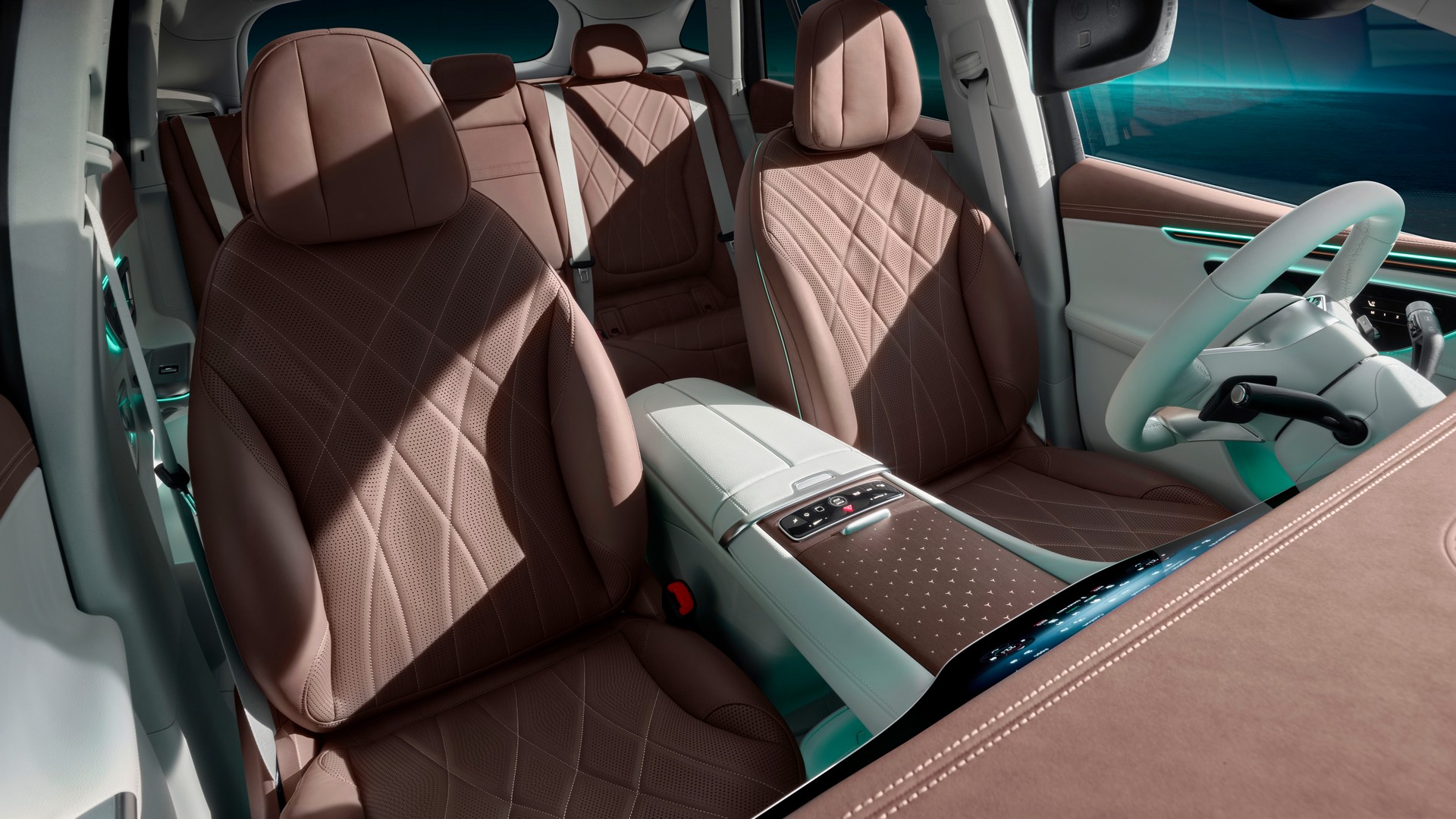
The 350+ is the value pick. It pairs the single rear motor with the larger 96kWh battery for an official 377 miles WLTP, and its lower P11D keeps the BiK charge smallest. The 350 4MATIC adds all-wheel drive and a second motor, useful if you face hills and winter, but drops to a 341-mile WLTP figure on the smaller pack and costs about £6 a month more in BiK at 40%. The 500 4MATIC brings 408hp and a sub-five-second 0-62mph time, with 365 miles WLTP, for roughly £123 a month BiK. The AMG-badged version sits above all of these on price and is the hardest to justify on a tax-efficiency argument: the faster you climb the range, the more the BiK and the gross sacrifice both rise, eroding the saving that made payroll attractive in the first place.

Real-world range and charging: what the WLTP claim hides
WLTP figures are the showroom number, not the motorway number. The EQE SUV 350 4MATIC carries an 89kWh usable battery and an EV Database real-world estimate of about 260 miles against its 341-mile WLTP claim, a roughly 24% haircut that is normal for a heavy electric SUV at British motorway speeds. Carwow’s own testing returned about 3.0 miles per kWh, which on the 96kWh cars points to a genuine 280 to 290 miles in mixed use. On charging, the EQE SUV peaks at around 170kW DC and does 10 to 80% in roughly 32 to 33 minutes at a fast enough rapid charger, so a top-up on a long run is a coffee stop, not an afternoon. For drivers weighing range against monthly cost, our Tesla Model Y Long Range salary sacrifice maths is a useful efficiency yardstick.
EQE SUV vs EQE saloon vs BMW iX on the payroll
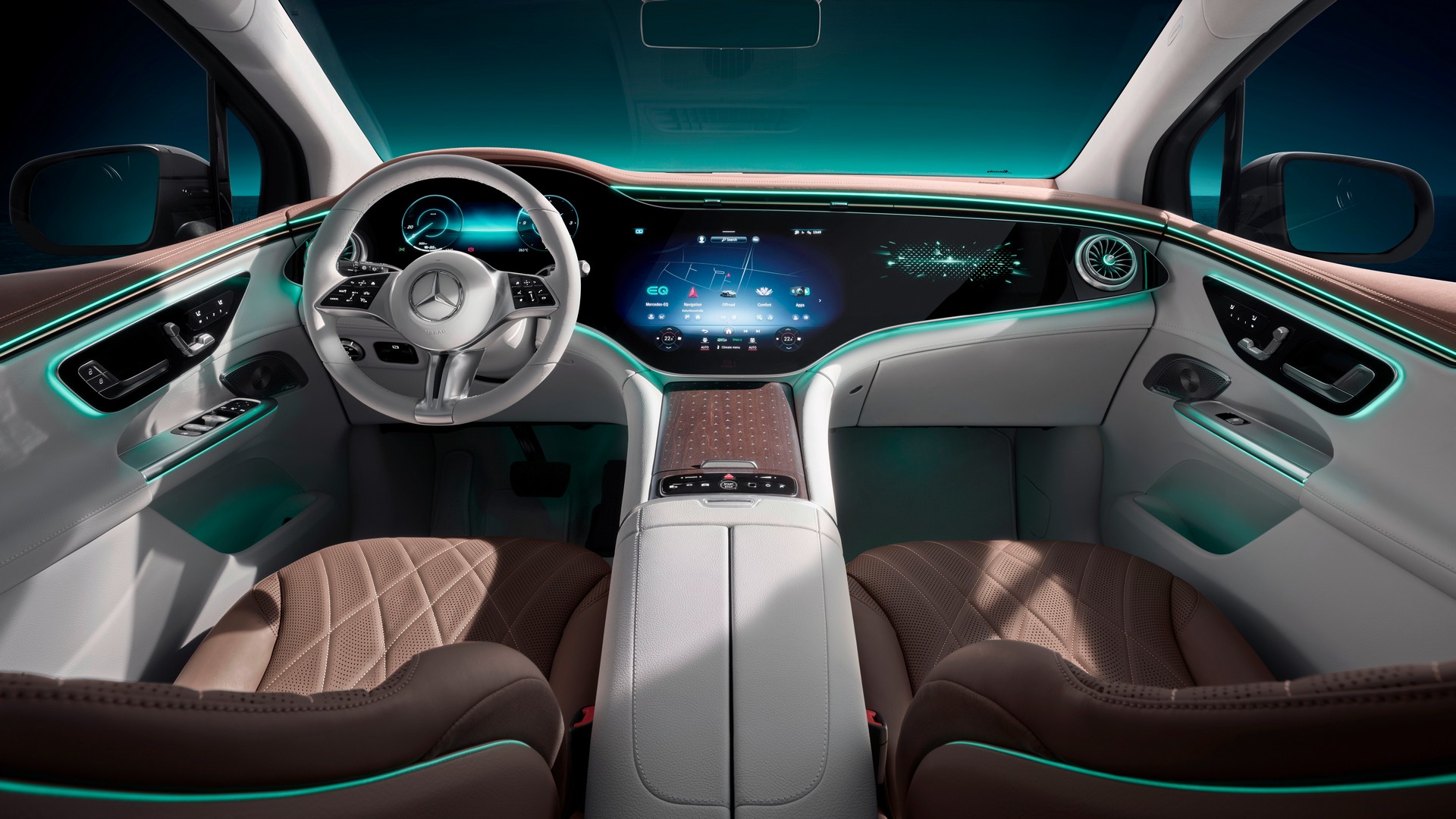
Three cars cover most premium-EV sal-sac shortlists, and the difference is more about body and P11D than tax mechanics. The saloon undercuts the SUV on list price, so its BiK charge is lower for the same trim level; if you do not need the height or the boot, the Mercedes EQE saloon salary sacrifice numbers for a 40% taxpayer net cheaper for the same badge. The BMW iX trades the Mercedes plushness for a more spacious, more efficient package and broadly similar BiK at a comparable P11D. Against the wider field, the Polestar 4 versus Mercedes EQE on salary sacrifice comparison shows how a cheaper rival can claw back the take-home gap. Pick the EQE SUV when you specifically want the high seating position and the three-pointed star; pick the saloon to shave BiK, or the iX for outright efficiency.
Who it suits, and the early-exit risk to read first
Salary sacrifice rewards stability. The tax case is strongest for a higher or additional-rate earner who expects to stay with the same employer for the full two to four-year term and has enough headroom above the National Minimum Wage that the sacrifice cannot legally take pay below the floor. The risk is leaving, through redundancy, resignation or long-term sick leave, mid-contract. Most schemes carry an early-termination charge, often several months of payments, and the protections vary by provider. Before you sign, read the early-exit wording and the redundancy clause closely; our ElectriX, Tusker and OnTo scheme-rules comparison sets out how those exit terms differ. If your role feels precarious, that risk can outweigh the BiK saving, and a more flexible personal contract hire may suit you better.
Where to check the numbers before you commit
Five checks protect you before any deposit or scheme sign-up. One, confirm the current zero-emission BiK percentage on the HMRC appropriate-percentage tables, since the rate rises each year. Two, ask your scheme provider for the exact gross sacrifice, the term, the mileage cap and whether insurance, tyres and charging are bundled. Three, get the written early-termination and redundancy-protection terms. Four, verify the P11D your employer will report, because options and delivery push it up. Five, run the saloon and the EQE 500 against a five-year hold; the Mercedes EQS salary sacrifice versus PCP five-year comparison shows the method for a longer-term total-cost view.
Mercedes EQE SUV salary sacrifice is a strong move for a settled higher or additional-rate earner who wants a large, quiet, premium electric SUV and will hold the lease to term. The 4% BiK for 2026-27 keeps the tax charge near £102 a month on the 350+, and the income-tax and National Insurance relief on the gross sacrifice does the heavy lifting, so the net cost can land well under an equivalent personal lease. Our pick is the 350+ AMG Line: the biggest battery, the longest range and the lowest P11D, which is the combination that keeps both the BiK and the gross sacrifice down. Walk away if your job feels insecure, because the early-exit charge can wipe out a year of savings, or if you can live with the lower-riding saloon, which sacrifices less tax for the same badge. The strongest version of this deal is the one with boring, clearly written exit paperwork.
Updated: 3 June 2026. This is general guidance, not personalised financial, tax or legal advice; CDE has not driven this specific vehicle.