I’ve spent the week back inside Fleet Alliance’s salary-sacrifice calculator, which as of June 2026 lists the Mercedes EQE among the cars you can actually order through a workplace scheme. That surprised me a little. The EQE is an executive saloon, the electric E-Class in all but name, and my instinct with cars at this end of the market is that the headline monthly figure does the talking while the small print does the damage. So I ran the numbers properly, because if you’re going to put an £80,000 Mercedes through your payslip, you ought to know exactly what you’re signing.
Here’s the figure that made me sit up. On Fleet Alliance’s own calculator the EQE comes out at £546 a month on salary sacrifice against £1,089 a month on a comparable personal lease. That’s not a rounding-error saving, it’s roughly half. There’s no deposit on the sacrifice deal either, versus £6,831 you’d hand over up front on the personal lease, and the quoted total saving across the contract lands at £33,120. Treat all of those as illustrative calculator outputs rather than a quote with your name on it: they are representative figures, not a finance offer, and they will move with your salary, your tax band and the exact terms your employer’s scheme runs, so model your own (and read it as subject to status) before you commit. The monthly price also bundles in insurance, road tax, maintenance and breakdown cover, which matters more than people give it credit for: on a car like this, a single out-of-warranty repair or a fully comprehensive premium can quietly eat a year’s worth of “savings”.
Why the gap is this wide (salary sacrifice)
The reason the two columns diverge so dramatically isn’t Mercedes being generous. It’s the tax. Salary sacrifice works by taking the lease cost out of your gross pay, so you’re not paying income tax or National Insurance on that slice of salary. The only tax you pick up is Benefit-in-Kind, and for electric cars the HMRC company-car benefit-in-kind rate sits at just 4% for the 2026/27 tax year, as SalaryTax.uk’s explainer sets out. On a petrol or diesel executive saloon you’d be looking at a BiK band several times that, which is precisely why the maths only really sings on an EV. Strip the electric powertrain out of this equation and the saving collapses.
The catch, and there’s always one, is that sacrificing salary lowers your gross pay, and your post-sacrifice pay has to stay above the National Minimum Wage. For a full-time worker aged 21 or over, that floor (the annual equivalent of the National Living Wage set by gov.uk) was around £23,795 in 2025/26. A £546-a-month deduction is over £6,500 a year off your gross, so this is comfortably a higher-earner’s car. If you’re anywhere near that wage threshold, the scheme simply won’t let you near an EQE, and nor should it.
The car you’re actually getting
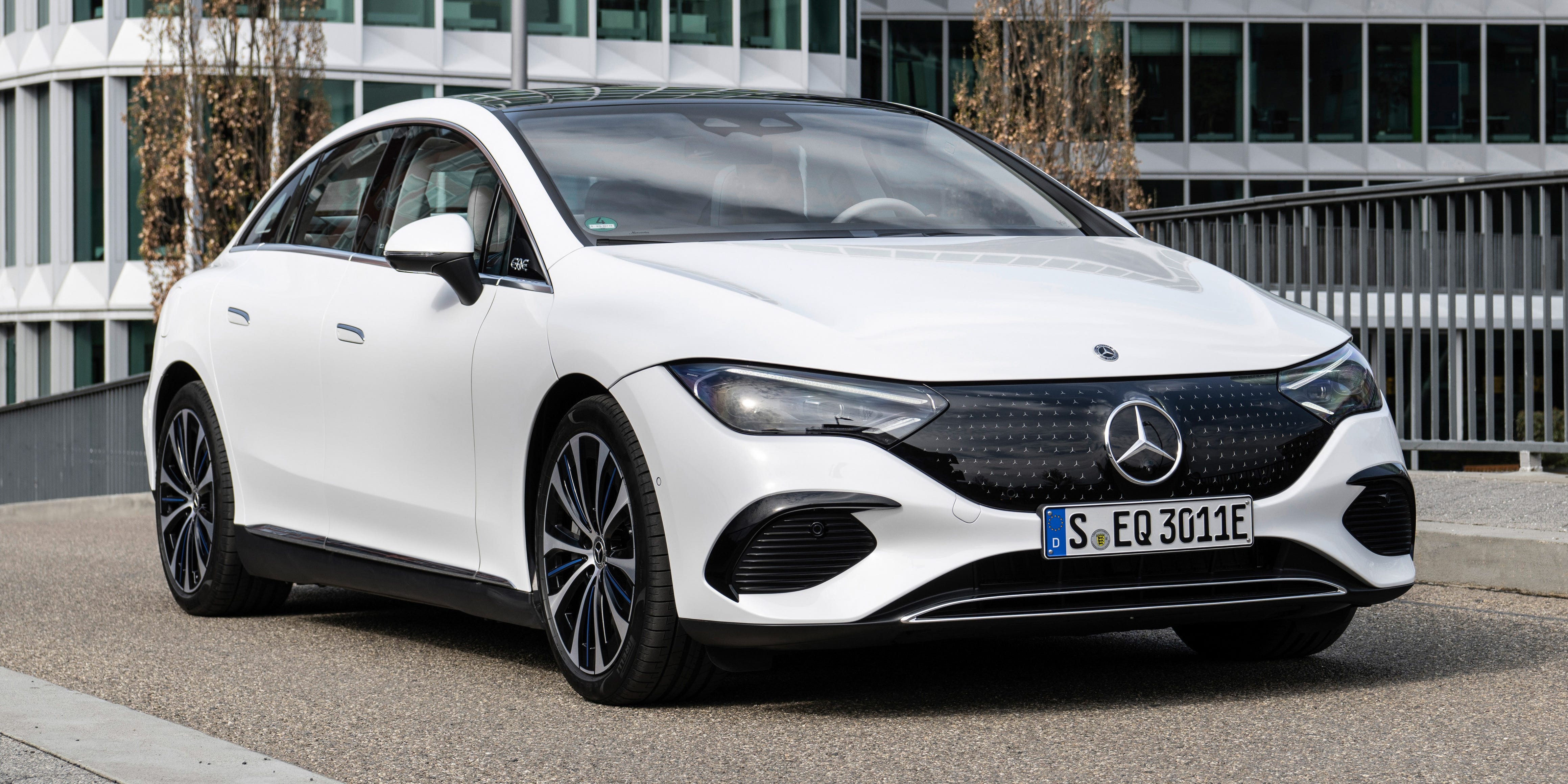
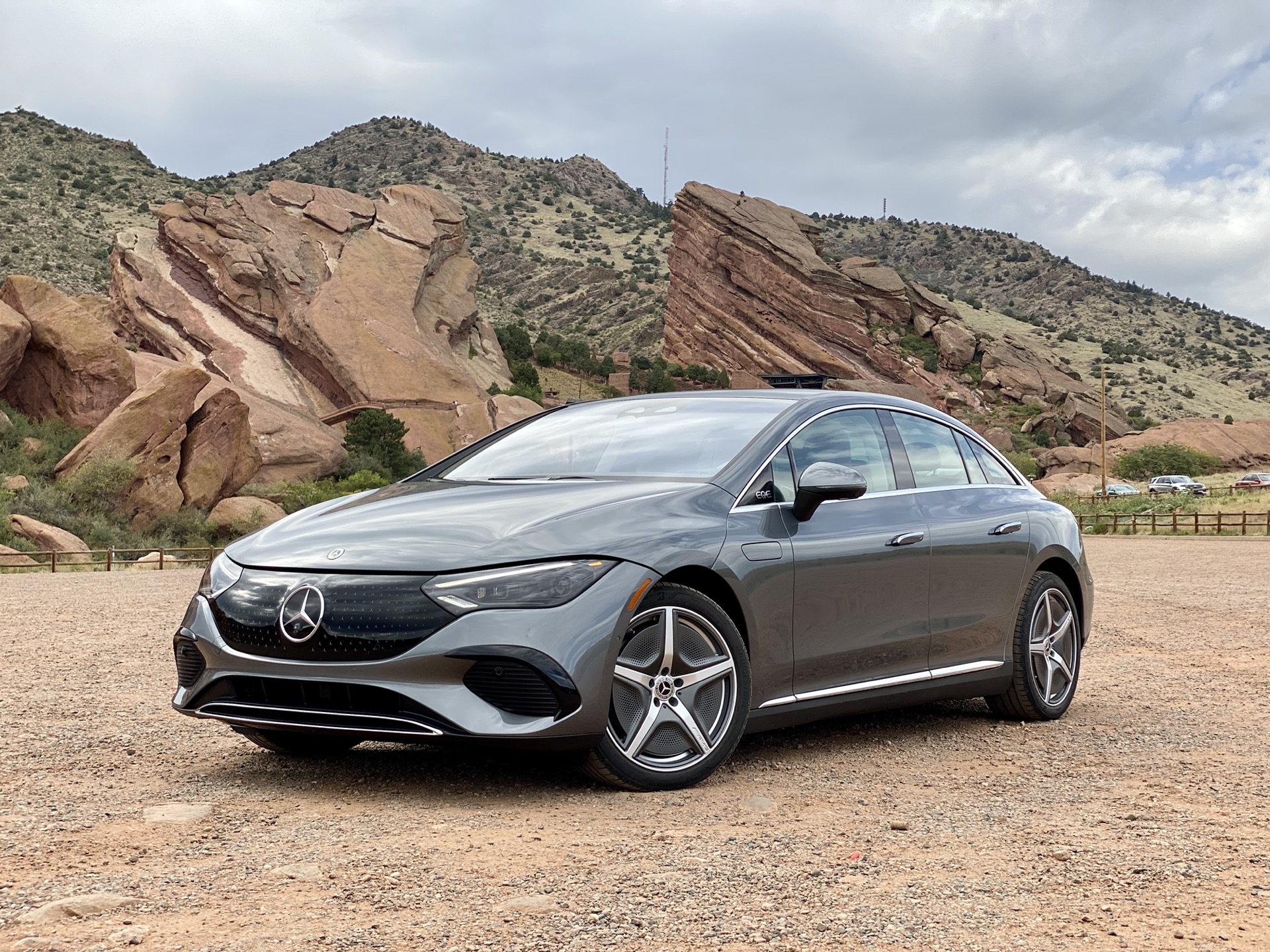
It would be easy to treat the EQE as a spreadsheet line, so it’s worth remembering what £546 a month buys. The Electric Car Scheme puts the EQE 300 on a 90kWh battery with a 384-mile range, and lists the model range at £68,810 to £114,995 depending on spec. Fleet Alliance’s quoted car claims 376 miles and a 0–62mph time of 7.3 seconds. The two range figures sit close enough that I’d plan my life around a real-world 300-and-something either way, which, for an executive EV, is genuinely useful rather than merely impressive.

Charging is the part that reassures me most. The EQE will take a 170kW DC feed and add around 264 miles in 30 minutes on a fast enough charger. That’s the difference between an EV that fits a long working week and one that doesn’t: a coffee-length stop on the motorway and you’re topped up for the next leg. For someone doing genuine business mileage between cities, that’s the spec line I’d actually lean on.
Where I’d be careful
Two things would give me pause before signing. The first is that salary sacrifice ties you in. If you leave the employer, are made redundant, or hit a stretch where you can’t sustain the deduction, you’re exposed to the scheme’s early-exit terms, and on a car this expensive, those terms aren’t trivial. Some providers offer protection, some don’t; I’d read that clause before any other. The second is BiK rate creep. The 4% figure is locked for 2026/27, but the Treasury has a long history of nudging EV benefit rates up year on year, so the saving you sign for today is not guaranteed for the full term. SalaryTools’ breakdown is a sensible second opinion to run your own numbers against before you commit.
It’s also worth being honest that the EQE is not a small bet. Even halved, £546 a month is more than plenty of people pay for a mortgage. If you want the cheapest route into an electric company car, this isn’t it: there are far smaller EVs on Fleet Alliance’s own salary-sacrifice shortlist that will save you a similar proportion on a much lower base.
The driver I’d actually sign this off for
So does the EQE make sense on a UK scheme in 2026? For the right person, yes, and more emphatically than I expected when I opened the calculator. If you’re a higher-rate taxpayer with secure employment, you do real motorway mileage, and you’d otherwise be paying for a premium saloon out of taxed income anyway, salary sacrifice turns a £1,089 car into a £546 one and throws the insurance and servicing in (representative figures, not a finance offer, and subject to your circumstances and your employer’s scheme). That’s a deal I’d take without much hand-wringing.
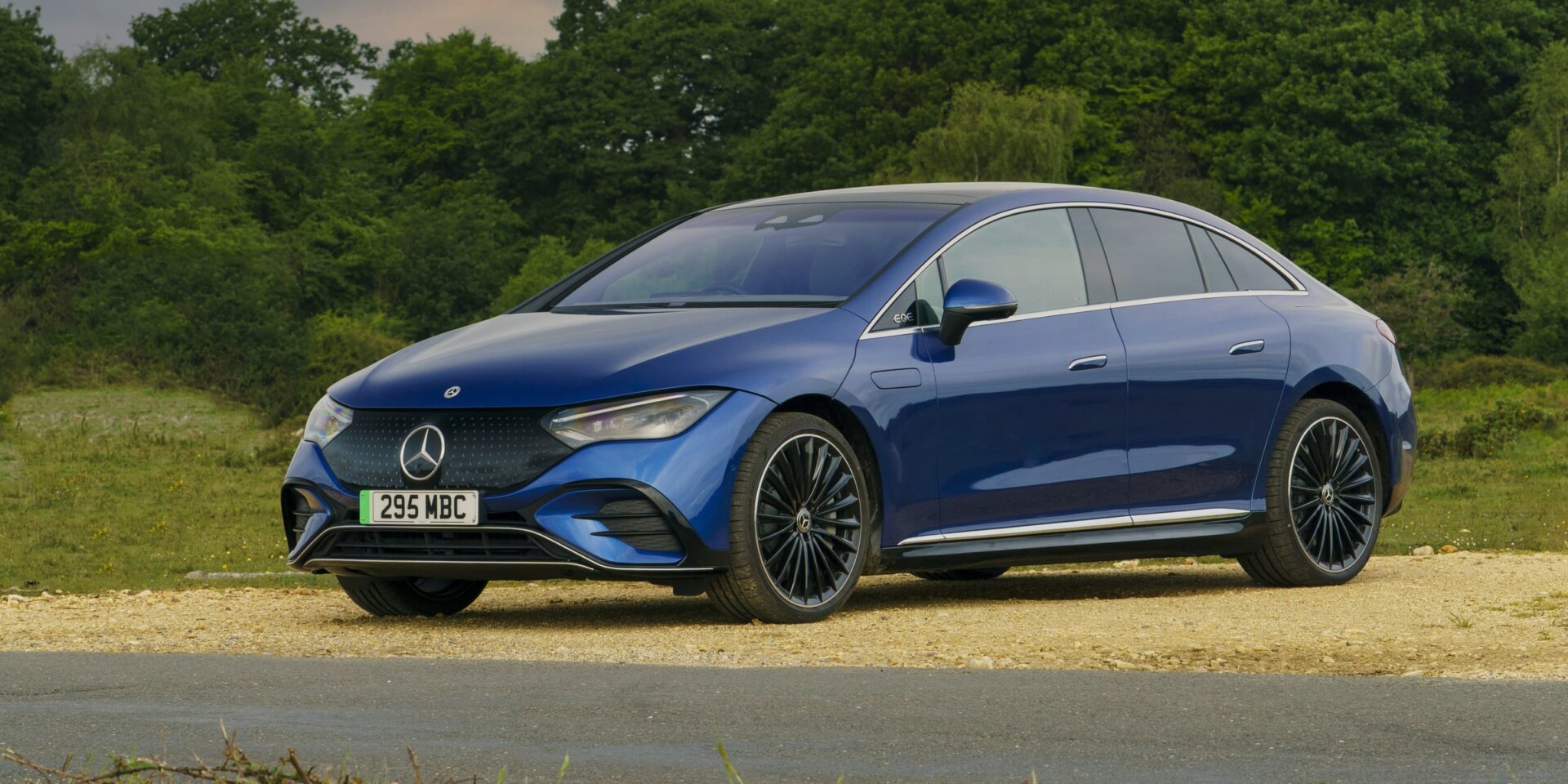
Who I’d steer away from it: anyone whose post-sacrifice pay would sit close to the minimum-wage floor, anyone whose job feels shaky enough that an early-exit penalty would sting, and anyone buying it as a status purchase rather than a mileage one. The thing that would tip the EQE even further in its own favour is a longer BiK guarantee: lock the 4% for the whole term and this stops being a clever option and becomes an obvious one. As it stands, it’s the most persuasive executive-EV case I’ve run the numbers on this year, provided you go in with your eyes open about the tie-in.
Buyer action
EV and salary-sacrifice checks
Use this as the final check before paying a deposit, signing finance paperwork or relying on a headline monthly figure.