The word “warranty” does a lot of heavy lifting in a used-car advert, and most of the time it’s covering for something thin. So when a BMW turns up on a franchised forecourt wearing an Approved Used badge in 2026, and an almost identical car sits on a private driveway a few miles away for a couple of grand less, the honest question isn’t “which is cheaper” — it’s “what am I actually buying with that premium?” The 2026 Approved Used terms that BMW franchised retailers such as Sytner publish for their Approved Used stock set a firm floor, and the small print spells out exactly where that cover starts and stops. I’ve read it so you can decide whether the premium earns its keep before you hand over a deposit.
The headline is deceptively simple: every Approved Used BMW carries a minimum 12-month warranty with unlimited mileage. That last phrase is the one people skim past, and it’s the one that matters most. Plenty of used warranties — including a lot of the “3-month guarantee” flannel you’ll see on independent forecourts — quietly cap the miles or ratchet down the payout as the odometer climbs. BMW’s doesn’t. Whether you cover 4,000 miles in the year or 40,000, the cover is the same. For anyone doing a real motorway commute in a 5 Series or racking up school-run-plus-motorway miles in an X1, that single word is doing more work than the price difference suggests.
| On the cover that matters | BMW Approved Used | Private sale |
|---|---|---|
| Bundled warranty | Minimum 12 months, unlimited mileage | None — only any factory warranty still running |
| Components covered | Engine, gearbox, electrical systems, exhaust, 12V battery | Nothing bundled; you carry the risk |
| Claim liability ceiling | Up to the car’s full purchase price, inc VAT | No cover; recourse is a small-claims case |
| Breakdown / geographic cover | UK, Ireland and Continental Europe, roadside assistance included | None as standard; bought separately |
| Wear items (tyres, brakes, glass, trim) | Excluded as consumables | Your cost either way |
| Best suited to | Older, higher-mileage or high-annual-mileage buyers | Nearly-new cars still inside factory warranty |
What’s actually inside the cover — and what isn’t
Here’s where you have to read like a sceptic, because “warranty” and “covers everything” are not the same sentence. BMW’s Approved Used cover is built around factory-fitted mechanical and electrical components — engine, gearbox and electrical systems, with the exhaust and the 12-volt battery inside the tent. That’s the expensive, unpredictable stuff: the parts that turn a cheap used bargain into a four-figure invoice you didn’t see coming. A failed gearbox or a fried control module on an out-of-warranty BMW is precisely the bill that wipes out any saving you made buying private.
What it won’t touch is wear-and-tear: tyres, brakes, glass and interior trim are all excluded. And that’s fair enough — those are consumables, and no manufacturer is going to underwrite your driving style. The mistake I see buyers make is assuming a shiny approved badge means they’ll never spend a penny. You will. You’ll still be buying brake pads and tyres, and on a heavy premium car those aren’t trivial — as I’ve written before, the extra kerb weight of the electrified models chews through rubber noticeably faster. The warranty is there for the catastrophic, not the routine. Judge it on that basis and it looks a lot stronger.
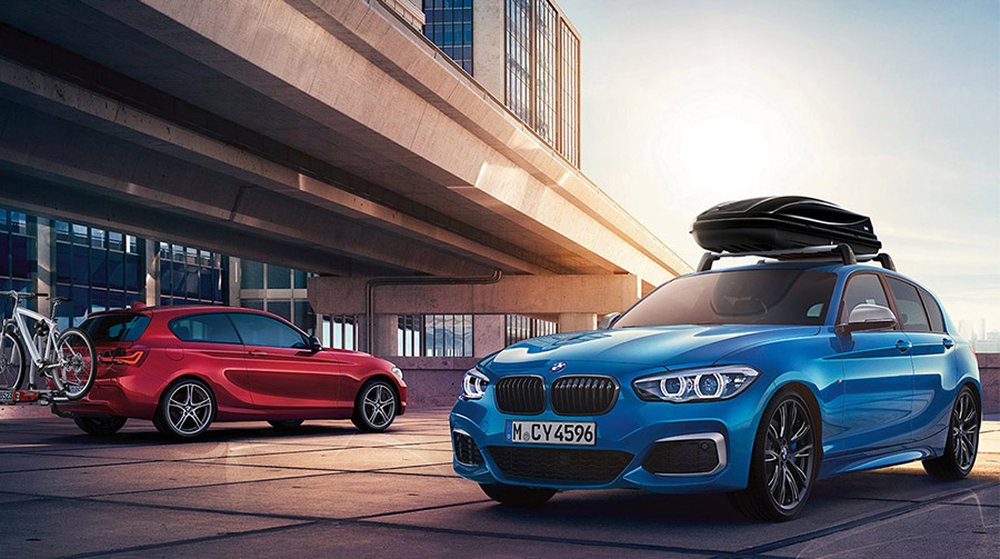
A failed gearbox or a dead control module is exactly the bill that erases whatever you saved buying private — and it’s exactly the bill this warranty is built to absorb.
Even with the badge, here’s what I’d still check
An approved badge is a floor, not a free pass, and I’d treat the car like any other used purchase before I signed. I want the warranty documentation physically in the car, not “following in the post” — the start date, the expiry and the unlimited-mileage terms in writing, so there’s no argument later about when cover actually began. I want the service history stamped and matching the approved-used inspection sheet, because the cover leans on the car having been maintained to schedule, and a gap there is exactly the sort of thing a retailer can point at if a claim gets awkward. And I’d read the exclusions list before the test drive, not after, so I know precisely which components sit inside the tent and which are mine to fund. The badge does a lot of work, but it doesn’t replace the ten quiet minutes with the paperwork that separate a clean buy from a slow-motion argument.

The clause private buyers never get: capped liability
This is the part that rarely makes the advert but changes the whole calculation. BMW caps its maximum claim liability at the vehicle’s purchase price, including VAT. In plain terms: over the warranty period, the total BMW will pay out is limited to what you paid for the car. For a £30,000 approved 3 Series, that’s a £30,000 ceiling on covered claims — a genuinely generous envelope, given the components most likely to fail sit well under that figure.
Now put the private purchase next to it. Buy the same car off a private seller and there is no bundled 12-month warranty at all. If the car is young enough you might inherit whatever’s left of the original manufacturer warranty — and that’s worth having — but once that’s expired, you are the warranty. No capped liability, because a private seller isn’t bound by BMW’s claim limits or, frankly, by much at all beyond “the car must be as described.” The recourse if the engine lets go three weeks later is a small-claims headache, not a phone call to a franchised service desk. That gap in protection is the real thing your saving is buying you out of, and it’s why I keep coming back to the same conclusion in the approved-versus-independent question on executive saloons: the badge is buying certainty, and certainty has a price.
Cross-Channel cover you’ll forget you have — until you need it
The warranty travels further than most owners realise. BMW’s Approved Used cover extends across the UK, Ireland and Continental Europe, with roadside assistance bundled through those same regions. If you’re the sort who takes the premium estate to the Alps or down through France in August, that’s not a footnote — it’s the difference between a manageable inconvenience and a very expensive weekend stranded outside your home network. Buy privately and none of that comes as standard. You can bolt on breakdown cover and European recovery separately, of course, but you’re now assembling piecemeal, at your own cost, what the approved car hands you as one package. Add those line items back in and the private “saving” starts shrinking in real time.

Where the sums actually land
Let me be concrete about the trade, because “peace of mind” is the laziest phrase in this business and I won’t hide behind it. The approved premium over an equivalent private car is real money — typically the thick end of a few thousand pounds on a mainstream 3 Series or X1. Against that, weigh the cost of standalone warranty cover, European breakdown assistance, and the risk-weighted cost of one major mechanical failure landing on an unprotected car. On an older, higher-mileage BMW — where a component failure is more a question of when than if — the maths tilts firmly towards approved. On a very young car still carrying a healthy slug of original manufacturer warranty, the case is weaker, and buying privately (or from a good independent) can be the smarter play. That’s exactly the reasoning behind picking up a one-year-old X1 to dodge the first-year depreciation hit — young enough that the factory cover is still doing the heavy lifting.
The unlimited-mileage point deserves one more mention here, because it quietly reshapes the whole decision for high-milers. If you’re covering serious distances, an approved BMW is the rare used warranty that doesn’t punish you for using the car as intended. That alone can justify the premium for a company-scheme leaver or a long-commute driver, where a mileage-capped independent guarantee would be voided by June.
Franchised forecourt or a stranger’s driveway
So where do I land? For most buyers — and emphatically for anyone eyeing an older, higher-mileage or high-annual-mileage BMW — the Approved Used premium in 2026 is money well spent. You’re not paying for a badge; you’re paying for a 12-month, unlimited-mileage safety net on the exact components that could otherwise bankrupt the deal, a claim ceiling set at the car’s full purchase price, and cross-Channel cover you’d otherwise have to buy piecemeal. Set against a private sale that hands you the car and a handshake, that’s a lopsided contest.
The one honest exception is the nearly-new car still swimming in original manufacturer warranty. There, the approved uplift is buying you cover you already have, and a sharp private or independent purchase can genuinely be the better-informed move — the same tension I keep weighing in the 3 Series versus A4 approved-used comparison. Everywhere else, on the numbers as they stand this year, I’d take the franchised forecourt over the stranger’s driveway and treat the difference as an insurance premium I was glad to pay.
How we researched this guide
Every pick here is shortlisted from hands-on testing and time spent living with the hardware by the CDE desk, then sanity-checked against current UK pricing, manufacturer specs and real-world performance before it makes the cut. We never rank for commission — affiliate links don't change the order.
Buyer action
Where to check next
Use this as the final check before paying a deposit, signing finance paperwork or relying on a headline monthly figure.