The maths that made your EV cheap disappears the day you hand back the keys. Salary sacrifice and a low benefit-in-kind rate did the heavy lifting while the car was the company’s; step off the scheme and buy privately, and suddenly you are paying with taxed money like everyone else. That is the moment a lot of switchers panic-buy, and it is exactly when a well-chosen three-year-old EV earns its keep. The Independent’s 2026 used-EV rundown is my starting reference here, and it lines up neatly with what I’d tell anyone coming off a company scheme this year.
Three years is the sweet spot for a reason. The steepest depreciation has already happened on someone else’s balance sheet, the battery has proven itself, and, critically, the manufacturer warranties that matter most are still live and, on the right cars, transfer to you. If you’ve spent the last few years reading lease quotes rather than forecourt tickets, my guide to reading a company-car EV quote is worth a look before you start, because the private-buyer sums work very differently.
Why the three-year-old market suddenly makes sense (three-year-old EVs)
For a while, buying a used EV felt like catching a falling knife: values were dropping so fast that waiting always looked cleverer than buying. That has calmed. The bargain-basement panic that defined the early used-EV market has cooled, and the cars actually worth having now get bought quickly. For a switcher, that is reassuring. It means the residuals under the car you buy are firming up, so you are less likely to watch your own money evaporate the way early adopters did.
The other half of the equation is warranty. Coming off a scheme, you lose the safety net of someone else worrying about the battery. So the cars I’d shortlist are the ones where the important cover comes with you, and there are more of those than people assume.
Before I get into each one, here is how the shortlist stacks up on the two things that decide it for a private buyer: what you pay to get in, and what cover comes with you.
| EV | Used price from | Range / charging | Warranty that follows you | My call |
|---|---|---|---|---|
| Tesla Model 3 | £8,500 (CPO) | Supercharger network access | 8-year battery, transfers to 2nd owner | Start here |
| Kia Niro EV | £7,995 (approved) | Real family range and boot | 7-year / 100,000-mile, transferable | Sensible pick |
| VW ID.3 | £9,000 (2022) | Up to 336 miles (long-range) | Standard cover only | Most like your fleet car |
| Porsche Taycan | £31,000 (approved-used) | £88,000+ when new | Out-of-warranty risk | Eyes open only |
| BMW i3 | £5,000 | ~192 miles, 50 kW charging | Standard cover only | Skip for motorway miles |
| Nissan Leaf | £1,500 (early) | Early cars, not the 239-mile e+ | Standard cover only | Short drives only |
Tesla Model 3: still the default, and still the right one
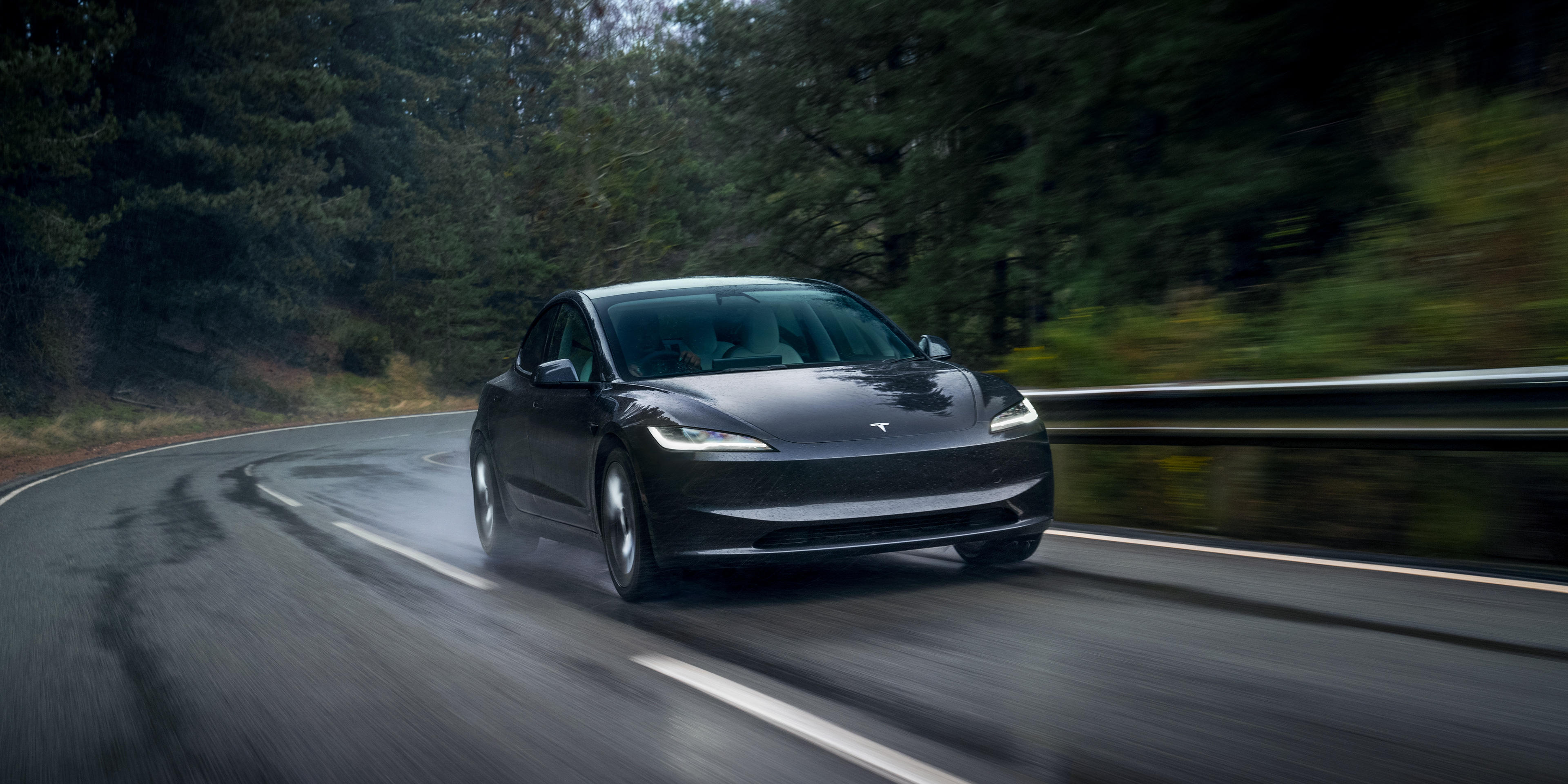
I keep trying to find a reason not to lead with the Model 3, and I keep failing. The Independent calls it the best overall used EV, with Certified Pre-Owned examples from £8,500, and that price now buys a genuinely usable car rather than a compromise. The reason it works so well for a switcher is the eight-year battery warranty, which transfers to the second owner, so the single most expensive component on the car is still underwritten by Tesla when you take it on. That is precisely the anxiety a private buyer is trying to price out.
It isn’t flawless. The ride is firm, the interior is austere in a way that divides people, and the earliest cars have quirks worth checking. The CarHealth Model 3 buyer’s guide is a good pre-purchase checklist for exactly those niggles. But as a whole, the ownership case (the Supercharger network, the software, the running costs) is still the one every rival is measured against. If you want the fewest surprises, this is where I’d start.
Kia Niro EV: the sensible one that quietly wins
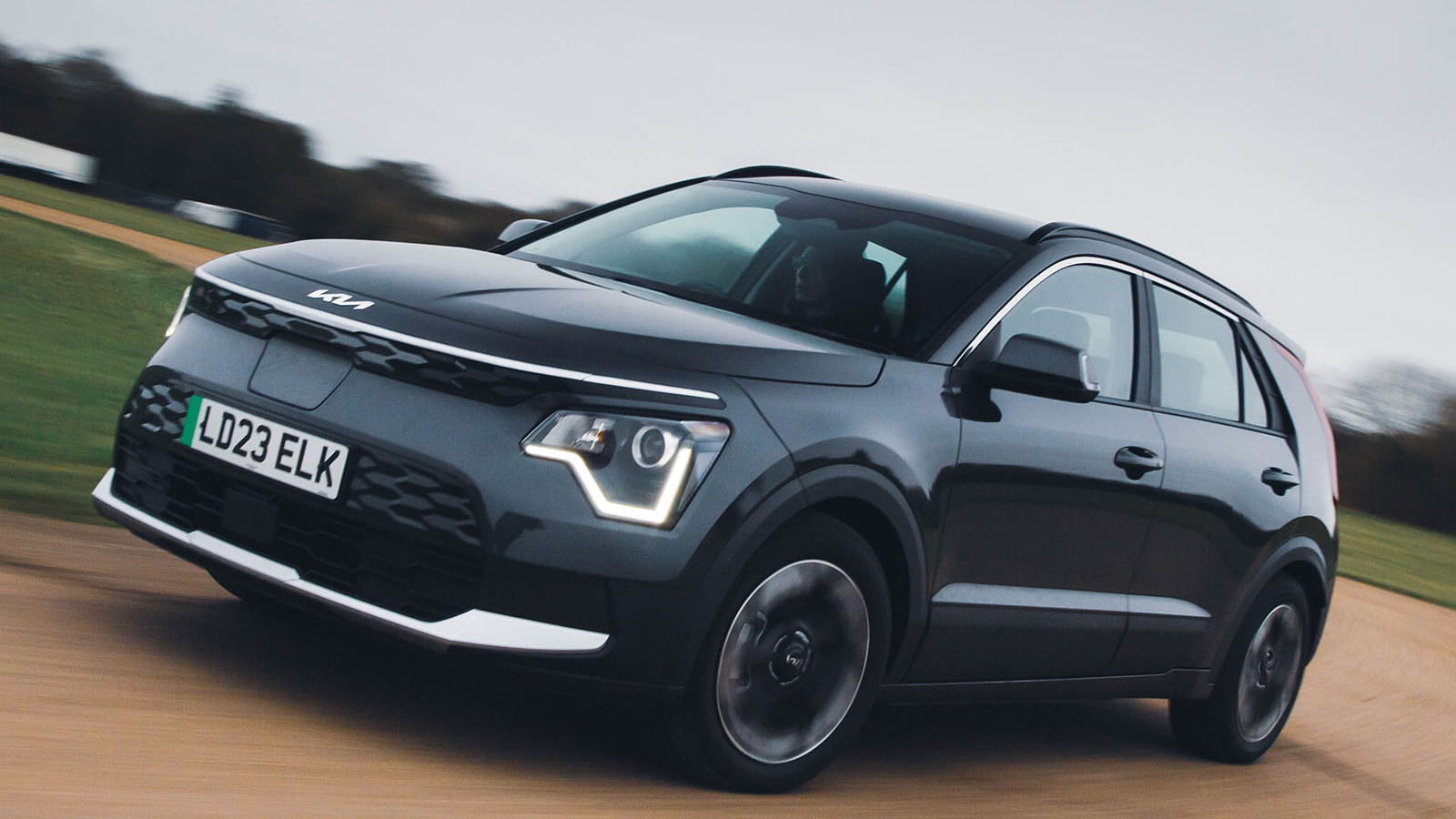
If the Tesla is the head-turner, the Niro EV is the car I’d push at anyone with a family and a driveway who just wants the switch to be boring, in the best sense. The Independent flags it as the family pick, with approved-dealer stock from £7,995, and its trump card is that Kia’s seven-year/100,000-mile warranty is transferable. Buy a three-year-old example and you’ve still got years of cover to run.
The EV Powered buying guide makes the case for the Niro as one of the genuinely underrated used EVs, and I agree. It doesn’t do anything dramatic. It has proper door bins, a sensible cabin, a real boot, and a range that suits a school-run-plus-commute life without drama. For a switcher who spent the company-car years in something premium and is now watching the outgoings, “boring and warrantied” is a luxury of its own.
Coming off a scheme, the specification that matters most isn’t the trim level or the wheel size: it’s whose name the battery warranty follows. Buy the cover, and the car comes with it.
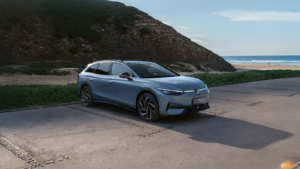
Volkswagen ID.3: the one that feels most like your old company car
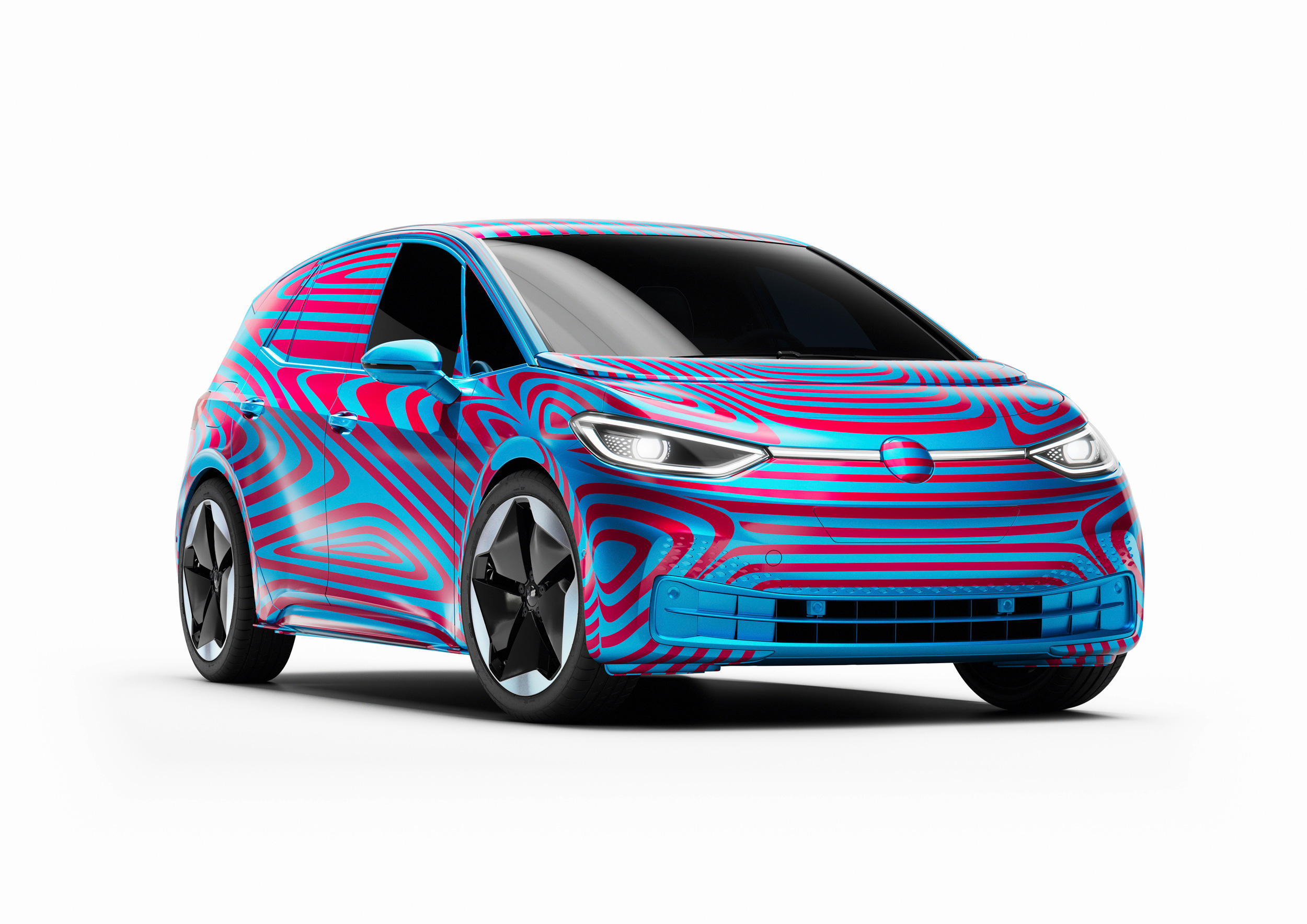
The ID.3 is the pick for people who’ll miss the fleet-spec familiarity of a German hatchback. Used 2022-era cars start from £9,000, and the longer-range versions are quoted at up to 336 miles, a figure that, even discounted for real-world driving, comfortably covers the kind of mileage that made you a company-car driver in the first place.
It’s not perfect. The early infotainment software was a sore point and the cabin plastics won’t fool anyone into thinking they’ve climbed a class. But it drives with the composed, planted feel VW does well, and it’s the car on this list that will feel most like a natural continuation of a well-specced fleet motor. If your shortlist is really about “same life, my money now,” the ID.3 belongs on it.
Porsche Taycan: the tempting one, and the trap
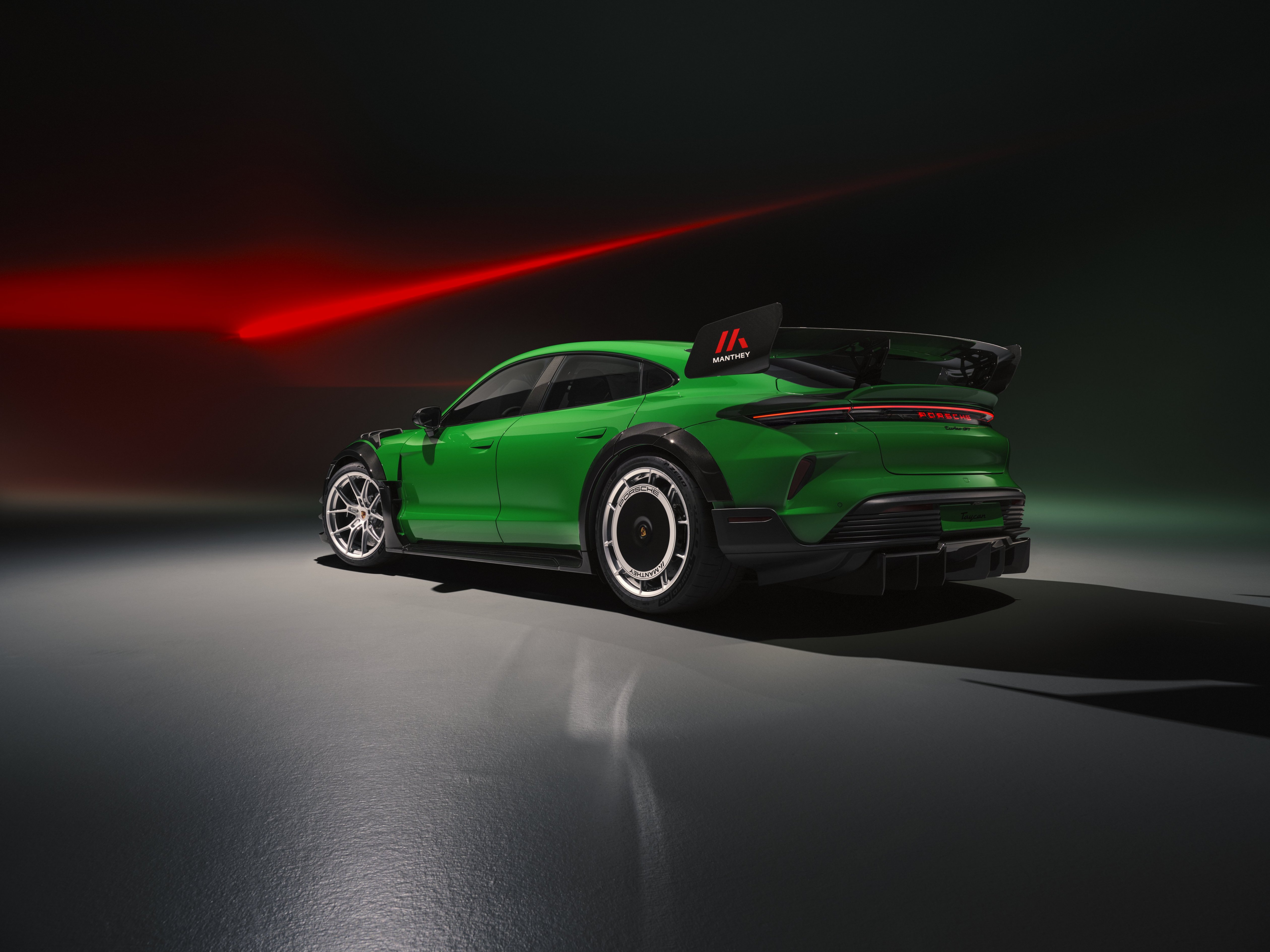
Here’s where a switcher’s discipline gets tested. The Independent lists the Taycan as a “depreciation bargain” with approved-used prices from £31,000, against an original price north of £88,000. On paper, that’s the most car-per-pound on this entire list, and I understand the pull completely.
But cheap-to-buy and cheap-to-own are different sports. Automotive Blog’s analysis of which used EVs are holding their value is the sobering read before you fall for a £31k Taycan: the ones that have already fallen this far can keep falling, and tyres, servicing and out-of-warranty repair bills on a Porsche do not shrink to match the sticker. For a switcher whose whole reason for buying used is to control costs, the Taycan is a car to take on with your eyes fully open: a weekend indulgence funded from spare capacity, not the sensible daily that replaces the scheme car. Want a premium electric that stays a rational proposition? I’d rather point you at leasing something newer from my premium electric SUV picks and keep the ownership risk off your own books.
The two I’d walk past on the forecourt
Not every cheap used EV is a smart used EV, and a company-car switcher’s needs expose the weak ones fast. The BMW i3 is charming and available from £5,000, but its early cars manage around 192 miles and, more tellingly, charge at just 50 kW. If you’re the sort of driver who racks up motorway miles, and most ex-company-car drivers are, that slow top-up speed will grate within a fortnight.
The Nissan Leaf is the other one to read carefully. Yes, early examples can be found from £1,500, but that money buys a 2011–2013 car with a small battery, not the 239-mile 62kWh e+ that headline range figure refers to. For a runabout it’s fine; as the car that replaces your fleet motor and does real distances, it isn’t the switch I’d make.
Buying with your own money changes the answer
When the company was footing the bill, the clever move was chasing the lowest benefit-in-kind rate. Now that it’s your money, the clever move is chasing warranty and honest running costs, and on that test the Tesla Model 3 is the one I’d sign for first, with the Kia Niro EV a hair behind it for anyone who values a long transferable warranty and a quiet life over the badge. The ID.3 is the natural third if you want to feel at home immediately. The Taycan I’d admire from a safe distance unless you genuinely have money to lose, and the cheap i3 and early Leaf I’d leave for someone whose drive is short. If you want to widen the net before you commit, my full used-EV shortlist for 2026 has the rest of the field, but for a switcher, three years old and warrantied is where the sensible money is this year.
Buyer action
EV and salary-sacrifice checks
Use this as the final check before paying a deposit, signing finance paperwork or relying on a headline monthly figure.