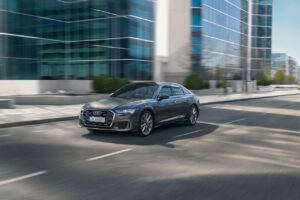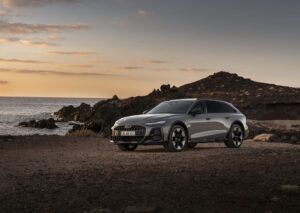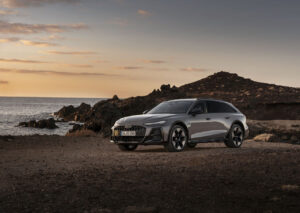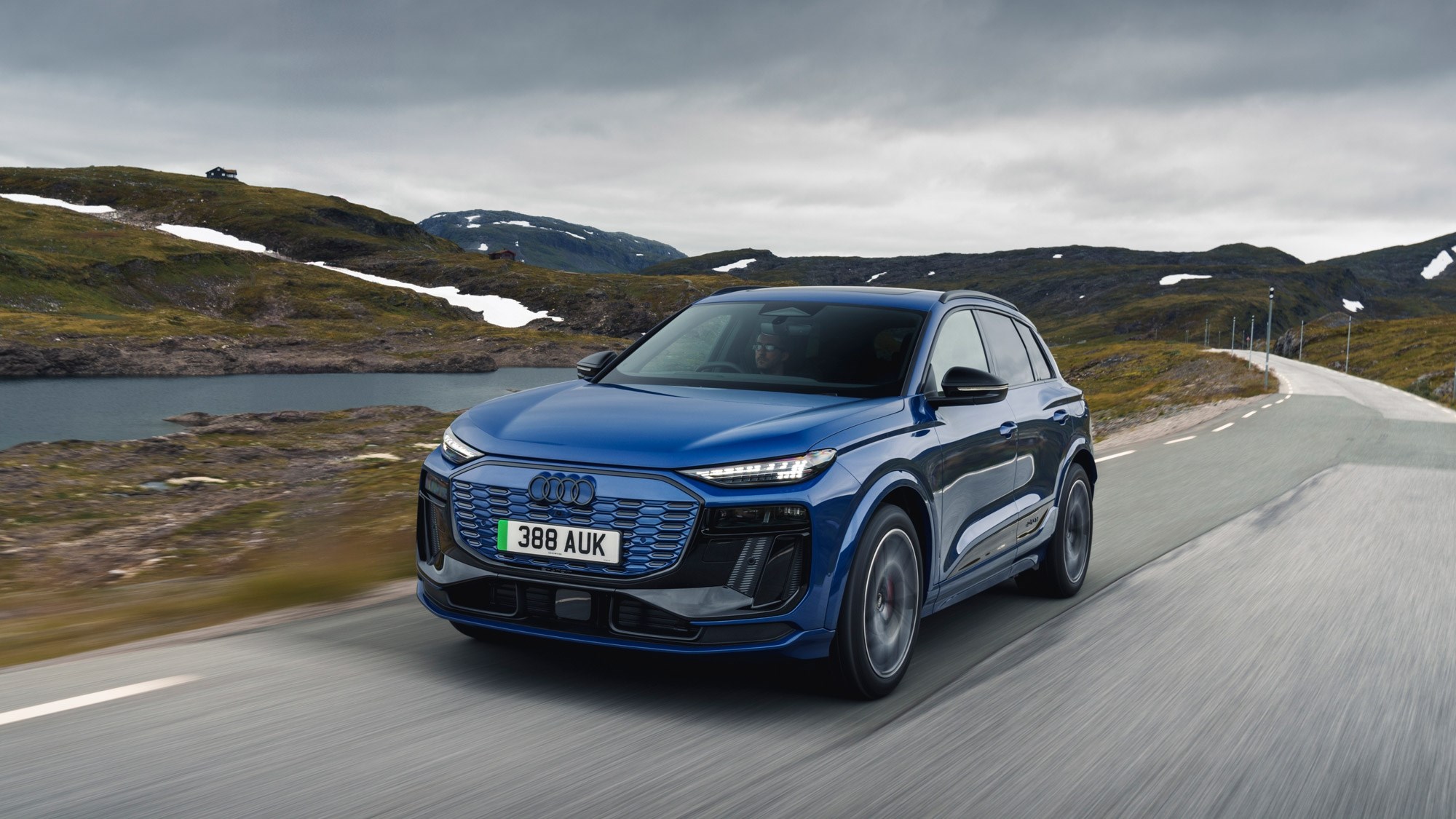
£60,565 gets you behind the wheel of an Audi Q6 e-tron — but the version most buyers will actually want sits another three and a half grand higher, and that’s before a single option box gets ticked. That entry figure, which both Car Magazine and Auto Express list in their current UK reviews as things stand in June 2026, buys the rear-drive Sport — and the moment you read the small print on its battery, the rest of the range starts to make a lot more sense.
Audi’s pitch here is straightforward: this is the electric Q5-sized SUV meant to feel a class above, sharing its underpinnings with the Porsche Macan Electric. The question I keep circling back to is whether the cheapest way in is the smart way in, or a trap. On the numbers, it’s a bit of both. If you need seven seats rather than Q5-sized polish, the Volvo EX90 is the family-EV comparison to make before you sign.
The price ladder tells you almost everything
Four rungs, and they climb fast. The Sport opens at £60,565. Step up to the Performance and you’re at £64,065. Want all-wheel drive? The Quattro is £77,570. And the range-topping SQ6 e-tron lands at £87,650 — Macan money, in a less obviously badge-flattering shape.
What makes that £3,500 jump from Sport to Performance so interesting is what it actually buys. It isn’t a cosmetic trim step. It’s a fundamentally bigger battery — and on an EV, that’s the single spec that governs almost everything you’ll care about across four years of ownership.
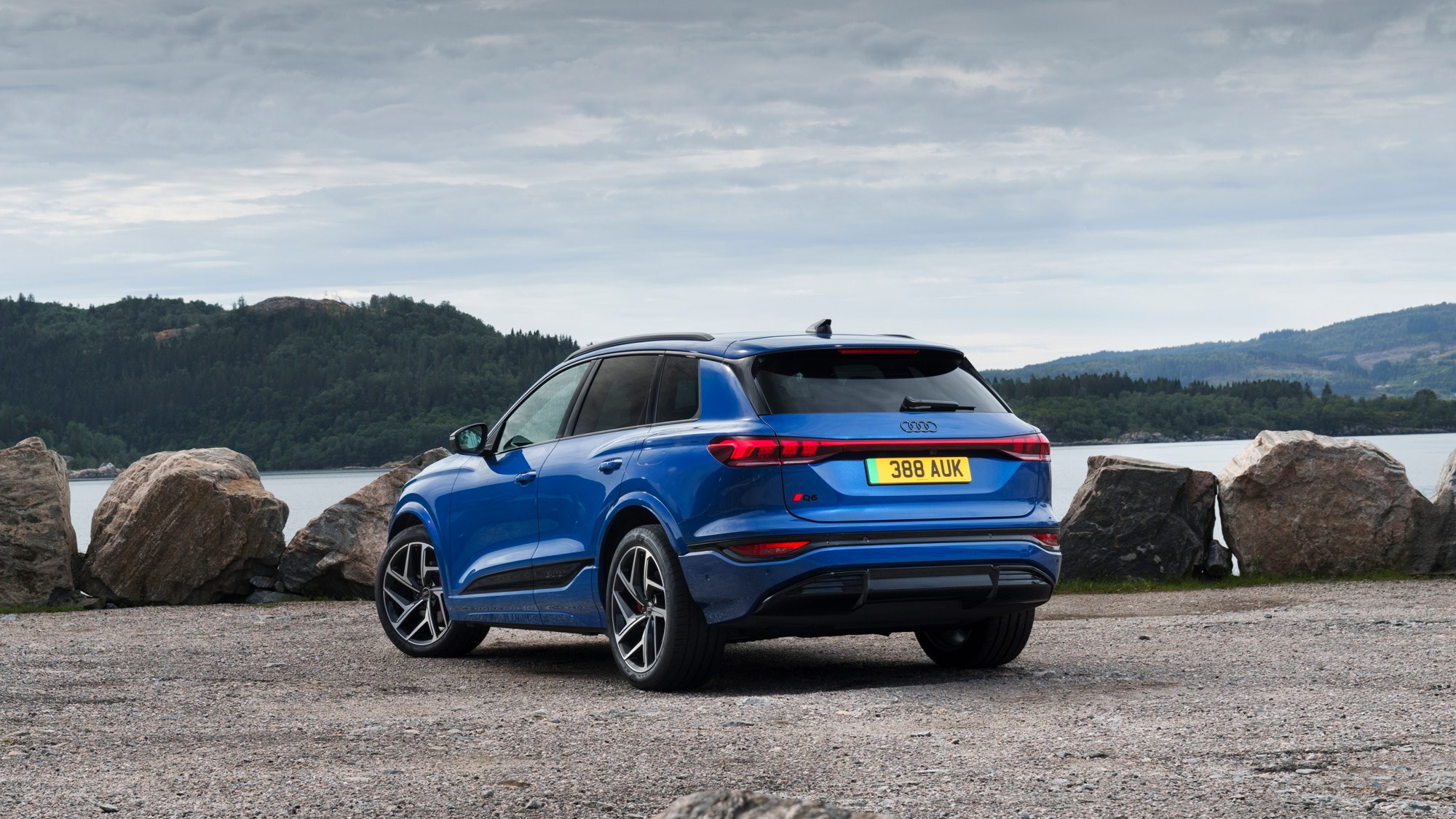
The cheapest Q6 e-tron isn’t the bargain it looks like — it’s the one trim where Audi quietly gives you less of the thing you bought the car for.
Range: the 326-versus-393 gap is the whole decision
The Sport runs an 83kWh battery — 75.8kWh of it usable — for a claimed 326 miles on the WLTP cycle. Move up to the 100kWh pack (94.9kWh usable) in the Performance and Audi quotes up to 393 miles. That’s a 67-mile swing on paper for £3,500, and as Parkers sets out, it’s the biggest single lever in the whole line-up.
Add motors and the figures soften predictably: the twin-motor Quattro manages 382 miles WLTP, and the hot SQ6 e-tron 365. Neither is embarrassing — a 365-mile claim on a 510bhp performance SUV is genuinely strong — but the headline 393 belongs to the Performance, and that’s no accident.
The honest caveat, and the one that should shape your maths, is real-world running. Car Magazine records an average of around 3.0 miles per kWh, which drops the 100kWh car’s usable range to roughly 265–300 miles in normal use. Knock the same proportion off the Sport’s smaller pack and a sub-250-mile reality starts to bite — fine for a commute, tighter than you’d like for a Friday-night dash to the Lakes. What Car? lands in broadly the same place on usable range.
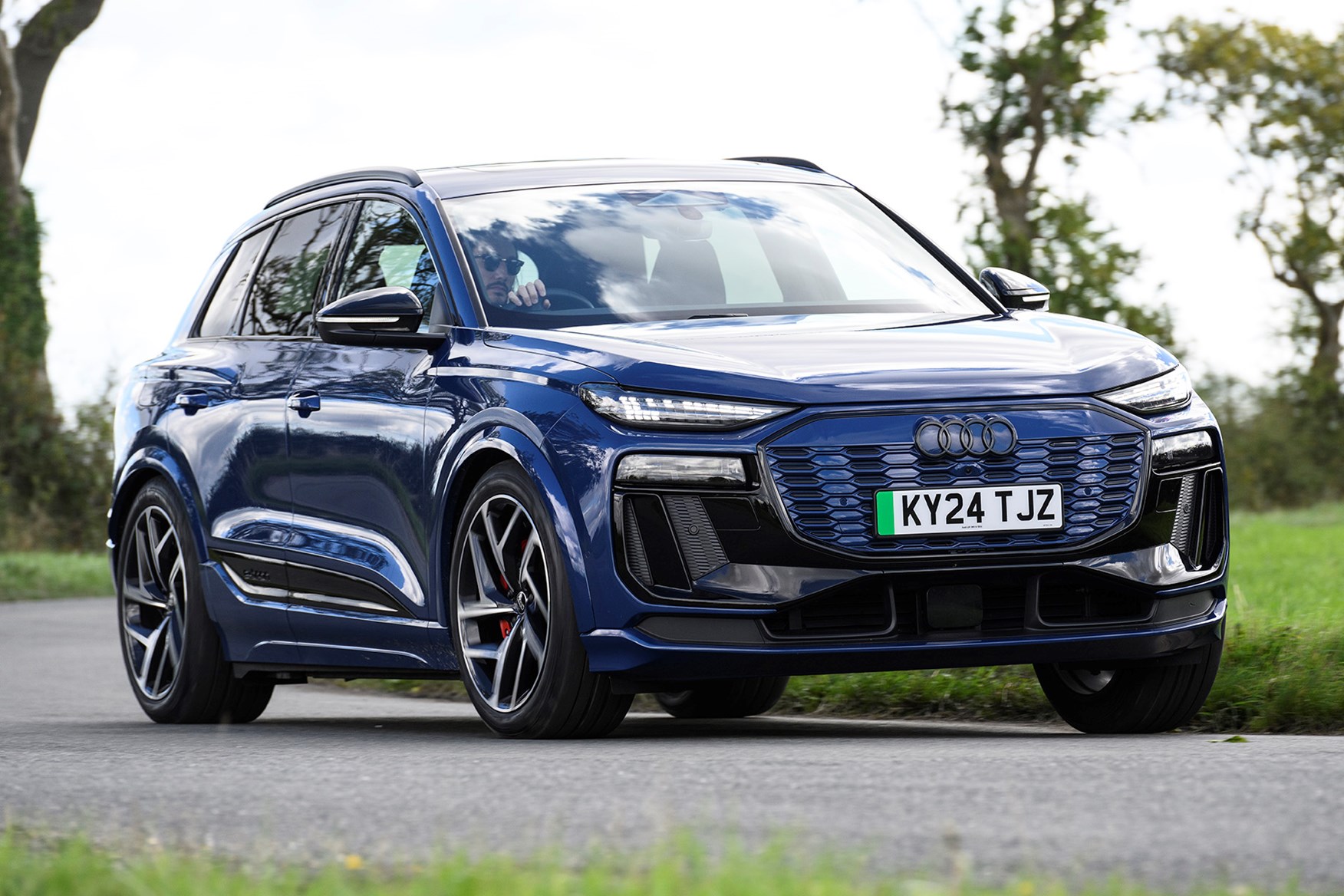
Charging is where it quietly pulls ahead
This is the spec I’d lead with if I were selling one. The Q6 e-tron’s 800-volt architecture allows up to 270kW DC charging, and in optimal conditions Audi claims a 10–80% top-up in 21 minutes. That’s not a number you’ll hit every time — cold batteries and busy chargers see to that — but it’s the kind of pace that changes how you plan a long drive, because the stop becomes a coffee rather than a chore.
Home charging is the slower reality most owners live with. On a 7.4kW wallbox, Auto Express notes roughly 12 hours to fill the 83kWh Sport and around 15 hours for the 100kWh cars. Overnight on an EV tariff, neither is a problem; without off-street parking, the bigger battery’s longer fill is one more reason to lean on rapid public charging instead.
From sensible to genuinely silly
The driving spread is wide. The Sport is rear-motor only, 288bhp, 0–62mph in 7.0 seconds — brisk, unflustered, exactly what a premium family SUV should feel like. The Quattro doubles up to twin motors and 383bhp, dropping the sprint to 5.9 seconds. And the SQ6 e-tron throws 510bhp at it for a 4.3-second 0–62mph, per Car Magazine.
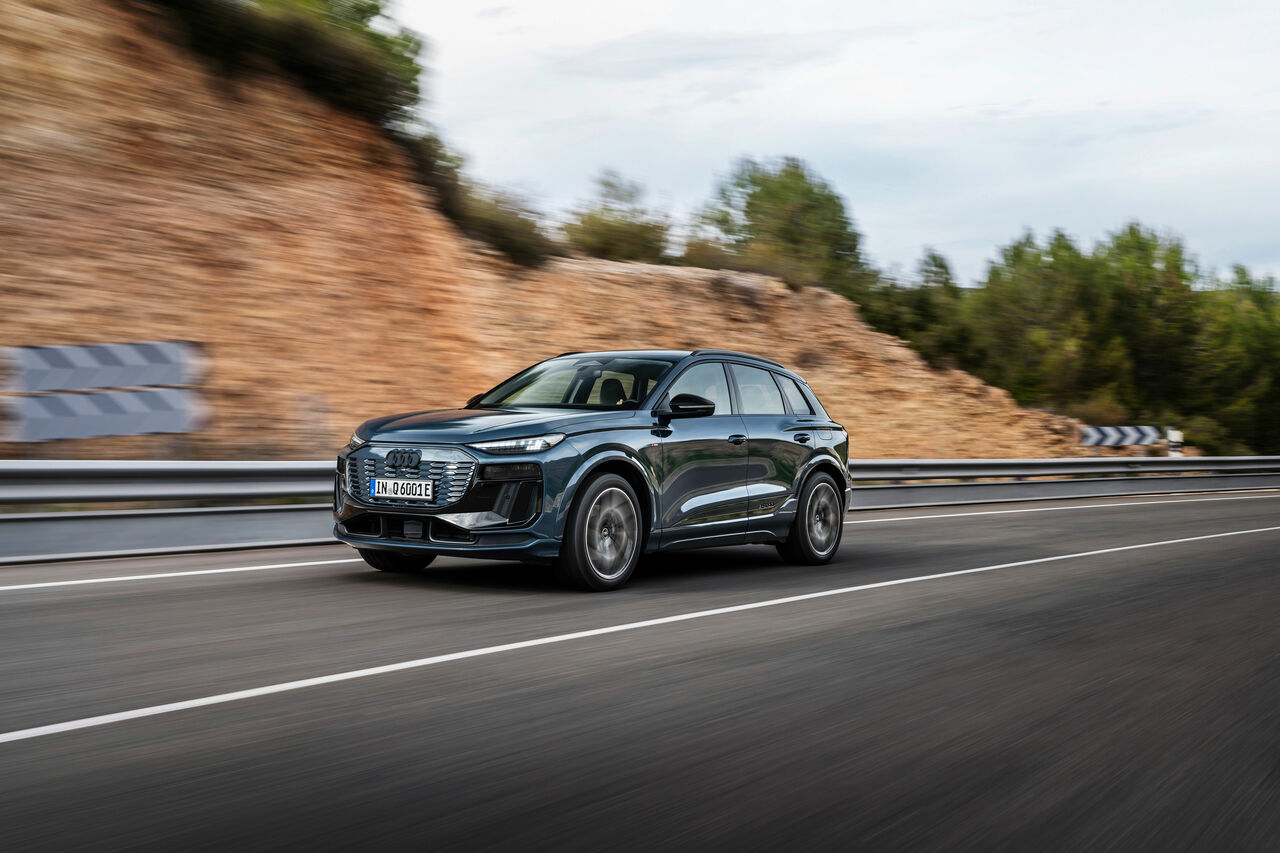
Here’s my reservation: the SQ6’s pace is enormous, but it’s also the trim where the WLTP range falls to 365 miles and the price clears £87k. You’re paying a heavy premium for performance you’ll rarely deploy, in a body that was never going to feel like a sports car however hard it accelerates. The 288bhp Sport, by contrast, never feels short of poke in the contexts this car actually operates in — the school run, the motorway slog, the supermarket car park.
Who each trim is actually for
The SQ6 is for the buyer who wants the fastest one and has decided the range hit is fine. The Quattro is the all-weather, tow-and-trust choice — the one I’d point a Scottish-Borders buyer towards. The Sport is the company-car-list rational pick on monthly cost alone.
But the Performance is the one that makes the strongest case for itself. For £64,065 you get the big battery, the best WLTP range in the range, and the same rapid-charging hardware as the cars above it — without the Quattro’s price leap or the SQ6’s indulgence. It’s the trim where the spec sheet and the real-world numbers finally agree.
There's a tax dimension that pushes the Performance further up the shortlist for company-car drivers. Battery-electric cars still sit in the lowest Benefit-in-Kind band — low single-digit percentages, rising only gradually through the rest of the decade — which is exactly why a £64,065 EV lands on salary-sacrifice and company-car lists that would never look twice at a petrol SUV of the same price. Run through a salary-sacrifice scheme, the gross monthly cost comes out of pay before income tax and National Insurance, so a higher-rate taxpayer effectively buys the car at a meaningful discount to the sticker. The bigger battery matters here too: lease and salary-sacrifice quotes are shaped by residual value, and the longer-range Performance tends to hold its forecast value better than the entry Sport — one more reason the £3,500 step rarely costs as much as it first looks once it is spread across a three- or four-year agreement.
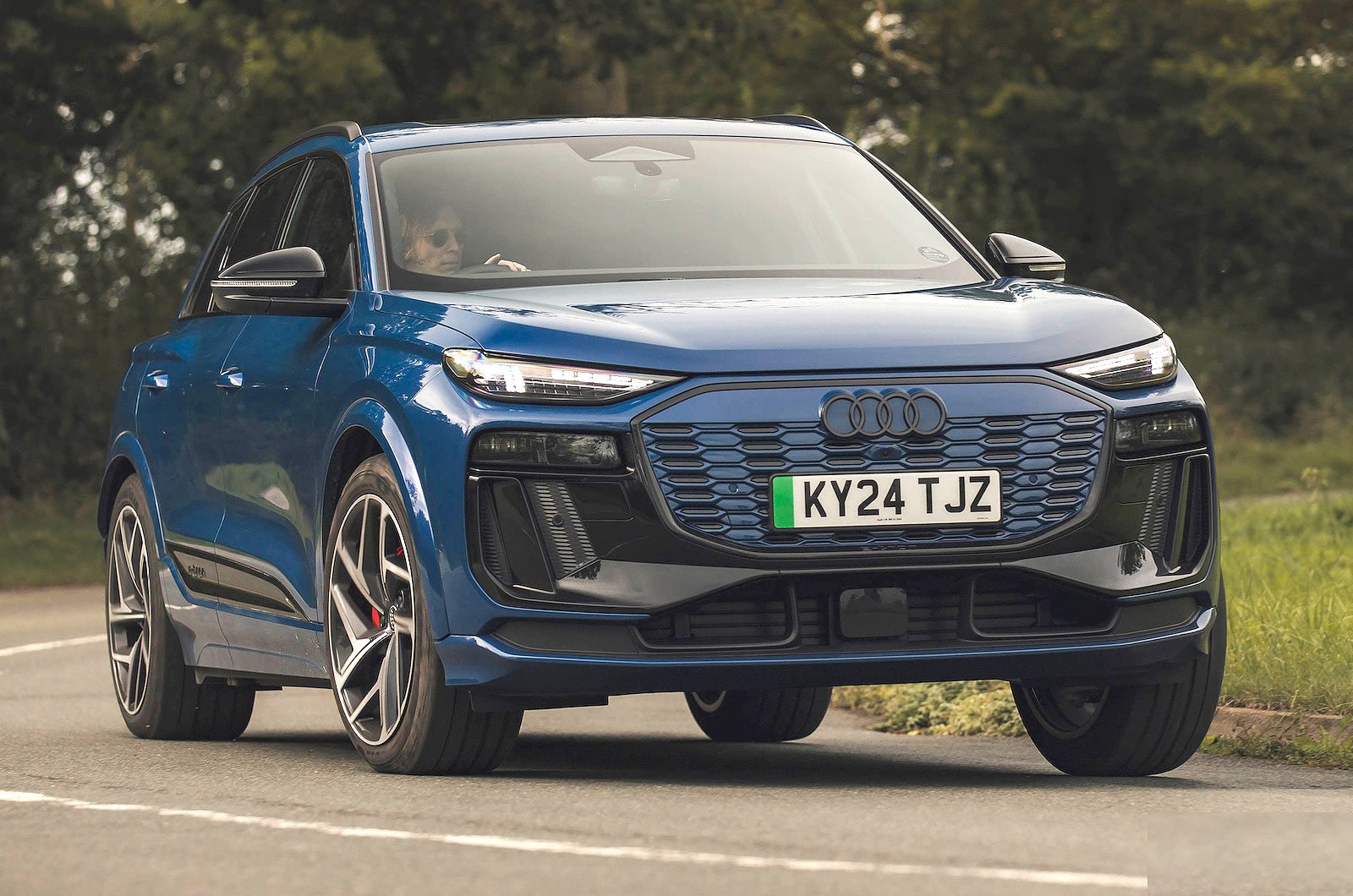
The trim I’d sign for
I wouldn’t buy the cheapest Q6 e-tron. The Sport looks like the smart money and isn’t — that smaller battery is the one compromise you’ll feel every week, and once real-world efficiency drags 326 claimed miles down towards the mid-200s, the £3,500 saving stops looking clever. Spend it. The Performance is the Q6 e-tron I’d put on the driveway: the range, the charging speed and the quiet competence, without paying SQ6 money for acceleration the car doesn’t need.
What would change my mind? Genuinely cheap home charging and a short, predictable commute. If your Q6 never strays far from a 7.4kW wallbox and an EV tariff, the Sport’s smaller pack stops mattering and the saving is real. For everyone else — anyone who drives the distances that made them want a 300-mile EV in the first place — the Performance is the one worth the extra.
Buyer action
EV and salary-sacrifice checks
Use this as the final check before paying a deposit, signing finance paperwork or relying on a headline monthly figure.