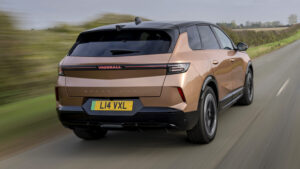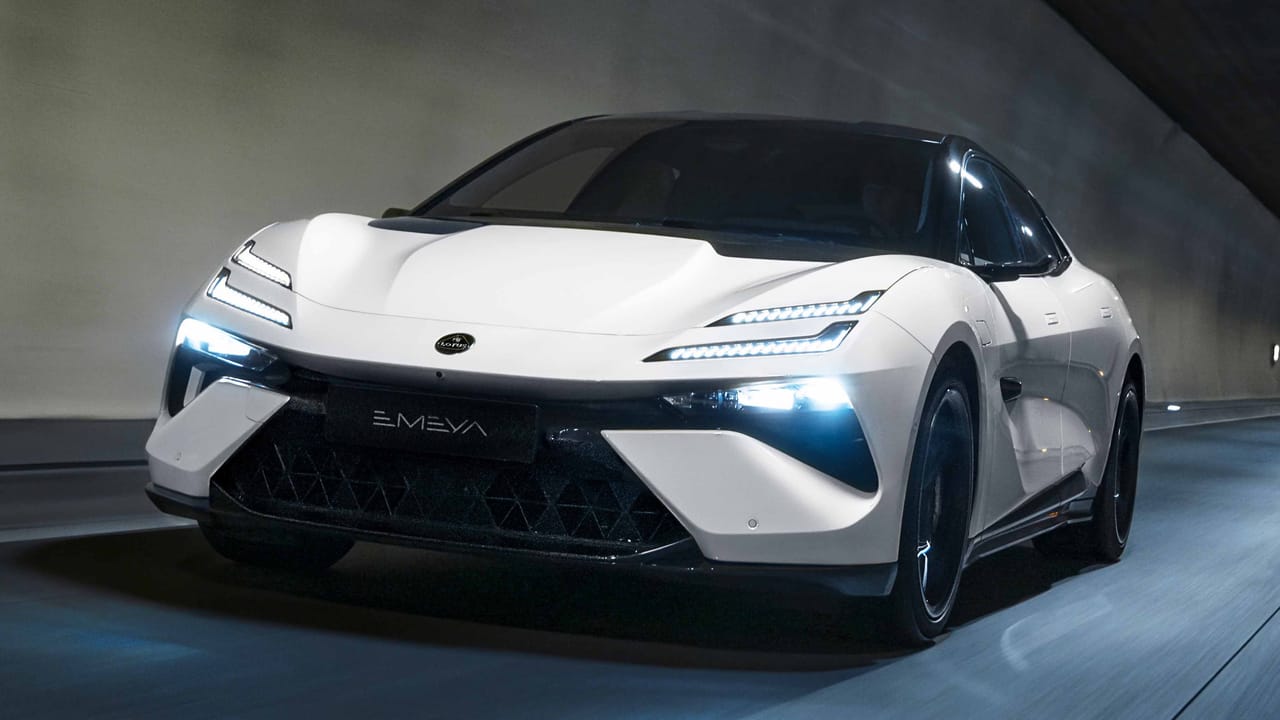
Fifty-five thousand pounds separates the cheapest Lotus Emeya from the most expensive — and they share the exact same battery. That single fact tells you almost everything about the GT Lotus has built, and about the pricing ladder it quietly rebuilt last spring. When Lotus revamped the Eletre and Emeya line-up in April 2025, it didn’t just trim a few options boxes; it redrew where this car sits against the German establishment. A year on, with deliveries having begun in summer 2025, it’s worth asking the question a fleet decision-maker would actually ask: at these numbers, does the Emeya make sense as a premium company GT, or is it an enthusiast’s indulgence wearing a four-door suit?
What Lotus actually changed last spring (Lotus Emeya)
The restructure split the Emeya into two clear families. The Emeya 600 now opens at £84,990 in standard form, climbing through the 600 GT at £89,990, the 600 GT SE at £94,990 and the 600 Sport SE at £104,990. Above that sits the Emeya 900, offered only as the 900 Sport at £129,990 and the 900 Sport Carbon at £139,990. Those figures are confirmed by Honest John and the Lotus configurator, which both list the revised on-sale ladder in full.
What I like about this is the honesty of it. The old, sprawling spec sheet has been replaced by a ladder you can read in ten seconds. Lotus has a habit of constantly tinkering with these trim levels, and I understand why that irritates enthusiasts — but for a fleet manager comparing line items on a spreadsheet, fewer, cleaner rungs is genuinely good news. You know what a 600 GT is. You know what it costs. That clarity has value.
The range table that complicates the story
Here’s the wrinkle, and it’s the bit that would stop me reaching straight for the flagship. Every Emeya, from the £84,990 base car to the £139,990 900 Sport Carbon, runs the same 102 kWh battery. But more power costs you miles. The Emeya 600 returns 310–379 miles WLTP depending on spec, while the far pricier Emeya 900 manages just 270–301 miles, per the figures listed by Honest John.
Sit with that for a moment. You can spend an extra forty-odd thousand pounds and end up with up to a hundred fewer miles between charges. For a private buyer chasing the drama of the 900’s performance, fair enough — that’s what the money buys. But for a business car that lives on the motorway between Birmingham and a client car park, real-world range is the metric that actually governs the working day. On that measure, the cheaper car is the more capable tool.

You can spend an extra forty thousand pounds on an Emeya and travel up to a hundred fewer miles on a charge. For a fleet, that isn’t a flex — it’s a cost.
Why a fleet buyer should still take the call
None of this means the Emeya is a bad fleet choice — if anything, the restructured 600 strengthens the case. The premium electric GT segment is where the company-car tax maths still works hardest in the driver’s favour: for the current tax year, benefit-in-kind on a fully electric car remains dramatically lower than on any petrol or diesel equivalent at this price, which is precisely why six-figure EVs keep appearing on senior executive lists. A £94,990 600 GT SE taken as a company car is taxed on a fraction of the basis a comparable combustion GT would be. I’d urge anyone running the numbers to confirm the exact percentage with their own accountant for their tax year, because these bands step up over time — but the structural advantage is real, and it’s the whole reason this car belongs in a fleet conversation at all.
Lotus has been careful here, and so will I: I’ve found no confirmed 2026 fleet-specific dealer discounts for the Emeya, and I won’t pretend otherwise. If a sales manager waves a corporate sweetener at you, treat it as a negotiation, not a published programme. The case for the Emeya as a fleet car rests on tax efficiency and the product itself, not on a phantom volume deal.
The charging answer that closes the gap
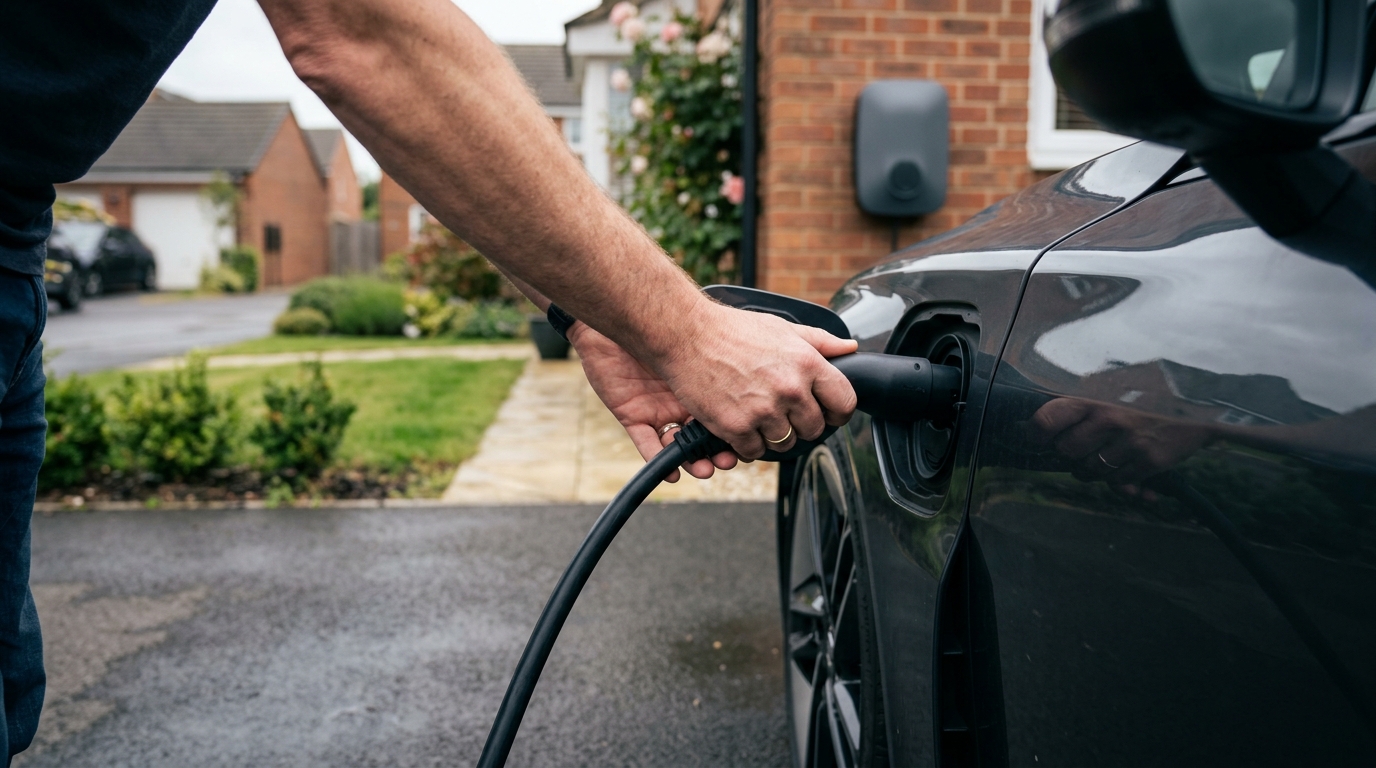
If range is the Emeya’s soft spot, charging is its retort. Lotus quotes a 10–80% top-up in around 18 minutes on a 350 kW DC charger, dropping to roughly 14 minutes on a 400 kW connection in ideal conditions, with a 22 kW AC wallbox completing a full charge in about 5.5 hours — figures published on the Lotus site and echoed by Electric Cars Report. That 400 kW capability is genuinely rare air; most rivals can’t draw it, and a good chunk of the UK’s rapid network can’t yet deliver it. But it future-proofs the car, and on a 350 kW stall — increasingly common on motorway corridors — an 18-minute splash-and-dash is the difference between a coffee stop and an itinerary problem. For a high-mileage business driver, that fast-charging headroom does real work to offset the 900’s thinner range.
So which Emeya earns the lease
If the decision were mine, I’d stop two rungs short of the flagship. The 600 GT SE at £94,990 is the Emeya that makes the cleanest argument: it keeps the long-range 102 kWh figures intact, it sits squarely in the tax-efficient zone that justifies an electric GT on a fleet at all, and it leaves the eye-watering 900 Carbon money for buyers who genuinely want the performance theatre and will forgive the range cost. The 900 is the car the brochure photographer loves; the 600 GT SE is the one a finance director can defend.
What would change my mind? A confirmed, published fleet programme that narrowed the gap to the 900 — or a real-world range test that shows the 900 holding closer to its WLTP figure than I expect it to. Until then, the smart money in this line-up isn’t at the top. It’s the car that does the GT job without asking you to pay more for less.
Buyer action
EV and salary-sacrifice checks
Use this as the final check before paying a deposit, signing finance paperwork or relying on a headline monthly figure.