News · 18 Jun 2026 · Michael Harrison
A market growing at 7.1% should be a rising tide that lifts everyone equally. It isn’t: the latest figures from the Society of Motor Manufacturers and Traders (SMMT) tell you exactly who is doing the lifting. When the SMMT reported that UK new-car registrations rose 7.1% year-on-year in May 2026 to 160,662 units (the best May since 2019), the easy read was “recovery”. The more interesting read, to me, is which badges are absorbing that growth, and which are quietly losing ground while the headline flatters them.
The headline number, and the one sitting underneath it
160,662 cars in a single month is a genuinely strong figure, and “best May since 2019” is not a phrase we have had much cause to use lately. But growth this broad rewards the brands with the deepest order banks and the most desirable metal, and on current SMMT data that is where the premium marques come in. Mercedes-Benz holds an 8.8% share of the UK market and BMW 8.1%, placing the two German luxury houses directly behind only Ford and Vauxhall, the traditional volume mainstays. That is the detail I keep coming back to. Two manufacturers whose entry point sits well north of the national average transaction price are out-registering most of the mainstream pack.
Why “third and fourth” is the real story
Ford and Vauxhall sitting at the top is unremarkable; they have lived there for decades on fleet volume and supermini loyalty. What is remarkable is what comes next. A market where the third- and fourth-largest sellers are premium German brands is not a market behaving the way the textbooks say a cost-of-living-squeezed one should. It tells me demand at the top of the market has decoupled from the wider mood. The buyer signing for a C-Class or a 3 Series is, on the whole, not the buyer agonising over a £200 monthly PCP difference, and that resilience is precisely why premium share holds firm while the volume end fights over scraps of incentive.
The EV gap is a premium opening, not a problem
The figure the industry would rather not lead with is electric take-up. Battery-electric vehicles reached a 27.3% market share in May 2026, strong in absolute terms, but short of the 33% target manufacturers are held to under the UK’s ZEV mandate. Miss that floor and the maker carries the regulatory weight. Here is where it gets interesting for the luxury sector: premium brands have the margin headroom to discount their way toward compliance in a manner Vauxhall or Ford, on thinner per-car margins, simply cannot match. A £60,000 electric saloon can wear a few thousand pounds of incentive and still make money. A £24,000 electric hatchback cannot. The ZEV gap, in other words, is a squeeze on the mainstream and a lever for the premium players.
The longer arc backs this up. By December 2025 the UK had 2,012,000 licensed zero-emission vehicles, a 31.2% rise on 2024, according to the Department for Transport’s 2025 statistics, though that still amounts to just 4.8% of all licensed vehicles on the road. The electric transition is real but young, and the early-adopter money has visibly clustered at the upper end.
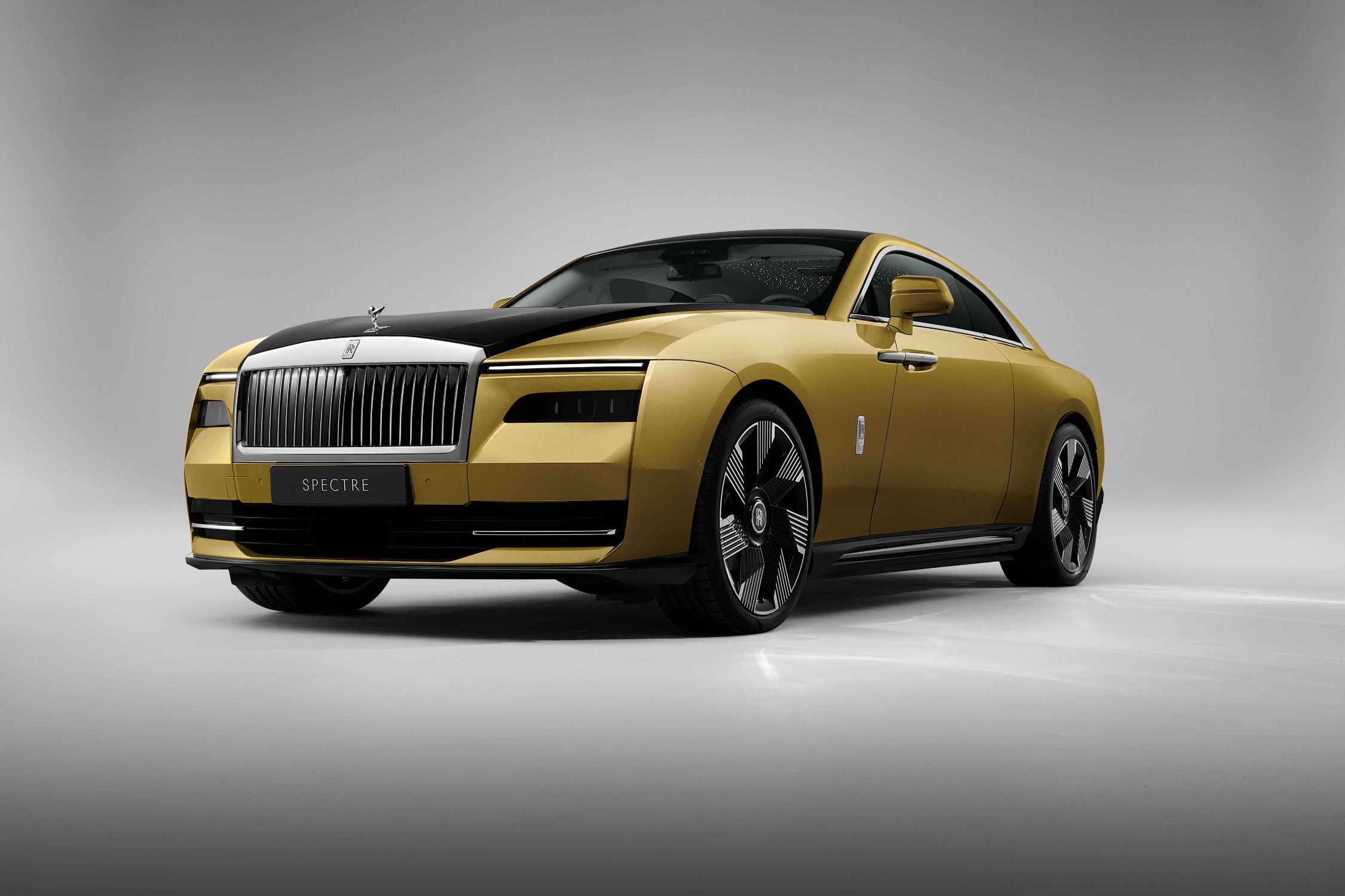
The Tesla caveat I won’t gloss over
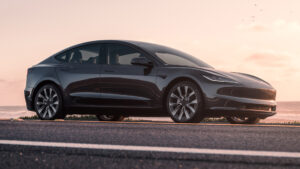
If you want the cleanest evidence that premium and electric demand overlap, it is the Tesla Model Y: the UK’s best-selling electric car in 2024 with 32,862 registrations, per the licensing data. A car at that price point topping the EV chart, in a year when total registrations reached 1.953 million (a second consecutive year above 1.9 million), is not a market chasing the cheapest option. It is a market willing to pay for the badge and the technology together. That is the through-line from 2024 into the 2026 figures, and it is why I would not bet against the German marques holding their ground as the SMMT’s full-year outlook firms up.
My read for buyers right now
So here is where I land. If you are shopping the premium end, this is a stronger negotiating position than the headline growth suggests: manufacturers under ZEV pressure need electric registrations on the board, and the discounting flexibility lives almost entirely at your end of the market. I would be pressing hard on an electric Mercedes or BMW deal specifically because the maker’s compliance maths quietly works in your favour. If you are at the volume end, I would be more cautious: the brands serving you have the least room to sweeten an EV offer, and the squeeze the ZEV mandate creates lands on them first.
What would change my mind is the full-year picture: if BEV share climbs back toward that 33% target without the premium brands carrying it, the “luxury is outpacing the market” reading weakens. But on the May numbers, and on everything the licensing data shows leading into them, the top of the market is not just surviving the transition: it is the part of the market best placed to profit from it.
Buyer action
Where to check next
Use this as the final check before paying a deposit, signing finance paperwork or relying on a headline monthly figure.