News · 18 Jun 2026 · Michael Harrison
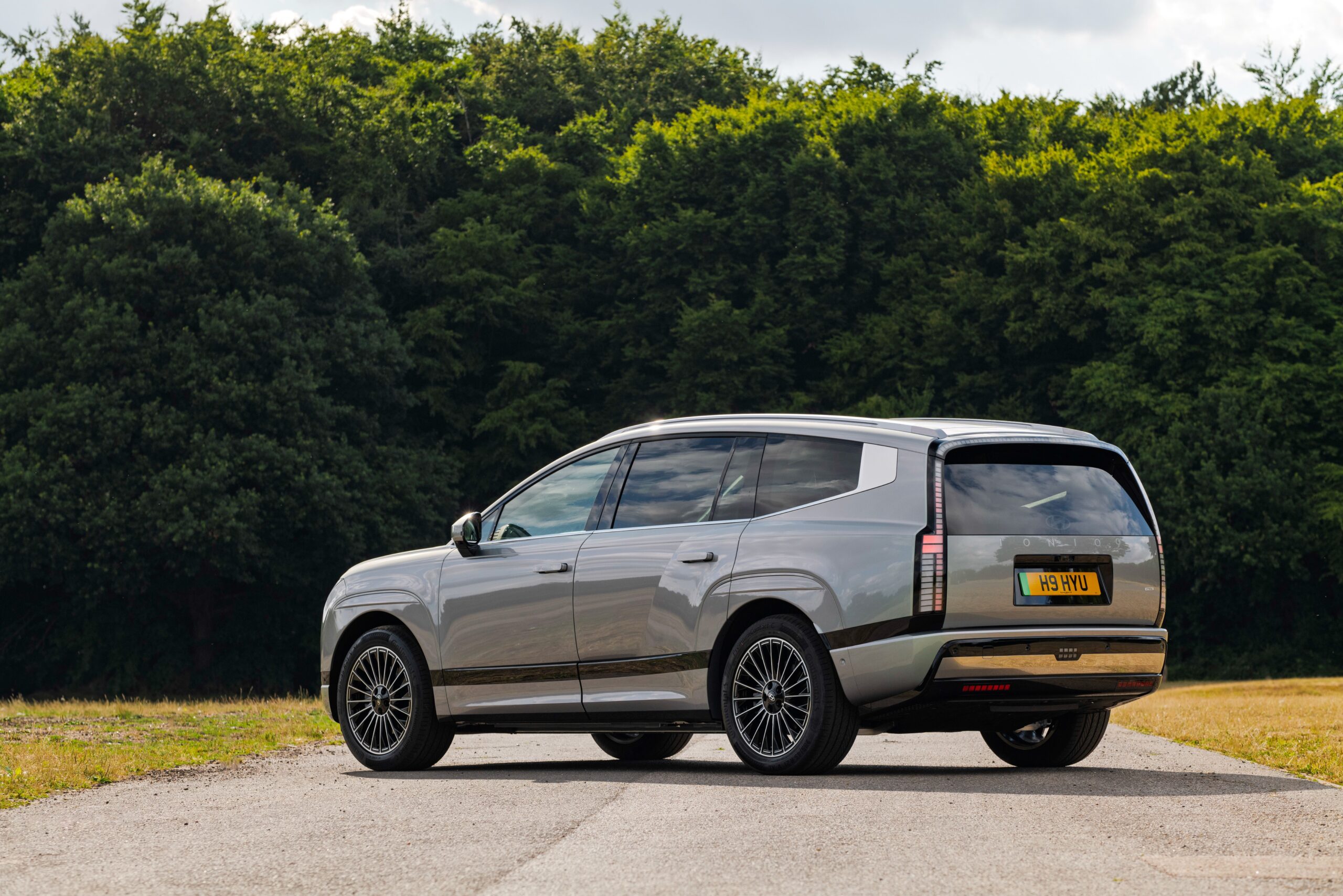
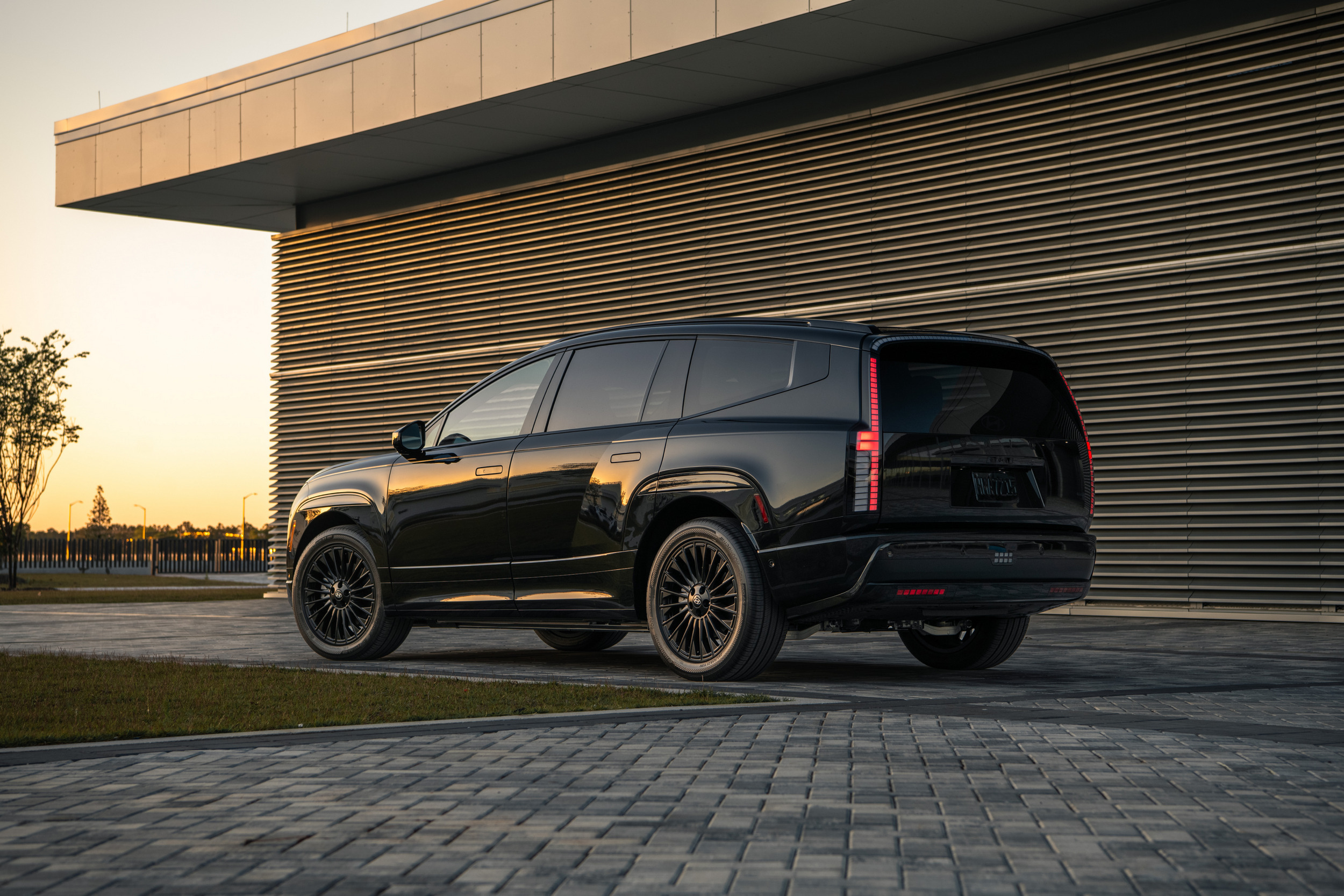
Hyundai Ioniq 9 pricing starts at £64,995, and on paper that looks like a lot of car to justify to a finance director. Look at it as a company car, though, and the maths flips. As a zero-emission EV the Ioniq 9 sits in the 4% benefit-in-kind band for 2026/27 (gov.uk, updated 6 April 2026), where a petrol seven-seater of the same money sits near the 37% ceiling. That single gap is the story none of the launch reviews bothered to run, and it is the reason a £65,000 Hyundai can cost a higher-rate taxpayer less per month than a mid-spec diesel estate.
What Hyundai is actually charging for the Ioniq 9
The line-up is simple. The entry Premium 218PS rear-wheel-drive opens at £64,995, the Ultimate steps up to £73,495, and the range-topping Calligraphy lands at £75,795, all per Hyundai UK’s pricing release of 14 July 2025. Every version uses a 110kWh battery and claims up to 385 miles WLTP, with an 800-volt architecture that takes a 10 to 80% top-up in around 24 minutes on a 350kW charger. You choose six or seven seats. It is a genuinely large, genuinely premium electric SUV, and Hyundai has priced it to sit alongside the German establishment rather than undercut it by a token amount.
Why the Hyundai Ioniq 9 is a cheap company car
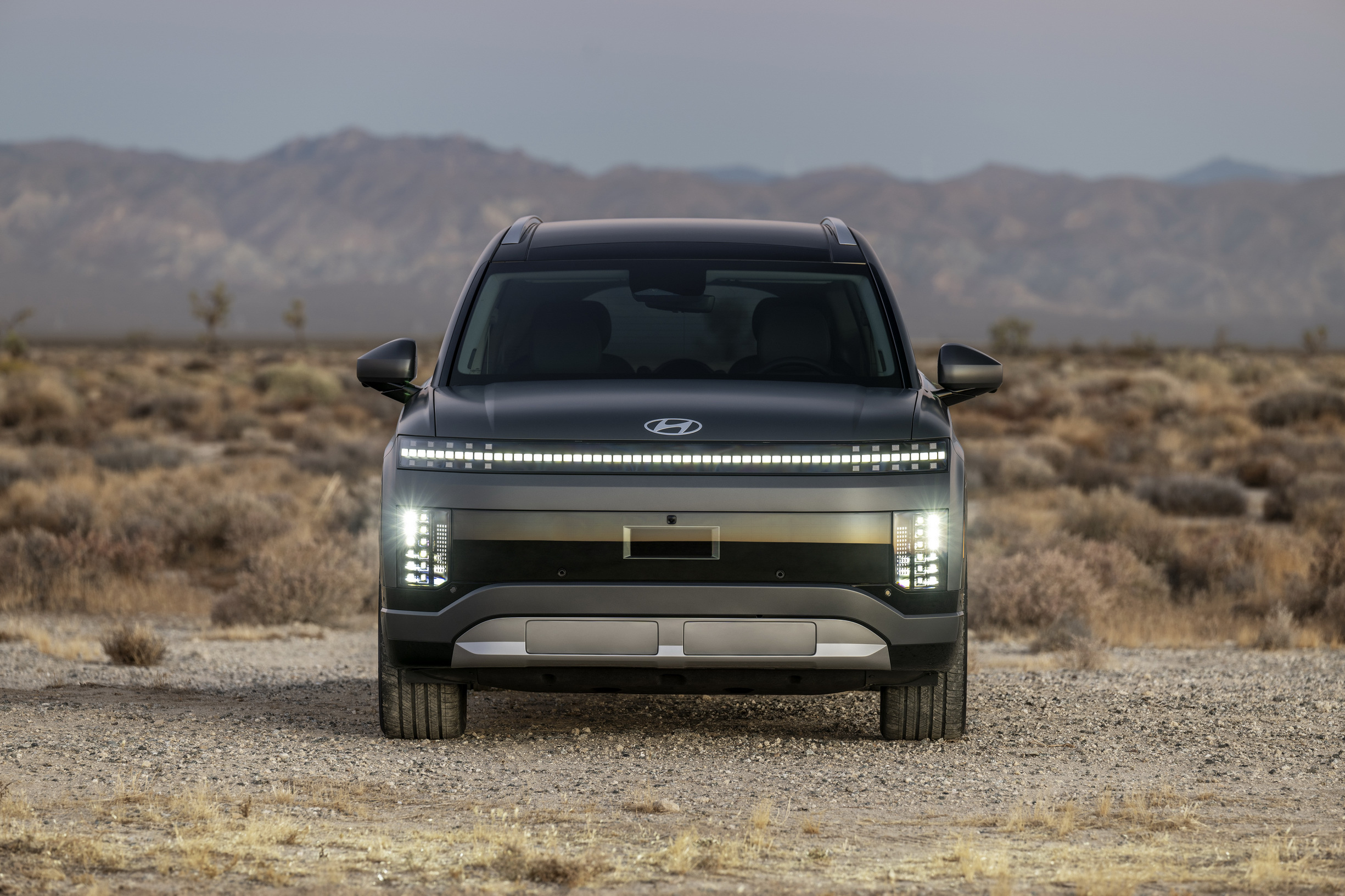
Company-car tax is worked out as P11D value multiplied by an appropriate percentage set by your CO2 emissions, then taxed at your marginal income-tax rate. For a fully electric car the appropriate percentage is just 4% in the 2026/27 tax year, rising one point to 5% in 2027/28 (gov.uk company car tax tables). Take the Premium Ioniq 9 at roughly £65,000 P11D: 4% gives a taxable benefit of about £2,600, so a 40% taxpayer pays around £1,040 a year, near enough £87 a month, and a basic-rate driver about £520 a year. Those are illustrative figures, but the rate they are built on is the published one, and the working is the point. There is no other £65,000 seven-seater on sale that taxes a director this lightly.

The petrol comparison that makes the gap obvious
Put a petrol seven-seat SUV of similar money next to it. A large petrol seven-seater emitting north of 200g/km sits at the 37% benefit-in-kind cap. On a £60,000 P11D that is a £22,200 taxable benefit, and a 40% taxpayer hands over roughly £8,880 a year. The same driver in the Ioniq 9 pays around £1,040. That is close to a £7,800-a-year swing in tax alone, before you count the fuel saving, and it is why fleet and salary-sacrifice desks have quietly moved high earners into big EVs. The exact petrol figure depends on the specific car’s CO2, which must be looked up per model, but the direction never changes: the combustion seven-seater is the expensive company car now. For the wider picture on how the bands work, the breakdown in our 2026/27 company car tax bands explainer sets out where petrol, diesel and PHEV land.
Salary sacrifice is where it gets interesting
Run the Ioniq 9 through a workplace salary-sacrifice scheme and the appeal sharpens again. You give up gross pay for the car, so you avoid income tax and employee National Insurance on the sacrificed amount and pay only that 4% benefit-in-kind charge. For a higher-rate taxpayer the effective discount on the lease cost is substantial, though the exact saving depends on your salary, your scheme’s terms and the lease rate on the day. It is not free money, and a scheme cannot drop your pay below the National Minimum Wage, but the structure is genuinely powerful on an expensive EV. If you want to see the mechanism worked through on comparable cars, our look at the Kia EV9 on salary sacrifice, the platform sibling that shares this drivetrain, and the Ioniq 5 sacrifice numbers both show the shape of it. This is general guidance, not personal tax advice; your own circumstances decide the outcome.
Where the Ioniq 9 sits against its real rivals
The most obvious rival shares its bones. The Kia EV9 uses the same 800-volt platform and lands at the same 4% benefit-in-kind, so the choice between them is about design, dealer and boot layout rather than tax. Against the Volvo EX90 the Ioniq 9 undercuts on entry price while matching the seven-seat brief, and our EX90 salary-sacrifice maths shows how close the monthly numbers run. The cars it really beats on tax are the petrol and diesel Audi Q7s and Land Rover Discoverys that fleet drivers used to default to, and the plug-in hybrids that sit awkwardly in between; the gap there is set out in our PHEV versus EV company car tax comparison. If you are choosing a salary-sacrifice provider rather than a car, our guide to Octopus EV, Loveelectric and Tusker is the place to start.
The catch: range, charging and the school run
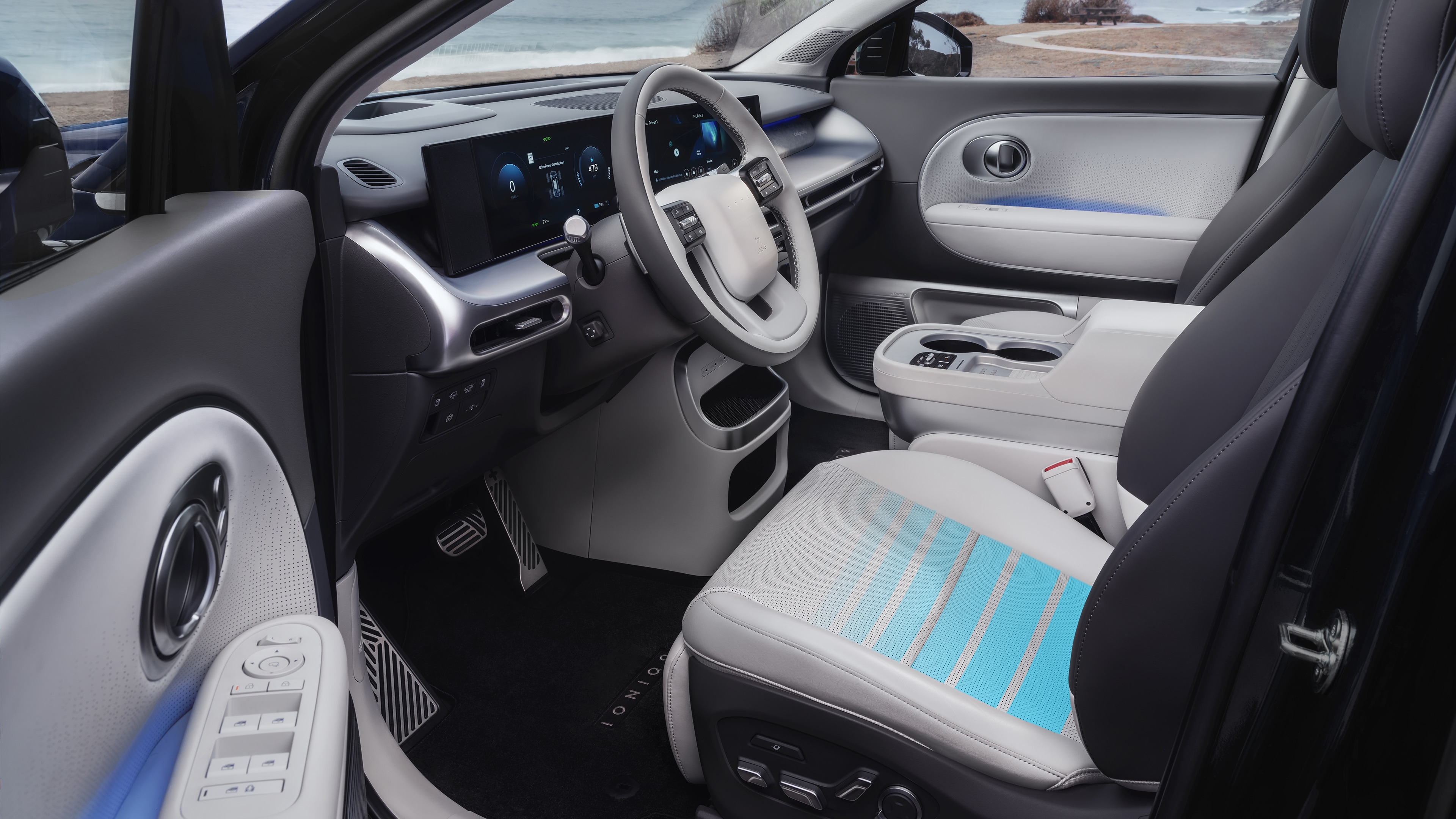
None of the tax maths matters if the car does not work for the family, so be honest about the trade-offs. The claimed 385 miles is a best-case WLTP figure; load three rows of people, a roof box and a motorway cruise and the real number lands well below that, as it does with every big EV. The saving grace is the 800-volt charging, which on a fast enough rapid charger genuinely does deliver that 10 to 80% in roughly 24 minutes, turning a long trip into one proper coffee stop rather than two. Reviewers have been consistent that the cabin is the strong suit: the UK road tests rate the space and refinement highly, and the third row is usable by adults rather than a token bench. The honest watch-item is kerb weight and the tyre and brake bills that come with moving well over two and a half tonnes of car.
Where to check the numbers before you commit
Before you let the headline price put you off, do four things. Run your own figure through HMRC’s company car and fuel benefit calculator using the car’s real P11D, so the benefit-in-kind number is yours and not an example. Confirm the current appropriate percentage against gov.uk’s company car appropriate percentage tables, which were updated on 6 April 2026. Check whether your employer runs a salary-sacrifice scheme and ask for the lease rate in writing, not a marketing estimate. And price the same trip on a public rapid network as well as home charging, because the running-cost case rests on charging cheaply overnight. Hyundai’s own UK pricing and specification detail is on the Hyundai UK newsroom.
Who I would actually put in one
I would not buy an Ioniq 9 with my own taxed cash unless I needed seven seats and wanted them in something this calm and well finished; at £65,000 to £76,000 the private-buyer case is fine but not compelling. As a company car or a salary-sacrifice choice it is a different argument entirely. A 40% taxpayer who needs three rows, does a sensible annual mileage and can charge at home is the exact driver this car is built to suit, and the roughly £1,040-a-year benefit-in-kind charge against close to £8,880 on an equivalent petrol seven-seater is not a rounding error, it is the whole decision. The people who should hesitate are those without home charging and those tempted by the Calligraphy’s £75,795 sticker when the Premium gives up very little for eleven grand less. Pick the entry car, charge it overnight, and let the tax system do the heavy lifting.