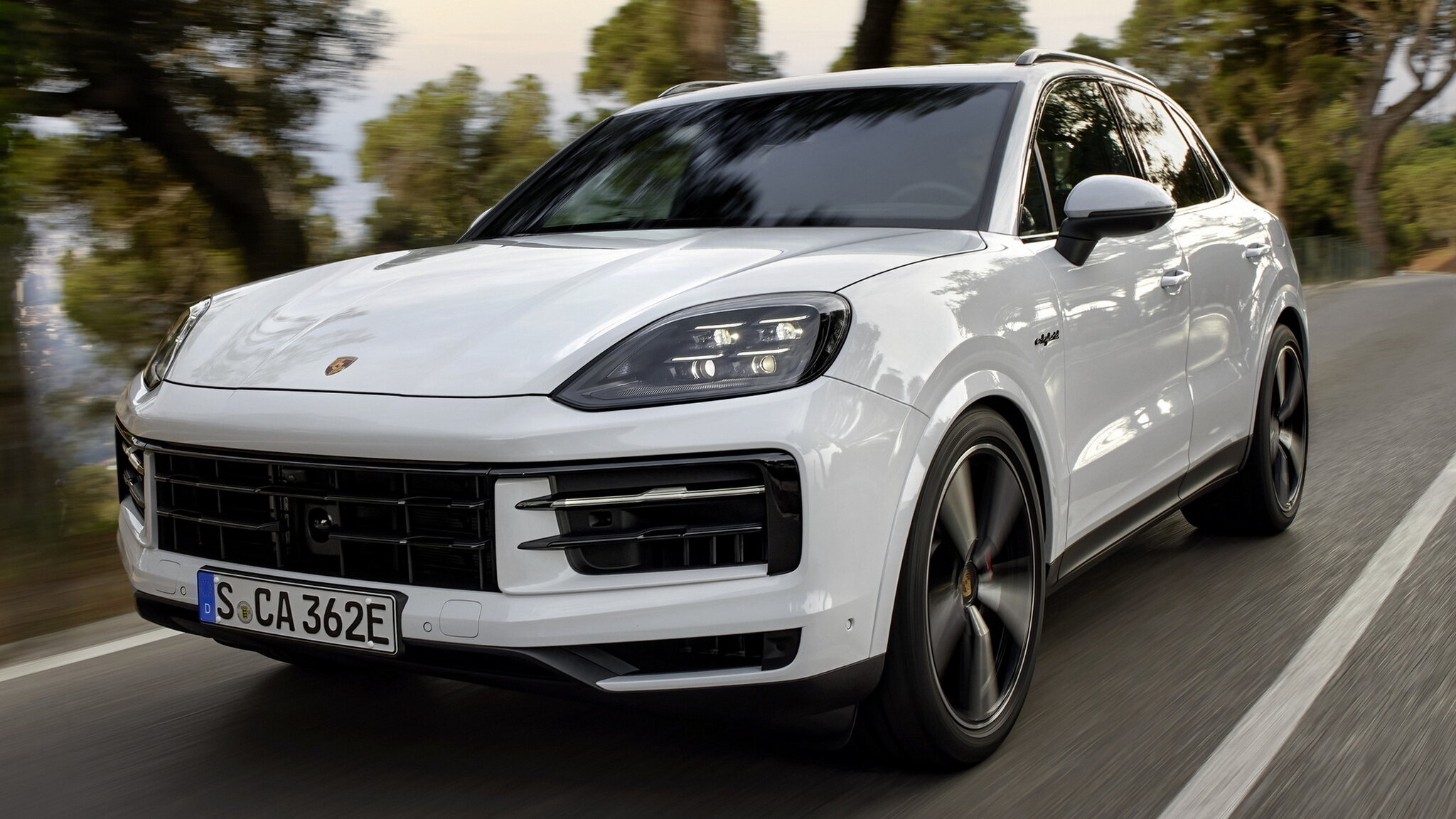
Porsche Cayenne E-Hybrid company car tax is still far kinder than the petrol V8’s, but the honest 2026 story is that this advantage is narrowing, not widening. From around £86,300, the plug-in Cayenne pairs a 25.9kWh battery with a 43 to 52-mile electric range, which currently places it in a relatively low benefit-in-kind band. The catch is that a new emissions test arriving in April 2026 is pushing plug-in CO2 figures upward, a flat higher band lands for all PHEVs in 2028, and the genuine low-tax future is the new all-electric Cayenne. For a company-car driver, this is a case of taking a still-good deal with your eyes open.
The company-car picture (CDE data)
Drawn from Porsche UK specifications and HMRC plug-in company-car tax bands, with the Euro 6e-bis change noted, June 2026.
- The car: Cayenne E-Hybrid from about £86,300, with a 25.9kWh battery, 43 to 52 miles of electric range and around 470PS combined.
- The band: plug-in benefit-in-kind for 2026/27 is set by electric range, and the Cayenne’s 43 to 52 miles places it in the lower-middle of the table, far below a pure-petrol SUV, though the exact percentage depends on its certified figures.
- The narrowing: Euro 6e-bis emissions testing is mandatory from April 2026 and raises PHEV CO2; from April 2028 all plug-in hybrids move to a flat 18% band.
Why the Cayenne E-Hybrid still beats the V8 on tax
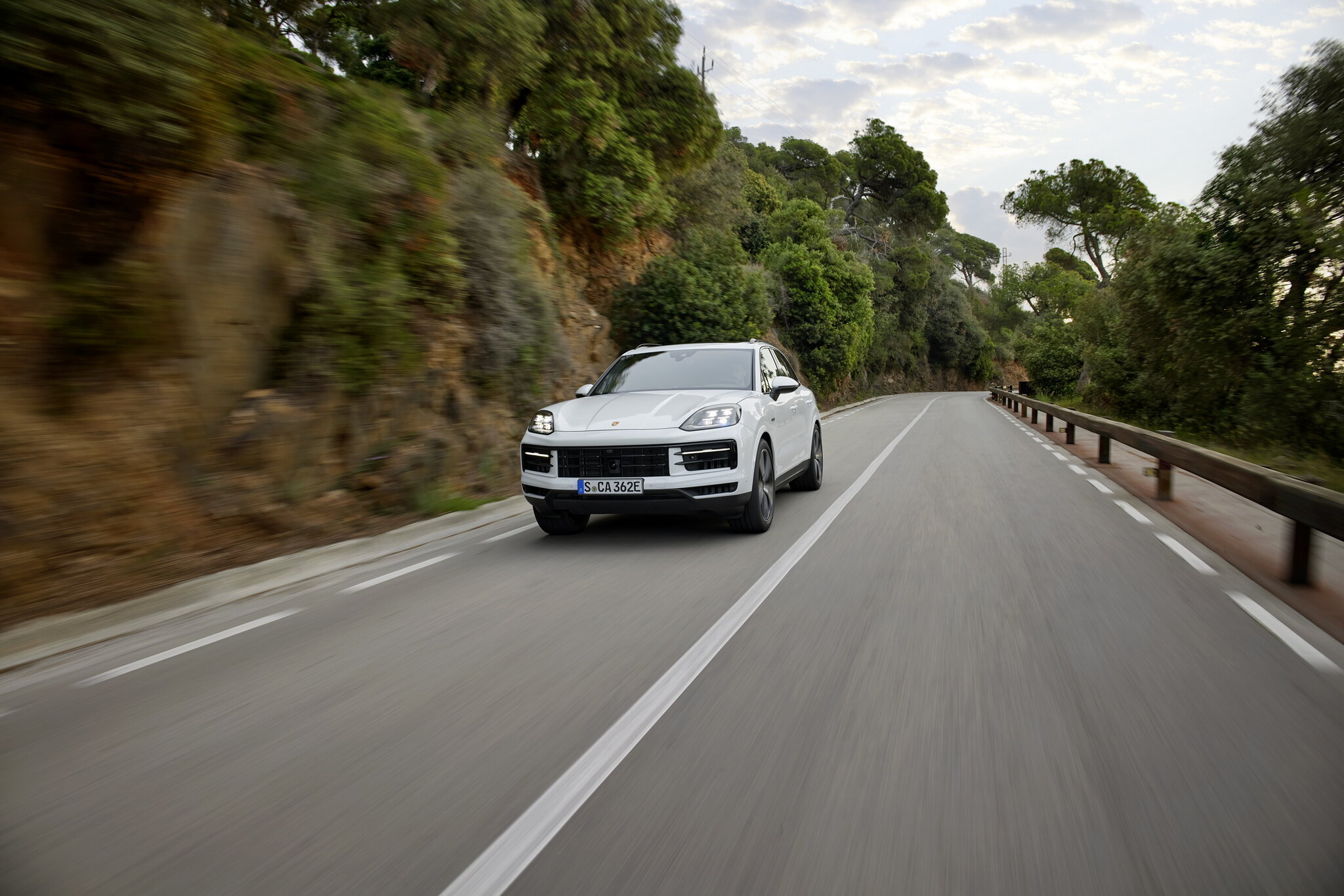
Start with the good news, because it is real. As a company car, a plug-in Cayenne is taxed on a far lower benefit-in-kind percentage than the petrol V8 Cayenne, whose higher CO2 puts it near the top of the company-car tax table. On a P11D around £86,000 that difference runs to thousands of pounds a year for a higher-rate taxpayer, which is why the E-Hybrid has been the rational company-car choice in the range. The plug-in also unlocks lower running costs if you actually charge it and use the electric range for commuting. So the headline remains true: if you are choosing a Cayenne as a company car, the E-Hybrid is still the tax-efficient pick over the pure-petrol models, and our look at PHEV company-car costs on the Ford Kuga shows the same logic a class down.
Porsche Cayenne E-Hybrid company car tax: the 2026/27 band
Plug-in benefit-in-kind is set by electric range, and here is the 2026/27 structure.
| Electric range | 2026/27 BiK band | Where the Cayenne sits |
|---|---|---|
| Over 130 miles | 4% | no |
| 70 to 129 miles | 7% | no |
| 40 to 69 miles | 10% | 43 to 52 miles, this band pre-retest |
| 30 to 39 miles | 14% | no |
| Under 30 miles | 16% | no |
On its 43 to 52-mile electric range the Cayenne E-Hybrid sits in the 40 to 69-mile band, a 10% benefit-in-kind before any re-test, though some calculators show a slightly different figure depending on the exact certified range and CO2. The key point for a company-car driver is that this is provisional, not fixed, so verify the live band for your exact specification on gov.uk’s company-car tax guidance before you order, and read our 2026/27 company-car tax guide for how the bands compare across fuel types.
It helps to be clear about how that percentage actually translates into a tax bill, because on a Porsche the list price does much of the work. The taxable benefit is the car’s P11D value, broadly the list price including VAT and delivery, multiplied by the benefit-in-kind percentage; you then pay income tax on that figure at your marginal rate. With a Cayenne E-Hybrid starting from around £86,300, even a low band produces a sizeable benefit, simply because you are applying that percentage to a high, six-figure-adjacent number. The practical consequence is that the band matters more on an expensive car, not less: a single percentage point of movement is worth far more on a Porsche than on a £35,000 family plug-in, so the scheduled increases bite harder here. That is the mechanism behind the headline, and it is why we keep stressing the whole-term tax cost rather than the year-one figure.

The catch: Euro 6e-bis is raising PHEV CO2
This is the part the cheerful company-car ads leave out. From April 2026, a stricter emissions test, Euro 6e-bis, became mandatory, and it measures plug-in hybrids more realistically, which raises their official CO2 figures and trims claimed electric range. The effect can be dramatic: one widely-cited example saw a Mercedes plug-in’s quoted CO2 jump from 12 to 47 grams per kilometre in France under the new test. Higher CO2 and lower range can push a car into a less favourable benefit-in-kind band, which is exactly how a once-cheap PHEV company car quietly becomes more expensive to run on tax. A government easement runs from April 2026 to April 2028 to cushion the transition, but the direction of travel is clear, and it is upward. That is why we describe the Cayenne’s tax benefit as narrowing rather than secure.
2028 changes everything: the flat 18% band
The bigger change is already scheduled. From April 2028, the favourable range-based plug-in bands disappear and all plug-in hybrids move to a single flat 18% benefit-in-kind. For the Cayenne E-Hybrid that is a meaningful step up from its current 10% band, and it applies regardless of how far the car travels on electricity. If you take a Cayenne E-Hybrid on a long company-car term now, budget for that 2028 increase rather than assuming today’s band holds for the life of the car. It does not. This is the single most important number for anyone signing a multi-year company-car arrangement on a plug-in, and it reframes the E-Hybrid as a good deal for the next couple of years rather than a permanently cheap one.
Charging discipline decides whether the sums work
The tax band is only half the story; the running-cost case rests entirely on how you actually use the car. The 43 to 52-mile WLTP electric range is a laboratory figure, and real-world distance in British conditions, cold mornings, motorway speeds and a heavy SUV body, will routinely fall short of it. A plug-in only saves money if the 25.9kWh battery is regularly full, and Porsche quotes roughly two and a half hours for a full charge on an 11kW wallbox, so the realistic owner is plugging in most nights. If your routine fits, the daily commute can run largely on electricity and the petrol V6 is reserved for longer trips, which is where the favourable benefit-in-kind and the lower fuel cost both pay off. If you cannot charge at home or at work, the maths inverts: you carry the weight and complexity of the hybrid system, pay for petrol to haul the battery around, and keep only the tax advantage. Be honest about your charging access before you commit, because it, not the brochure, decides whether a plug-in Cayenne is genuinely cheaper to run.
The real low-tax successor: the Cayenne Electric
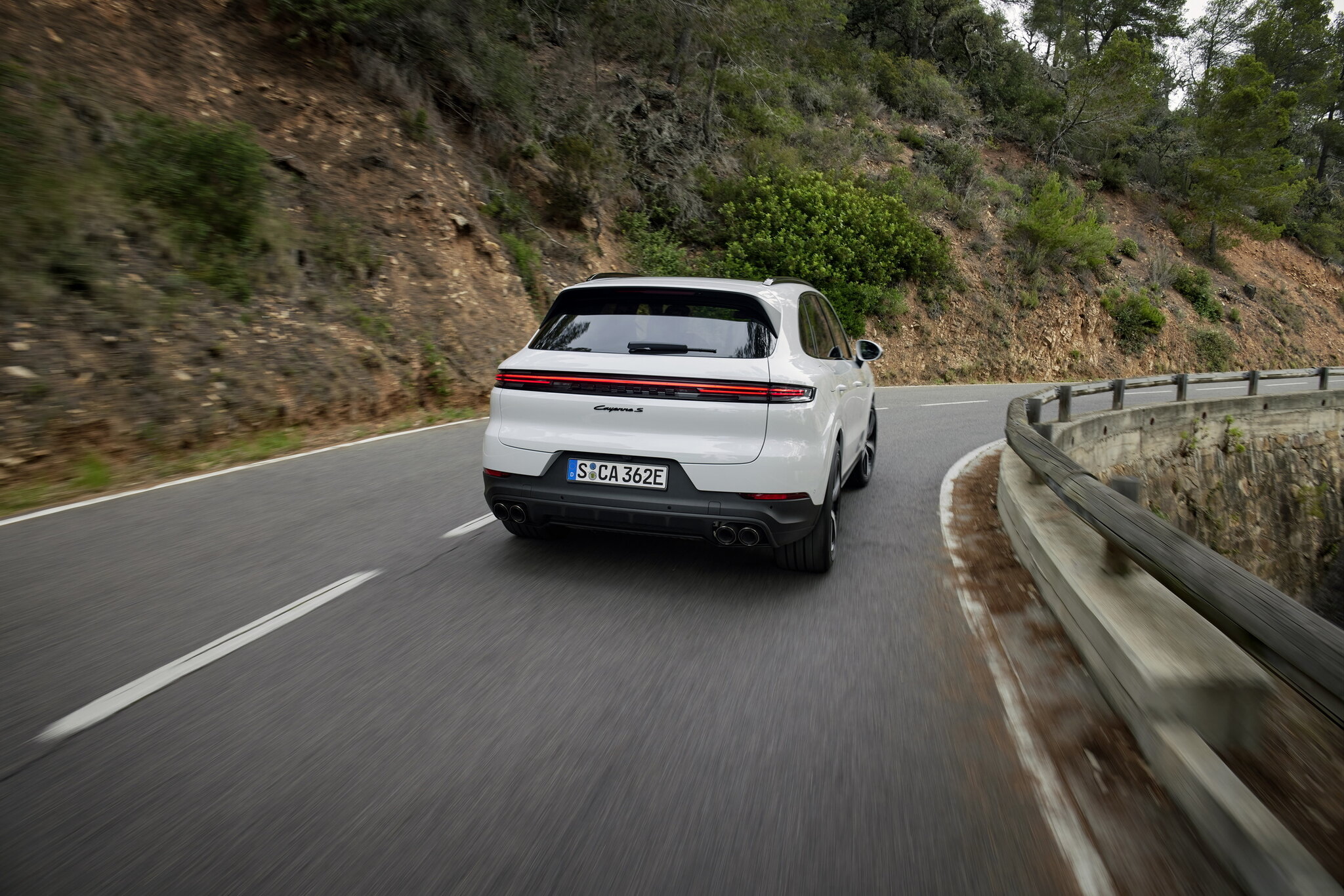
If your priority is the lowest possible company-car tax, the answer is no longer the plug-in. Porsche’s new all-electric Cayenne, due in the second half of 2026, emits zero grams of CO2 and is taxed on the pure-EV benefit-in-kind, which is a fraction of any plug-in band and stays low for years. With a claimed 358 to 399 miles of range and rapid 800-volt charging up to around 390kW, it is the genuine low-tax Cayenne, and it sidesteps both the Euro 6e-bis problem and the 2028 flat band entirely. For a company-car driver choosing today, the question is really whether to take the E-Hybrid now for its good-but-narrowing band, or wait for the electric car for a far lower long-term tax bill. If depreciation worries you on either, our analysis of which premium EVs hold their value is worth reading first.
What a company-car driver should check
Before you choose a Cayenne E-Hybrid as a company car, run these checks.
- Confirm the exact 2026/27 benefit-in-kind band for your build on gov.uk or a company-car tax calculator, not a brochure figure.
- Budget for the flat 18% PHEV band from April 2028 if your term runs that long.
- Check whether your car’s certified figures have already been through Euro 6e-bis re-testing, which can change the band.
- Only choose the plug-in if you can charge it regularly; the running-cost benefit vanishes if you never use the electric range.
- Compare the long-term tax of the upcoming all-electric Cayenne, which is taxed on the much lower pure-EV band.
- Factor in the £40,000-plus VED expensive-car supplement, which a Cayenne comfortably exceeds.
Our view on Porsche Cayenne E-Hybrid company car tax: it remains the smart choice over the petrol V8 today, but treat it as a good deal with an expiry date rather than a lasting one. We would take the E-Hybrid now only if we could genuinely charge it and the term ends before or soon after the 2028 flat-band change, and we would model the tax over the whole period, not just year one. For anyone signing a longer arrangement, the upcoming all-electric Cayenne is the cleaner low-tax answer, sidestepping both the Euro 6e-bis emissions creep and the 2028 step-up. The plug-in is not a bad decision, it is a narrowing one, and the driver who understands that, charges the car, and watches the 2028 date will get the most from it. Go in informed, not on the brochure band alone.
What is the company car tax band on a Porsche Cayenne E-Hybrid?
Is the Cayenne E-Hybrid still good for company car tax?
What is Euro 6e-bis and how does it affect PHEV tax?
Will Cayenne E-Hybrid company car tax rise in 2028?
Should I wait for the electric Cayenne for lower tax?
Buyer action
Where to check next
Use this as the final check before paying a deposit, signing finance paperwork or relying on a headline monthly figure.