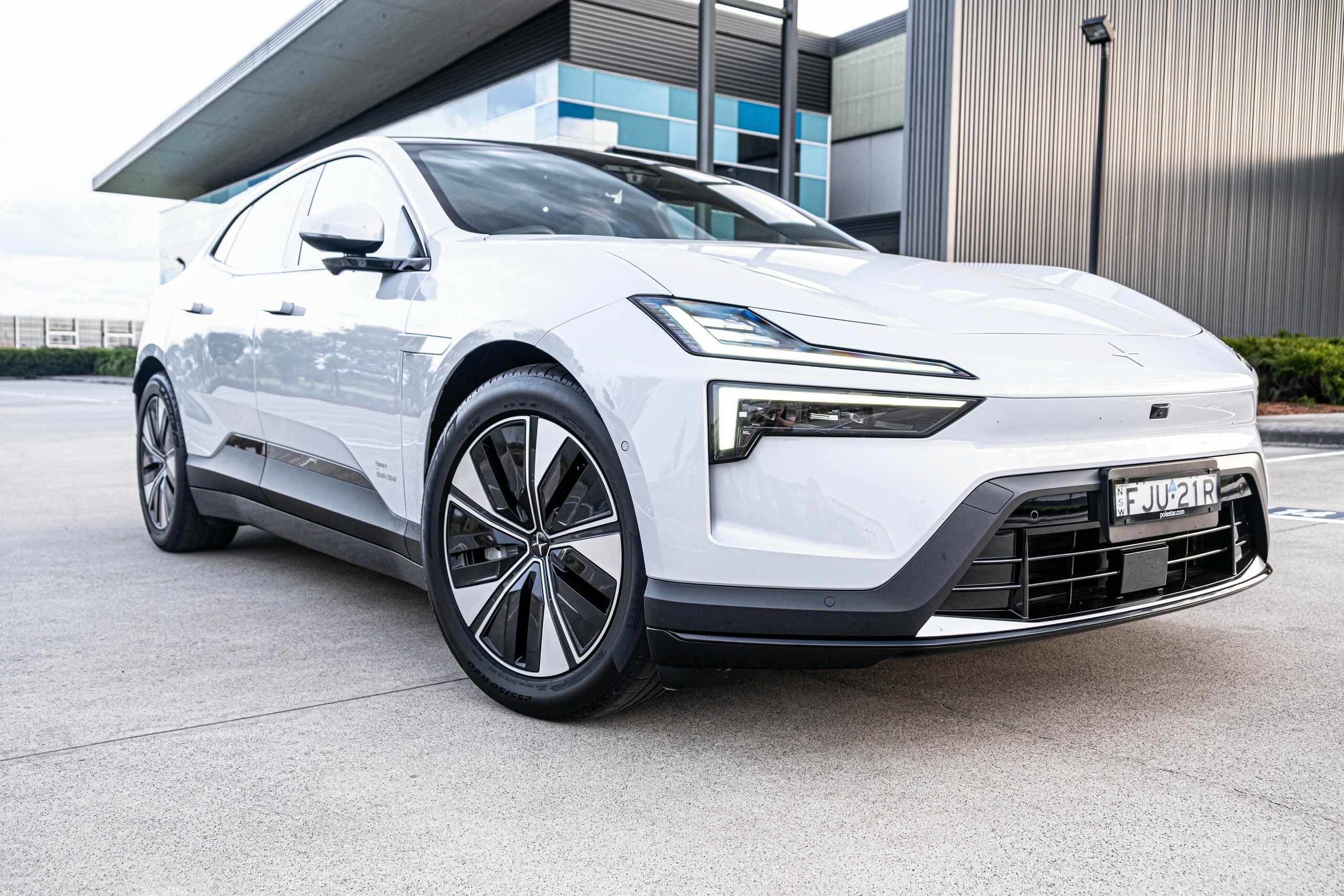
EV insurance costs are the line on the renewal letter that still makes electric-car owners wince, and the honest 2026 picture is more hopeful than the scare stories suggest. The Association of British Insurers, in figures reported on 30 April 2026, put the average UK motor premium at £560, down 3.4% on the year, even as the cost of repairing our cars keeps climbing. Electric cars do still cost more to cover than a like-for-like petrol model, but the gap is narrowing, not widening, and a chunk of what you pay is within your control. I want to walk you through what the numbers actually say, why a premium EV like a Polestar 4 still stings, and the moves that may genuinely shave your quote, in plain English and on your side.
What the latest ABI numbers actually show
Start with the market, because context matters. According to the ABI’s Q1 2026 motor premium tracker reported by Insurance Age on 30 April 2026, the average premium paid was £560, a fall of 3.4% year on year. That sounds like good news, and for most drivers it is, but underneath it the claims bill is still rising. Total motor claims hit £2.9bn in the quarter, repairs alone accounted for £1.9bn, up 3%, and the average accidental-damage claim climbed 8% to £3,699. So premiums are easing while the thing that drives them, the cost of putting a damaged car right, is not. That tension is the whole story of EV cover, because electric cars sit at the sharp end of repair inflation. If your renewal still jumped, my piece on why EV renewals rose even as prices fell unpicks how an individual quote can move against the market.
Why EVs still cost more to cover, and by how much
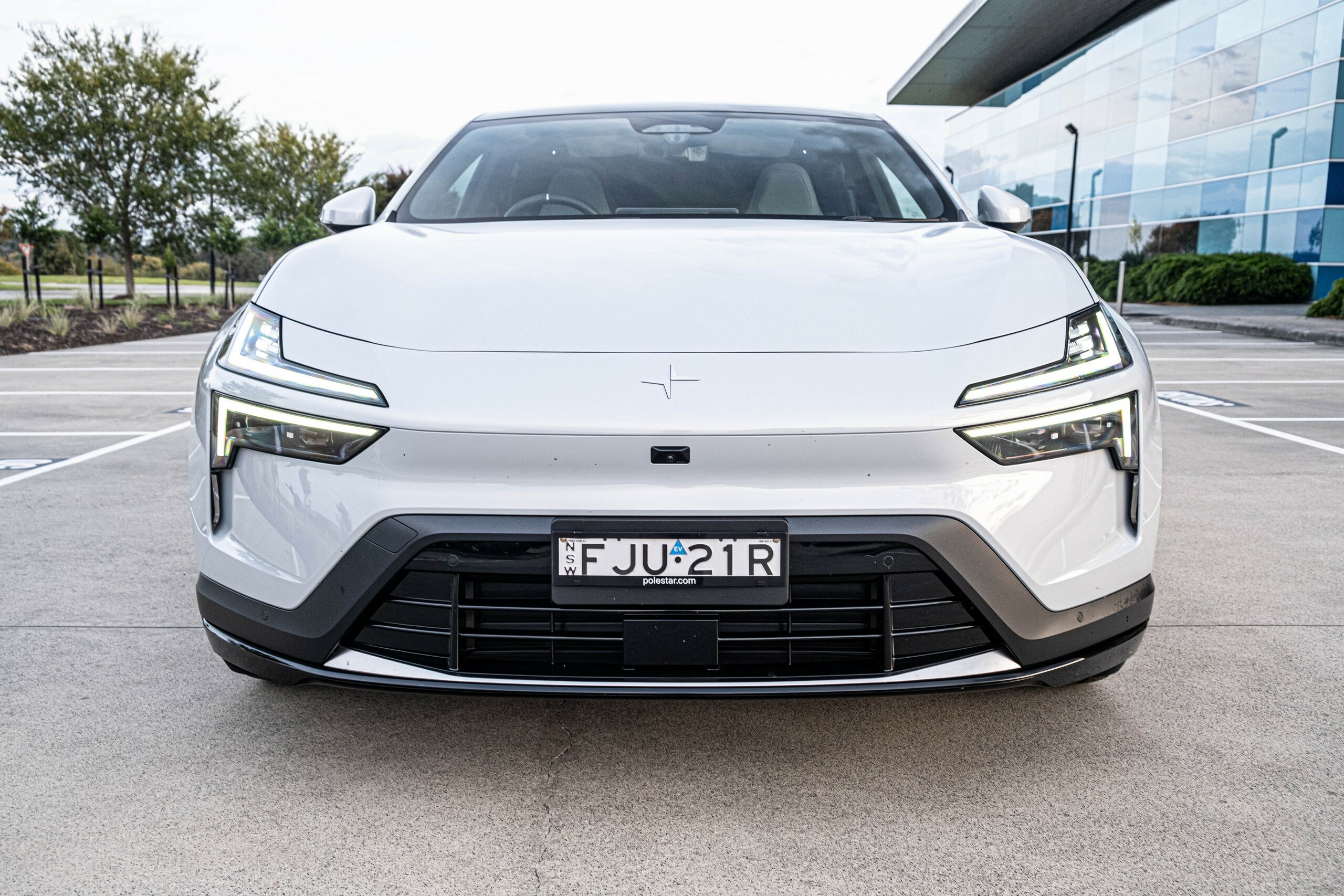
Here I have to be careful with numbers, because a lot of the figures flying around are marketing. Comparison sites report average EV premiums somewhere between £650 and £710, but those are their own book of business, not an official average, so treat them as a signal rather than a fact. The fairer way to put it, drawn from ABI commentary, is that electric cars run roughly 25% to 50% dearer to insure than an equivalent petrol model, with the gap closing as the market matures. The reasons are structural. The battery is the single most valuable component in the car, often worth £5,000 to £20,000 or more, and a knock that would be a cheap repair on a combustion car can write off an EV if it threatens the pack. Specialist labour is scarcer, approved repairers who will touch a high-voltage system are fewer, and the cars sit off the road longer while parts and trained technicians are found. Every one of those feeds the £3,699 average damage claim upward.
A £60,000 Polestar makes the point
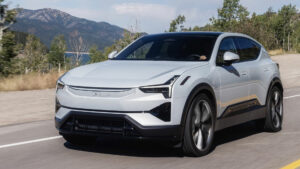
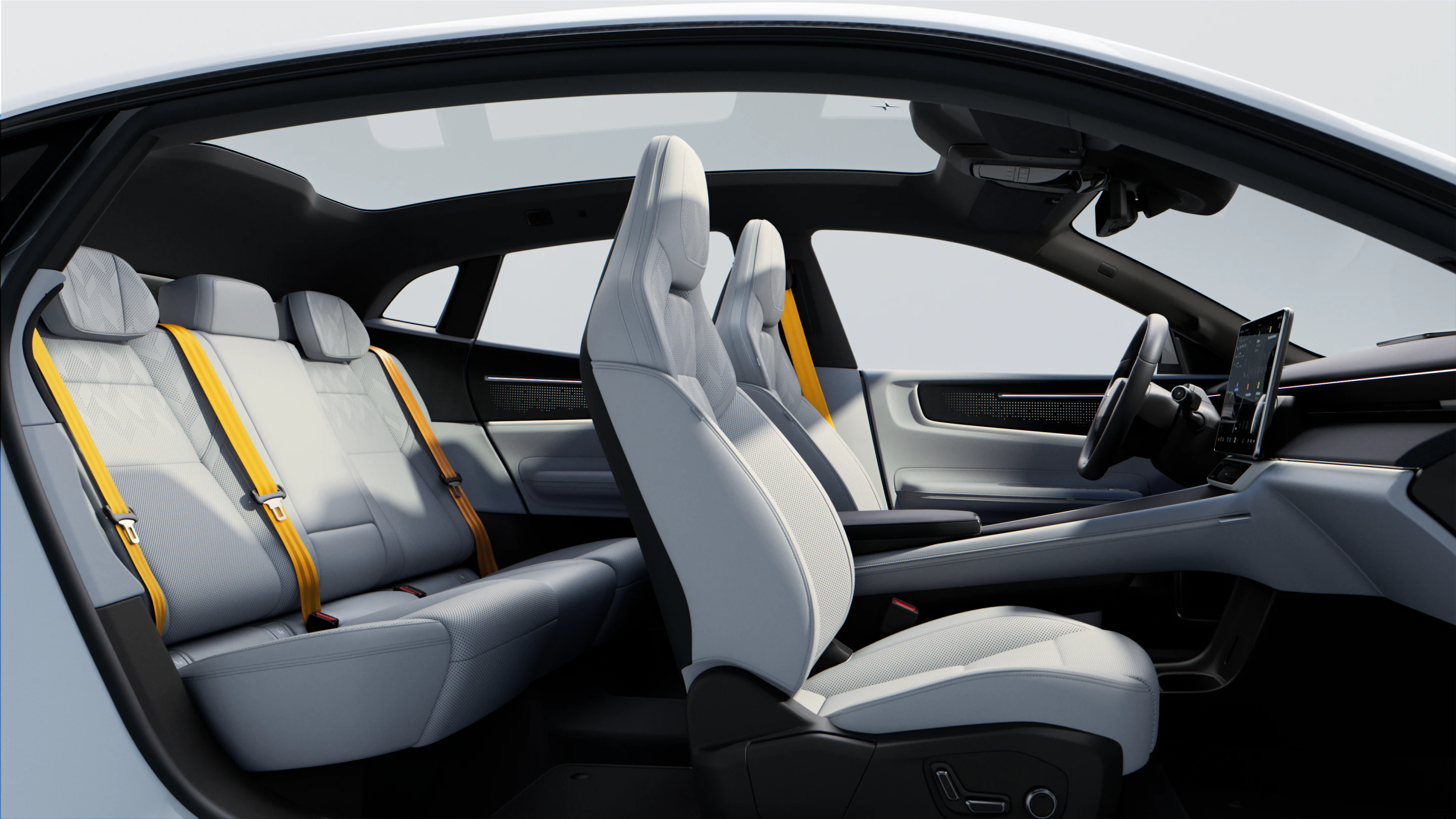
Take a Polestar 4, a handsome electric coupe-SUV that lists comfortably north of £60,000 in its dual-motor form. It gathers up every reason EV cover is dear: a high replacement value, a structural battery, performance that nudges it into a steep insurance group, and a repair network still building out. That is exactly why a sister car, the Polestar 3, lands where it does, and I went through why the Polestar 3’s group 50 rating stings and what helps in detail. I am not going to quote you a single premium figure for the 4, because an honest quote depends on your postcode, age, mileage and history, and anyone who gives you one flat number is guessing. What I will say is that the choice of bodyshop matters enormously on a car like this, which is why I always point owners to the question of which approved-repairer network an insurer uses before they sign.
What might actually bring the number down
I have to be straight about the rules here: the Financial Conduct Authority is clear that insurance pricing is individual, so no one can promise a given move will cut your premium. What I can tell you is which levers tend to help. A higher voluntary excess usually lowers the premium, as long as you could actually afford it after a prang, and it is worth understanding how voluntary and compulsory excess stack together before you crank it up. A telematics or mileage-based policy can reward a low-mileage EV commuter. Parking off-street or behind a Thatcham-rated tracker helps on a theft-target car, and I covered why a Thatcham S5 tracker matters on premium metal. Give an accurate, honest mileage, protect your no-claims, and above all compare rather than letting it auto-renew, because loyalty is routinely punished. And pay annually if you possibly can.
The monthly-payment trap I want you to dodge
That last point deserves its own warning, because it is where insurers quietly take the most. Paying your premium in monthly instalments is a credit agreement, and on the deals I see as of 2026 the interest baked into it can push the representative APR toward 30%, far more than most people realise. That is a representative figure to illustrate the trap, not a quote or a finance offer: your own rate depends on the insurer and your circumstances and is subject to status. I laid out the 30% APR hiding behind paying car insurance monthly in full, and the short version is this: if you can find the lump sum, or borrow it more cheaply elsewhere, paying the year up front is usually the single biggest saving on the page. The FCA’s guidance for consumers backs the principle that you should always see the cost of credit spelled out, so make the insurer show you the difference between the annual and monthly totals before you tick the box.
What I would do about my EV insurance costs on renewal day
If it were my EV insurance costs landing on the mat this week, I would do four things and ignore the rest. I would run the renewal quote through at least two comparison sites and one direct insurer the comparison sites do not list, because the cheapest large insurer often sits outside them. I would ask each one which approved-repairer network covers electric cars, because on a high-value EV that answer is worth more than a few pounds of premium. I would set the voluntary excess at the highest figure I could comfortably pay in a real accident, no higher. And I would pay annually, refusing the monthly plan unless I genuinely could not, because that interest is the easiest money the industry takes from EV owners. None of it is glamorous, but on a car the market still treats as expensive to repair, those four moves do more than any loyalty ever will. The gap is closing; you just do not have to wait for it.
Buyer action
Where to check next
Use this as the final check before paying a deposit, signing finance paperwork or relying on a headline monthly figure.