
I have spent the past fortnight running the numbers on the BMW i5 for salary sacrifice, and as of June 2026 it sits in an unusual spot: a genuine executive saloon that the tax system treats almost as kindly as a city runabout. The reason is the company car benefit-in-kind rate. HMRC taxes a fully electric car at just 4% of its P11D value for the 2026/27 tax year, rising to 5% for 2027/28 (gov.uk company car tax). Pair that with the gross-pay relief built into a salary sacrifice scheme and a £67,000 BMW starts to behave, on your payslip, like something a good deal cheaper. Below I walk through what the i5 actually costs, where the catches hide, and how it stacks up against its smaller sibling, the i4.
What the BMW i5 costs, and how salary sacrifice changes the picture
The entry point is the i5 eDrive40 Sport Edition at a list price of around £66,790, with a WLTP range of about 351 miles, per BMW’s published UK pricing and specifications (BMW Group PressClub UK); confirm both against your exact build at configuration, as trim and options move them. For benefit-in-kind, what matters is the P11D value, which for that trim works out at roughly £67,640. Apply the 4% rate and you get a taxable benefit of about £2,706 a year. A 40% taxpayer therefore faces a company car tax bill of around £90 a month; a 20% taxpayer pays closer to £45. Those figures are illustrations to frame the decision, not a personalised quote or a finance offer, and your own tax band, mileage and scheme terms decide the real number.
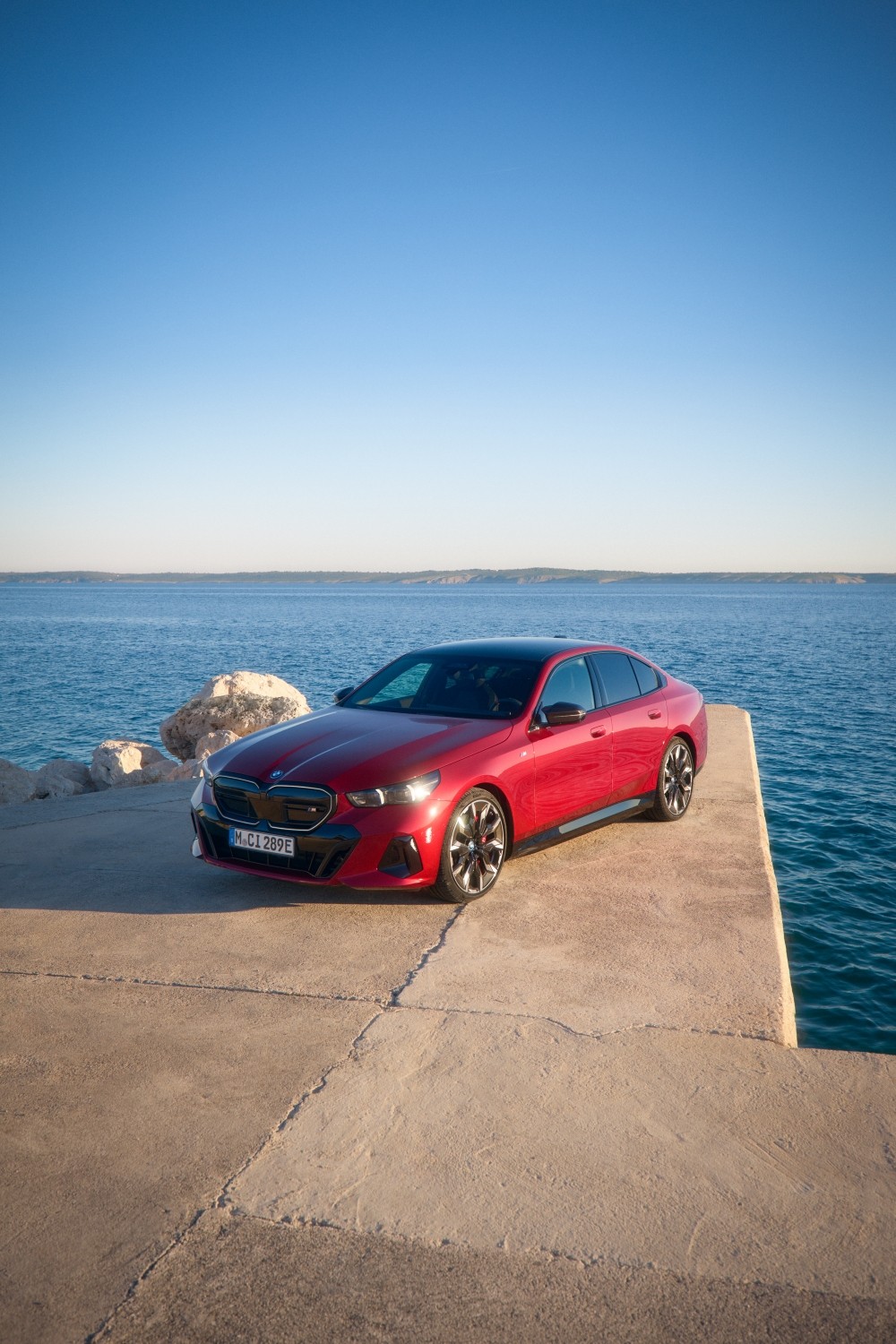
Step up to the eDrive40 M Sport Pro, where list prices climb to £82,000 and beyond once you add Comfort Plus and Tech Plus packs, and the P11D value lands nearer £83,620. The benefit-in-kind tax for a higher-rate payer rises to roughly £111 a month. That is still a remarkably small tax charge for a car of this calibre, which is exactly the quirk the flat 4% rate creates: the more expensive electric car you choose, the more the percentage works in your favour relative to a petrol equivalent. I cover the same dynamic on the smaller model in my BMW i4 salary sacrifice analysis.
The mechanism is worth being clear about, because it is where the saving actually comes from. Salary sacrifice reduces your gross salary by the cost of the lease, which lowers both your income tax and your National Insurance, as HMRC sets out in its salary sacrifice guidance for employers (gov.uk salary sacrifice). Where an employer chooses to pass on its own National Insurance savings, the net cost falls further. As a rough illustration, a gross monthly lease of around £650 can translate to a net impact in the region of £410 to £450 for a higher-rate taxpayer, plus the small benefit-in-kind charge above. I would not lean on any single figure here; the only number that binds is the one your scheme produces against your salary.
Range, trims and the wheels trap
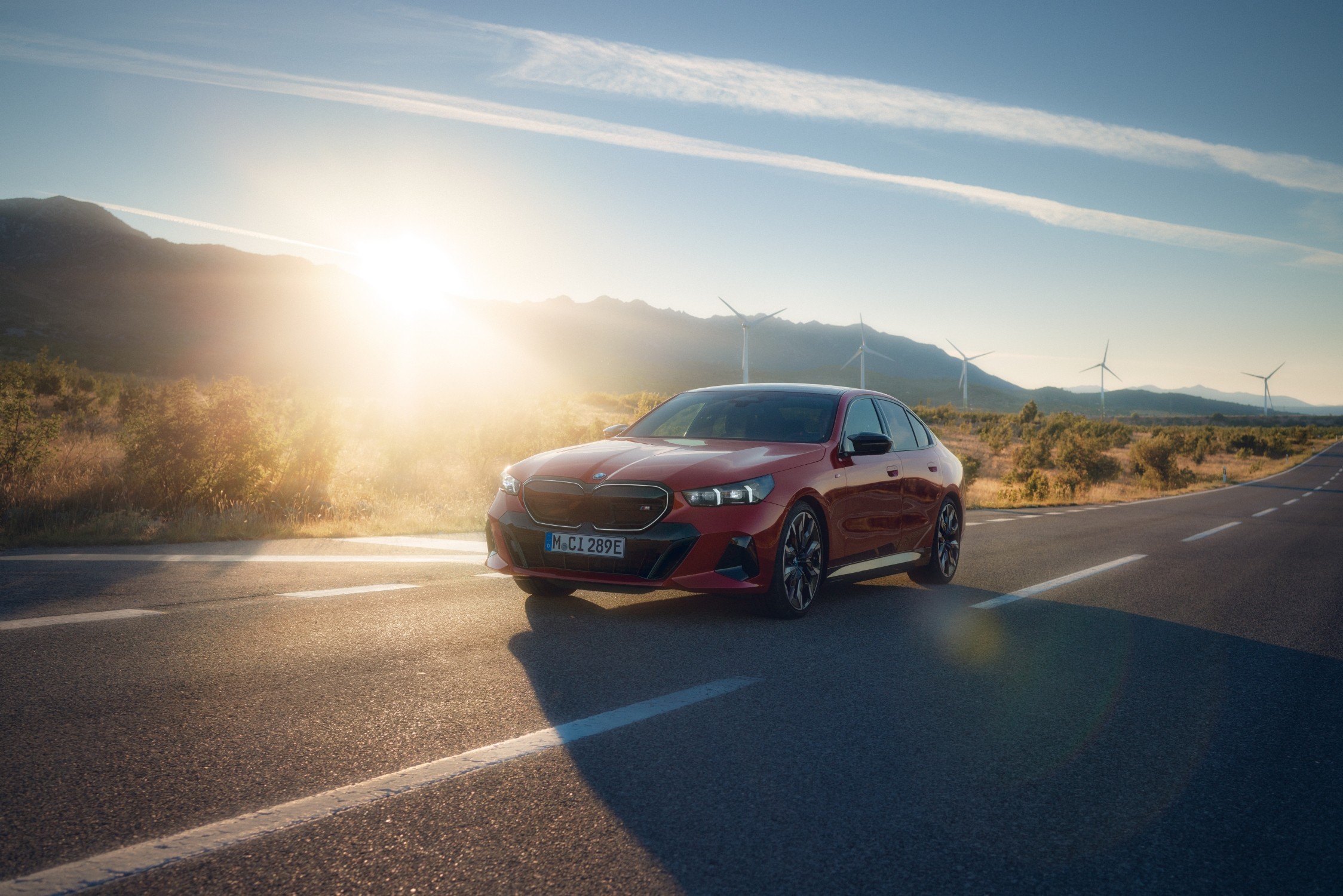
The headline 351-mile WLTP figure is real, but it belongs to the leaner specification. As you add larger wheels and heavier trims, the combined WLTP range slides, and on some M Sport Pro configurations it can drop well into the low 300s and, at the extreme, the high 280s. This matters for two reasons. First, your real-world winter range will sit below the WLTP claim regardless, so starting from a lower number narrows your comfortable motorway radius. Second, it is easy to assume every BMW i5 covers the same distance and then be surprised. Always check the WLTP combined minimum for the exact build you are quoted, not the brochure best case.
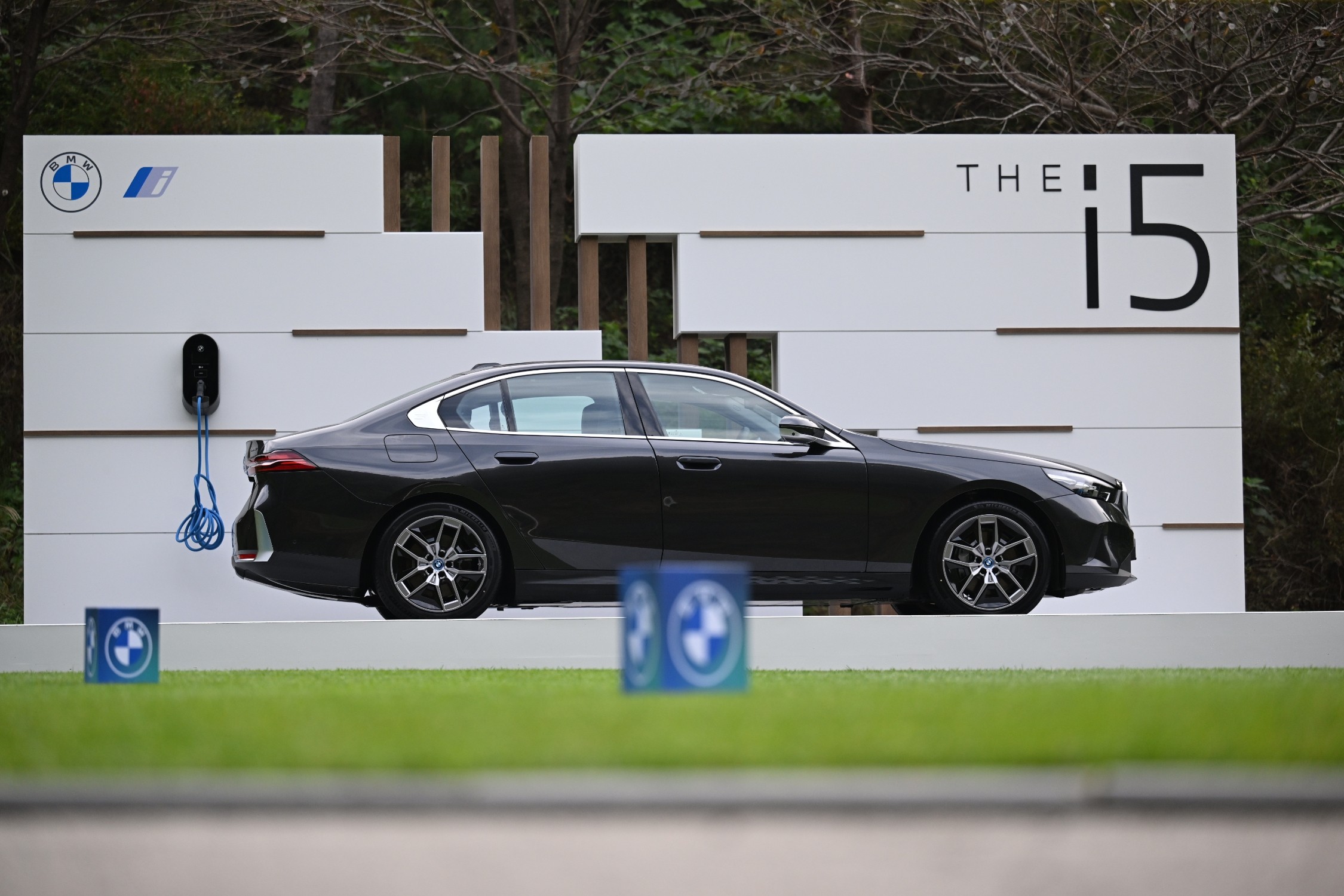
On charging, the BMW i5 takes DC rapid charging in its stride and offers an optional 22kW AC capability, which is genuinely useful if you have three-phase power at home or a workplace charger that supports it. For most drivers, though, a standard 7kW home wallbox doing an overnight top-up is what makes the running costs work. If you cannot charge at home and expect to rely on the public network, the economics shift, and I would run the sums harder before committing. I make the same point about charging access in my look at the VW ID.7 on salary sacrifice, which competes directly with the i5 on space and range.

i5 versus i4: bigger car, bigger sacrifice
This is the comparison most people actually face, and it is easy to draw the wrong conclusion. Because both cars sit at the same 4% benefit-in-kind rate, the BMW i5 looks tax-efficient in isolation. But the i4 eDrive40 carries a lower P11D value, around £55,000, so its benefit-in-kind tax is smaller too: roughly £73 a month for a higher-rate payer against the i5’s £90. More importantly, the i4’s lower list price means a lower monthly lease, so the total cost of ownership is meaningfully cheaper. The i5’s higher lease cost is not offset by tax savings; the tax saving is a percentage of a bigger number, but you still pay for the bigger car.
So the honest framing is this. The BMW i5 is the better car if you want the executive footprint, the rear-seat space and the road presence, and you are happy to pay for it. The i4 is the smarter pure-economics choice if your priority is the lowest net monthly outlay. Neither is a mistake; they answer different questions. If you are weighing the broader EV-versus-petrol decision, the structural advantage of an electric company car over a combustion executive saloon is enormous, since a comparable petrol car can sit at 30% benefit-in-kind or more. I sketch the same maths for a different segment in my Mustang Mach-E salary sacrifice versus PCP piece.
The catches I would not gloss over
Salary sacrifice is powerful, but it is not free of trade-offs, and a £67,000 car magnifies all of them. Reducing your gross pay can lower salary-linked pension contributions, and it can affect mortgage affordability assessments and some statutory payments, because lenders and HMRC look at the reduced figure. If you leave your employer mid-term, you typically either lose the car or pay an early-exit cost, and on a premium lease that exit can be expensive. The benefit-in-kind rate itself is climbing, from 4% in 2026/27 to 5% in 2027/28, so a car you order now will see its tax charge rise during the term. None of these is a reason to walk away, but they are bigger swings on the BMW i5 than on a cheaper EV, so go in with your eyes open.
One more practical point. Basic-rate taxpayers are sometimes told salary sacrifice only works for higher earners. That is not true: the National Insurance relief applies across the board, and a 20% taxpayer still saves on income tax. The relief is simply smaller, so for a basic-rate payer I would compare the i5 scheme quote carefully against a nearly-new used i5, where the depreciation has already landed. The same used-versus-new logic runs through my piece on the used BMW iX in 2026, and if a basic-rate budget is the priority I also weigh the Kia Niro EV basic-rate maths as a far cheaper salary sacrifice starting point.
How I would approach the decision
If you are a higher or additional-rate taxpayer with a secure job and a home charger, the BMW i5 on salary sacrifice is one of the most tax-efficient ways to put a genuine executive EV on your drive in 2026, with the 4% benefit-in-kind doing the heavy lifting and the gross-pay relief softening a lease that would otherwise look daunting. If your priority is purely the lowest net outlay, the i4 quietly wins on the maths and I would not feel short-changed by it. And if you are a basic-rate taxpayer, charge mostly in public, or might change jobs before the term ends, I would run the personalised quote hard against a nearly-new used i5 before signing, because the relief is thinner and the exit risks are the same. Whatever you decide, remember that every figure here is an illustration to frame the choice and not a finance offer; your rate and saving depend on your circumstances and are subject to status, so the only number that counts is the one your own scheme produces against your salary. Get that quote, read the leaving terms, and decide with the full picture in front of you.
Buyer action
EV and salary-sacrifice checks
Use this as the final check before paying a deposit, signing finance paperwork or relying on a headline monthly figure.