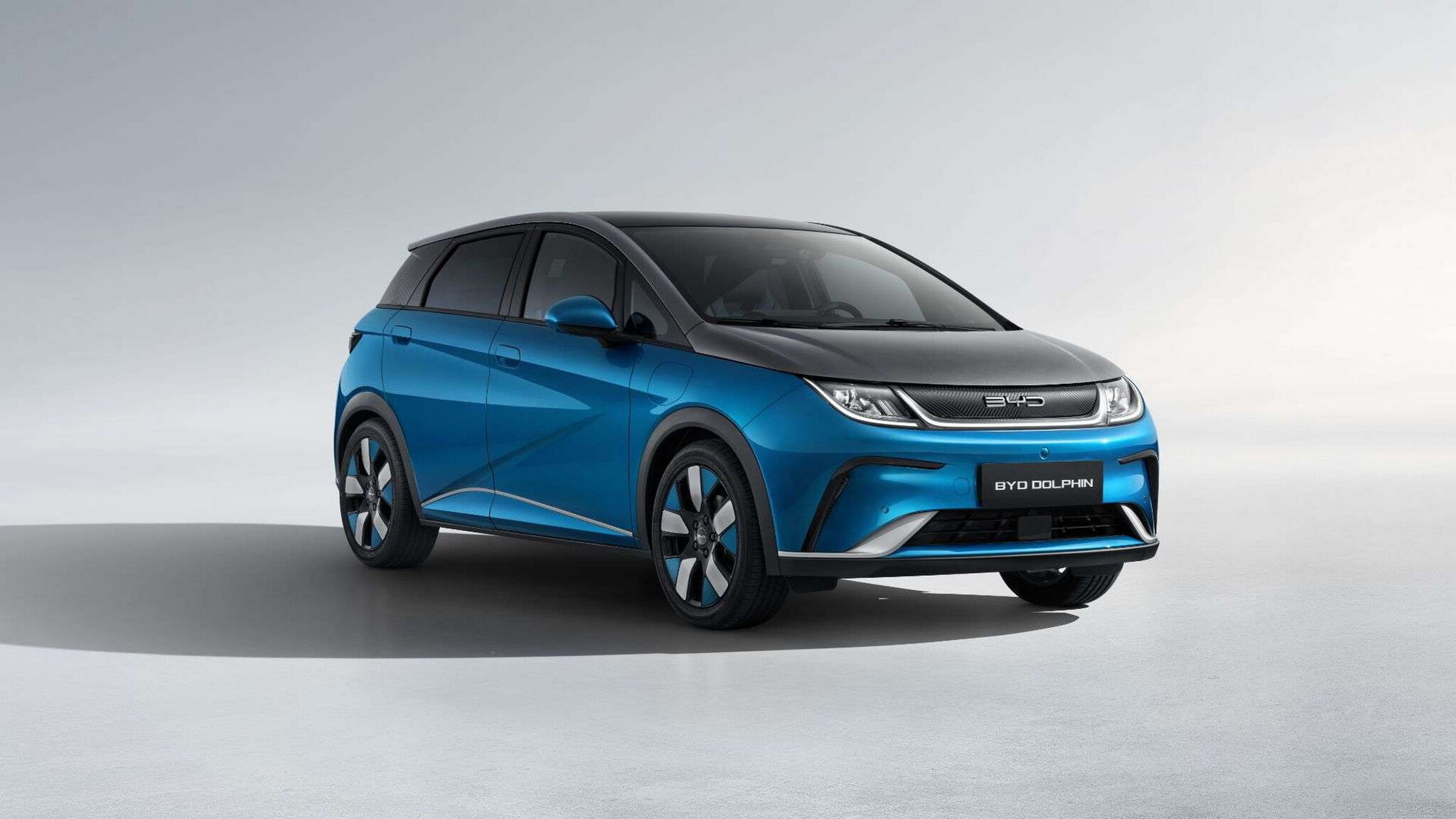
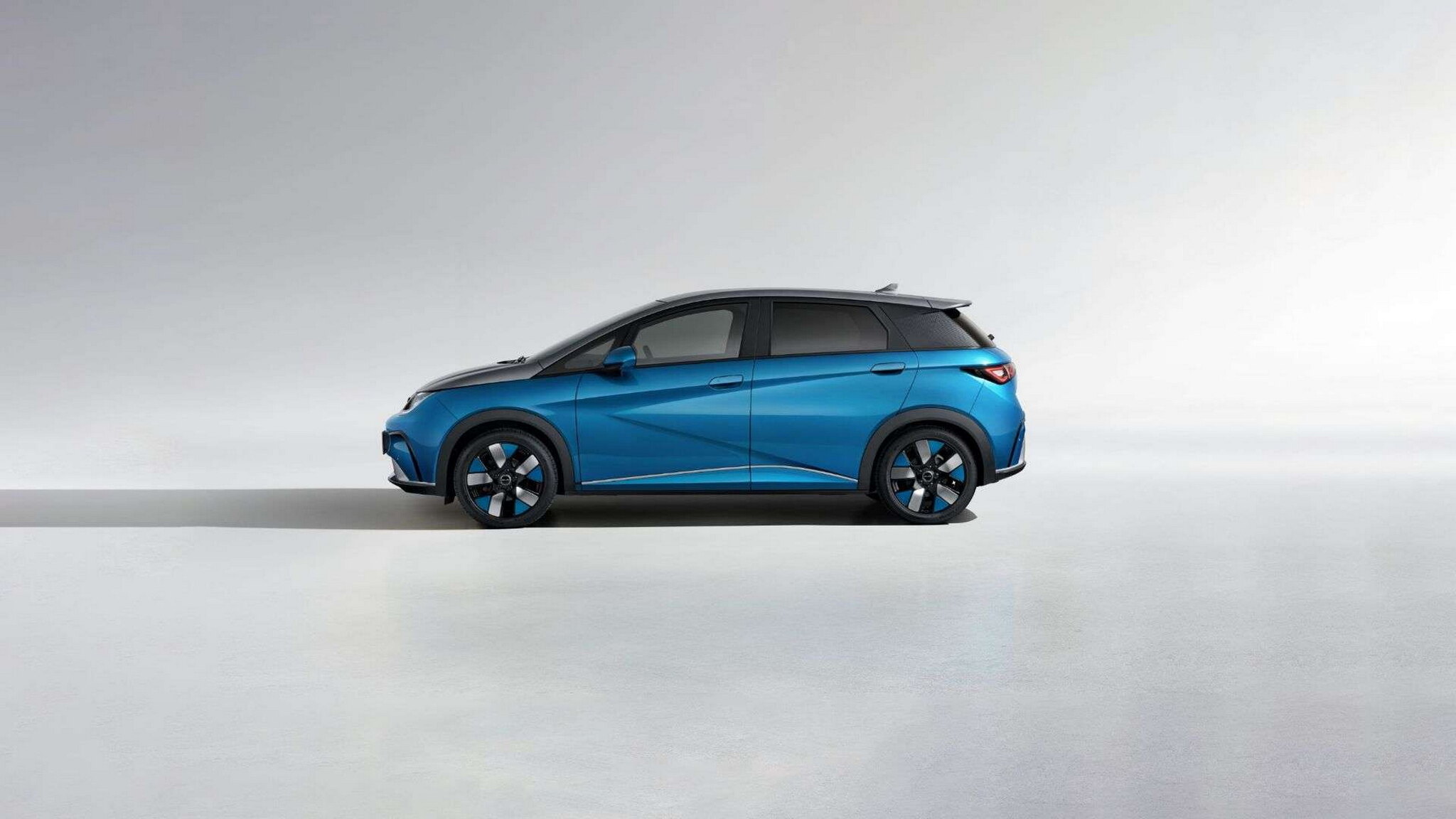
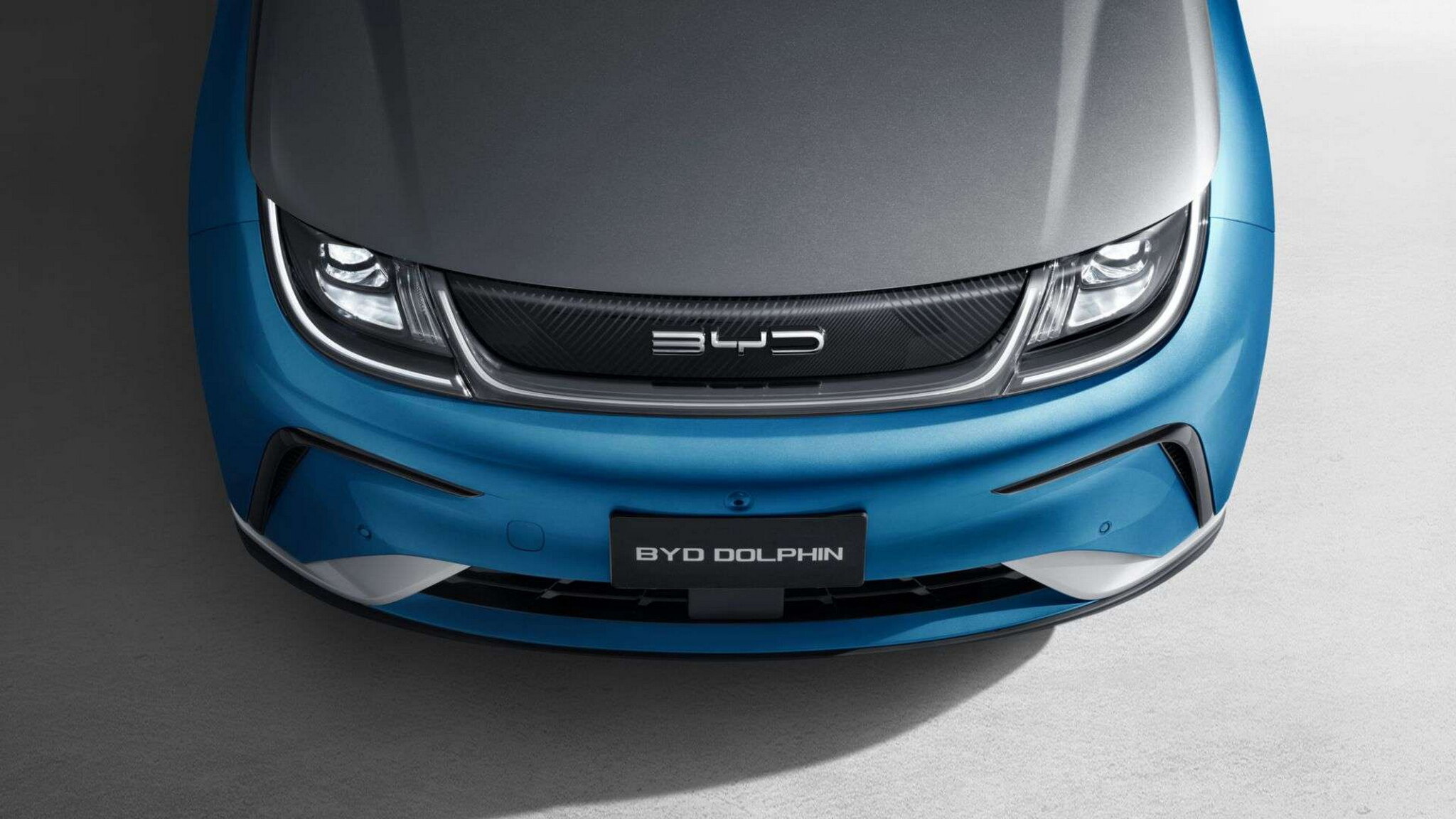
BYD Dolphin finance is one of the cheapest ways into a brand-new electric car in Britain, but the popular claim that the Dolphin is “the cheapest mainstream EV” is simply wrong, and the distinction matters. The Dolphin starts from about £30,230, while BYD’s own smaller Dolphin Surf opens at roughly £18,650 and the Dacia Spring undercuts both at around £12,240. What makes the Dolphin compelling is not the sticker price but the 0% APR PCP behind it, and there is a specific reason BYD leans so hard on finance: its cars are shut out of the UK’s Electric Car Grant. Here is the honest cheap-EV picture and how the Dolphin deal actually works.
The cheap-EV facts (CDE data)
Pricing and finance from BYD UK and the Electric Car Grant rules, checked June 2026.
- The ladder: BYD Dolphin from about £30,230, BYD Dolphin Surf from roughly £18,650, and the Dacia Spring from around £12,240. The Dolphin is not the cheapest, even within BYD’s own range.
- The deal: a 0% APR representative PCP over 49 months, with orders before 30 June 2026, and the Surf advertised from around £219 a month.
- The grant catch: the UK Electric Car Grant, worth £1,500 or £3,750 on cars listed at £37,000 or less, excludes Chinese-assembled cars, so BYD models do not qualify, which is why finance, not a grant, is the cheap-EV story here.
The honest cheap-EV ladder
Let us put the “cheapest EV” claim to bed. If raw price is your only measure, the Dacia Spring at around £12,240 is the cheapest mainstream new EV on sale, and BYD’s own Dolphin Surf at roughly £18,650 undercuts the standard Dolphin by a wide margin. The Dolphin proper, from about £30,230, is a bigger, longer-range hatchback that competes a class up, against the likes of the Volkswagen ID.3 and MG4. So the Dolphin is not the budget champion; it is a well-equipped mainstream EV whose appeal rests on the finance terms rather than the list price. Getting that straight matters, because a buyer chasing the absolute lowest monthly should be looking at the Surf or the Spring, while the Dolphin suits someone who wants more car and is drawn by the 0% deal.
Where the Dolphin earns its keep is the gap between the sticker price and the running cost. A petrol supermini that costs less to buy will usually cost more to run, and that swing is the part a finance table never shows. The Dolphin carries a 60.4 kWh battery and a quoted WLTP range of up to 265 miles, which is genuinely useful family range rather than a token city figure, and charging it at home overnight on a domestic tariff is dramatically cheaper per mile than refuelling a petrol equivalent. Pure electric cars also sit in the lowest first-year VED band, and a Dolphin priced under £40,000 stays clear of the expensive-car supplement that catches pricier EVs. So when you set the monthly payment against what you would otherwise spend on fuel and tax, a 0% Dolphin can work out cheaper to live with than its list price suggests.
The Blade battery and what it means for value
The Dolphin uses BYD’s Blade battery, a lithium iron phosphate (LFP) pack rather than the nickel-rich chemistry in many rivals. The practical upshot for an owner is reassurance: LFP cells are well suited to being charged to 100% routinely, which simplifies daily home charging, and BYD backs the pack with an eight-year, 125,000-mile warranty that guarantees at least 70% of original capacity over that period. The car itself carries a six-year, 93,750-mile warranty. That matters far beyond the first owner, because a battery that is warranted to hold its capacity is a battery the used market can trust, and a car the used market trusts holds its value better. As we explain below, that link between battery confidence and resale value is exactly what underpins a PCP deal.
BYD Dolphin finance: why it is 0% APR, not a grant
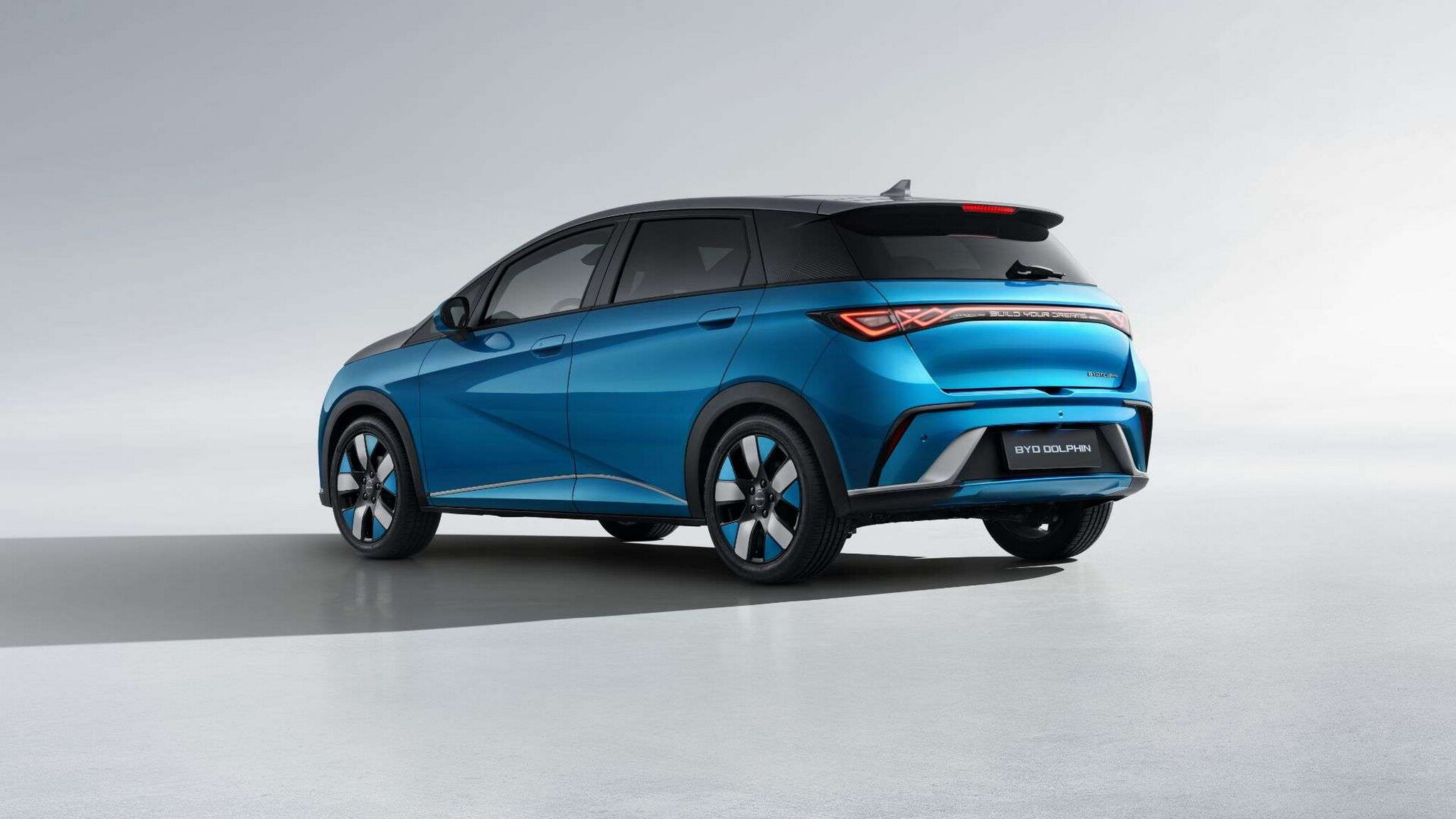
This is the part most reviews skip. The UK’s Electric Car Grant offers £1,500 or £3,750 off qualifying EVs listed at £37,000 or less, which would suit a Dolphin perfectly on price. But the grant excludes Chinese-assembled cars, and BYD builds in China, so the Dolphin and its siblings get nothing from it, the same wall that catches the MG4. BYD’s answer is to do the discounting itself, through a 0% APR PCP that effectively replaces the grant with cheap finance. For a buyer the practical upshot is that you should compare a Dolphin on 0% against a grant-eligible rival on normal finance, because the rival’s headline price may be higher but its grant plus your interest could land somewhere similar. Our look at the Omoda 5 on 0% APR covers another grant-excluded brand using the same playbook.
The low entry price also does something useful to the maths once you pick a finance route. On a PCP, your monthly payment funds the gap between the cash price and the optional final payment, so a cheaper car to begin with shrinks the amount you are actually borrowing and, with 0% on top, keeps the monthly modest. Hire purchase suits a buyer who wants to own the car outright at the end and is comfortable with a higher monthly, because there is no balloon to walk away from. A personal contract hire or lease strips out ownership entirely and simply rents the car for a fixed term, which can be the cleanest option if you would rather hand it back and avoid any residual-value risk yourself. For most private buyers chasing the 0% headline, PCP is the route BYD is steering you towards, but it is worth pricing the same Dolphin on hire purchase and on a lease before you sign, because the cheapest monthly and the cheapest total cost are not always the same deal.
What the 0% PCP deal looks like
Here is the shape of the offer, from BYD UK.
| Detail | Figure (2026) | Source |
|---|---|---|
| BYD Dolphin from | about £30,230 | BYD UK |
| BYD Dolphin Surf from | about £18,650 (from around £219/mo) | BYD UK |
| Representative APR | 0% over 49 months | BYD UK |
| Order-by date | before 30 June 2026 on many offers | BYD UK |
| Electric Car Grant | not eligible (Chinese-assembled) | Electric Car Grant rules |
Dolphin or Dolphin Surf: which to finance
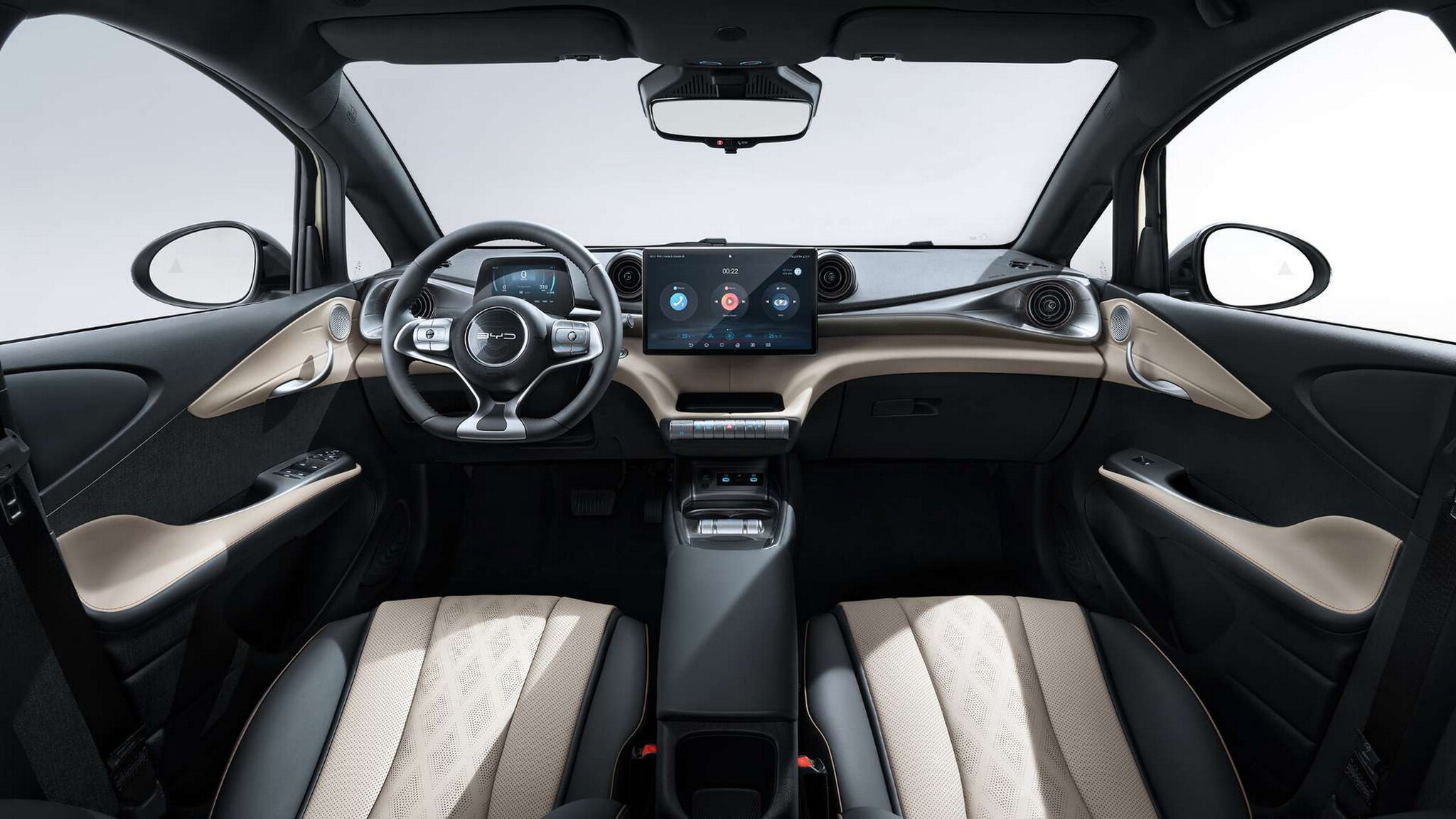
The choice between the two BYD hatchbacks comes down to how much car you need. The Surf is the budget pick, a compact supermini EV with a smaller battery and a shorter range, ideal for town and shorter commutes, and it is where the lowest monthly lives at around £219. The standard Dolphin is bigger, with a larger battery and meaningfully more range, which makes it the better all-rounder for family or longer-distance use, at a higher monthly. Neither qualifies for the grant, so the 0% finance is doing the heavy lifting on both. If you genuinely want the cheapest electric motoring, the Surf is the honest answer; if you want a proper family hatch and the 0% deal makes it affordable, the Dolphin earns its place. Compare it with a sister model in our BYD Seal versus Tesla Model 3 comparison if you are weighing the wider BYD range.
What to check before you sign
A 0% headline is attractive, but read past it. Confirm the deposit required and the optional final payment, because a 0% rate can still come with a large balloon that shapes your real cost. Check the term, since 49 months is longer than many deals and ties you in. Compare the total amount payable against a grant-eligible rival, where the grant might offset a higher price. And factor in BYD’s growing but still-developing UK dealer and service network, plus the residual-value uncertainty around newer Chinese brands, which can affect future part-exchange value. A 0% deal is genuinely good value when the deposit and balloon are reasonable; it is less of a bargain if a big final payment is hiding the real cost. Weigh a 0% rate against a deposit contribution using our finance comparison guide.
The residual-value question deserves its own look, because on a PCP it quietly sets your monthly. The optional final payment a lender sets is its best guess at what the car will be worth at the end of the term, and the higher that guess, the lower your monthly payment can be. BYD is a young brand in Britain, so the long resale record that props up an established hatchback simply is not there yet, and lenders tend to price that uncertainty cautiously. That caution can push the final payment down and the monthly up, which is part of why a 0% rate alone does not guarantee the cheapest deal. The counterweight is the Blade battery warranty we covered earlier: a pack guaranteed to hold its capacity gives the used market a reason to trust an older Dolphin, and as BYD’s UK sales history lengthens those residuals should firm up. For now, treat the final payment as the number that really shapes the deal, and if you are unsure whether you will want to keep the car, a route with no balloon to settle removes the residual gamble entirely.
Where to find the deal
Before you commit to a Dolphin on finance, run these checks.
- Configure your exact car at BYD UK and read the deposit and optional final payment, not just the 0% headline.
- Confirm the order-by date; many 0% offers require an order before 30 June 2026.
- Compare the total cost against a grant-eligible rival, factoring in the £1,500 or £3,750 Electric Car Grant the Dolphin cannot claim.
- Decide honestly between the Dolphin and the cheaper Dolphin Surf based on the range you actually need.
- Check home-charging suitability and your local public charging before buying any EV.
- Sanity-check the total amount payable with the MoneyHelper car finance guide.
Our take
Our view on BYD Dolphin finance: this is a strong, genuinely cheap way into a well-equipped mainstream EV, as long as you understand what you are buying and what you are not. You are not buying the cheapest electric car, because the Dolphin Surf and the Dacia Spring are both cheaper, and you are not getting a government grant, because BYD is shut out of it. What you are getting is a capable family hatchback made affordable by a 0% PCP that BYD uses in place of that grant. We would check the deposit and balloon carefully, compare the total cost against a grant-eligible rival, and only then decide. For a buyer who wants more than a city runabout and finds the 0% deal lands the monthly where they need it, the Dolphin is a smart buy. Just judge it on the whole deal, not the 0% badge.
Is the BYD Dolphin the cheapest electric car?
Does the BYD Dolphin qualify for the Electric Car Grant?
What is the BYD Dolphin 0% finance deal?
Should I buy the BYD Dolphin or the Dolphin Surf?
Is 0% APR on the BYD Dolphin a good deal?
Buyer action
Where to check next
Use this as the final check before paying a deposit, signing finance paperwork or relying on a headline monthly figure.