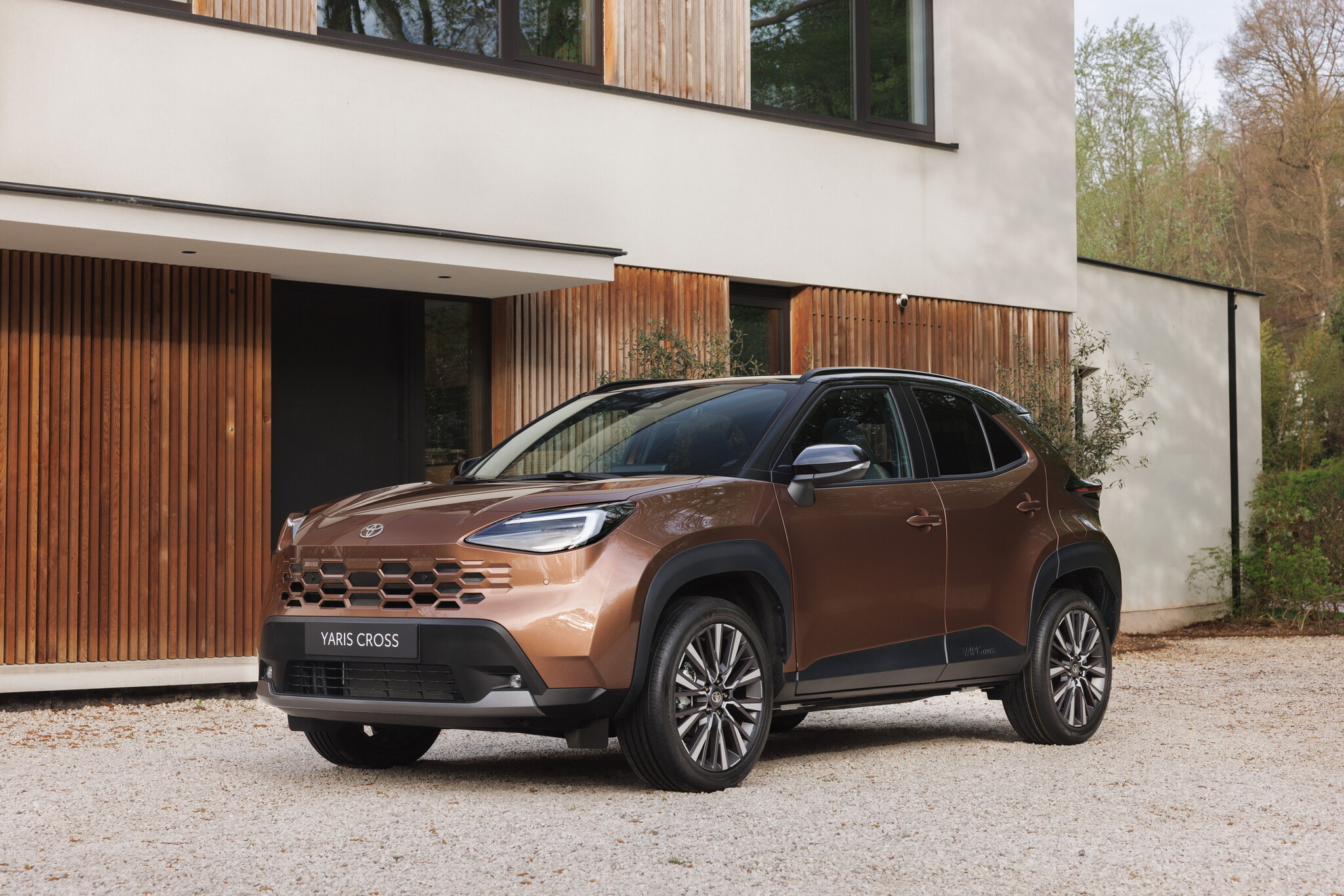
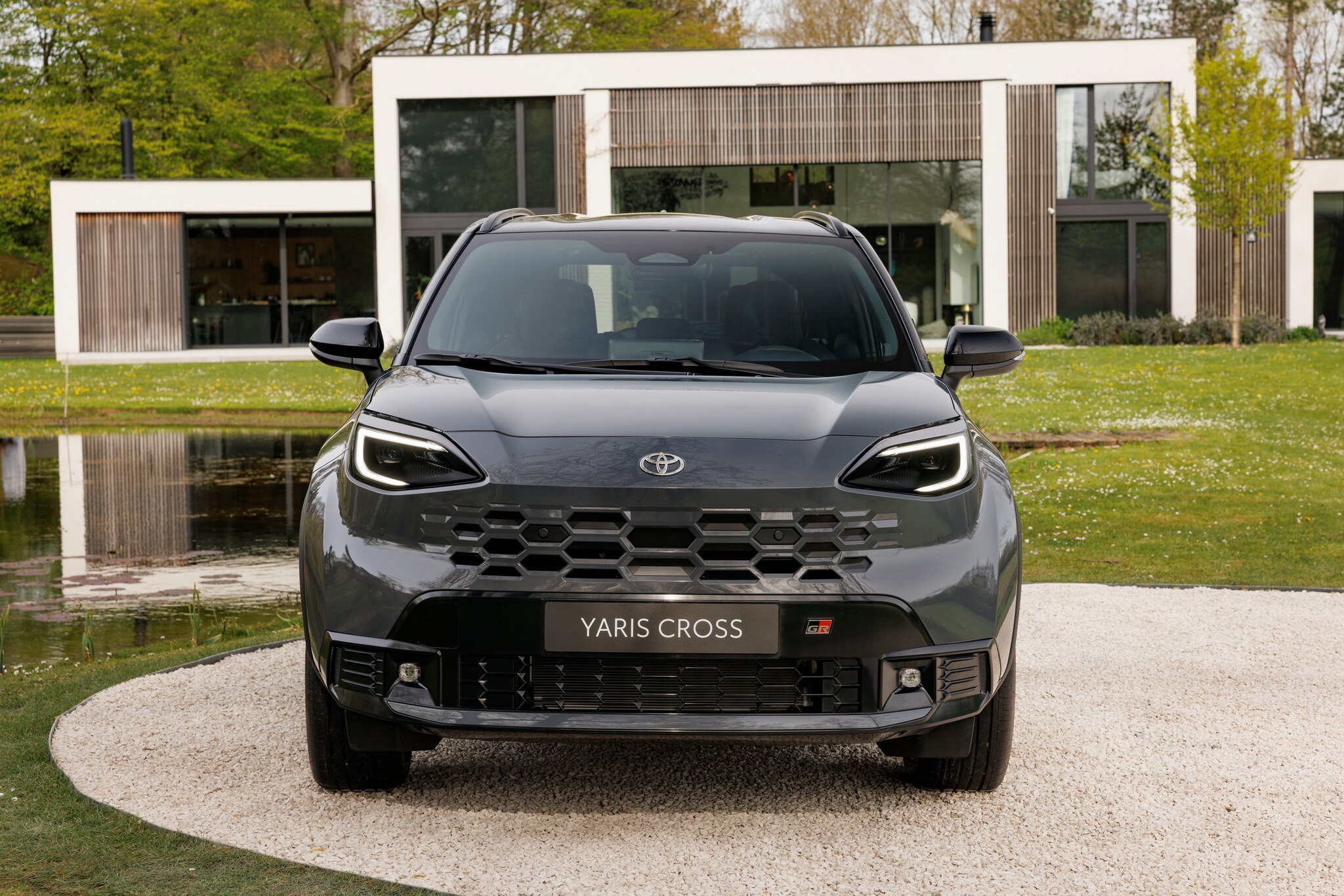
A used Toyota Yaris Cross presents one of the most counter-intuitive decisions in the car market, because it barely depreciates. UK transaction data has it retaining its value better than almost anything in its class, losing only around 20.2% over three years and 36,000 miles against a family-car average closer to 43.4%. That is brilliant news if you own one, but it scrambles the usual logic of buying used: when a car holds its value this strongly, a one to three-year-old example is only marginally cheaper than new. So the real question for a Yaris Cross buyer is not how much you save on the sticker, but what the warranty and the finance balance are worth. Here is the honest CPO maths.
The retention data (CDE data)
Drawn from a UK depreciation index built on more than 40 million vehicle transactions, plus Toyota’s approved-used and warranty terms, June 2026.
- Class-leading retention: the Yaris Cross lost just 20.2% of its value over three years and 36,000 miles, against a family-car average of 43.4%, beaten only by the Porsche Macan at 19.9%.
- Why: a proven full-hybrid powertrain, strong reliability reputation and steady demand keep used prices firm.
- The warranty: Toyota Approved Used cars get a minimum 12-month warranty, and Toyota Relax can extend cover up to 10 years or 100,000 miles, but only if you keep servicing at a Toyota dealer.
The numbers: why the Yaris Cross barely depreciates
The headline retention figure is remarkable for a mainstream small SUV. Losing about 20.2% over three years puts the Yaris Cross in company with a Porsche Macan, not its obvious rivals, and miles ahead of the roughly 43.4% the average family car sheds. The reasons are unglamorous but durable: Toyota’s full-hybrid system has a long track record for reliability, the brand sits at the top of owner-satisfaction and dependability surveys, and demand for efficient, fuss-free small SUVs stays high. Strong demand and limited reliability worry combine to hold used values up. That same strength is why you should treat a used Yaris Cross differently from a fast-depreciating rival, where the used discount does the persuading. Here, the car does not need to be cheap to be a good buy, which is the opposite of how a guide like our Lexus NX residual-value analysis reads for a pricier hybrid.
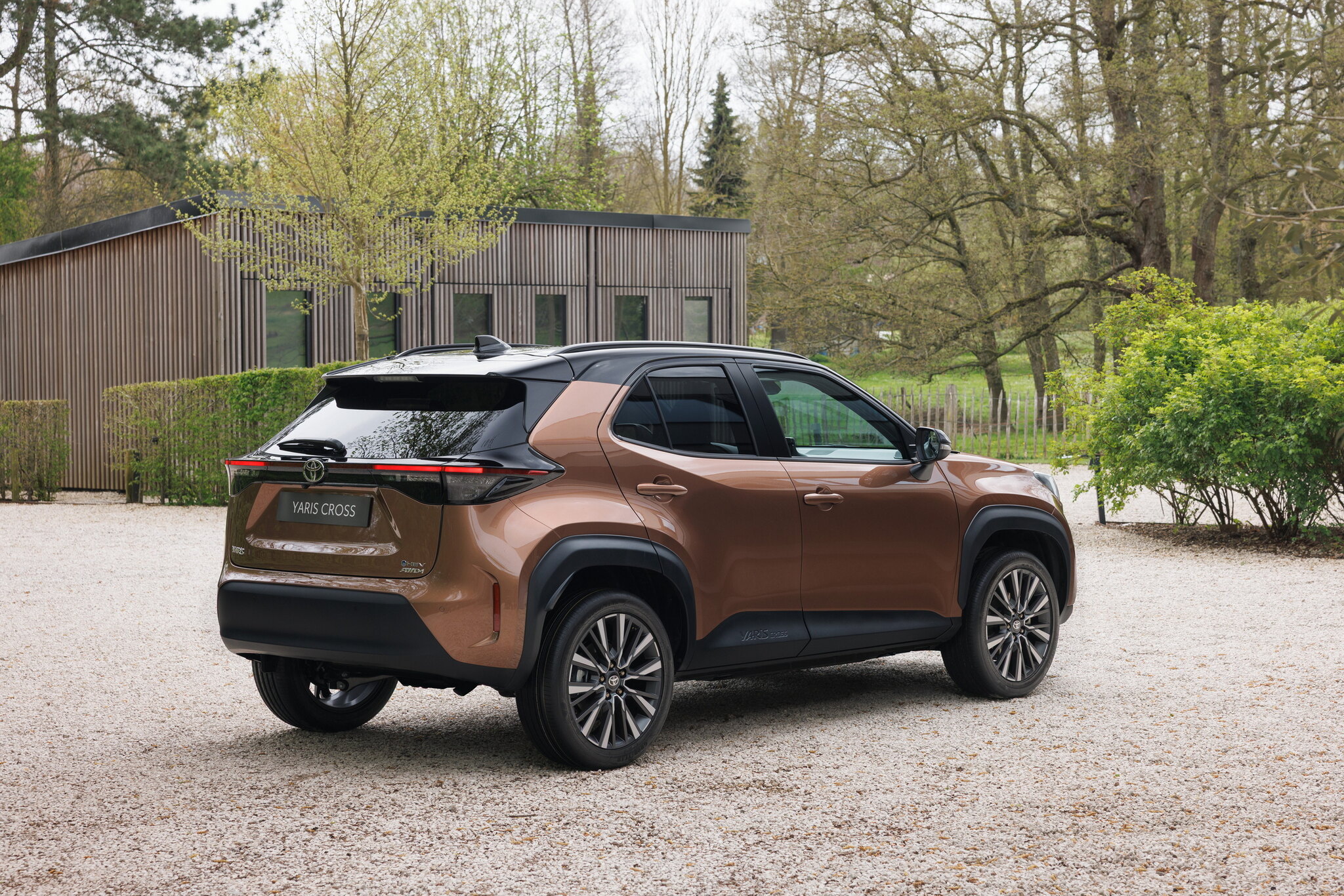
Toyota Yaris Cross used: the counter-intuitive CPO maths
Here is where buyers get caught out. With most cars, the case for buying a one to three-year-old approved-used example is the discount: you let someone else absorb the depreciation. On a Yaris Cross there is far less depreciation to absorb, so a clean used car can sit only a little below a new one, sometimes uncomfortably close once you account for the latest finance offers on new stock. That does not make used a bad choice, but it changes what you are buying it for. You are not chasing a big sticker saving; you are buying a slightly lower cash price, a shorter wait, and ideally a car still inside or eligible for Toyota’s warranty cover. We would always run the new-versus-used comparison on the exact car, because on the Yaris Cross the gap can be thin enough that a new car on a sharp finance deal occasionally wins. The same caution applies to other strong-residual cars, as our used Kia Sportage CPO guide shows.
Toyota Relax: the warranty that is not quite free
Toyota Relax is the headline reassurance, but read it properly. It can extend warranty cover up to 10 years or 100,000 miles, whichever comes first, which is exceptional for a small SUV. The catch is in the word “can”: the cover is servicing-activated, renewing for another 12 months each time the car has a qualifying service at a Toyota dealer or approved garage. Miss a service, or use an independent that does not qualify, and the rolling cover lapses. It is not a free, no-strings 10-year warranty, and describing it that way sets buyers up for disappointment. Used correctly it is genuinely valuable, effectively keeping a well-maintained Yaris Cross under warranty for as long as you service it at Toyota, which is part of why used demand and residuals stay so strong. Factor the cost of main-dealer servicing into your sums, because that is the price of keeping the cover alive.
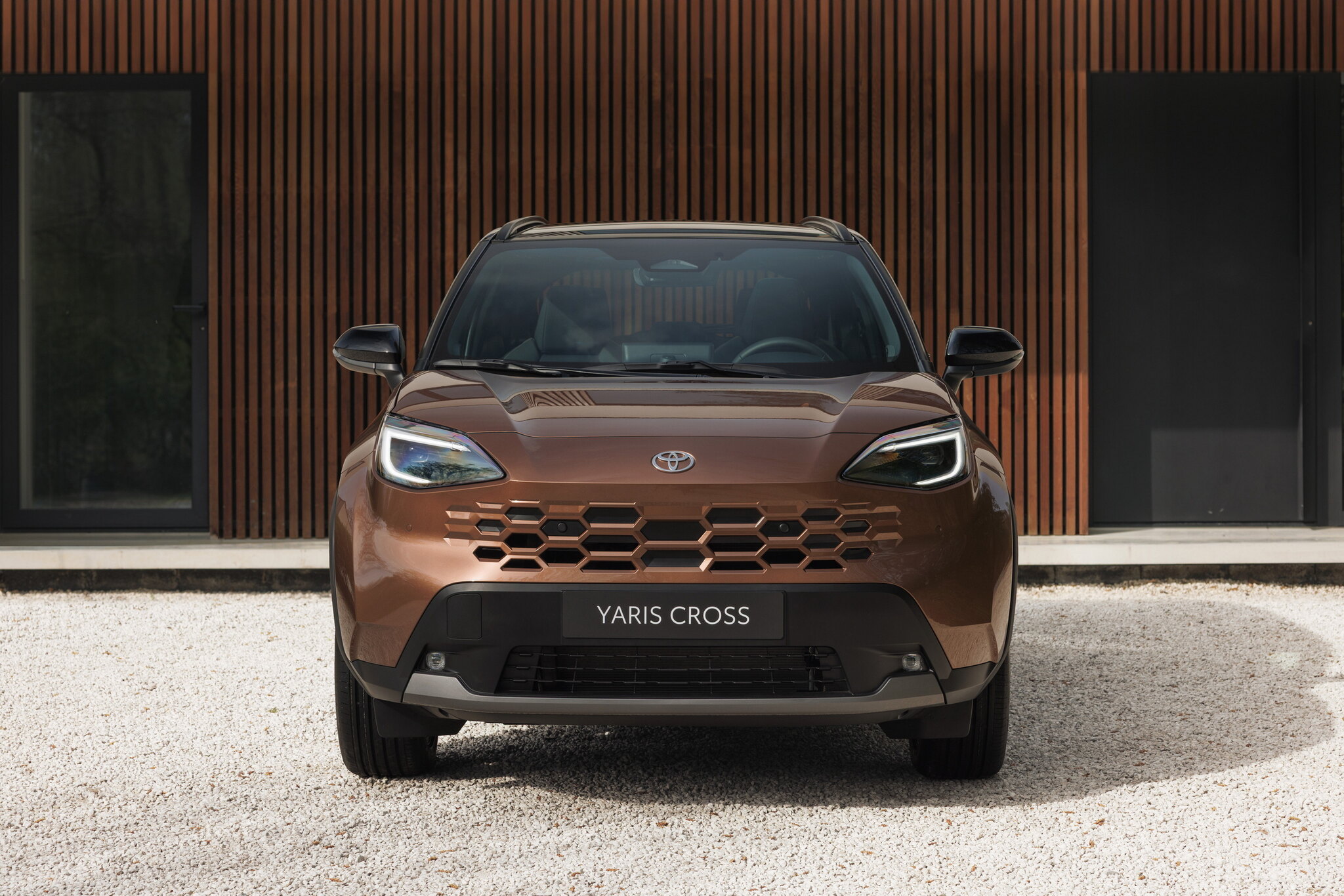
What strong residuals do to your finance
The hidden upside of slow depreciation shows up on finance. On a PCP your monthly payment covers the gap between the price and the guaranteed future value, and a car that holds its value has a high future value, so the gap you pay off is smaller and the monthly is lower. That means a Yaris Cross can be cheaper to finance than a rival with a lower list price but weaker residuals, because the rival’s larger depreciation lands in your monthly payment. It also means stronger equity at the end of a PCP, giving you a deposit for the next car or a profit if values stay firm. So even where the used cash saving is thin, the finance maths can still favour the Yaris Cross. If you are weighing how a contribution or rate affects the total, our guide to 0% APR versus a deposit contribution is worth reading alongside this.
What to check on a used Yaris Cross
Even a reliable car deserves a proper check. Confirm a full Toyota service history, because it is what keeps the Relax warranty rolling and underpins the resale value, so a car with gaps is worth less and riskier than the price difference suggests. Check the hybrid system warning lights on a test drive and confirm the 12V battery is healthy, a common small-hybrid niggle, and make sure any software updates and recalls are done. Inspect the tyres and brakes, and verify the MOT record. On a car that holds its value this well, paying a little more for a genuinely well-kept, fully-serviced example is almost always the right call, because the premium is small and the reassurance is large. Buy the history, not just the car.
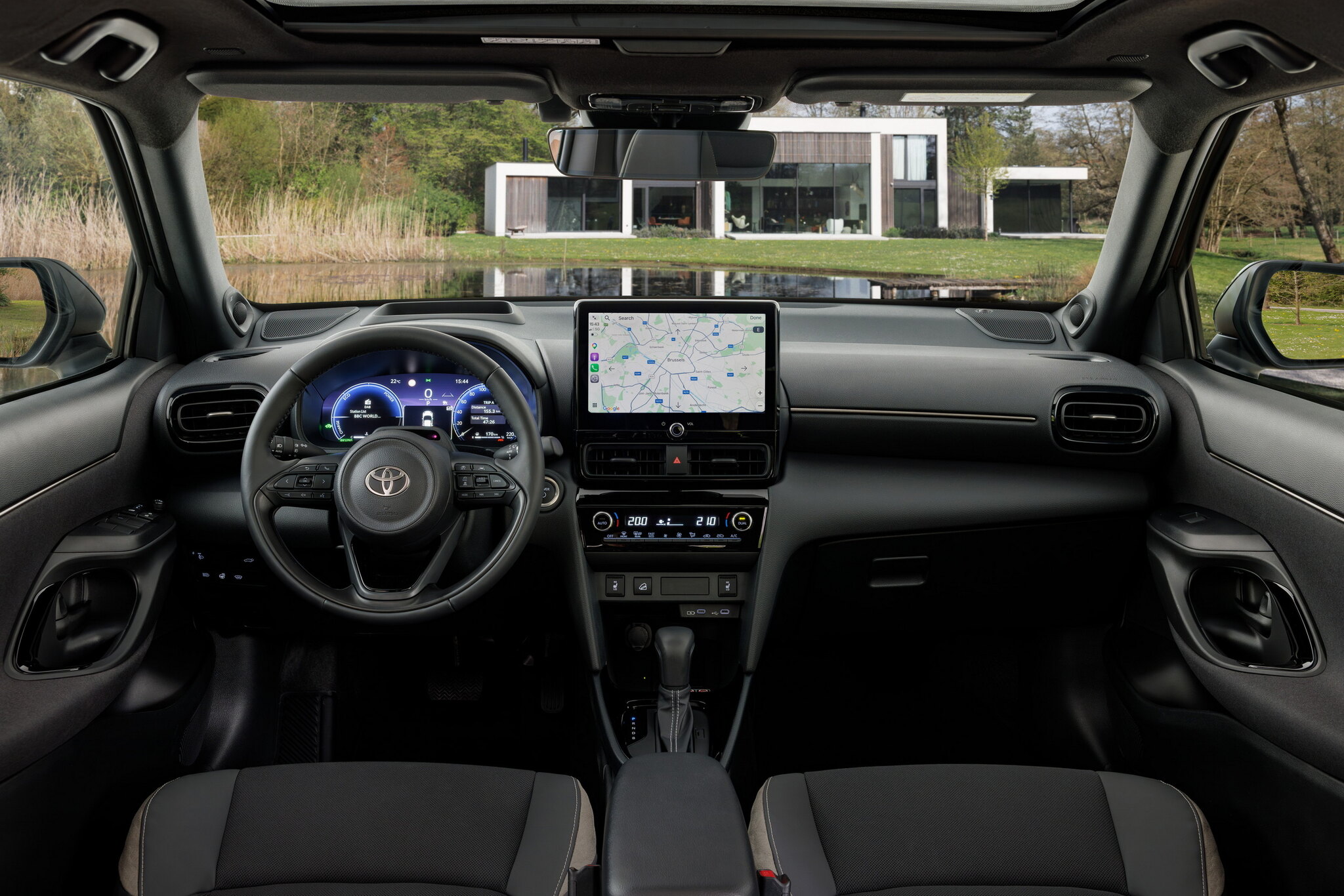
Where to buy and check a Yaris Cross
Work through these before you commit.
- Compare a Toyota Approved Used car against a new one on a current finance offer; on the Yaris Cross the gap can be small.
- Confirm a full Toyota service history so the Relax warranty keeps rolling and the resale value holds.
- Budget for main-dealer or approved servicing, since that is what keeps the extended cover alive.
- Check the MOT and service record at gov.uk MOT history and run a recall check.
- On a test drive, confirm the hybrid system and 12V battery are healthy with no warning lights.
- If financing, weigh the strong residual into the monthly, as in our hire purchase versus PCP explainer.
Our view on a used Toyota Yaris Cross: it is a genuinely excellent car to own, but do not buy it expecting a bargain-basement used discount, because its class-leading residuals mean a good used example is only a little cheaper than new. The value is real, it just lives in different places: a lower finance balance and monthly, strong equity at the end, and a rolling Toyota Relax warranty if you service it properly. We would buy the best-kept, fully-serviced car we could find, run the new-versus-used sums on the exact vehicle because the gap is thin, and commit to Toyota servicing to keep the warranty alive. Who should look elsewhere? A buyer chasing the deepest possible used saving, who will find more sticker discount on a faster-depreciating rival. For everyone who values low running costs, reliability and strong resale, the Yaris Cross is one of the smartest small SUVs you can buy, new or used.
Does the Toyota Yaris Cross hold its value?
Is a used Yaris Cross cheaper than a new one?
How does the Toyota Relax warranty work?
Why is a Yaris Cross cheap to finance?
What should I check on a used Toyota Yaris Cross?
How we researched this guide
Every pick here is shortlisted from hands-on testing and time spent living with the hardware by the CDE desk, then sanity-checked against current UK pricing, manufacturer specs and real-world performance before it makes the cut. We never rank for commission — affiliate links don't change the order.