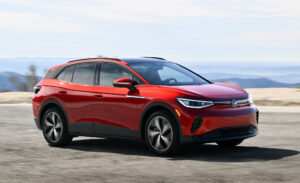
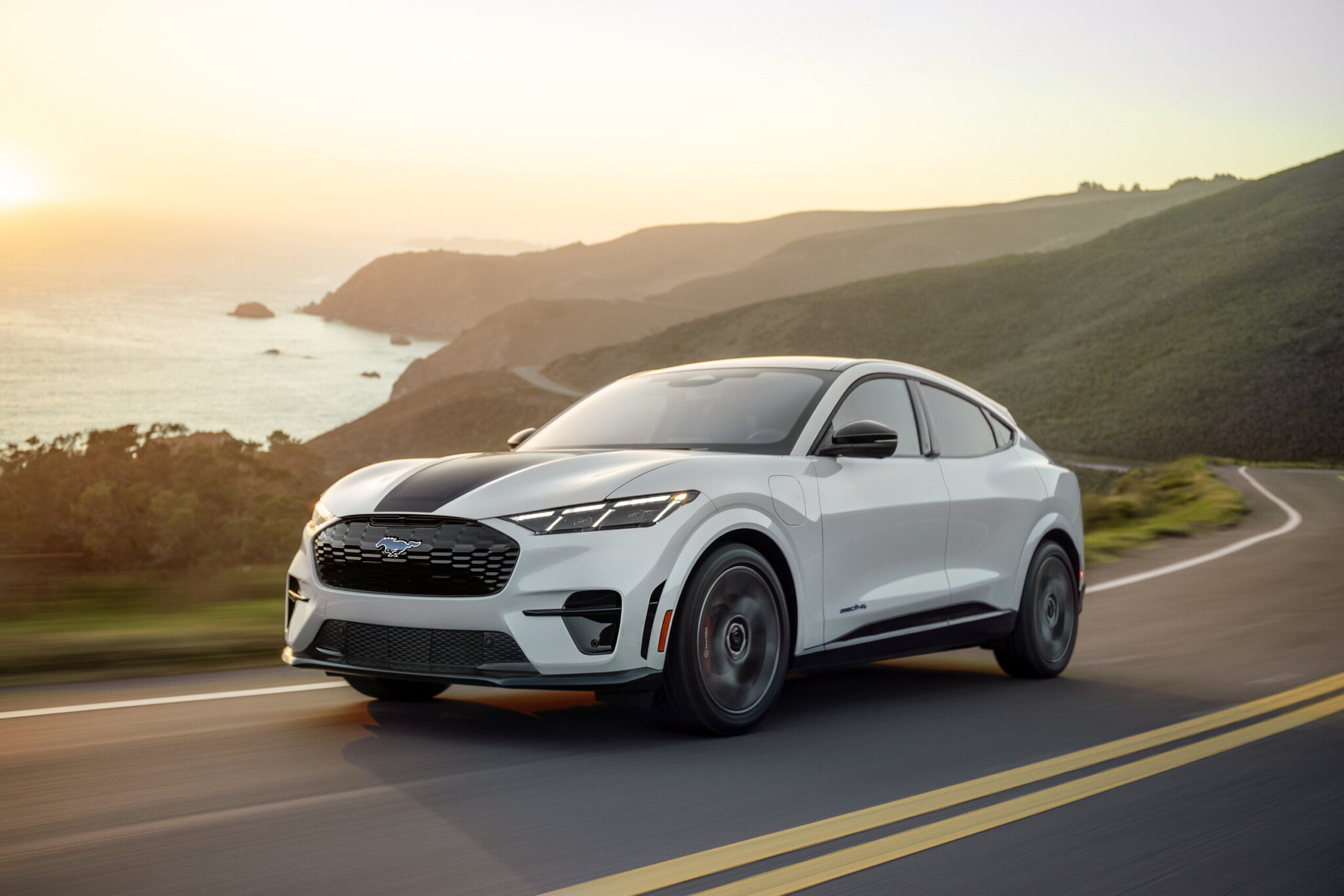
A Ford Mustang Mach-E salary sacrifice deal and a retail PCP on the same car are funded from two very different pots of money, and that single difference is the whole story. Salary sacrifice comes out of your pay before income tax and National Insurance, with the electric benefit-in-kind taxed at just 4% for 2026/27. A PCP is paid from money you have already been taxed on. For a higher-rate taxpayer with access to a workplace scheme, that gap can make the Mach-E meaningfully cheaper to run on sacrifice than on finance, but it is not automatic, and PCP wins in real cases. Here is the head-to-head, with the numbers shown rather than asserted.
The two routes at a glance (CDE data)
Pricing from Ford’s UK list effective 1 April 2026; tax rate read from the CDE rates source-of-truth and confirmed against HMRC, June 2026.
- The car: Mach-E Select RWD from about £50,840, Premium RWD around £59,390, Premium AWD about £65,415 and GT AWD around £74,550.
- The tax difference: salary sacrifice saves income tax and National Insurance on the gross amount; the only tax back is the 4% benefit-in-kind (2026/27), rising to 9% by 2029/30. A PCP gets no such relief.
- The honest caveat: sacrifice needs an employer scheme and suits taxpayers; for a non-taxpayer or someone outside a scheme, PCP can be the better or only route.
Ford Mustang Mach-E salary sacrifice: why the tax does the work
On salary sacrifice you give up part of your gross salary for the car, usually with insurance, servicing and tyres included, and because the deduction happens before tax and National Insurance you save both. The car itself is then taxed only on the small benefit-in-kind. Per HMRC’s company-car tax rules, a fully electric car is taxed at 4% of its P11D value in 2026/27. On a Mach-E Select with a P11D of roughly £50,840 that is a taxable benefit of about £2,034 a year, so a higher-rate taxpayer pays around £68 a month in benefit-in-kind, and a basic-rate taxpayer about £34. That is the only car-related tax you pay, and it is dwarfed by the income tax and NI you avoid on the gross sacrifice. The mechanics are identical across EVs, as our BMW iX salary-sacrifice maths shows.
How retail PCP differs, and where it wins
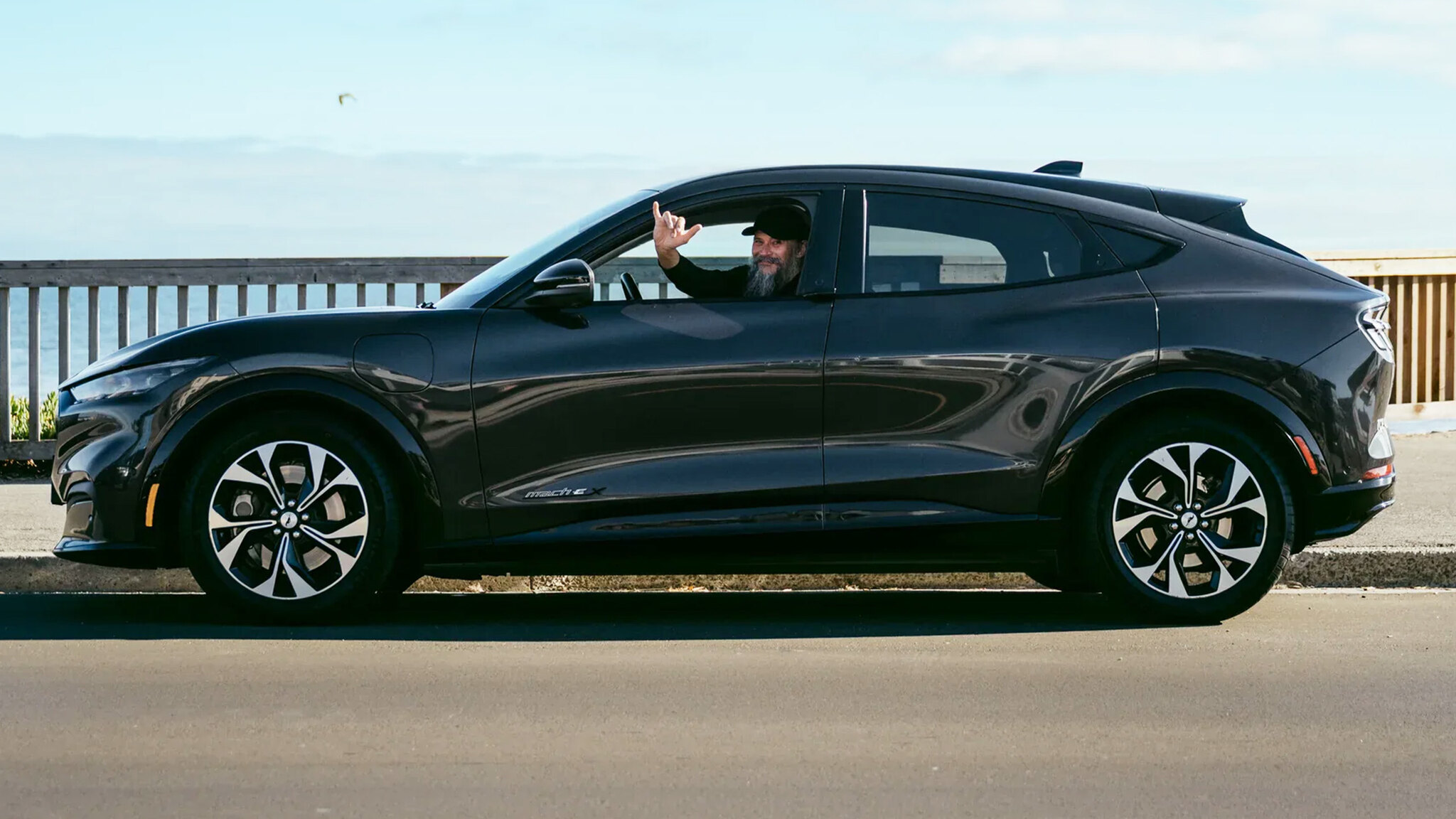
A personal contract purchase is the conventional route: a deposit, monthly payments and an optional final balloon, all paid from your net, already-taxed income. It buys you flexibility that sacrifice does not. You can keep the car at the end by paying the balloon, you can build equity if values stay strong, and crucially you do not need an employer scheme or even to be a taxpayer to use it. For a Mach-E, recent retail offers have run from around £450 a month on a Select up to well over £700 on the GT, depending on deposit and term. What PCP does not give you is tax relief, and it does not usually bundle insurance, servicing and tyres, so compare like with like. If you plan to own the car long term, our explainer on hire purchase versus PCP is worth a read alongside this.
Head-to-head: the worked numbers
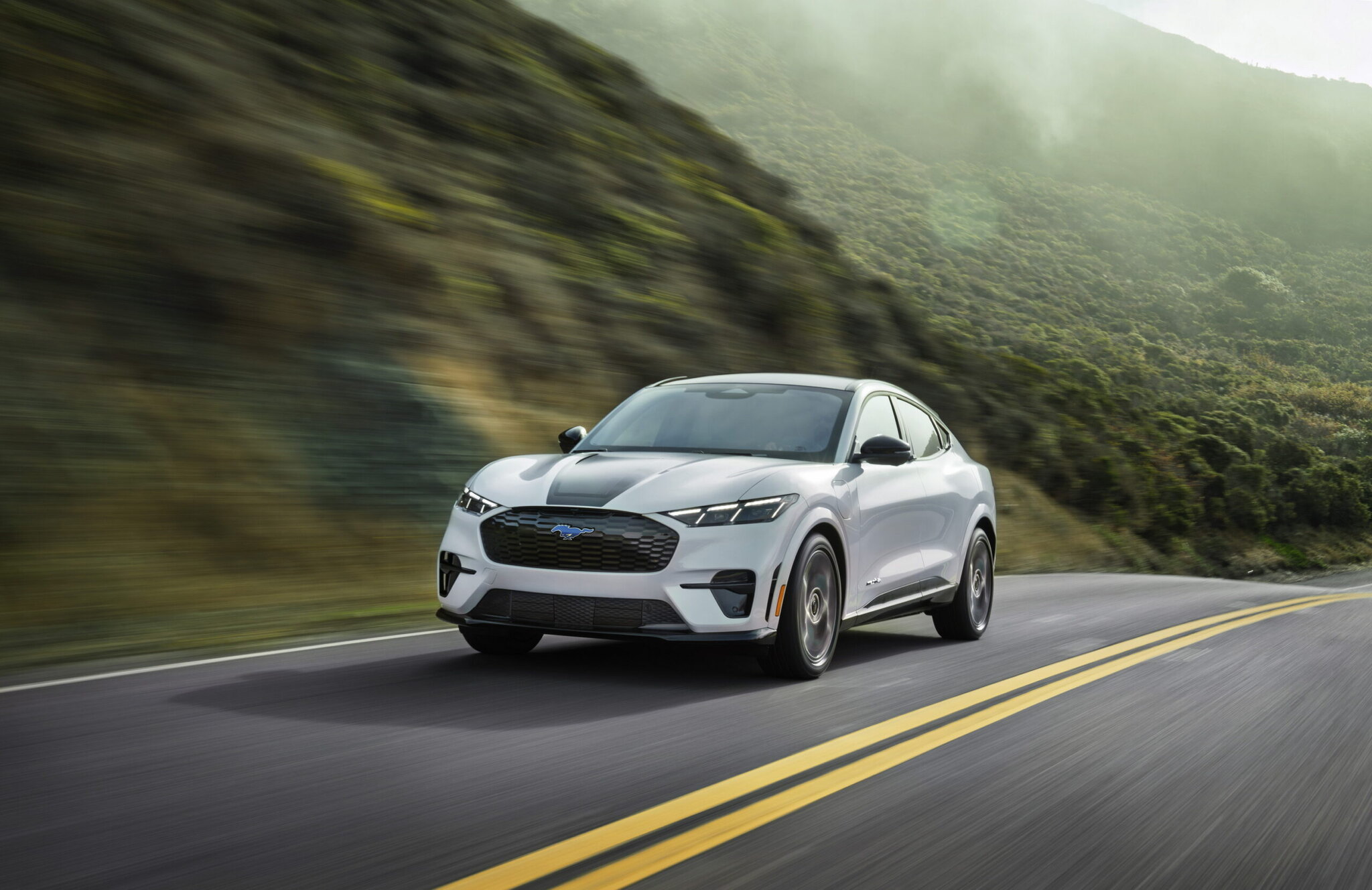
The table compares the two routes for a higher-rate (40%) taxpayer on a Mach-E Select, using an illustrative £700 gross monthly sacrifice (your scheme’s quote will differ) against a representative retail PCP. Sacrifice bundles insurance, servicing and tyres; the PCP figure does not.
| Criteria | Salary sacrifice | Retail PCP |
|---|---|---|
| Paid from | gross (pre-tax) salary | net (taxed) income |
| Tax relief | income tax + NI on the sacrifice | none |
| Car tax | 4% BiK, about £68/mo | not applicable |
| Bundled costs | insurance, servicing, tyres usually included | not included |
| Approx net monthly | about £475 (40% taxpayer) | about £450 to £520 plus running costs |
| Own it at the end | no, returned | yes, via the balloon |
Read the net monthly row carefully, because the two columns are not measuring the same thing. The sacrifice figure already swallows the Mach-E’s insurance, servicing and tyres, while the PCP figure is the finance payment alone, so a fair comparison adds perhaps £80 to £150 a month of running costs to the PCP side before you judge it. Provider quotes published in spring 2026 put a new Mach-E on sacrifice from roughly £481 a month for a basic-rate taxpayer and about £440 for a 40% taxpayer, with three-year savings against a personal lease cited in the £4,500 to £8,900 range depending on your bracket. The catch sits on the ownership row. A PCP leaves you holding the Mach-E’s residual value as a real asset at the balloon point, which matters because Ford’s electric SUV has held up better than many early EVs; sacrifice hands that upside to the scheme. Set the bundled saving against the lost equity and the clawback risk if you leave mid-term, and you have the genuine trade rather than a single misleading monthly number.
The Mach-E range and pricing that drive both
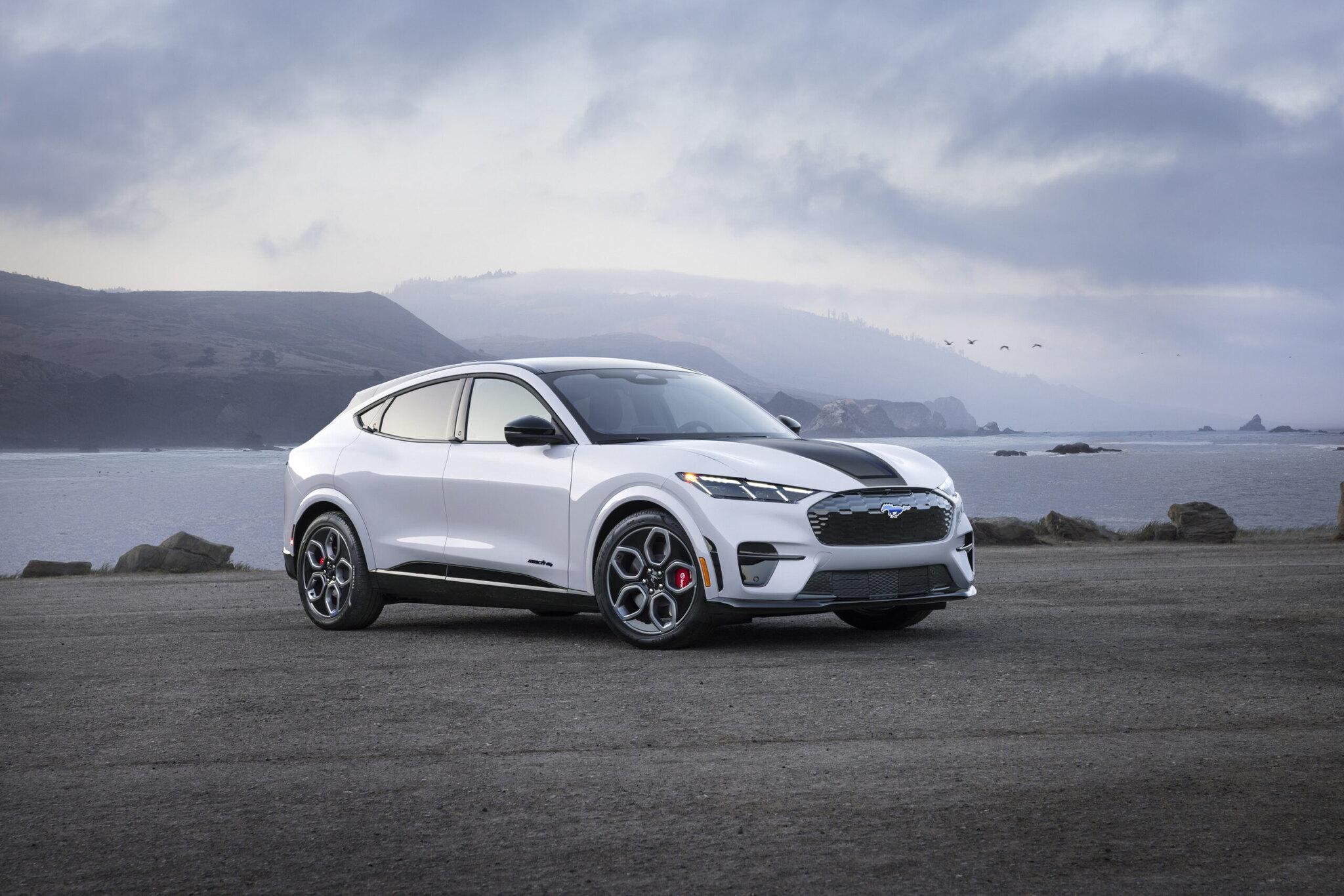
Ford refreshed its Mach-E price list on 1 April 2026, so the figures are current. The Select RWD opens the range at about £50,840 with the smaller battery, the Premium trims add range and kit at around £59,390 for RWD and £65,415 for AWD, and the GT AWD tops it at roughly £74,550. The higher you climb, the bigger both the sacrifice and the PCP monthly become, but the 4% benefit-in-kind stays proportional, so the tax advantage of sacrifice actually grows in pounds on the pricier cars. That is worth knowing if you are tempted by a Premium or GT: the more expensive the EV, the more a salary-sacrifice scheme tends to flatter it against retail finance, because the relief scales with the cost while the BiK stays low.
Trim choice also feeds back into which funding route suits you, because range and residual behave differently on each. The Extended Range RWD variants are reviewed at up to roughly 370 miles on a charge, and that long-legged battery is exactly the version sacrifice flatters most: the bundled insurance and the 4% benefit-in-kind shrug off the higher list price, so you reach the most usable Mach-E for a modest jump in net monthly cost. PCP rewards a different instinct. If you intend to keep the car past the balloon, a trim that holds its value protects the equity you are buying, and the Mach-E’s stronger residuals make the GT or a well-specced Premium a more defensible purchase than a heavily discounted entry car. Mileage matters here too: sacrifice schemes lock an annual allowance into the quote, whereas a PCP lets you keep the car and run unlimited miles once the balloon is paid, which favours a high-mileage Mach-E driver who would otherwise face excess-mileage charges.
Who should pick which
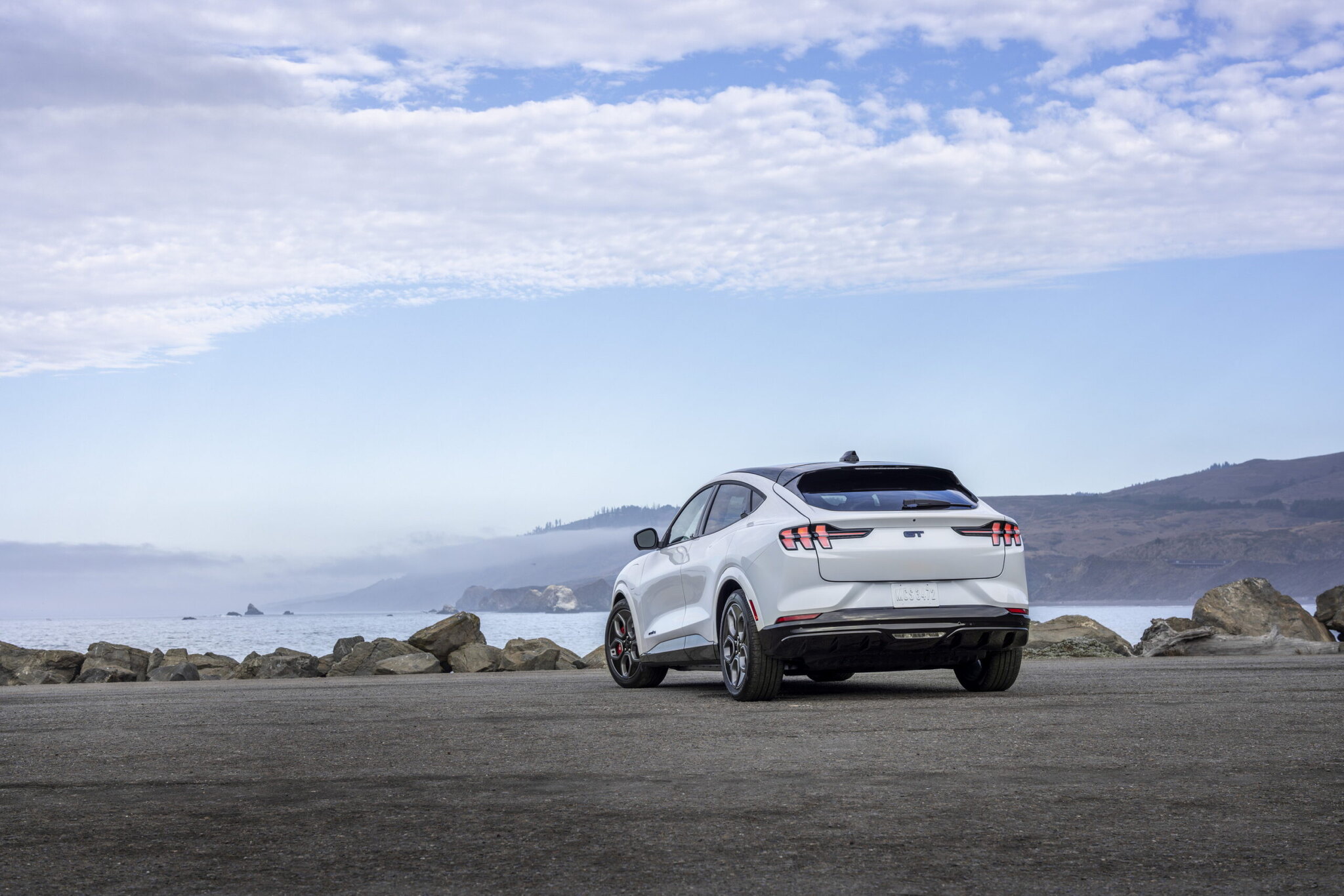
The decision is mostly about your tax position and your access to a scheme. If you are a higher or additional-rate taxpayer with a workplace salary-sacrifice scheme, can charge at home and are comfortable not owning the car at the end, sacrifice is usually the cheaper, simpler route once you count the bundled insurance and servicing. If you are a basic-rate taxpayer the gap narrows, and if you are a non-taxpayer, have no scheme, or want to own the car and keep mileage flexible, PCP is the better fit. Job security matters too, because leaving an employer mid-scheme can cost you the car. Run your own employer quote against a real PCP offer rather than trusting a rule of thumb, and factor in the later-year benefit-in-kind steps using our 2026/27 company-car tax guide.
Where to check before you decide
Compare the two routes properly before committing.
- Get your employer scheme’s exact sacrifice quote for your chosen Mach-E, noting what is bundled in.
- Get a real PCP quote for the same car and add the insurance, servicing and tyres the sacrifice includes, so you compare like with like.
- Confirm the current EV benefit-in-kind rate on gov.uk and the later-year steps.
- Check the pension, mortgage affordability and statutory-pay impact of reducing your gross salary.
- On PCP, weigh a deposit contribution against a low rate with our 0% APR versus deposit contribution guide.
- If you might leave your job during the term, read the early-exit terms before signing a sacrifice agreement.
Our take
Our view on Ford Mustang Mach-E salary sacrifice versus PCP: for a higher-rate taxpayer with a scheme, sacrifice usually wins, and the advantage grows the pricier the Mach-E, because the relief scales while the 4% benefit-in-kind stays small. We would take sacrifice on a Premium or GT if we could charge at home and did not mind handing the car back. But we would not pretend it is always the answer: a basic-rate taxpayer, a non-taxpayer, anyone without a scheme, or a driver who wants to own the car and keep mileage open is often better on PCP. The right call is the one your own employer quote and a real finance offer produce when compared like for like, including the bundled running costs. Do that arithmetic, and the Mach-E is a strong choice either way.