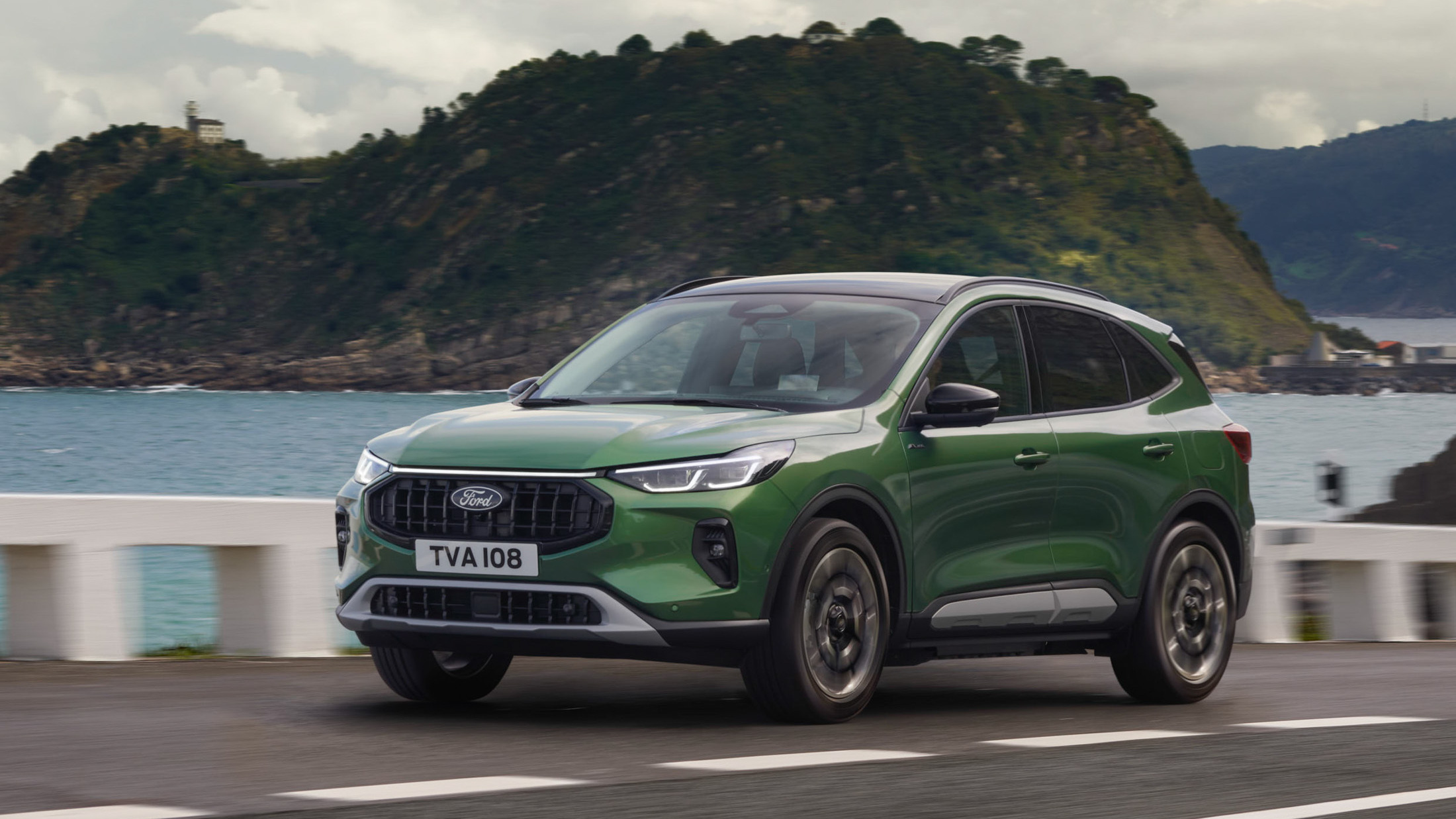
Ford Kuga PHEV running costs are the reason this car keeps selling, and the reason buyers keep getting burned by the brochure. Ford quotes 201.8mpg on the WLTP cycle, yet a real owner who never plugs in sees closer to 43mpg on a motorway run. This guide builds the honest pounds-and-pence case for a 20% and a 40% taxpayer, sorts out the company-car tax band Ford and the internet disagree on, and tells you the one habit that decides whether the Kuga saves you money or quietly costs you more than a diesel.
What real owners say (CDE data)
CDE cross-referenced the published real-world economy tests from Parkers and GreenCarGuide, Honest John owner Real MPG commentary on the Kuga PHEV, and Ford’s own homologated figures from the April 2026 UK price list, reviewed 11 June 2026. The picture across those sources is consistent rather than flattering.
- Most-praised aspects: low company-car tax versus an equivalent diesel, near-silent town running on battery, and a genuine 34 to 35 real-world electric miles that covers most commutes.
- Most-criticised aspects: economy collapses once the battery is flat, the brochure mpg is unreachable, and charging at home is only cheap if you actually have a wallbox and an off-street space.
- Reliability signal: reviewers report no recurring powertrain alarm on the 2.5 PHEV, with the common owner gripe being expectations, not faults; treat the 201.8mpg figure as a lab number, not a target.
Ford Kuga PHEV running costs: the 201.8mpg myth decoded
Ford’s headline 201.8mpg is a WLTP plug-in hybrid figure, measured with a full battery at the start of the test. A plug-in starts the cycle on cheap electric miles, so the petrol it burns over the remaining distance is divided into a tiny fuel total, and the mpg number balloons. It is not a lie, but it describes a car that has just been unplugged from a full charge, not the one you drive on day three of a busy week. Parkers’ own running-costs testing records around 60.6mpg over a mixed week and roughly 43mpg at a steady 70mph with the battery depleted, while Carwow notes around 40mpg on the motorway flat. Those are the numbers to budget against.
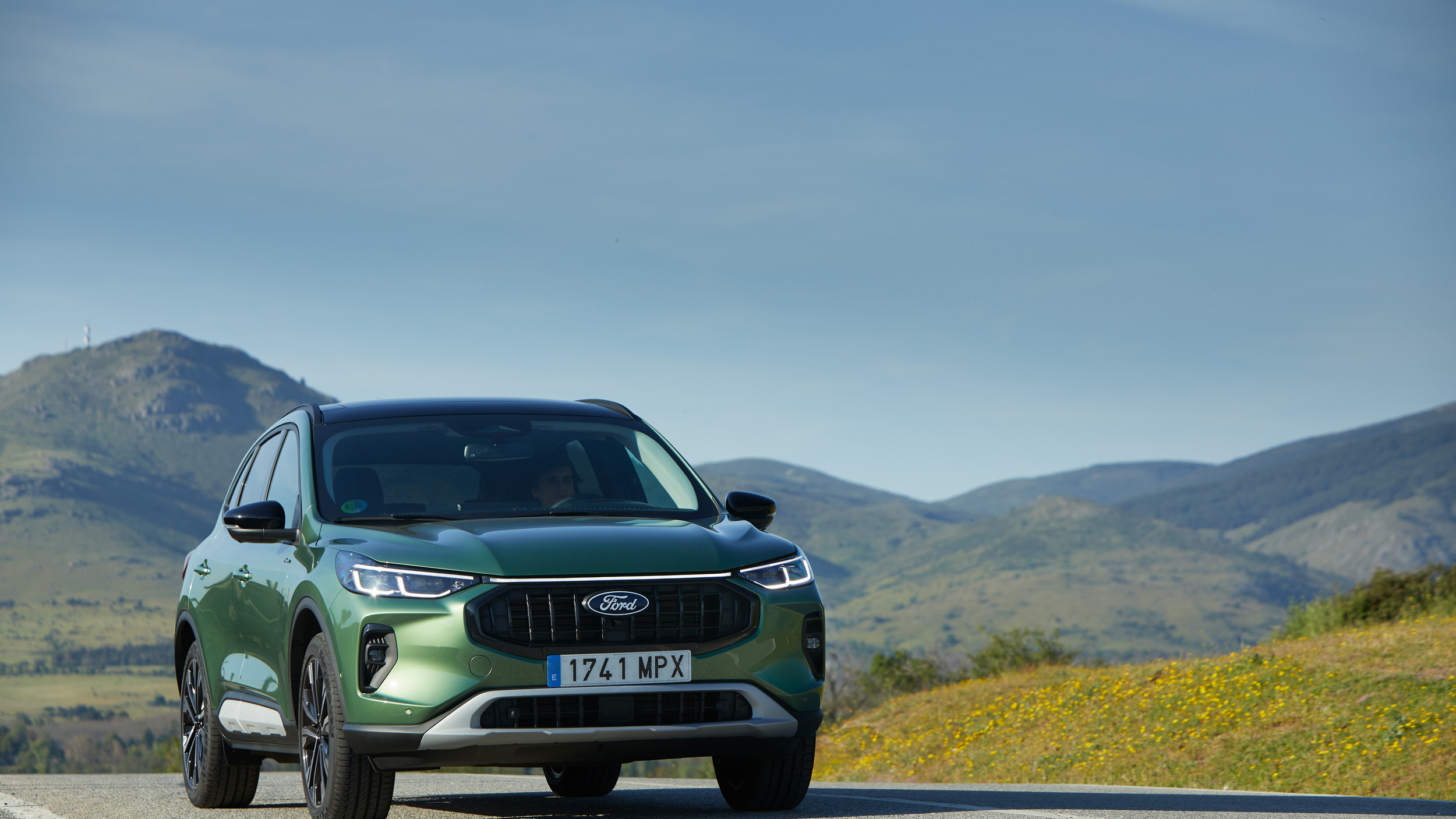
The honest summary is that the Kuga PHEV behaves like two different cars. Charged nightly and used for short hops, it runs on electricity for 34 to 35 real miles and the petrol engine barely wakes up. Left uncharged, it is a 1.8-tonne petrol SUV carrying a heavy battery, and it returns roughly what a sensible petrol family SUV would, sometimes a touch less on a long motorway slog. If that second car is the one you will actually own, a self-charging full hybrid Kuga or a diesel rival may suit you better, a trade-off we set out in our look at how used PHEVs and EVs really compare on cost.
Company-car tax: why the band is 10%, not 8%
This is where most online write-ups get the Kuga PHEV wrong, and it matters because it swings the monthly cost by about a quarter. The car emits 23g/km of CO2 and has a WLTP electric range of up to 42 miles, which places it in the 1 to 50g/km band with a 40 to 69 mile electric range. According to HMRC’s company-car appropriate-percentage tables (Appendix 2), reviewed 11 June 2026, that band carries a 10% appropriate percentage for the 2026/27 tax year, rising to 11% in 2027/28. Ford’s own configurator quotes 10%, and Ford is correct.
The 8% figure you will still see quoted is the outdated 2024/25 rate for the same band, before the plug-in percentages stepped up by one point a year. If a salary-sacrifice broker or a forum post tells you the Kuga sits at 8%, they are reading a stale table, and your tax bill will be higher than they promised. A 30 to 39 mile electric range would be worse again at 14% for 2026/27, so confirm the homologated electric range on the exact trim you order, because a lower figure pushes you into a costlier band. For context on how full electric cars escape this entirely, our explainer on company car tax for 2026/27 shows the EV band sitting at just 4%.
The pounds-per-month case for a 20% and 40% taxpayer
Here is the working, because a flat monthly figure with no method behind it is worthless. The benefit-in-kind charge is P11D value multiplied by the appropriate percentage, then by your marginal income-tax rate. The entry Kuga PHEV starts from £40,555 on the road; stripping out the items HMRC excludes leaves a P11D value of roughly £40,500. At the confirmed 10% band that is a taxable benefit of £4,050 a year. The table below runs that through both common tax rates.
| Figure | 20% taxpayer | 40% taxpayer |
|---|---|---|
| P11D value (entry PHEV) | £40,500 | £40,500 |
| BiK band 2026/27 (40-69 mi range) | 10% | 10% |
| Taxable benefit | £4,050 | £4,050 |
| Company-car tax per year | £810 | £1,620 |
| Company-car tax per month | about £68 | about £135 |
| If you wrongly used 8% | about £54/mo | about £108/mo |
So a higher-rate taxpayer pays around £135 a month in company-car tax on the entry Kuga PHEV at the correct band, not the £108 the stale 8% figure implies. On a higher trim near £42,965 the 40% figure rises to roughly £143 a month. That is still far below the tax on an equivalent petrol or diesel Kuga, which sits in a much higher CO2 band, and it is the heart of the Kuga PHEV’s appeal as a company or salary-sacrifice car. If you are weighing this against going fully electric on payroll, the maths shifts again, as our breakdown of salary-sacrifice EV hidden costs sets out.
Ford Kuga PHEV running costs: fuel and charging break-even
The 14.4kWh battery gives 34 to 35 real electric miles and takes about 3.5 hours on a 7kW home wallbox, or five to six hours on a three-pin socket. Charge it on a typical off-peak home tariff and those miles cost a few pence each, comfortably cheaper than petrol. The trouble is the comparison only works if you can plug in. With no home charger, you are paying for the petrol economy above, around 43 to 60mpg, plus carting a heavy battery you never use, and a self-charging hybrid would have been the smarter buy.
The break-even is blunt: the Kuga PHEV makes financial sense when most of your weekly miles can be done on electricity from a home charger, and when the low 10% company-car tax is doing the heavy lifting. For a cash buyer with no wallbox and a long motorway commute, the sums are weaker, and a diesel or a full hybrid may cost less to run overall. Insurance is another line item worth pricing early, because plug-in SUVs do not always sit in friendly groups; our guide to how car insurance groups are set explains what drives the quote.
Where the Kuga sits in the 2026 market
The facelifted Kuga is not a fading model. It finished ninth in the UK new-car registrations for February 2026 with 1,286 units, keeping it firmly in the SMMT top ten, and the PHEV is a core part of that volume. The 2.5-litre petrol and electric motor combine for 243PS and a 7.3-second 0 to 62mph time, with towing up to 2,100kg, so it is a usable family tool rather than an eco penance. Prices for the plug-in run from £40,555 on the road up to around £42,965 for higher trims, per Ford’s April 2026 UK list.
What the Kuga PHEV is not is a default. Its strength is the combination of a low 10% company-car band, real electric commuting range and mainstream practicality, which is a genuinely strong package for a salaried buyer with a driveway. Its weakness is that the headline economy evaporates without discipline at the plug. Cross-shop it against the Toyota RAV4 PHEV on running costs before you sign, because the right answer depends almost entirely on how, and how often, you will charge.
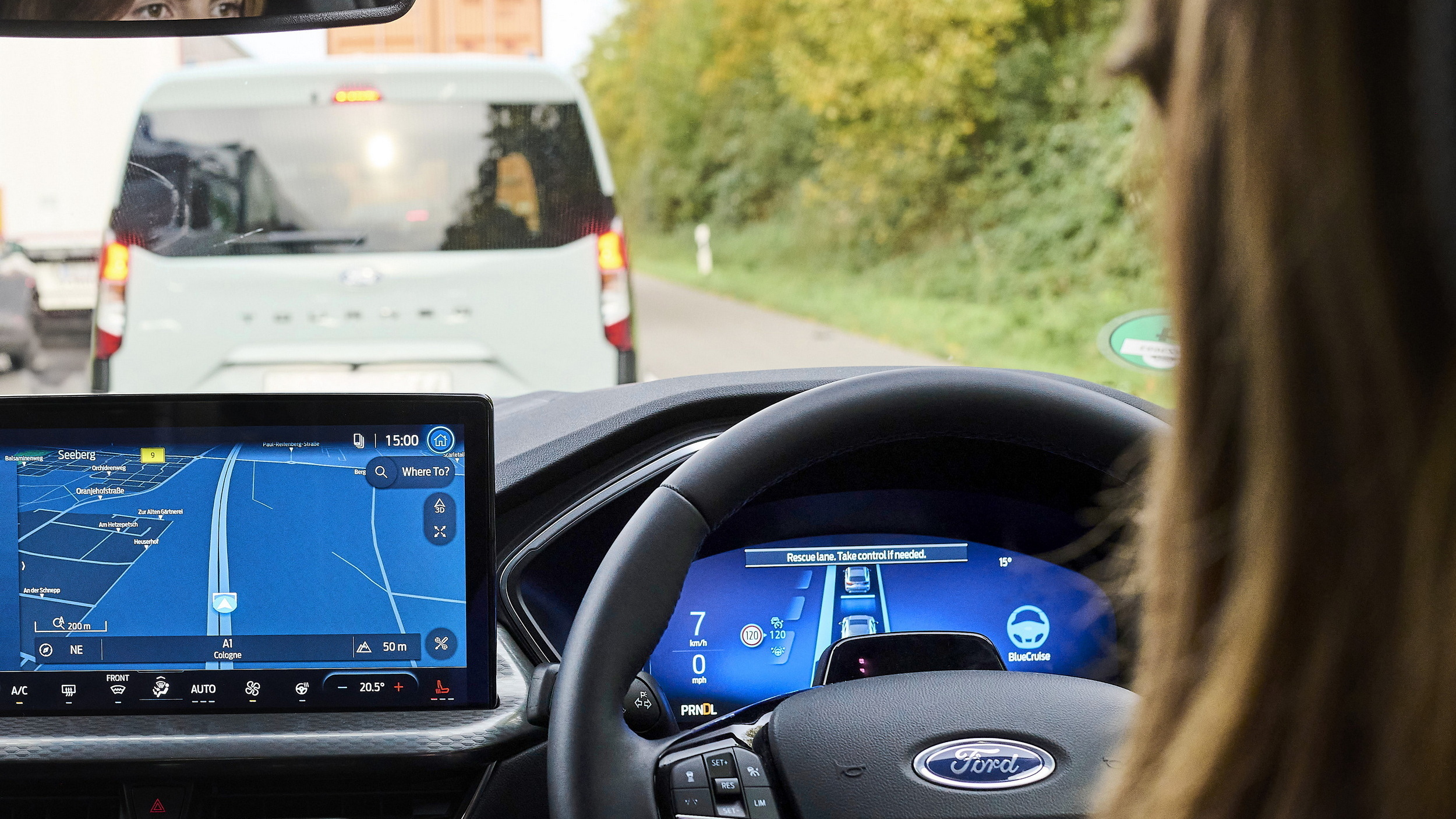
For a sense of how the cabin tech and assisted-driving systems behave on a real UK road, What Car?’s drive of the current car is a useful watch before you book a test drive.
Our view on Ford Kuga PHEV running costs is simple: this is a clever company-car or salary-sacrifice choice and a mediocre cash-buyer choice, and the deciding factor is your driveway. If you can charge at home overnight and your commute fits inside 34 real electric miles, the low 10% benefit-in-kind band and near-free electric miles make it one of the cheapest family SUVs you can run through payroll in 2026. If you cannot plug in, ignore the 201.8mpg headline entirely and budget for 43 to 60mpg petrol economy plus the weight penalty of a battery you are not using; a self-charging hybrid or diesel will likely cost less. Whatever a broker tells you, the 2026/27 tax band is 10%, not 8%, so price the higher figure and treat anyone quoting 8% as working from a stale table. Buy it for the tax and the home-charging maths, not for the brochure mpg.
Before you order or sign: the checks that matter
- Confirm the homologated WLTP electric range on your exact trim against the Ford UK Kuga pages; 40-plus miles keeps you in the 10% band, under 40 pushes you to 14%.
- Check the live appropriate percentage for your CO2 and range on gov.uk Appendix 2 before accepting any quoted monthly tax figure.
- Be honest about home charging: no wallbox and no off-street parking usually kills the PHEV cost case.
- Read the real-world economy expectations in Parkers’ Kuga running-costs review, not the WLTP headline.
- If buying on finance, sense-check the advertised rate against the lender’s own page, as our piece on representative APR versus your real rate explains.
Can the Ford Kuga PHEV really do 201.8mpg?
What is the Ford Kuga PHEV company-car tax band for 2026/27?
How much company-car tax will I pay on a Ford Kuga PHEV?
Is the Kuga PHEV worth it without a home charger?
How far does the Ford Kuga PHEV go on electric power?
Buyer action
Where to check next
Use this as the final check before paying a deposit, signing finance paperwork or relying on a headline monthly figure.