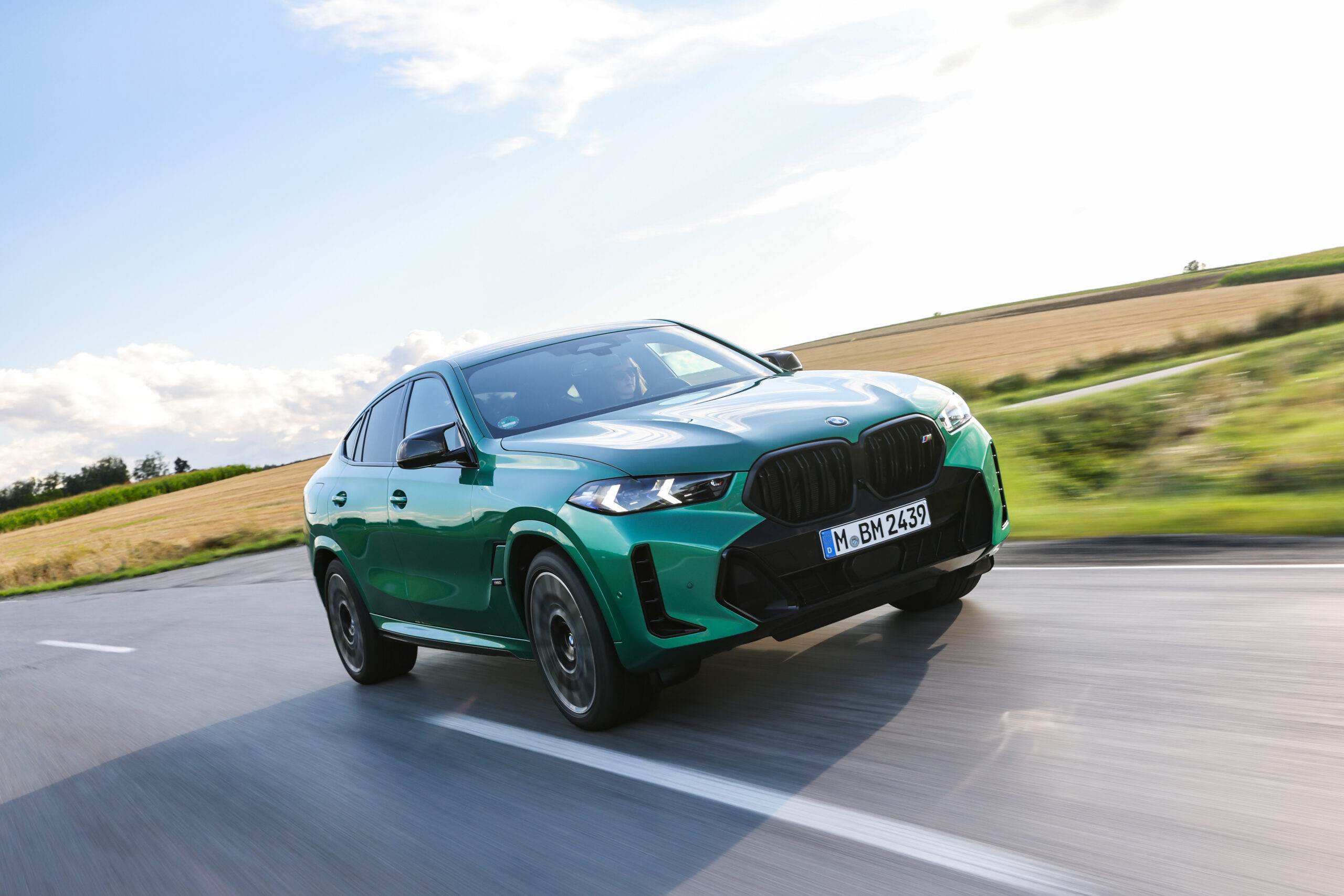
BMW X6 M60i running costs are the part of the brochure nobody reads out at the handover, and they are the numbers that decide whether this 530hp V8 coupe-SUV is a smart buy or an expensive lesson. We have pulled together the fuel, insurance, road tax and depreciation figures a UK owner actually faces, and the short version is blunt: the car is wonderful, the residual curve is brutal, and how you pay for it matters more than the badge on the bonnet.
What real owners say (CDE data)
For this running-cost picture we read owner threads on PistonHeads and the BMW X-series forums alongside published UK depreciation and VED data from What Car? and gov.uk, checked in June 2026. The pattern is consistent across owners rather than a single survey.
- Most-praised aspects: the S68 twin-turbo V8 itself, the cross-country pace, and the refinement at a motorway cruise.
- Most-criticised aspects: real-world fuel economy in the low-to-mid 20s mpg, the size of the first depreciation drop, and option-heavy used cars that cost a fortune new but add little on resale.
- Reliability signal: no headline pattern fault reported by owners on the facelifted M60i, with the recurring complaint being cost of consumables (tyres, brakes, fuel) rather than breakdowns. Always run a free DVSA recall check on the registration before you commit.
What the BMW X6 M60i actually costs to feed
The M60i runs a 4.4-litre twin-turbo V8 with mild-hybrid assistance, quoted by BMW UK at 530hp in the facelifted (2024-on) car; the earlier pre-facelift M60i produced around 523hp. Either way you are carrying a 2.1-tonne SUV with a thirsty petrol V8, and the fuel bill behaves accordingly. BMW’s official combined figure sits in the high-20s mpg on paper, but owner-reported real-world economy clusters in the low-to-mid 20s, and dips into the teens if you actually use the performance. At June 2026 UK pump prices, budgeting on roughly 22mpg over a mixed year is realistic, and a heavy right foot will make that worse before it makes it better.
That fuel reality is the first thing to face squarely. If your annual mileage is high, the M60i punishes it more than almost anything else in the BMW range short of a full M car. Buyers cross-shopping the lower-emission route often look at the used BMW X5 G05 with the diesel or plug-in option, which transforms the per-mile cost without losing the badge.
The expensive-car VED supplement you cannot avoid
Every X6 M60i sails past the £40,000 list-price threshold, which triggers the UK expensive-car supplement on Vehicle Excise Duty. Per gov.uk’s vehicle tax rate tables, that supplement is £425 a year, charged for five years from the first standard renewal (so it bites in years two to six of the car’s life). It sits on top of the standard annual VED rate of £195, meaning a combined bill of £620 a year during the supplement period, roughly £3,100 in extra tax before the car is six years old, as What Car?’s breakdown of the luxury car tax sets out.
The practical takeaway for a used buyer: a two-to-three-year-old M60i is still inside that supplement window, so factor the £620 annual figure into your sums, not the £195 a much older car would attract. The first-year showroom tax on a brand-new high-emission V8 is far higher again, but that hits the first registered keeper, not you. This is exactly the kind of cost that makes the used BMW X6 G06 buying decision a numbers exercise rather than a heart one.
Depreciation: the V8 reality nobody warns you about
Here is the big one. A large, thirsty petrol performance SUV is among the fastest-depreciating things you can park on a UK driveway, and the X6 M60i is no exception. US valuation specialist CarEdge models the BMW X6 line losing well over half its value across a five-year hold; converting that pattern to UK money on a circa £95,000 to £100,000 list price, you are looking at a paper loss comfortably north of £50,000 over five years on a car bought new. We flag this as a US-modelled trend applied to UK pricing, not a UK valuation, but the direction of travel matches what UK trade guides and classified prices already show.
The shape of the curve matters as much as the size. The steepest drop happens in the first two to three years, which is precisely why a used M60i can look like a relative bargain against its original sticker, and why buying one new to sell at three years is the most expensive way to own it. If you want the V8 without standing in front of that cliff, the smarter approach is to let someone else absorb the first drop. Our wider look at how premium models hold their value in 2026 shows just how unusual strong residuals have become in this segment.
Insurance group and the premium you should expect
A 530hp V8 SUV does not sit in a gentle insurance bracket. The M60i lands at or near the top of the 1-50 UK insurance group scale, reflecting its performance, repair cost and theft desirability. For most owners that means a four-figure annual premium even with a clean licence, and considerably more for younger drivers or those in higher-risk postcodes. The bodywork, the large alloys and the advanced driver-assistance sensors all push repair estimates up, and that feeds straight into the group rating.
Before you commit, price up cover on the exact registration and trim rather than a generic quote, because options and wheel size move the number. It is also worth checking whether your insurer mandates a Thatcham-approved tracker, as several do on cars of this value. Owners of fast BMWs routinely find the spread between insurers is enormous; our guide to insuring a fast BMW M or Audi RS in 2026 walks through where the savings actually hide, and high-value buyers should also read our note on insuring a car worth over £50,000.
Servicing, tyres and the consumables bill
The recurring theme in owner reports is not catastrophic failure, it is the cost of keeping a heavy, powerful car healthy. Tyres are a standout: staggered-fit performance rubber on large rims is expensive to replace, and the M60i gets through fronts and rears at different rates. Brakes follow the same logic, and a V8 of this output is not gentle on either. A main-dealer service plan smooths the cost into monthly payments and protects the service history that resale depends on, but it is another line on the running-cost ledger rather than a saving.
If you are buying used and inside or just outside the original cover, factory-backed protection is worth pricing against the alternatives. Our breakdown of approved-used warranty cover from BMW, Audi and Mercedes explains what is actually included, because a single electrical or driveline repair on a car this complex can dwarf the annual premium.
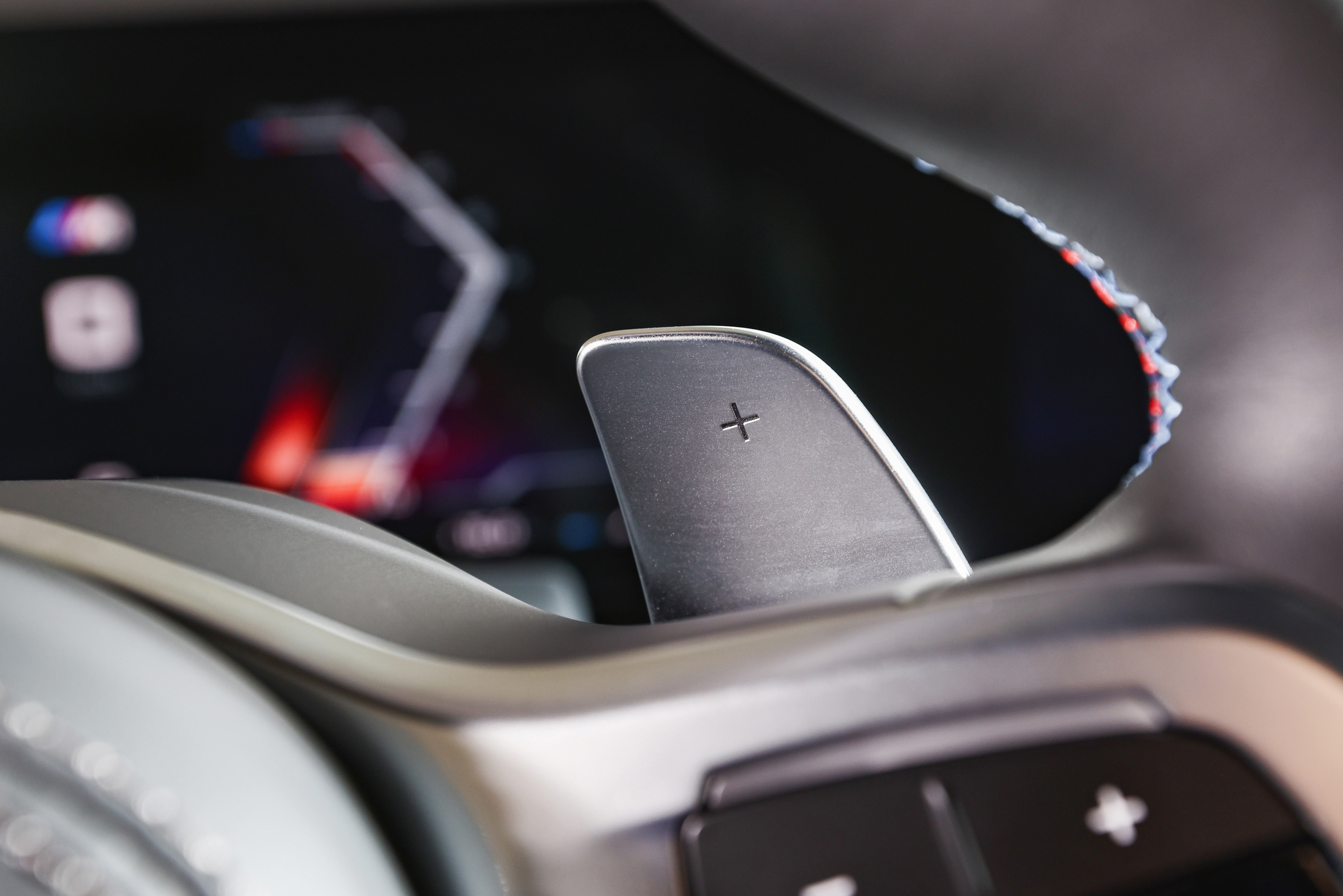
The lesson across every line of that ledger is the same: the M60i rewards owners who plan the cost in, and bites those who do not. With the numbers laid out, the smart move is less about the car and more about how you hold it.
Why leasing or PCP beats buying with cash
This is the single most important running-cost decision on an X6 M60i, and it is counter-intuitive. On a car that loses this much value this fast, paying cash means you personally carry the entire depreciation hit. Finance it on PCP or a personal lease and you hand the residual-value risk to BMW Financial Services or the leasing company instead. They set a guaranteed future value at the start; if the real-world value falls below it, that is their problem at the end of the term, not yours. You simply hand the keys back.
That is the opposite of how it works on a car with strong residuals, where ownership can beat leasing. On a steep depreciator the maths flips. If you are weighing the two routes, our comparison of lease purchase versus PCP on a premium car shows where each one wins, and if a balloon payment looms our guide to handling the PCP balloon covers your options before the term ends. The principle holds across the segment: do not buy a fast V8 SUV outright if your plan is to sell it in three years.
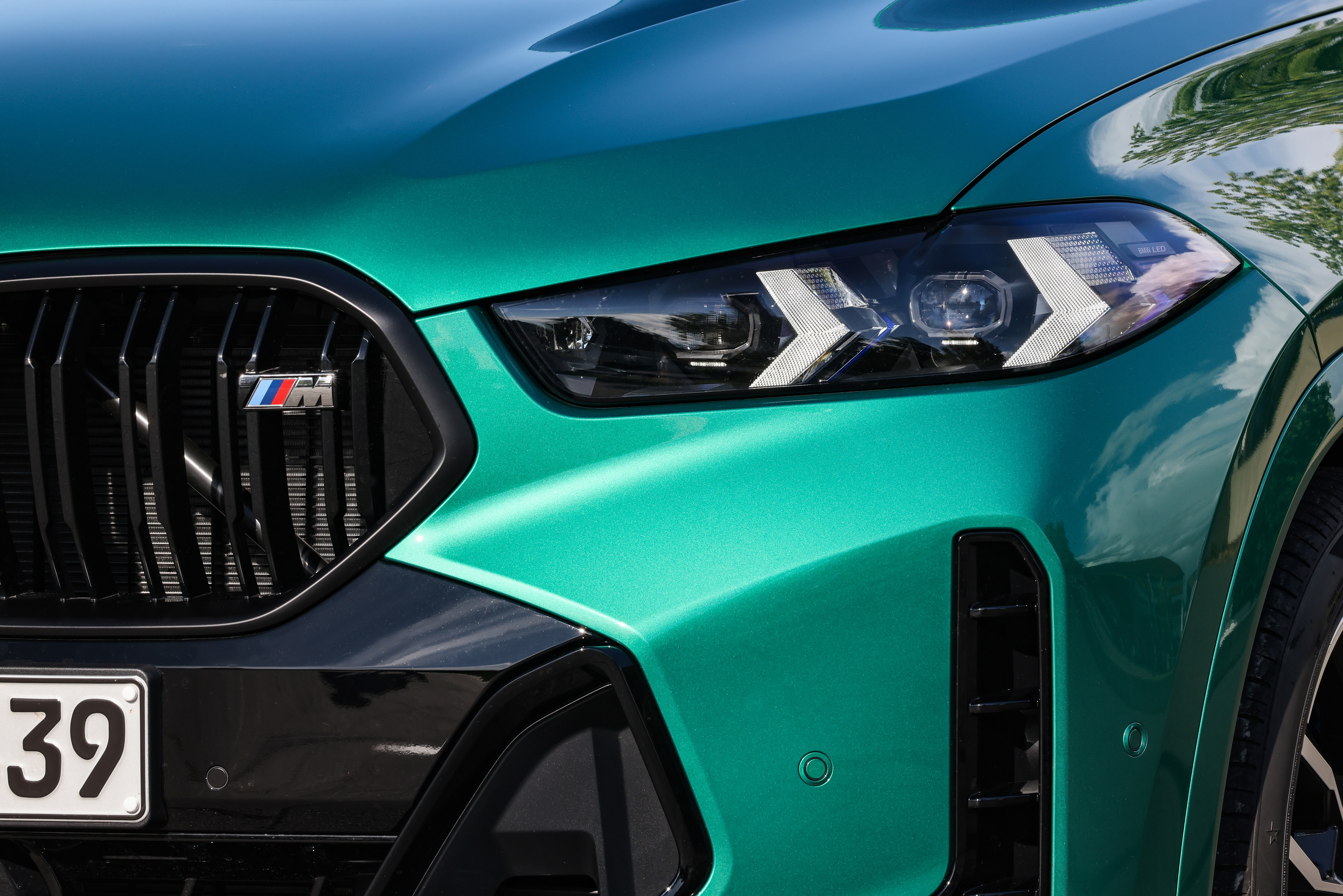
BMW X6 M60i running costs: the annual budget
| Running cost | Indicative annual figure | Basis |
|---|---|---|
| Fuel (10,000 miles at ~22mpg) | roughly £2,900 | owner-reported economy, June 2026 UK pump prices |
| VED (years 2 to 6) | £620 | £195 standard plus £425 expensive-car supplement, gov.uk |
| Insurance | four-figure, varies widely | top insurance group, performance V8 SUV |
| Tyres and brakes | several hundred to £1,000 plus | staggered performance rubber, owner reports |
| Depreciation | the largest single cost | steepest in first 2 to 3 years, CarEdge-modelled trend |
Add it up and the running cost that dominates is not fuel, tax or insurance individually, it is depreciation, and it dwarfs the rest combined. That is the figure to plan around, and the reason your finance structure matters more than your fuel card.
The honest verdict on BMW X6 M60i running costs is that this is a car to use, not to invest in. The V8 is genuinely special and the X6 is a fine long-distance machine, but the ownership economics are unforgiving: low-20s mpg, a top-bracket insurance group, the £620-a-year VED reality in years two to six, and a depreciation curve that takes more than half the value inside five years. None of that makes it a bad car. It makes cash purchase the wrong way to own one. Our view is simple: if you want the M60i, lease it or take it on PCP and let BMW Financial Services carry the residual risk, ideally picking up a two-to-three-year-old example that has already shed the worst of the first drop. Buy it outright to flip in three years and you will fund someone else’s bargain. Want the V8 character without the V8 bill? The diesel X5 is the grown-up alternative, and your wallet will notice.
How much does a BMW X6 M60i cost to run each year in the UK?
Why does the X6 M60i pay the expensive-car tax supplement?
How fast does the BMW X6 M60i depreciate?
Should I buy a BMW X6 M60i with cash or finance it?
What insurance group is the BMW X6 M60i in?
What fuel economy does the BMW X6 M60i really return?
Buyer action
Where to check next
Use this as the final check before paying a deposit, signing finance paperwork or relying on a headline monthly figure.