
Tesla Model Y salary sacrifice in 2026 turns a £45,000 family SUV into a payroll deduction that costs a higher-rate taxpayer a few hundred pounds a month after tax relief, because the electric company-car benefit-in-kind rate is still only 4% for 2026-27. We walk through the P11D, the gross sacrifice, National Insurance and the net monthly figure for a 40% and a 45% earner across the Standard, Long Range and Performance trims, then weigh the early-exit risk the scheme calculators bury.
What real owners say (CDE data)
CDE cross-referenced the published salary-sacrifice savings figures from three named UK scheme providers (Octopus Electric Vehicles, The Electric Car Scheme and Electric Salary Sacrifice) and the recurring sal-sac themes on r/UKPersonalFinance, checked 3 June 2026.
- Most-praised aspects: the headline tax saving (providers publish 20% to 50% versus a personal lease, with Octopus EV quoting 30% to 40% for a typical driver), insurance and servicing often bundled into one deduction, and no deposit.
- Most-criticised aspects: early-exit fees if you leave or are made redundant mid-term, the BiK rate climbing every tax year, and confusion over whether charging and tyres are included.
- Reliability signal: the refreshed Model Y carries Tesla’s 4-year/50,000-mile vehicle warranty and an 8-year/120,000-mile battery warranty, so most sal-sac terms sit inside factory cover.
How a payroll EV scheme actually works
Salary sacrifice lets you give up a slice of gross pay in exchange for a leased car your employer provides through a scheme partner. Because the sacrifice comes out before Income Tax and National Insurance, your taxable pay drops, and the higher your marginal rate the more the saving stacks up. That is why a premium EV that looks expensive on a personal lease can land cheaply on payroll for a senior earner. The catch HMRC enforces: the sacrifice cannot drag your gross pay below the National Minimum Wage, so a £45,000 Model Y is realistic for the salary band that buys one, not for everyone in the office. If you are still deciding between a payroll car and a cash alternative, our breakdown of salary sacrifice versus a car allowance for a higher-rate EV buyer runs the same maths from the other direction.

The 4% BiK rate, and the 2% myth to ignore
The figure everything hinges on is the appropriate percentage for a zero-emission company car. For 2026-27 it is 4%, up from 3% in 2025-26, and it rises to 5% in 2027-28 then steeper after that, per HMRC’s published company-car appropriate-percentage tables (checked 3 June 2026). Plenty of dealer chatter and even some scheme blurb still quotes a 2% EV rate; that was the 2024-25 figure and it is now wrong. The taxable benefit is simply P11D value multiplied by 4%, and you then pay your marginal Income Tax rate on that benefit. On a Model Y the difference between 2% and 4% is real money, so any quote you are shown should state the tax year it assumes. Our companion explainer on company car tax for 2026-27 and the EV BiK rates lays out the full multi-year schedule.

Pricing and P11D across the Juniper trims
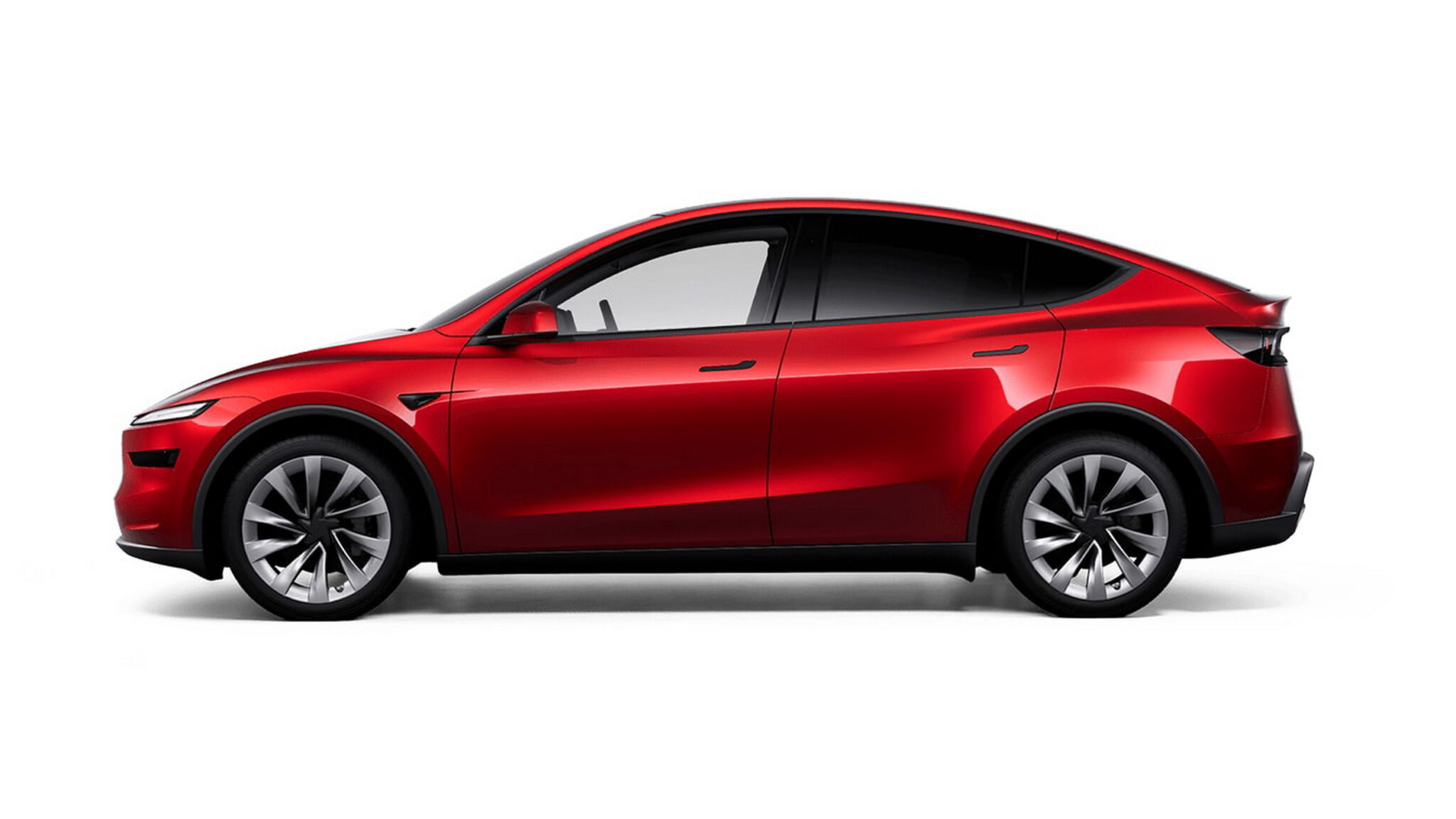
The refreshed Model Y, codenamed Juniper, splits into a clearer UK ladder for 2026. The Standard rear-wheel-drive opens at £41,990 with a 314-mile WLTP range; the Long Range rear-wheel-drive sits at £44,990 and is the efficiency pick at 383 miles WLTP; the Premium all-wheel-drive lands around £51,990; and the Performance tops the range at £61,990 with 360 miles and a sub-3.5-second 0-62mph. For BiK, what matters is the P11D value, which is the list price including VAT and delivery but excluding the £55 first-registration fee and VED. That puts the Standard’s P11D near £41,935 and the Long Range near £44,935, while Fleet News lists the Performance P11D from £59,935. If a 314-mile real-world figure feels tight for your commute, the Long Range RWD is the one to specify, and the trade-off mirrors the one we ran in our Tesla Model Y Long Range salary sacrifice deep-dive.
BiK cash cost for a 40% and a 45% taxpayer
Start with the BiK tax alone, before the sacrifice saving. Taxable benefit is P11D times 4%, then your marginal rate. On the Standard RWD (£41,935 P11D), the benefit is £1,677 a year; a 40% taxpayer pays roughly £671 a year, about £56 a month, and a 45% additional-rate taxpayer about £755 a year, near £63 a month. On the Long Range RWD (£44,935 P11D) the benefit is £1,797, costing a 40% earner about £719 a year (£60 a month) and a 45% earner about £809 a year (£67 a month). On the Performance (£59,935 P11D) the benefit is £2,397, so a 40% earner pays about £959 a year (£80 a month) and a 45% earner about £1,079 a year (£90 a month). Those are small numbers for a £45,000-to-£62,000 car, and they are the whole point of the EV company-car break.
| Trim (2026-27) | P11D | BiK benefit at 4% | BiK tax, 40% | BiK tax, 45% |
|---|---|---|---|---|
| Standard RWD | £41,935 | £1,677/yr | £671/yr (£56/mo) | £755/yr (£63/mo) |
| Long Range RWD | £44,935 | £1,797/yr | £719/yr (£60/mo) | £809/yr (£67/mo) |
| Performance | £59,935 | £2,397/yr | £959/yr (£80/mo) | £1,079/yr (£90/mo) |
The gross sacrifice and the net monthly figure
The BiK tax is only one side. The other is the gross sacrifice itself, which buys the lease, and the relief you get on it. Say a scheme quotes a £700-a-month gross sacrifice for a Long Range Model Y on a four-year, 5,000-mile term with insurance and maintenance bundled. A 40% taxpayer who also saves 2% employee National Insurance on that band gives up £700 gross but only loses about £406 of take-home pay, because £294 of it would have gone to tax and NI anyway. Add back the roughly £60-a-month BiK charge and the net cost lands near £466 a month for a fully insured, fully maintained car. A 45% additional-rate earner sacrifices the same £700 but, with 45% Income Tax plus 2% NI relief, loses only about £371 of net pay, so even with the slightly higher £67 BiK charge the net is close to £438. The Electric Car Scheme publishes an illustrative £437-a-month take-home figure for a Model Y on its own scheme, which sits right in this band. Octopus EV quotes 30% to 40% off a personal lease for a typical driver.

The exact gross sacrifice varies by provider, term, mileage and what is bundled, so treat the £700 above as a worked illustration rather than a quote. What does not vary is the mechanism: gross sacrifice, minus the Income Tax and NI you no longer pay on it, plus the small BiK charge, equals your real monthly cost. A cash buyer or a personal-lease customer gets none of that relief, which is the structural gap. For a side-by-side against a stablemate, our Tesla Model 3 salary sacrifice numbers show how a lower P11D shaves the BiK line further.
Net cost versus PCP or buying outright
Against a PCP or cash purchase the sal-sac route usually wins on monthly outlay for a higher earner, because neither of those gives you Income Tax and NI relief. A Long Range Model Y on a typical four-year PCP with a sensible deposit sits well north of £600 a month before you have paid a penny for insurance, tyres or servicing, all of which a good sal-sac bundle absorbs. The catch is ownership: with sal-sac you never own the car, you hand it back at term end, whereas PCP at least offers a balloon you can settle to keep it. Buying outright ties up £45,000 of capital that an EV depreciates briskly, so the cash case is weak unless you have a specific reason to own. The honest summary: sal-sac is cheapest per month for a 40% or 45% taxpayer, PCP keeps a route to ownership, and cash only makes sense if you hate finance more than you like the saving.
Range, charging and real-world running costs
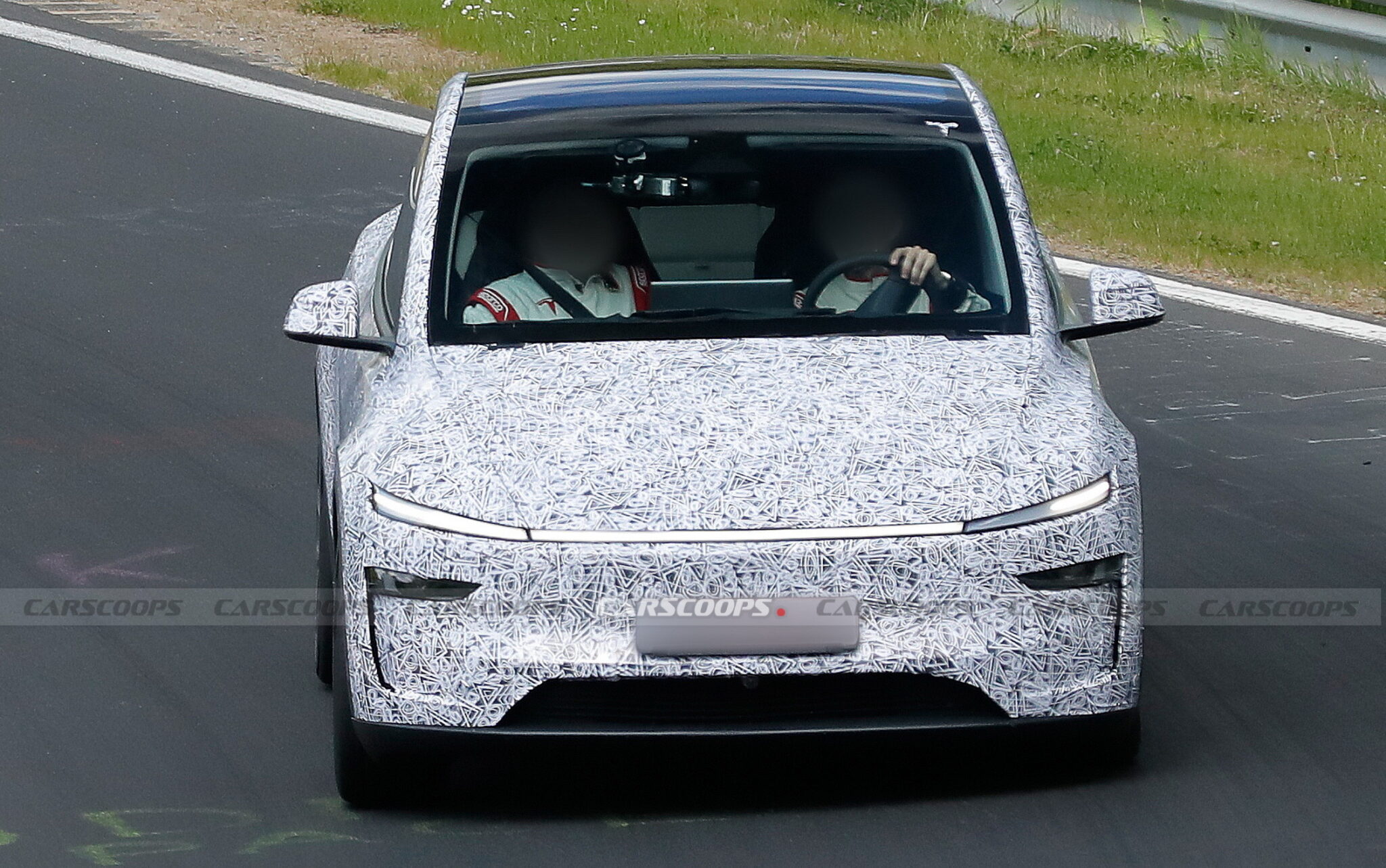
WLTP numbers flatter every EV, so plan around real use. The Long Range RWD’s 383-mile WLTP claim translates to a comfortable 280 to 320 miles of mixed driving in mild weather, dropping in cold snaps; the 314-mile Standard is fine for commuting but tighter for regular long runs. Tesla quotes up to 250kW peak DC charging, recovering around 173 miles in roughly 15 minutes under good conditions, and the UK Supercharger network (about 2,000 stalls) remains the slickest charging experience on sale. Home charging on a 7kW wallbox overnight is where the running-cost win lives, especially on an EV tariff. Insurance is the line that surprises people: Teslas sit in high groups and premiums run hot, which we cover in our look at why Tesla insurance costs are high and how UK owners cut them. A bundled sal-sac policy can neutralise that, which is one of the scheme’s quiet advantages.
The early-exit and redundancy risk nobody advertises
This is the part the calculators skip. A salary-sacrifice lease is a two-to-four-year commitment tied to your employment. Leave voluntarily, get made redundant, or go on extended unpaid leave, and you may face early-termination charges, which can run to several months of payments unless your employer has built in redundancy or family-leave protection. Before you sign, read the scheme’s early-exit terms and ask specifically what happens on redundancy and resignation. Some schemes carry an insurance product that covers early termination; many do not. The maths only works if you are reasonably confident you will be with the same employer for the full term, or that the protections are real. Octopus EV, The Electric Car Scheme and others publish their own scheme rules, and our comparison of Octopus EV, Loveelectric and Tusker scheme rules is the place to start on which protections matter.
Who Tesla Model Y salary sacrifice actually suits
This scheme is built for a specific buyer: a 40% or 45% taxpayer with a stable job and an employer-backed scheme, who wants a practical family EV without tying up capital. If that is you, the Model Y is close to the default choice, with the Long Range RWD the sensible spec for range and the Performance a treat that still costs under £90 a month in BiK. It suits less well if your income is near the basic-rate band, where the relief is thinner, or if your job feels shaky, where the early-exit risk outweighs the saving. Company owners running it through a limited company should take their own accountant’s view on the corporation-tax and VAT angles. For a different body style on the same logic, the Volvo EX40 on salary sacrifice and the broader premium field in our BMW iX salary sacrifice maths are the obvious cross-shops.
Updated: 3 June 2026. This is general guidance, not personalised financial, tax or legal advice; CDE has not driven this specific vehicle.
Where to check the numbers before you commit
Five checks turn a glossy quote into a decision you can trust. First, confirm the BiK figure assumes the 4% rate for 2026-27, not the old 2%, against gov.uk company-car benefit guidance. Second, ask the provider for the gross sacrifice in writing and what is bundled (insurance, maintenance, tyres, breakdown, charging). Third, read the early-exit and redundancy clauses line by line. Fourth, check the real range against your weekly mileage, not the WLTP headline. Fifth, model the take-home impact at your exact marginal rate using your payslip, and sanity-check it against MoneyHelper’s salary-sacrifice guidance. Do those five and the Model Y becomes one of the cleanest premium-EV deals a UK higher earner can get.
Our take
Tesla Model Y salary sacrifice is genuinely strong value in 2026, because the 4% BiK rate keeps the company-car tax trivial while Income Tax and NI relief on the gross sacrifice does the heavy lifting. For a 40% or 45% taxpayer with a secure job, a Long Range RWD landing near £440 to £470 a month net, fully insured and maintained, undercuts any PCP or personal lease on like-for-like terms, and the Performance is barely more in BiK. We would specify the Long Range RWD over the Standard for the extra real-world range, push for a bundle that includes insurance given Tesla’s high groups, and treat the Performance as a want rather than a need. The one thing that flips our recommendation is job security: if redundancy is a live risk, the early-exit charges can wipe out the saving, so read those clauses before you sign. The strongest version of this deal is the one with boring, protective paperwork.