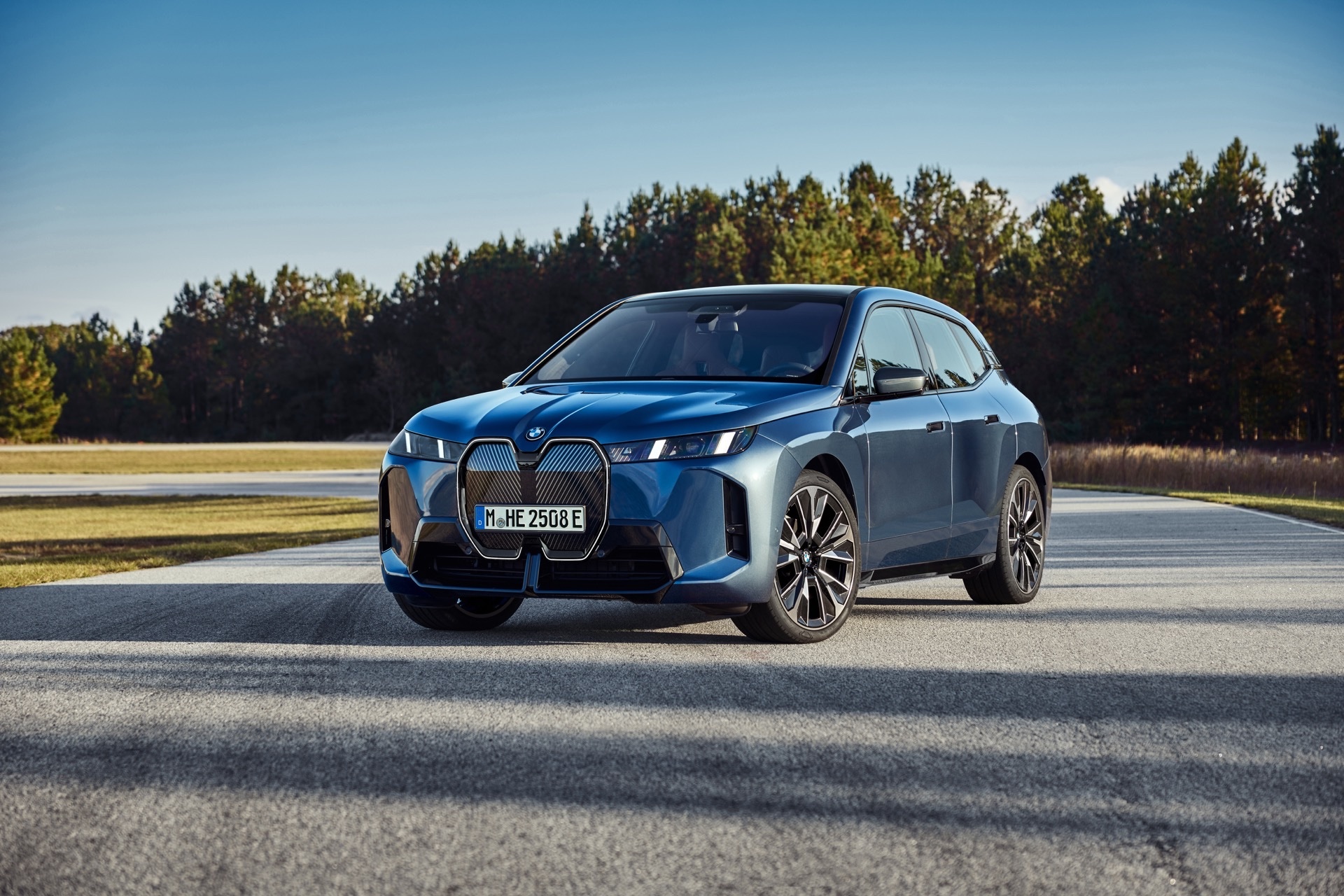
BMW iX salary sacrifice turns a £75,000 electric SUV into one of the cheapest premium cars a higher earner can run, because the company-car benefit-in-kind rate on a zero-emission car sits at just 4% for the 2026-27 tax year. Working from a real Loveelectric quote, the full-size iX xDrive45 lands at roughly £629 a month net for a 40% taxpayer once Income Tax relief, National Insurance relief and the small BiK charge are netted off. Here is the maths, band by band, plus the early-exit risk nobody puts on the brochure.
What real owners say (CDE data)
CDE compared the published salary-sacrifice scheme figures and rules at Loveelectric, Octopus Electric Vehicles and Tusker for the BMW iX, alongside BMW UK’s own warranty and specification pages, checked on 2 June 2026.
- What the schemes claim: Loveelectric quotes the iX xDrive45 Sport at £911 a month gross with a net take-home reduction of £594 on its standard example, a stated 38% saving against a personal lease; Octopus Electric Vehicles advertises savings of up to 40% on its scheme.
- The recurring buyer worry: the consistent caution across sal-sac guidance is what happens if you leave the employer mid-term, which is why every reputable scheme now sells early-termination protection as part of the pitch.
- Reliability signal: the iX carries BMW’s eight-year, 100,000-mile high-voltage battery warranty, so the drivetrain risk that worries used-EV buyers is largely covered for the length of a four-year sal-sac term.
Why the full-size iX makes sense on payroll for higher earners
The logic of a sal-sac scheme is simple: you give up an agreed slice of gross salary and your employer leases the car, so the cost comes out before Income Tax and National Insurance are applied. The higher your marginal rate, the more the taxman effectively subsidises the car. For a 40% or 45% taxpayer eyeing a £75,000 SUV, that relief is the difference between an expensive habit and a defensible monthly figure. The catch that makes EVs special is the company-car benefit-in-kind charge: on a petrol or diesel it can run to 37% of list price, but on a zero-emission car it is a fraction of that. That is why a full-size BMW iX, which would be punishing to fund on a personal contract, becomes one of the smartest payroll plays a senior employee can make. If you are still weighing the wrapper itself, our breakdown of salary sacrifice versus a car allowance for a higher-rate EV buyer sets out when each one wins.
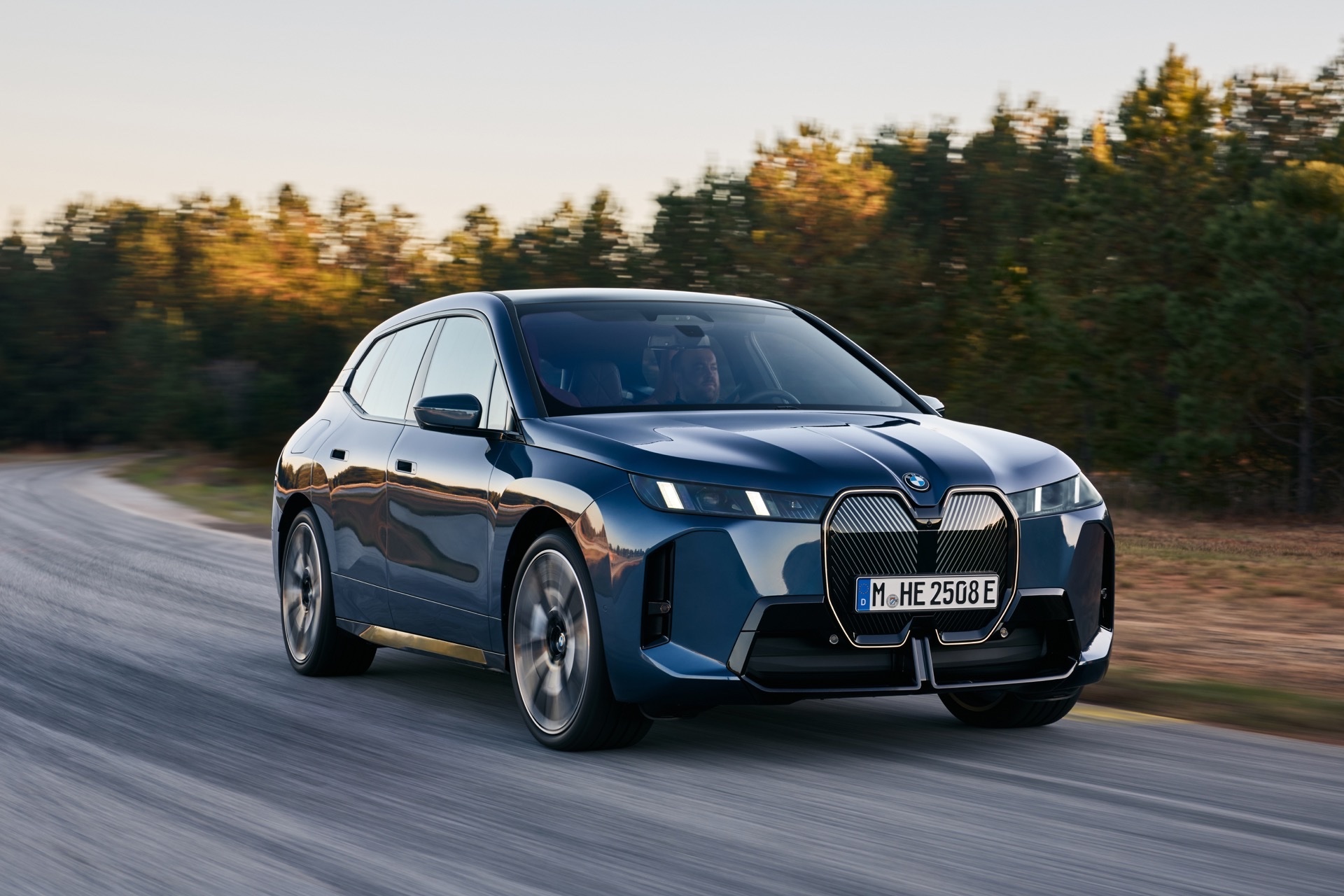
The post-2025-refresh iX range: xDrive45, xDrive60 and M70
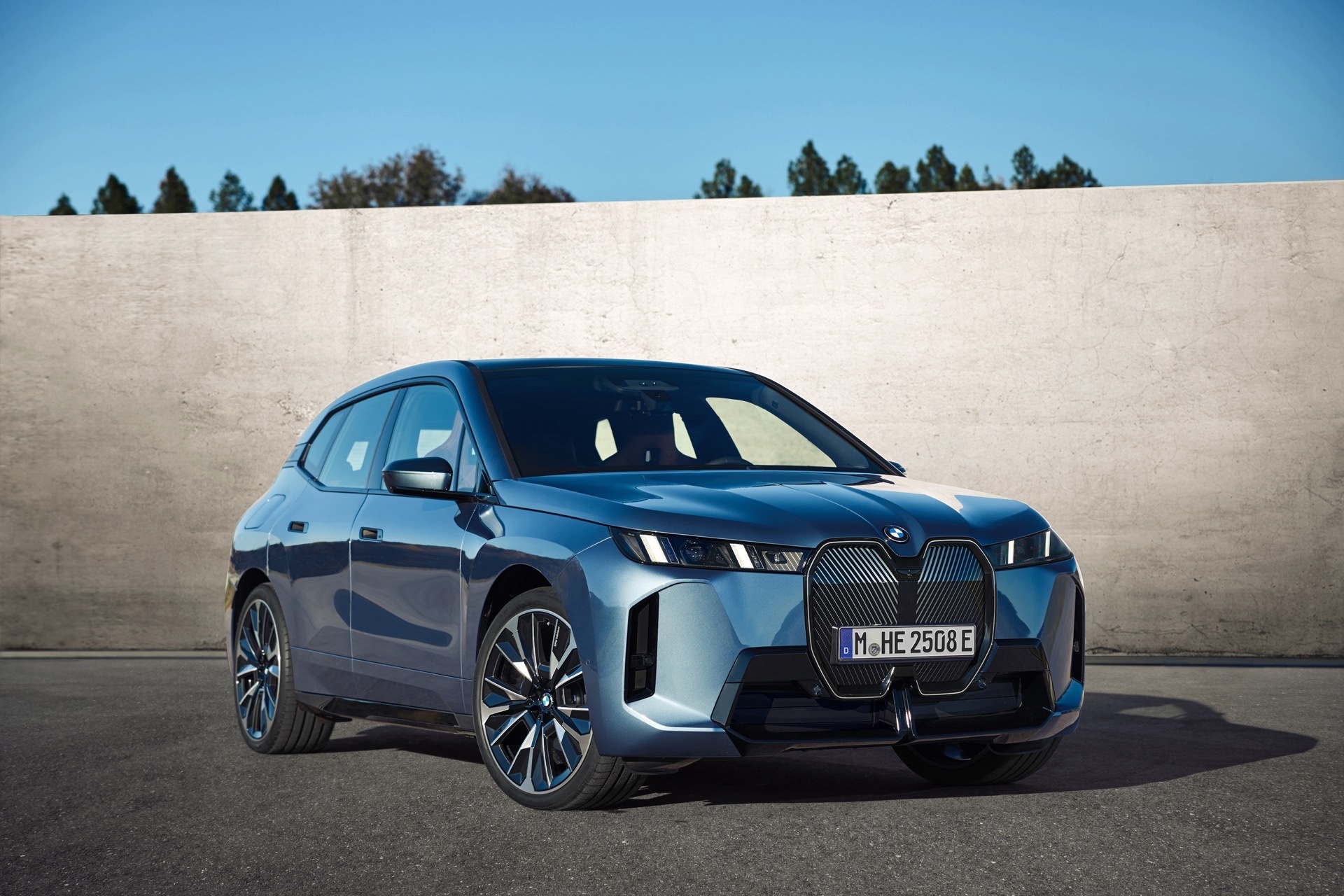
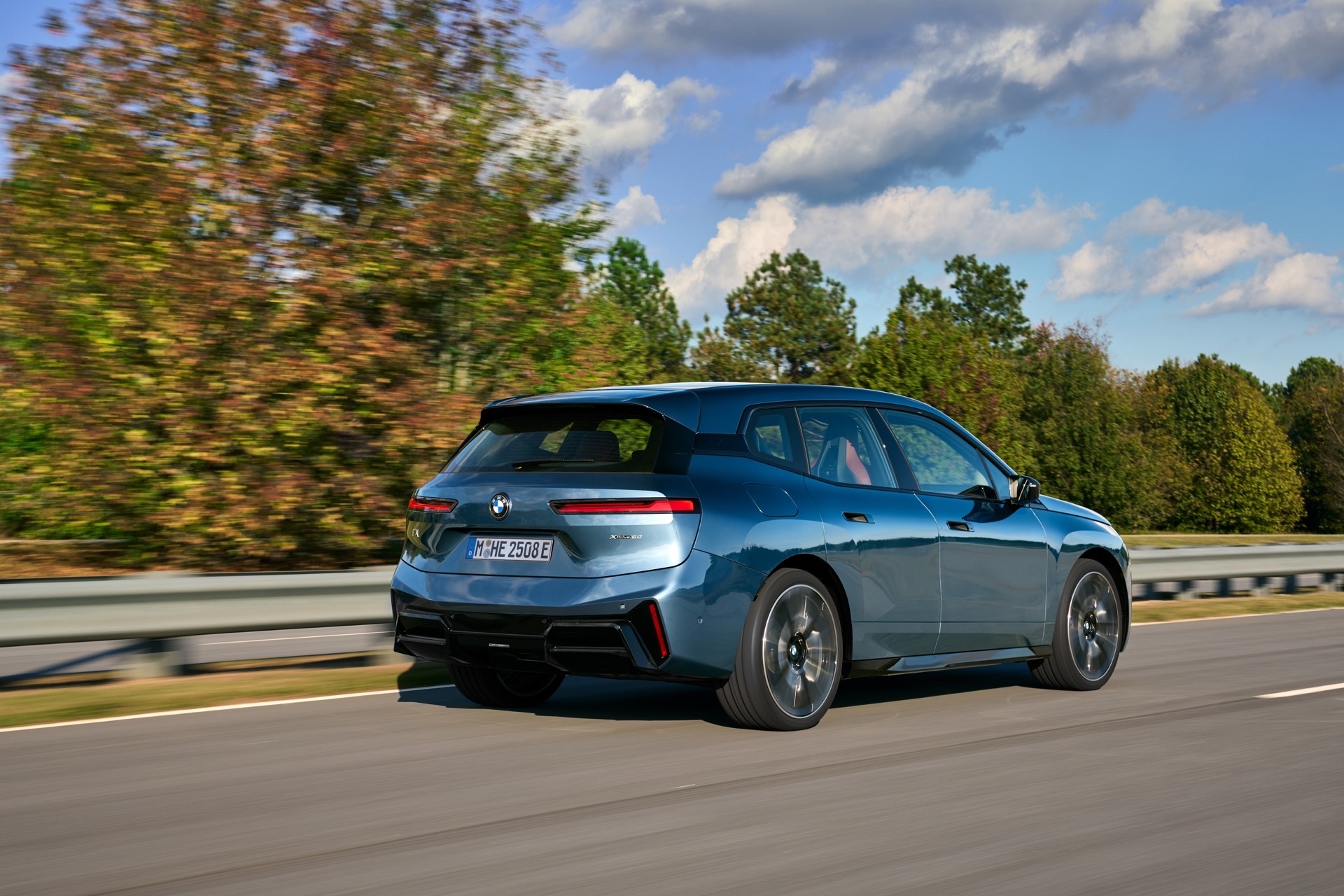
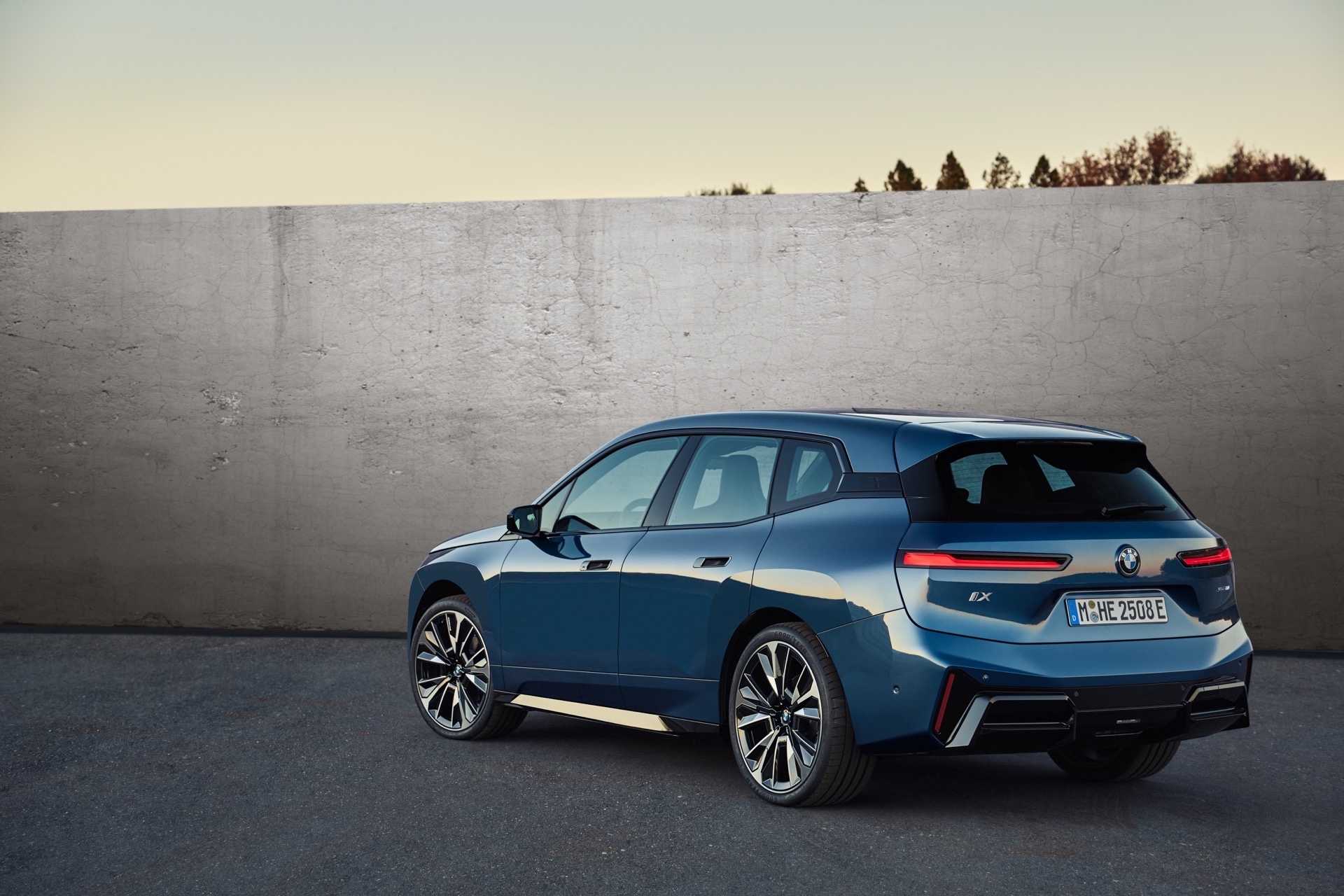
BMW reworked the iX in 2025, renaming the line and lifting both power and range. The entry car is now the iX xDrive45, with 408hp, a 94.8kWh battery and up to 374 miles WLTP, from £75,405 OTR (RAC iX pricing, 2026). Above it sits the iX xDrive60 M Sport at £93,205, with 544hp, a 109.1kWh pack and up to 426 miles, the longest range in the line. The flagship iX M70 xDrive tops out at £114,305, with 659hp and a 3.8-second 0-62mph time, though its real-world range is the shortest of the three. For most sal-sac buyers the xDrive45 is the sweet spot: the range is ample, the P11D keeps the BiK charge modest, and the gross sacrifice stays the right side of sensible. The xDrive60’s extra range is the only reason to climb a tier; the M70 is a heart-over-head pick.
P11D, the 4% BiK rate and how the tax actually works
The P11D value is the list price including VAT, options and delivery, minus the first registration fee, and it excludes road tax. For the iX xDrive45 that puts the P11D at roughly £75,350. The taxable benefit is P11D multiplied by the appropriate percentage for a zero-emission car. Per HMRC’s company-car appropriate-percentage tables, the EV rate is 3% for 2025-26 and 4% for 2026-27, rising one point a year to 5% in 2027-28 (checked 2 June 2026). At 4% the iX xDrive45 generates a taxable benefit of about £3,014 a year. A 40% taxpayer pays £1,206 of that in tax, around £100 a month; a 45% taxpayer pays £1,356, about £113 a month. That BiK charge is the only tax you pay on the car itself, and it is the figure that quietly grows as the rate steps up.
Worked example: net monthly cost at 40% and 45%
Here is where the scheme earns its keep. We anchor on a real published quote: Loveelectric lists the iX xDrive45 Sport at £911 a month gross sacrifice on a 48-month, 5,000-mile deal, bundling the lease, insurance, servicing, tyres and breakdown (Loveelectric scheme example, checked 2 June 2026; your own quote and mileage will move the figure). The gross sacrifice reduces your taxable pay, so you save Income Tax at your marginal rate plus employee National Insurance at 2% on earnings above the upper limit, where most higher earners sit. Separately, the employer saves Class 1 National Insurance at 15% on the sacrificed amount, and most schemes recycle that saving back into the headline price. Then you add back the BiK charge from the section above. The table below shows the net effective monthly cost once those parts are netted, on the 2026-27 rates.
| Line (per month, 2026-27) | 40% taxpayer | 45% taxpayer |
|---|---|---|
| Gross sacrifice (Loveelectric iX xDrive45 quote) | £911 | £911 |
| Income Tax relief | minus £364 | minus £410 |
| Employee NI relief (2%) | minus £18 | minus £18 |
| BiK tax cost (4% rate) | plus £100 | plus £113 |
| Net effective monthly cost | about £629 | about £596 |
The headline that surprises people is that the 45% taxpayer pays less net than the 40% taxpayer, around £596 against £629, because the extra Income Tax relief outweighs the slightly higher BiK charge. The same shape holds across the premium EV field; our BMW i5 M60 salary sacrifice maths and the figures in the Mercedes EQE saloon worked example land on the same logic for executive saloons.
Net sal-sac cost versus paying cash or running a PCP
Set that £629 net figure against the alternatives. Buying outright means parking roughly £75,000 of capital in a depreciating asset, then carrying insurance, servicing, tyres and road tax on top, none of which you can run through gross pay. A personal contract purchase on a £75,000 iX, with a typical deposit and a four-year term, will usually run several hundred pounds a month before you have even paid for insurance or servicing, and you still owe a large balloon at the end. The sal-sac bundle folds insurance, maintenance, tyres and breakdown into that single £629 net figure, which is the comparison that matters. If you are still deciding how to fund a premium electric car, our guide to premium EV deposit strategy walks through when PCP, PCH or salary sacrifice should come first.
According to Octopus Electric Vehicles’ published scheme rules, a salary-sacrifice EV bundle can save an employee up to 40% against an equivalent personal lease, with the saving driven almost entirely by the Income Tax and NI relief on the sacrificed amount. That figure is a ceiling, not a promise: it is largest for additional-rate taxpayers and smaller for basic-rate employees, and it assumes the scheme bundles insurance and maintenance you would otherwise pay for separately.
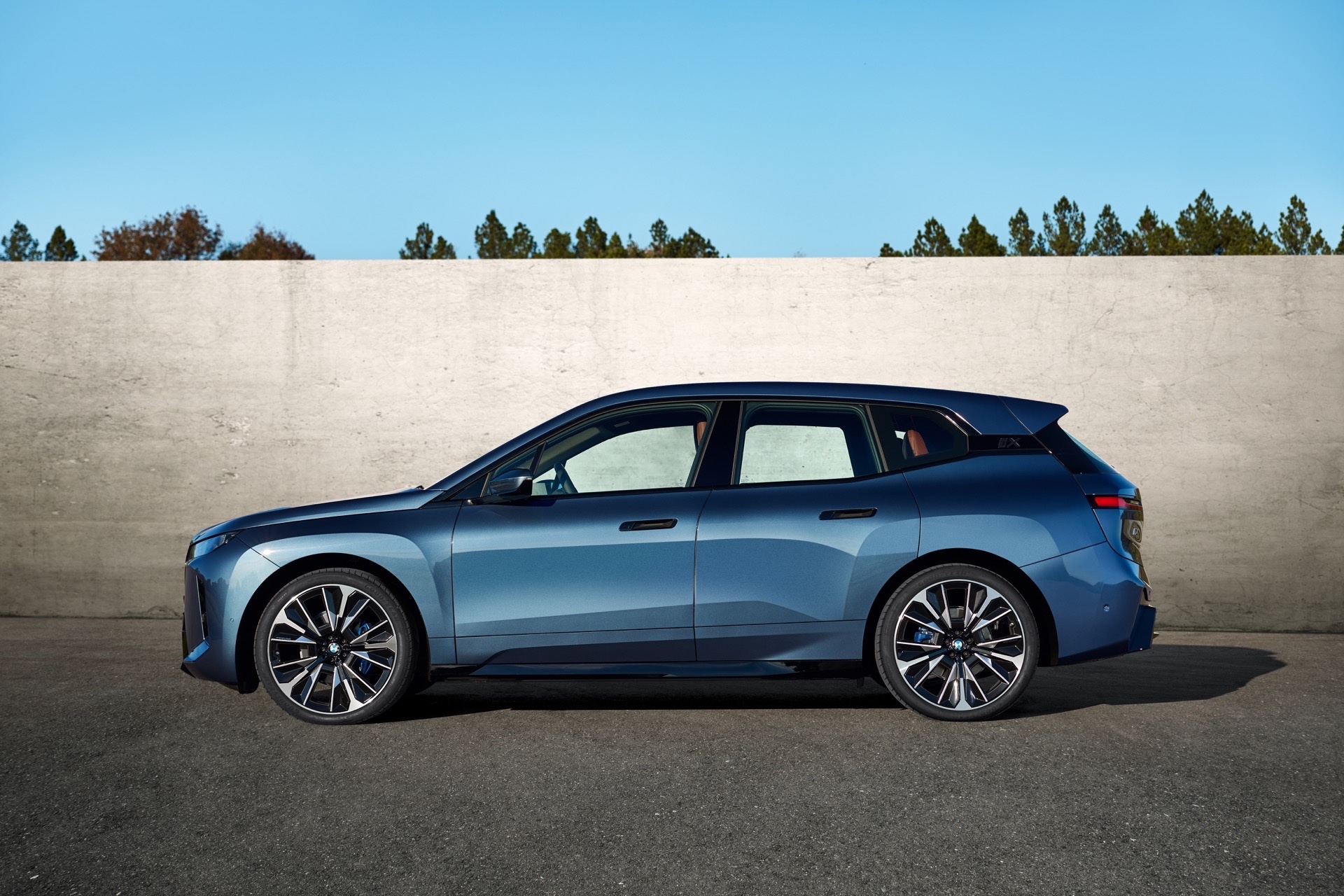
Real-world range and charging on the iX xDrive45
WLTP says 374 miles; the real-world figure for the xDrive45 sits closer to 290 miles in mixed UK driving, dropping toward 210 miles on a cold motorway run and stretching past 350 in mild city use, on the independent range data we reviewed. That is still a genuine 250-mile-plus everyday car, which is what most sal-sac buyers actually need. Rapid charging peaks at 175kW on the xDrive45, enough for a 10-80% top-up in around half an hour at a working high-power charger; the dearer xDrive60 and M70 push to 195kW. For a driver doing a daily commute and the occasional long haul, the xDrive45’s range and charging are comfortably adequate, and the extra range of the xDrive60 only pays for itself if you regularly cover big motorway distances between charges.
The early-exit and redundancy risk you must price in
This is the part the saving figures never show, and it is the single biggest reason sal-sac buyers get burned. A salary-sacrifice car is tied to your employment. If you leave, are made redundant, or go on extended unpaid leave, the scheme typically ends and someone has to settle the lease. Most providers offer early-termination cover or an insured protection product that caps your liability, but the terms vary widely and some leave you exposed to several months of payments or an exit fee. Before you sign, read exactly what happens on resignation, redundancy, maternity leave and long-term sickness, and confirm whether early-termination protection is included or an optional extra. The strongest iX sal-sac is the one taken at an employer you expect to stay with, with clean early-exit wording in writing. A scheme that looks cheap on the monthly but exposes you to a five-figure exit bill is not cheap at all.
How the iX compares with the rest of the sal-sac shortlist
The iX xDrive45 is not the only full-size premium EV that works on payroll, and the scheme you pick matters as much as the car. The provider sets the gross sacrifice, the bundled cover and the early-exit terms, so two quotes on the same iX can differ by a meaningful margin. Our comparison of Octopus EV, Loveelectric and Tusker scheme rules shows where each one is strongest for a higher-rate taxpayer. On the car side, if you need seven seats the iX cannot help, which is where the Volvo EX90 salary sacrifice maths come in; and if the iX still feels like a stretch, the BMW i7 salary sacrifice numbers show how far up the range the payroll logic holds before it breaks.
Where to check the numbers before you sign
Before you commit, run these checks. First, confirm the current EV BiK rate yourself on HMRC’s company-car tables, because the rate steps up each tax year. Second, ask your scheme provider for a full quote on the exact iX trim and read what the bundle includes: insurance, servicing, tyres, breakdown and, crucially, charging. Third, get the early-exit and redundancy terms in writing and check whether early-termination protection is included. Fourth, confirm the sacrifice will not drop your gross pay below the National Minimum Wage floor, which would block the arrangement. Fifth, sense-check the BMW UK list price and P11D against the current configurator so your BiK figure is right. Editorial guidance from MoneyHelper on salary sacrifice and pension impact is a useful neutral second read before you sign.
For a 40% or 45% taxpayer with a scheme available, BMW iX salary sacrifice on the xDrive45 is one of the best-value ways to run a genuinely luxurious car in 2026. At roughly £629 net a month for a 40% taxpayer, and a little less for a 45% taxpayer, you get a £75,000 SUV with insurance, servicing and tyres folded in, for less than a bare PCP on the same car would cost before extras. The 4% BiK rate is the lever that makes it work, and even as it climbs to 5% next year the case stays strong. We would take the xDrive45 over the pricier xDrive60 unless you genuinely need the extra range, and we would walk away from any scheme that cannot show clean early-exit and redundancy wording in writing. The car is the easy part; the paperwork is where this goes right or wrong.
How is BMW iX salary sacrifice calculated in 2026?
What is the BiK rate on a BMW iX for 2026-27?
Does a 45% taxpayer really pay less than a 40% taxpayer?
What happens to my iX if I leave my job?
Which iX should a salary-sacrifice buyer choose?
What real-world range does the iX xDrive45 get?
Updated: 3 June 2026. This is general guidance, not personalised financial, tax or legal advice; CDE has not driven this specific vehicle.