Salary sacrifice vs car allowance is the question every higher-rate taxpayer faces the moment a new job offer or pay review lands on the desk. Both put a premium car within reach, but they pull in opposite directions: an allowance hands you taxed cash and total freedom, while salary sacrifice on an electric car trades gross pay for the lowest net cost on a new EV. On a Tesla Model 3 Long Range our worked numbers below show the gap is narrower than the scheme adverts suggest, and the right answer depends on how big your allowance is.
This article is general guidance, not personal tax advice. Company-car tax, National Insurance and salary-sacrifice rules depend on your own circumstances and can change, so confirm the current figures on gov.uk and speak to a qualified tax adviser or accountant before you commit. We have not driven the vehicles discussed here; specifications, prices and tax figures are summarised from manufacturer, gov.uk and third-party sources and were checked on 2 June 2026.
The data behind the choice (CDE analysis)
CDE read HMRC’s Benefit-in-Kind statistics commentary (published June 2025, covering 2023 to 2024) alongside the current published scheme rules from Octopus EV, reviewed 2 June 2026.
- Scale of the shift: 840,000 employees reported a company-car benefit in 2023 to 2024, up 80,000 on the year, of which roughly 340,000 (about 41%) were fully electric, up from 220,000 the year before.
- Why sacrifice draws them in: the 4% EV BiK rate, insurance and maintenance bundled into one deduction, and no deposit, which together undercut funding a new EV from taxed pay.
- Where the scheme rules bite: early-exit charges if you leave mid-term, the National Minimum Wage floor blocking lower earners, and BiK rising each tax year per the HMRC schedule.
What a cash car allowance actually is
A car allowance is extra cash bolted onto your salary in place of a company car. It lands in your pay packet as ordinary earnings, so it is taxed at your marginal Income Tax rate and National Insurance, then you fund the car yourself however you like: cash, a personal lease, PCP or HP. For a higher-rate taxpayer the deductions bite hard. You pay 40% Income Tax, and because a senior salary already sits above the Upper Earnings Limit, the National Insurance on the allowance is only the 2% upper rate, not the 8% main rate (gov.uk National Insurance rates, checked 2 June 2026). That is a 42% marginal deduction in total. A headline £6,000-a-year allowance is worth £3,480 net, around £290 a month, before you have spent a penny on a car.
What salary sacrifice on an EV does differently
Salary sacrifice flips the cash flow. Instead of receiving money, you give up a slice of gross pay in exchange for a fully electric car your employer leases on your behalf. Because the sacrifice comes out before tax and NI, you avoid that same 42% on the sacrificed amount, and the monthly deduction usually bundles insurance, servicing, tyres, breakdown cover and road tax. The reason it works for EVs and not petrol cars is a quirk of the rules: the 2017 Optional Remuneration Arrangement reforms tax most sacrificed benefits on the higher of the salary given up or the benefit value, but zero-emission cars are exempt. So you are taxed only on the car’s Benefit-in-Kind, which for an EV is tiny. If you want the brand-by-brand picture first, our Tesla Model 3 salary sacrifice 2026 breakdown runs the same maths on a single trim.
The EV Benefit-in-Kind rate that makes it work
The whole salary-sacrifice case rests on the company-car BiK rate for fully electric cars. For the 2026/27 tax year the appropriate percentage for a 0 g/km car is 4% (HMRC company-car appropriate percentages, checked 2 June 2026). The cash value of the benefit is P11D value multiplied by that 4%, then by your marginal Income Tax rate. The rate is legislated to rise to 5% in 2027/28, so model your own term against the HMRC schedule rather than assuming 4% for life. Even at the top of that published ladder, an EV company car is taxed at a fraction of the 25% to 37% that applies to petrol and diesel. The same exercise on the Company Car Tax 2026/27 UK Electric Vehicles arrives at a different answer.
Per HMRC’s Benefit-in-Kind statistics commentary (June 2025), fully electric cars made up about 41% of all company cars reported in 2023 to 2024, a sharp jump that tracks exactly with the low EV BiK rate. The data is the clearest signal that higher earners are voting with their payslips.
The car we used, and where the figures come from
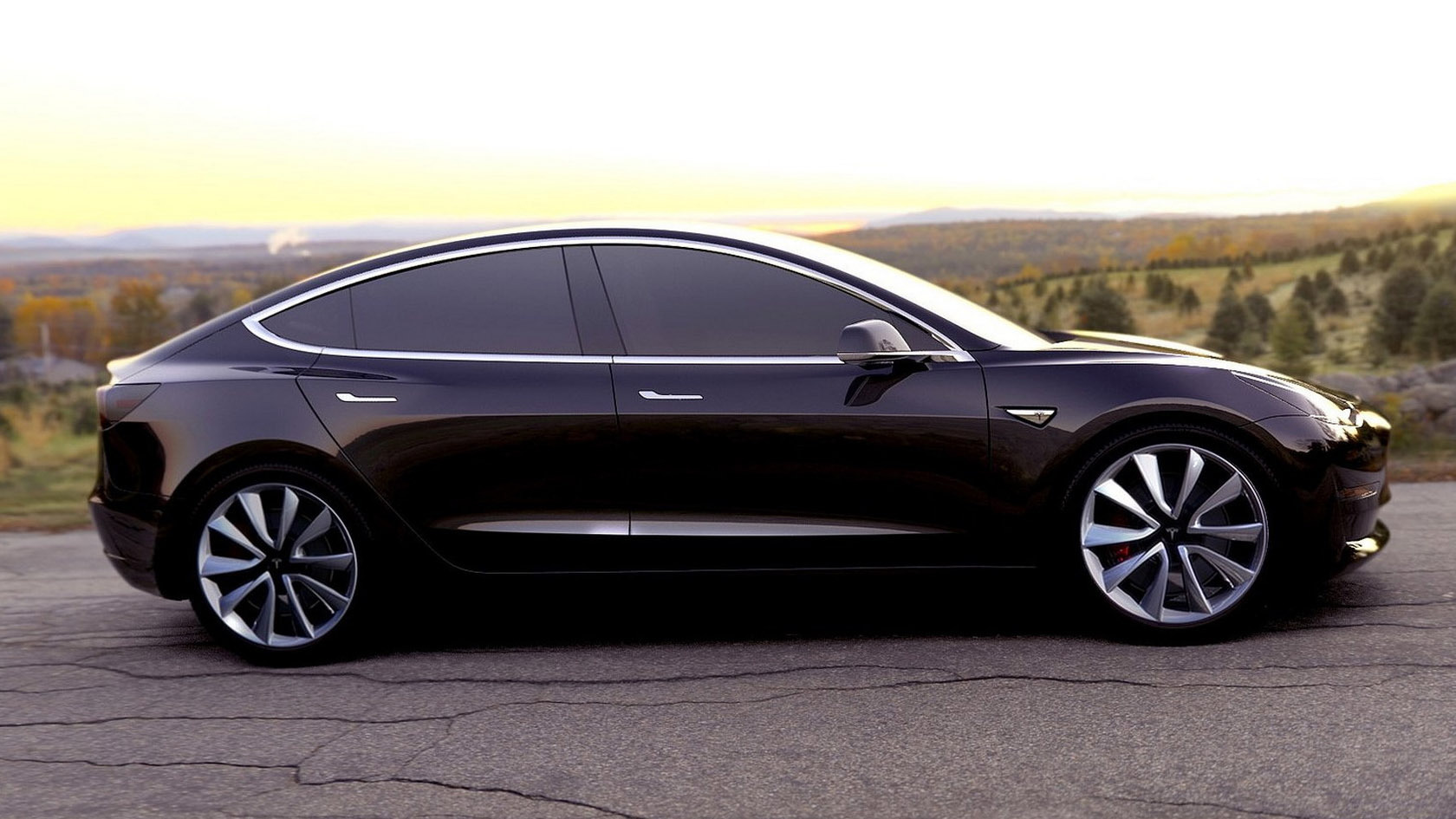
To compare like with like we fix one car: a Tesla Model 3 Long Range with a P11D value of £44,935 (EV Database UK, accessed 2 June 2026). The lease figures below are illustrative monthly rates, not a quote, based on the published Model 3 personal-lease range of roughly £400 to £455 a month including VAT on Carwow and Select Car Leasing (accessed 2 June 2026), with a salary-sacrifice gross rental set higher because it bundles insurance, servicing, tyres and breakdown that a bare personal lease leaves out. Treat the pounds as a worked illustration; your own quote will move with term, mileage and initial rental.
| Input | Figure used | Source |
|---|---|---|
| Tesla Model 3 Long Range P11D | £44,935 | EV Database UK |
| EV BiK rate 2026/27 | 4% | HMRC |
| Marginal Income Tax + NI (higher rate, above UEL) | 40% + 2% = 42% | gov.uk NI rates |
| Illustrative personal lease (inc VAT) | £450/month | Carwow / Select Car Leasing range, 2 June 2026 |
| Illustrative sal-sac gross rental (bundled) | £560/month | CDE illustration on the lease range above |
The worked comparison on one Tesla Model 3
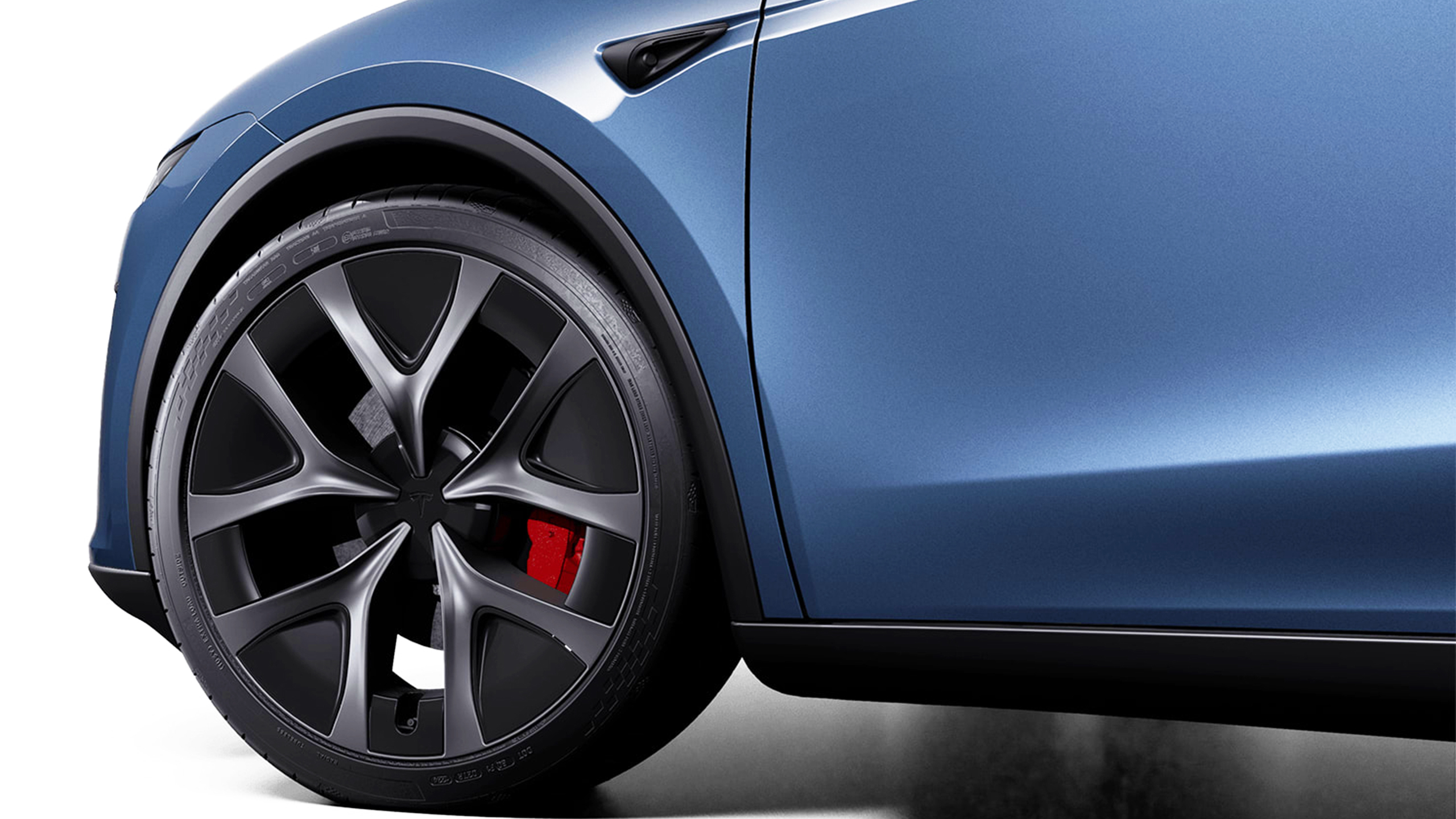
Here is the honest part the scheme brochures skip. A car allowance is money in; salary sacrifice is money out. To compare them fairly you have to cost the same Model 3 on both routes, assuming your employer offers one or the other, never both. On the allowance route you fund the car from net pay: a £450 personal lease plus roughly £140 a month for insurance, servicing and tyres comes to about £590 a month, against which you offset the £290 net value of a £6,000 allowance, for a net cost of about £300 a month. On salary sacrifice the £560 gross rental costs you £324.80 after 42% relief, plus the BiK of £44,935 at 4% at 40% (£59.91 a month), for about £385 a month all-in. For a side-by-side, see our BMW iX salary sacrifice.
| Monthly cost, Tesla Model 3 Long Range | Car allowance route | Salary sacrifice route |
|---|---|---|
| Car cost basis | £450 personal lease, paid from net pay | £560 gross rental, bundled cover |
| Insurance, service, tyres, breakdown | about £140 from net pay | included in the rental |
| Tax relief on the spend | none (paid from taxed income) | 42% relief on the £560 sacrifice |
| BiK (£44,935 x 4% x 40%) | not applicable | £59.91 |
| Allowance retained (net of 42%) | +£290 (£6,000/yr allowance) | not applicable |
| Net monthly cost to drive the car | about £300 | about £385 |
The lesson is that the result swings on the size of your allowance. With a generous £6,000 allowance the cash route can match or beat sacrifice on raw cost, because the allowance is real employer money. Shrink the allowance towards £3,500 a year and salary sacrifice pulls ahead, because the relief on the sacrifice plus the 4% BiK becomes the cheaper way to put a new EV on the drive. There is no universal winner; there is only your number.
Who each route suits
An allowance wins on flexibility. The cash is yours, so you can buy any car, petrol, diesel, hybrid or EV, new or used, and you keep any equity you build. You are not tied to your employer, so a job move does not blow up your motoring. If you cover high private mileage, want a car outside the EV-only world of most sacrifice schemes, or value owning the asset outright, the allowance is the cleaner fit. Crucially, an allowance can fund a used premium car, which sacrifice cannot, so a buyer eyeing a tidy three-year-old executive saloon may prefer the cash. Our Mercedes EQS salary sacrifice vs PCP 2026 comparison shows how the owned-asset argument plays out over five years.
Salary sacrifice, by contrast, is the lowest-net-cost way to drive a brand-new EV. If you want a current Tesla, BMW i, Polestar, Mercedes EQ or Audi e-tron, you are happy leasing rather than owning, and you expect to stay with your employer for the term, the maths is hard to beat. The bundled insurance and maintenance also strip out the admin and the nasty surprise bills. It suits the settled higher earner who wants a new EV with one predictable deduction and no deposit. For scheme mechanics and provider differences, see our Octopus EV vs Loveelectric vs Tusker 2026 guide.
The minimum wage floor and the mid-term exit risk
Two caveats decide whether sacrifice is even open to you. First, the floor: a salary sacrifice cannot take your gross pay below the National Minimum or Living Wage (gov.uk National Minimum Wage rates, checked 2 June 2026), which rarely troubles a higher-rate earner but can block a premium car for lower-paid colleagues on the same scheme. Second, the exit: a sacrifice car is leased through your employer on a multi-year contract, so leaving mid-term can trigger early-termination charges, and you may have to hand the car back or buy out the agreement. An allowance carries no such lock-in. If your role looks unstable, that risk alone can tip the decision towards cash. The MoneyHelper guidance on salary sacrifice schemes is worth reading before you sign.
Common misconceptions to check before signing
The biggest myth is that sacrifice is always cheaper. It is cheapest against funding a new EV from fully taxed pay; against a healthy cash allowance the gap narrows or reverses, as our table shows. The second myth is that BiK stays flat. It does not; the rate steps up each year on the HMRC schedule, so a four-year deal ends dearer than it starts. The third is that everything is included. Most schemes bundle insurance and maintenance, but charging is on you, and some providers cap mileage or annual cover. Read the scheme rules. Octopus EV’s published scheme terms set out what is and is not included, and we cite them here as editorial reference, not a recommendation. Our Polestar 4 salary sacrifice 2026 piece digs into the early-exit trap in detail.
Salary sacrifice vs car allowance at a glance
| Criteria | Car allowance | Salary sacrifice |
|---|---|---|
| How it is taxed | Added to salary, taxed at marginal rate plus NI | Gross pay forgone, BiK on the EV only |
| Choice of car | Any car, new or used, any fuel | New EV from the scheme list only |
| Ownership and equity | You own or finance it, keep any equity | Leased through employer, no equity |
| Insurance and servicing | Your responsibility | Usually bundled into the deduction |
| Lowest net cost on a new EV | Only if the allowance is large | Usually yes, thanks to 4% BiK |
| Tie to employer | None | Multi-year, early-exit risk |
| Best for | Flexibility, used cars, keeping equity | Cheapest new EV, settled employee |
Our take
On salary sacrifice vs car allowance for a higher-rate taxpayer in 2026, our view is that the decision is set by two numbers: the size of the allowance on offer and how long you expect to stay put. If your employer dangles a fat allowance, north of £6,000 a year, the cash route can match or beat sacrifice on our Model 3 figures while leaving you free to buy any car, including a used premium one, and to walk away whenever you like. If the allowance is modest or non-existent, salary sacrifice is the cheapest way to put a new EV on the drive, because the 42% relief on the rental plus the 4% Benefit-in-Kind is unbeatable on a fully electric car. The risk that flips it is instability: a likely job move inside the term, or a role where pay could dip near the minimum wage floor, both push you towards the allowance. We would run your own allowance figure through the table above before signing anything, and we would treat the bundled insurance and maintenance as a real, not cosmetic, part of the sacrifice case.
Is salary sacrifice or a car allowance better for a 40% taxpayer?
How is the Benefit-in-Kind on an EV salary sacrifice worked out in 2026?
Can a car allowance be used to buy a used premium car?
What happens to a salary sacrifice car if I leave my job?
Does the National Minimum Wage affect salary sacrifice?
Why does salary sacrifice work for EVs but not petrol cars?
For the wider electric-car picture, browse our EVs section.
Buyer action
EV and salary-sacrifice checks
Use this as the final check before paying a deposit, signing finance paperwork or relying on a headline monthly figure.