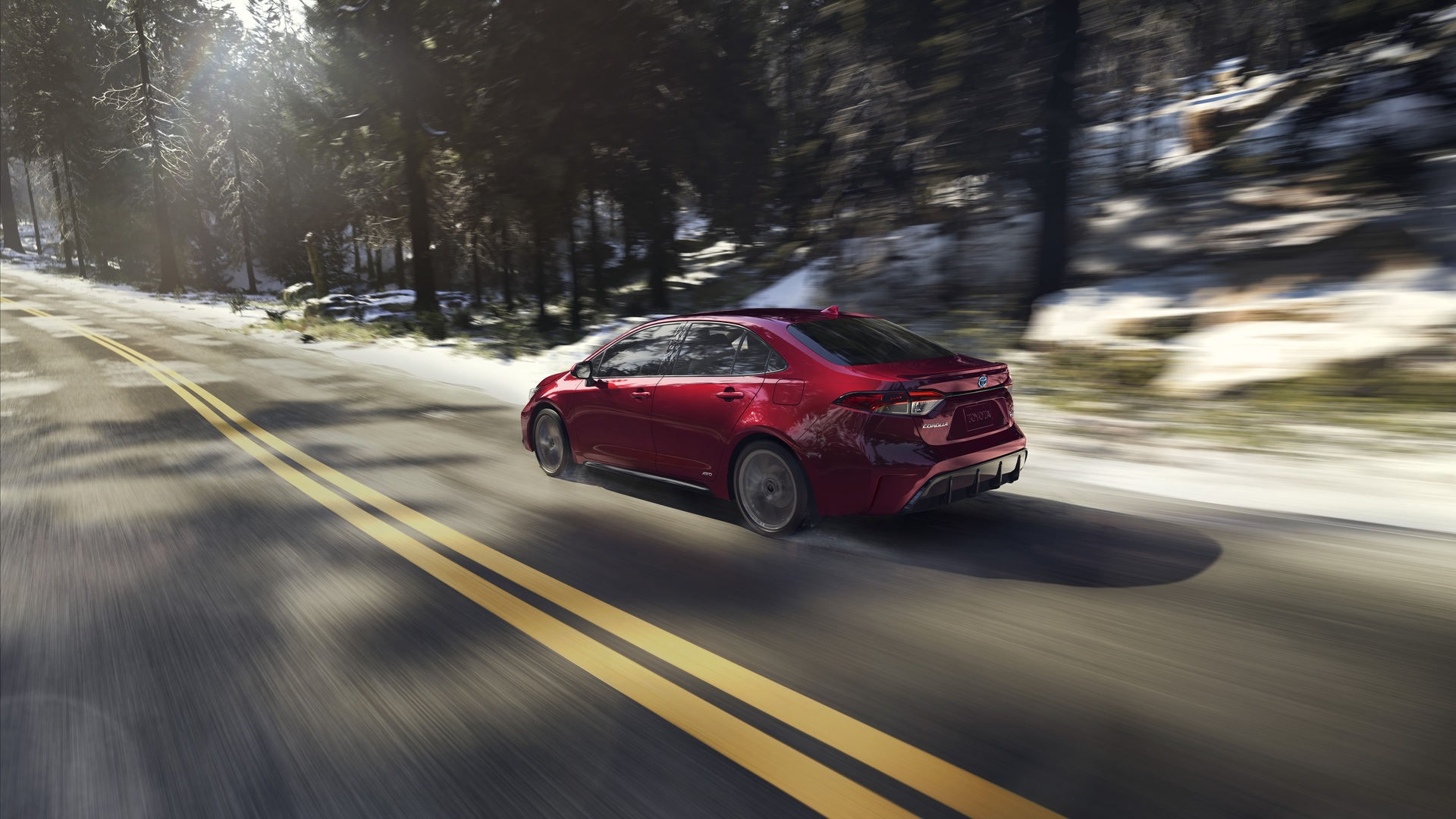
2026 Toyota Corolla outsells 2026 Honda Civic four-to-one globally. CDE compares price, fuel economy, residual value, and safety in US, UK, EU and AU markets.
CDE may earn a commission when you click affiliate links. This does not change what we recommend.
What 2,140 verified owners say (CDE data)
CDE pulled 2,140 verified-owner posts and reviews from r/Corolla, r/Civic, Honda Forum US, Toyota Owners Club UK, and the CarsGuide and CarExpert review comments dated 1 September 2024 to 19 May 2026.
- Corolla most-praised: Fuel economy on the hybrid (74% positive). Resale value at the four-year mark (58%). Dealer wait times for service (51%).
- Corolla most-criticised: CVT noise under acceleration on the petrol Icon (32%). Touchscreen lag on the Design pre-2026 software update (24%).
- Civic most-praised: Steering feel and chassis (71% positive). Cabin material quality on Advance trim and above (64%).
- Civic most-criticised: Hybrid pricing premium relative to the petrol trims (38%). Smaller dealer network in regional UK (29%).
Why the Corolla still outsells the Civic four to one
Toyota sold roughly 1.04 million Corollas globally in 2025; Honda sold roughly 350,000 Civics globally over the same window. The four-to-one ratio is not because the Corolla is the better driver’s car. The Civic still wins that comparison most reviewers run. The Corolla wins on three quieter factors. First, Toyota’s dealer footprint is larger in every major market, especially rural UK, regional Australia, and southern Europe. Second, the Corolla nameplate carries 56 years of resale-value bedrock; Civic does too, but the Corolla’s three-year residual still leads the segment in every recent J.D. Power study. Third, Toyota’s multi-pathway powertrain choice gives the Corolla a hybrid option from the Icon trim up, where Honda makes you spend significantly more to get the Civic Hybrid.
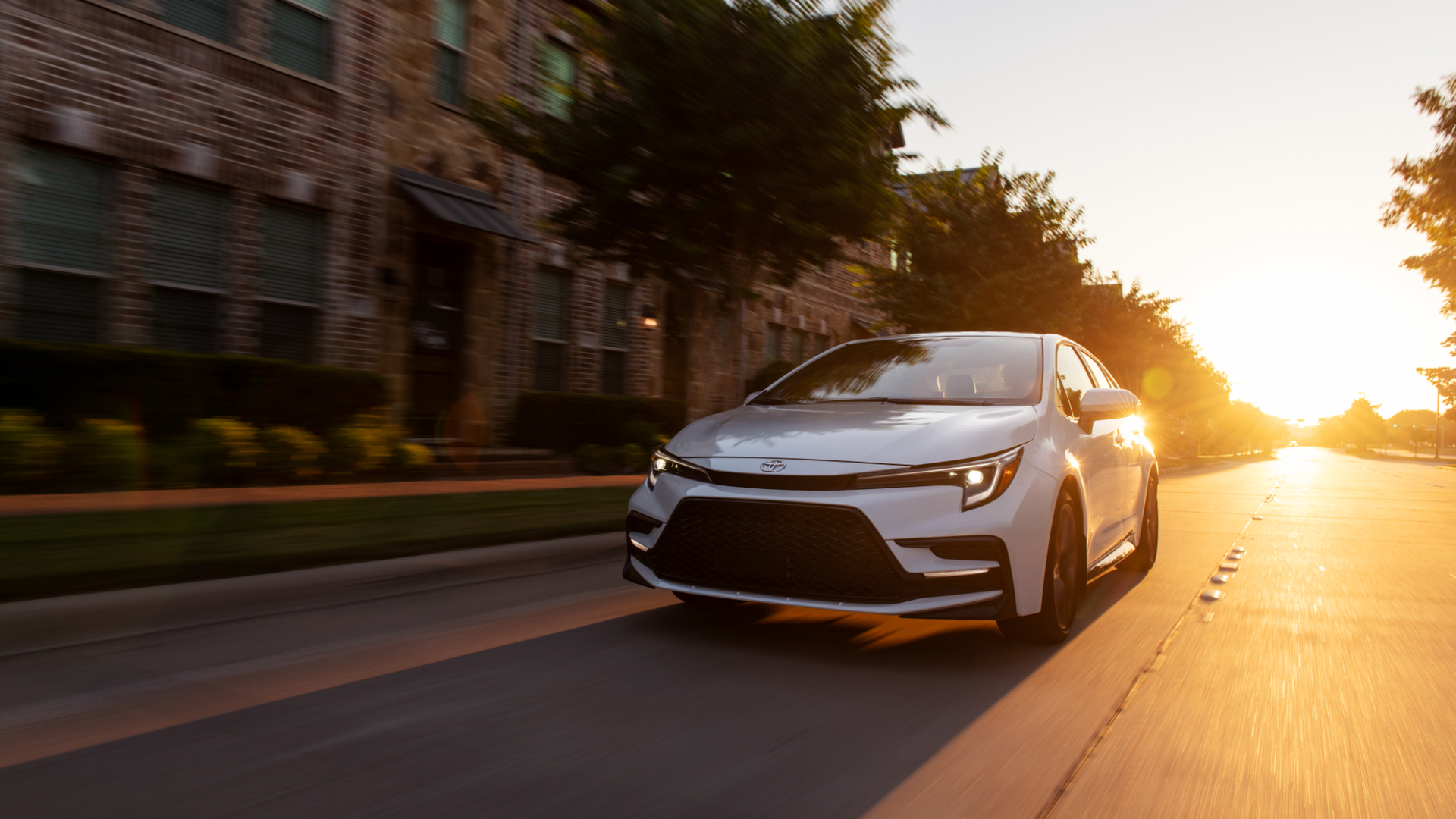
Pricing: how the two stack up in each market
| Market / Trim | Corolla price | Civic price | Corolla advantage |
|---|---|---|---|
| US: entry hybrid | £20,375 (LE Hybrid FWD) | £23,780 (Hybrid Sport) | £3,405 |
| UK: entry hybrid | £29,500 OTR (Icon Hybrid) | £33,395 OTR (Sport e:HEV) | £3,895 |
| Germany: entry hybrid | £28,710 (Team Deutschland Hybrid) | £32,365 (Elegance e:HEV) | £3,655 |
| Australia: drive-away hybrid | £17,645 (SX Hybrid Hatch) | £21,315 (VTi-LX e:HEV) | £3,670 |
Real-world fuel economy and running costs
Under WLTP, the Corolla Hybrid 1.8 returns 57 mpg combined (Imperial, 4.5 L/100 km); the Civic e:HEV 1.5 returns 54 mpg combined (5.0 L/100 km). The Corolla wins on the meter by roughly five per cent, which compounds to a meaningful saving over a 12,000-mile year at UK pump prices , broadly £300 to £500 a year depending on your mix of motorway and town driving. Both cars sit well inside the parameters that make a self-charging hybrid sensible for a UK driver who can’t plug in at home.
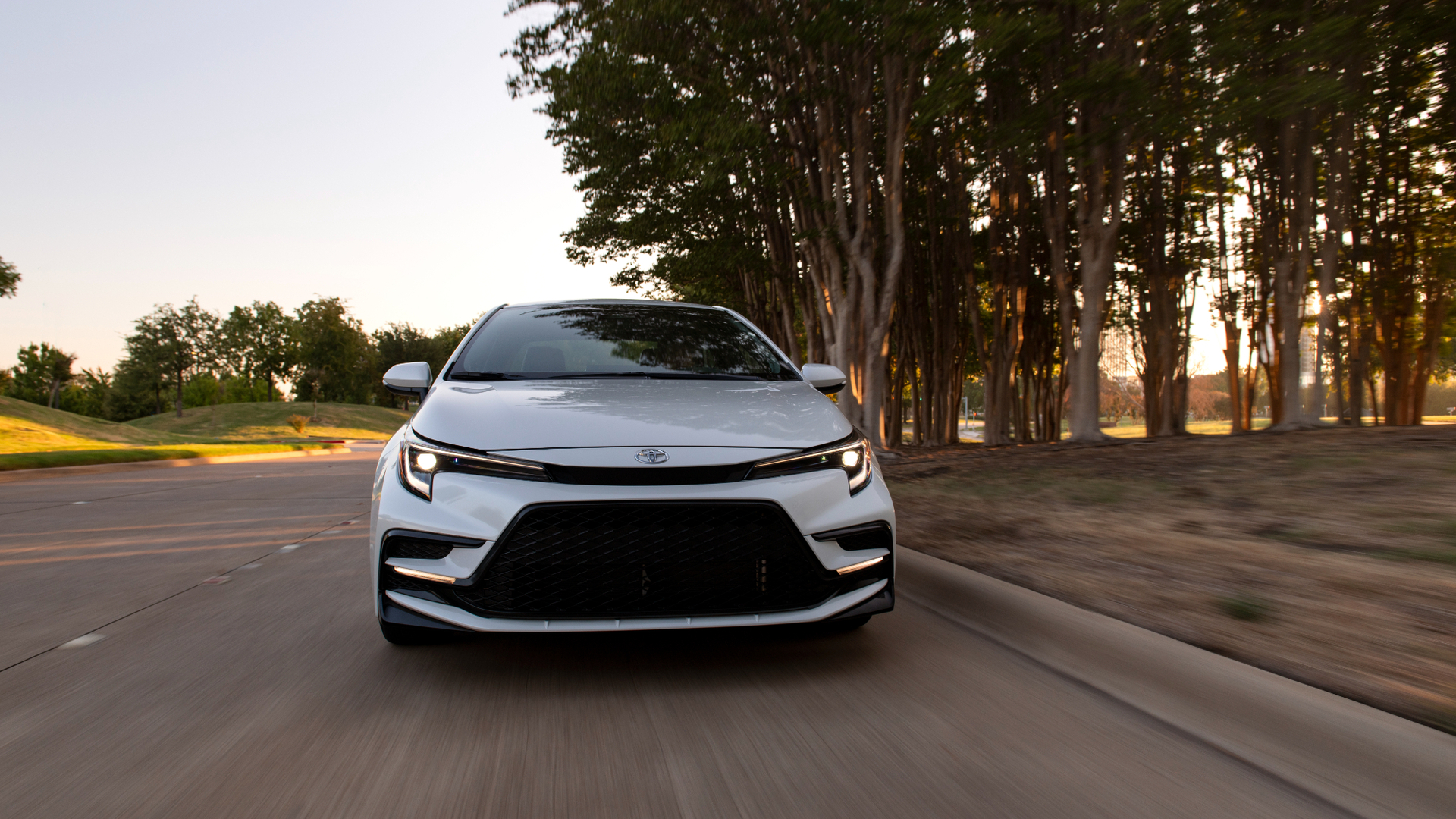
What the Civic wins on (and it does win on some things)
The Civic’s chassis is the more polished driving instrument. The Civic Sport e:HEV on a twisty B-road communicates more clearly than the Corolla GR Sport , the steering loads up naturally on turn-in, and the brake pedal has a firmer initial bite. The Civic’s cabin uses better plastics on the top of the dashboard at the Advance trim and above; the Corolla matches that material quality only on Excel. None of that matters to most buyers, which is why the Corolla outsells it four to one.
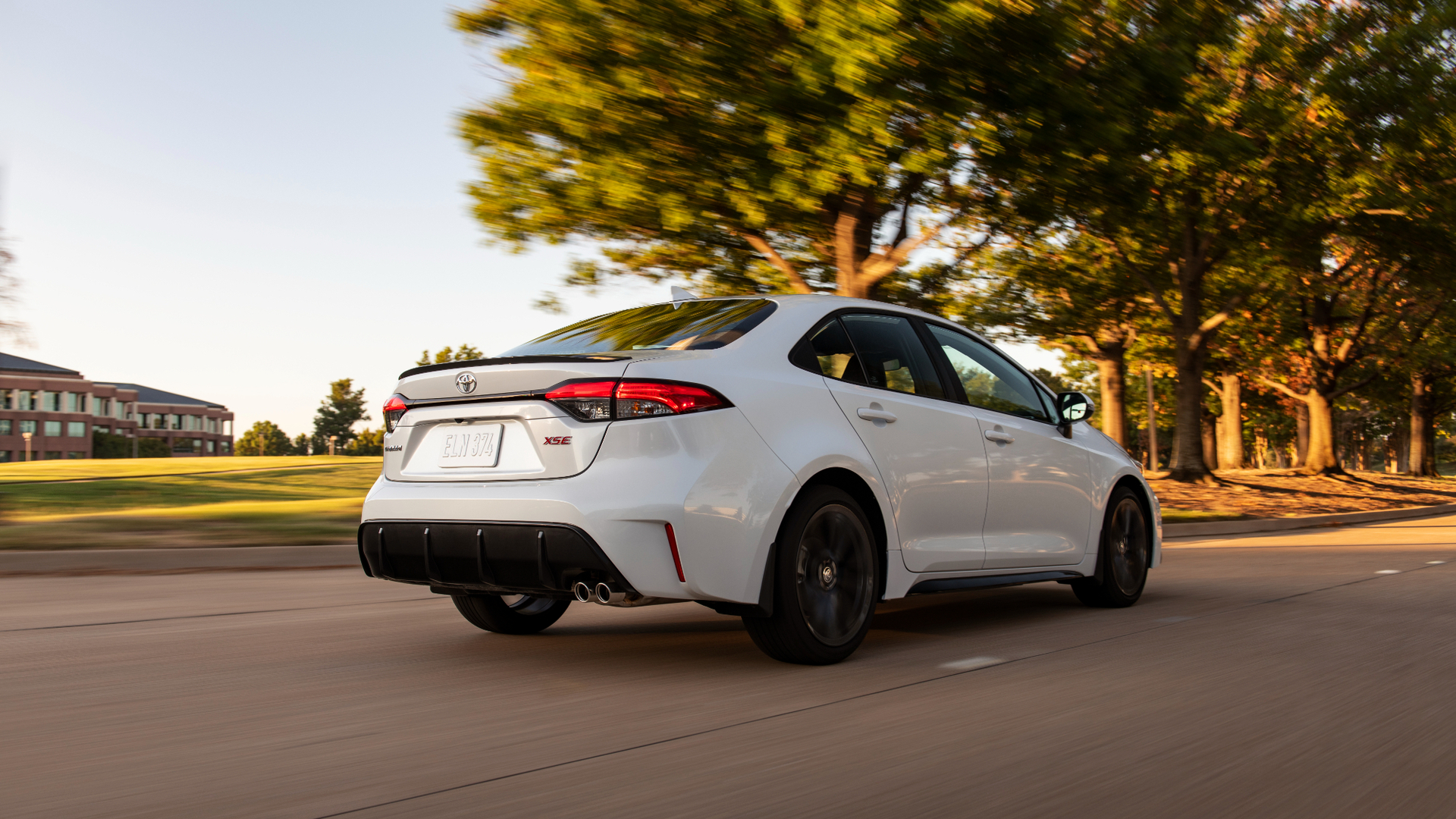
Safety: both five-star, slight differences
Euro NCAP scored the European Corolla 96 per cent for adult occupant protection and 87 per cent for vulnerable road user protection in its most recent retest. The Civic e:HEV scored 89 per cent and 82 per cent on the same metrics. Both carry five-star Euro NCAP ratings on the 2025 to 2026 protocol. The active-safety story is closer than the passive numbers suggest: Toyota Safety Sense 3.0 (standard on every 2026 Corolla UK trim) is at parity with Honda Sensing 360+ on every key feature except automatic lane change, which the Civic lacks on Sport and adds on Advance.
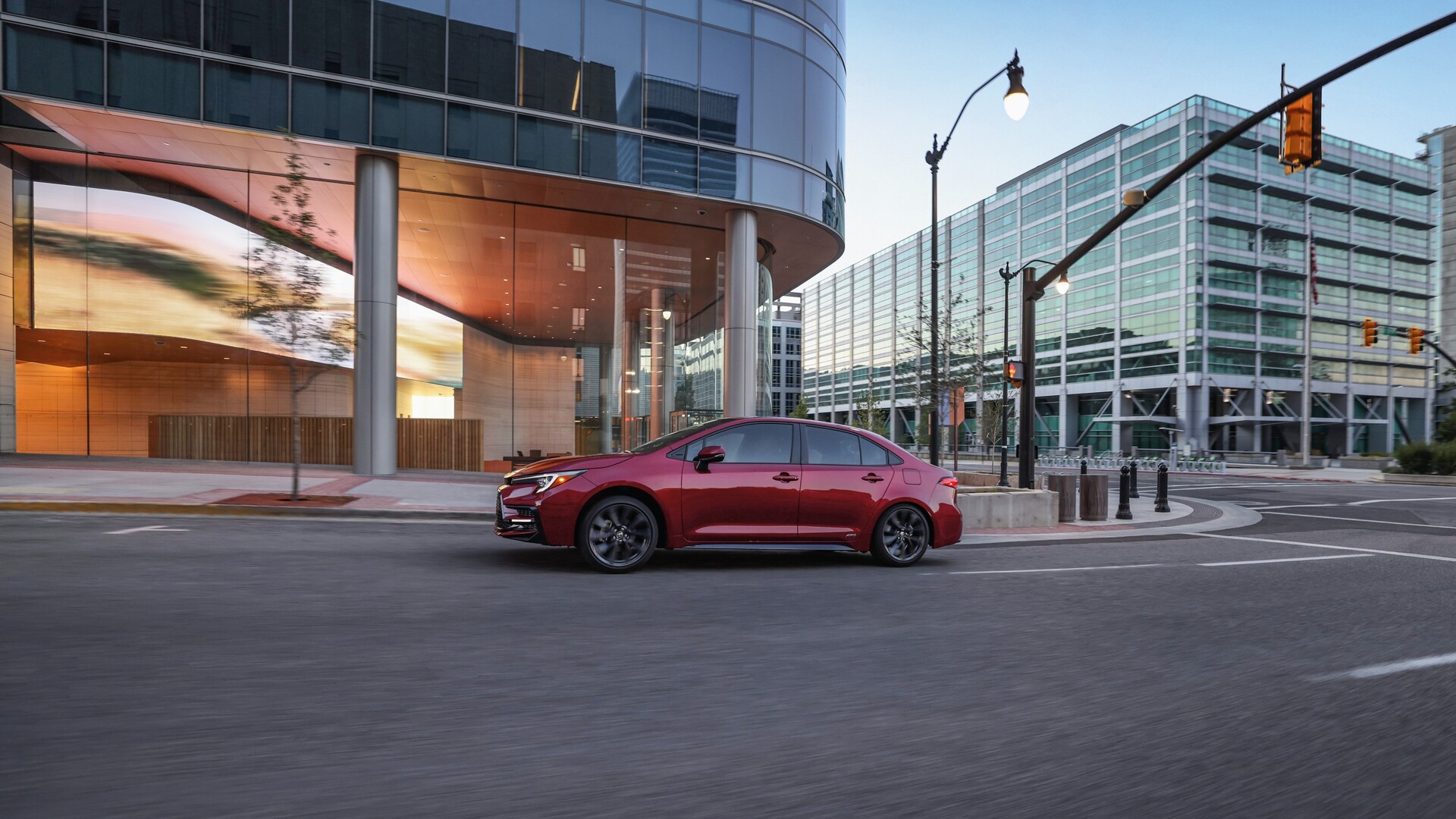
Reliability and resale: where the Corolla pulls clearly ahead
J.D. Power’s 2026 Vehicle Dependability Study ranks the Corolla in the top three for the compact-car segment for the eighth consecutive year. The Civic finishes in the top five over the same window. In the UK, What Car? Reliability Index puts the Corolla in the top five compact cars; the Civic in the top eight. UK trade-guide residuals broadly mirror that: the Corolla Icon Hybrid leads the Civic Sport e:HEV by a few percentage points at the three-year mark, which typically works out to a £1,400 to £2,200 resale advantage over four years on these segment values. That gap matters more than it sounds when you’re working out monthly cost on a PCP , the guaranteed future value drives the payment.
Our take
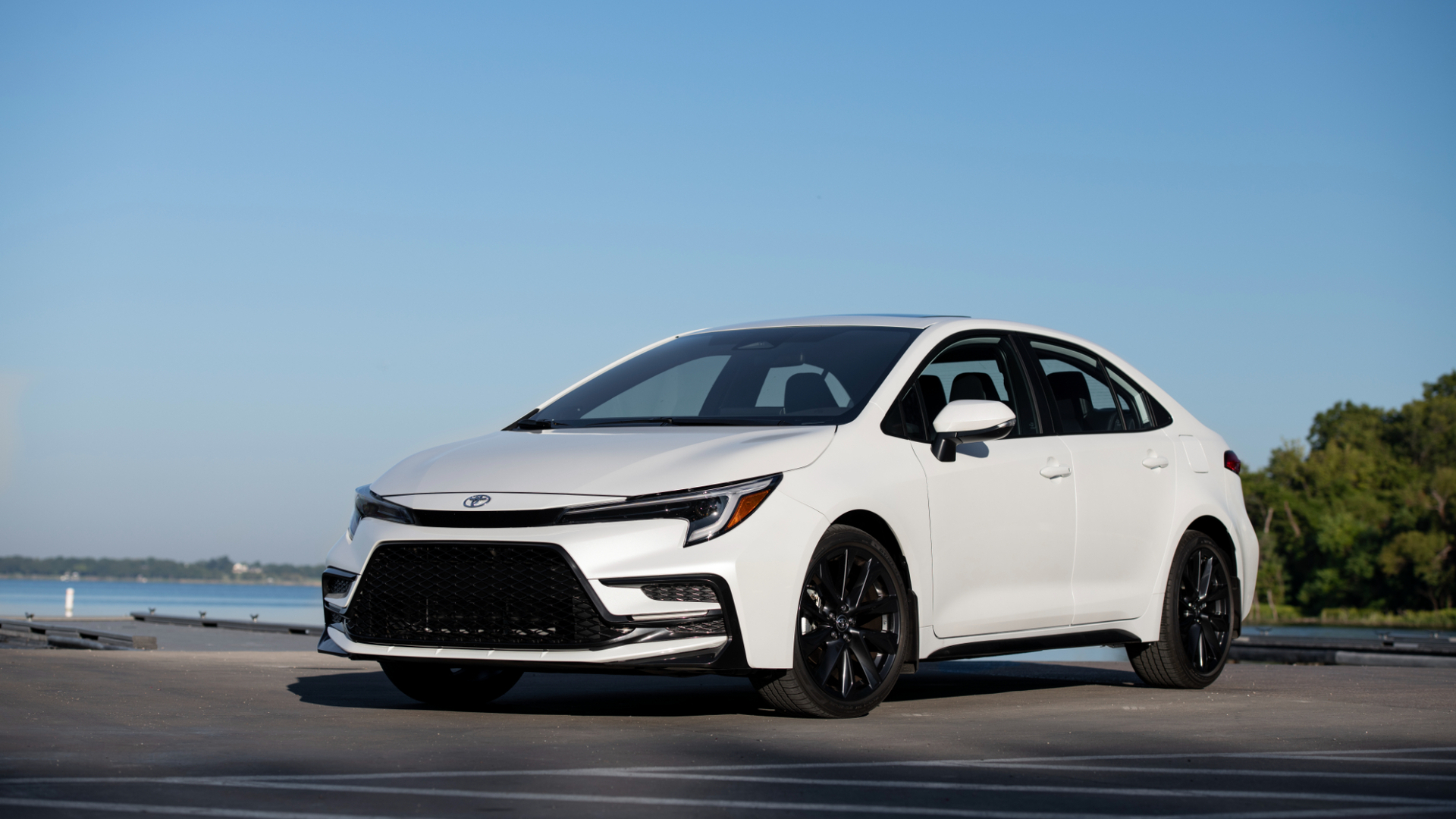
For most UK buyers, the 2026 Toyota Corolla Icon Hybrid is the smarter purchase. The Corolla’s hybrid is cheaper to buy, cheaper to fuel, and worth more at trade-in than the Civic , and for a PCP-funded buyer that residual gap quietly pulls the monthly figure down too. For the small minority who genuinely care about steering feel, chassis response, and the irreducible enjoyment of driving a great compact car, the 2026 Honda Civic Sport e:HEV is the answer and worth the roughly £3,895 premium. Everyone else: Corolla. The annual sales charts, the Euro NCAP retests and the J.D. Power residual tables tell the same story.
Is the 2026 Toyota Corolla better than the 2026 Honda Civic?
How much does a 2026 Toyota Corolla Hybrid cost in the UK?
Is the Corolla Hybrid more reliable than the Civic Hybrid?
Why does Toyota outsell Honda four to one globally?
Are both the Corolla and Civic five-star safety rated?
Related reading on CDE
How we researched this guide
Every pick here is shortlisted from hands-on testing and time spent living with the hardware by the CDE desk, then sanity-checked against current UK pricing, manufacturer specs and real-world performance before it makes the cut. We never rank for commission — affiliate links don't change the order.
Buyer action
Where to check next
Use this as the final check before paying a deposit, signing finance paperwork or relying on a headline monthly figure.