The EV battery replacement cost is the single scariest number in the electric-car conversation, and it is the one most likely to be quoted at you out of context. Yes, a full pack can cost between £5,000 and £15,000 or more, and yes, that sounds terrifying. But a Geotab study published in 2026, drawn from more than 22,000 vehicles, found average battery degradation of just 2.3% a year, which means most packs will comfortably outlast the car around them. So before that headline figure talks you out of a perfectly good electric car, let me show you what it really means for your money, and where the genuine risk actually sits.
EV battery replacement cost in 2026: the key facts
- Full pack: typically £5,000 to £15,000-plus, more on premium cars.
- Warranty: usually 8 years or 100,000 miles, covering catastrophic failure.
- Degradation: around 2.3% a year on average (Geotab, 2026).
- Capacity at 8 years: roughly 80% or more retained on most modern EVs.
- The real risk: crash damage and a write-off, not a worn-out battery.
What replacing an EV battery actually costs
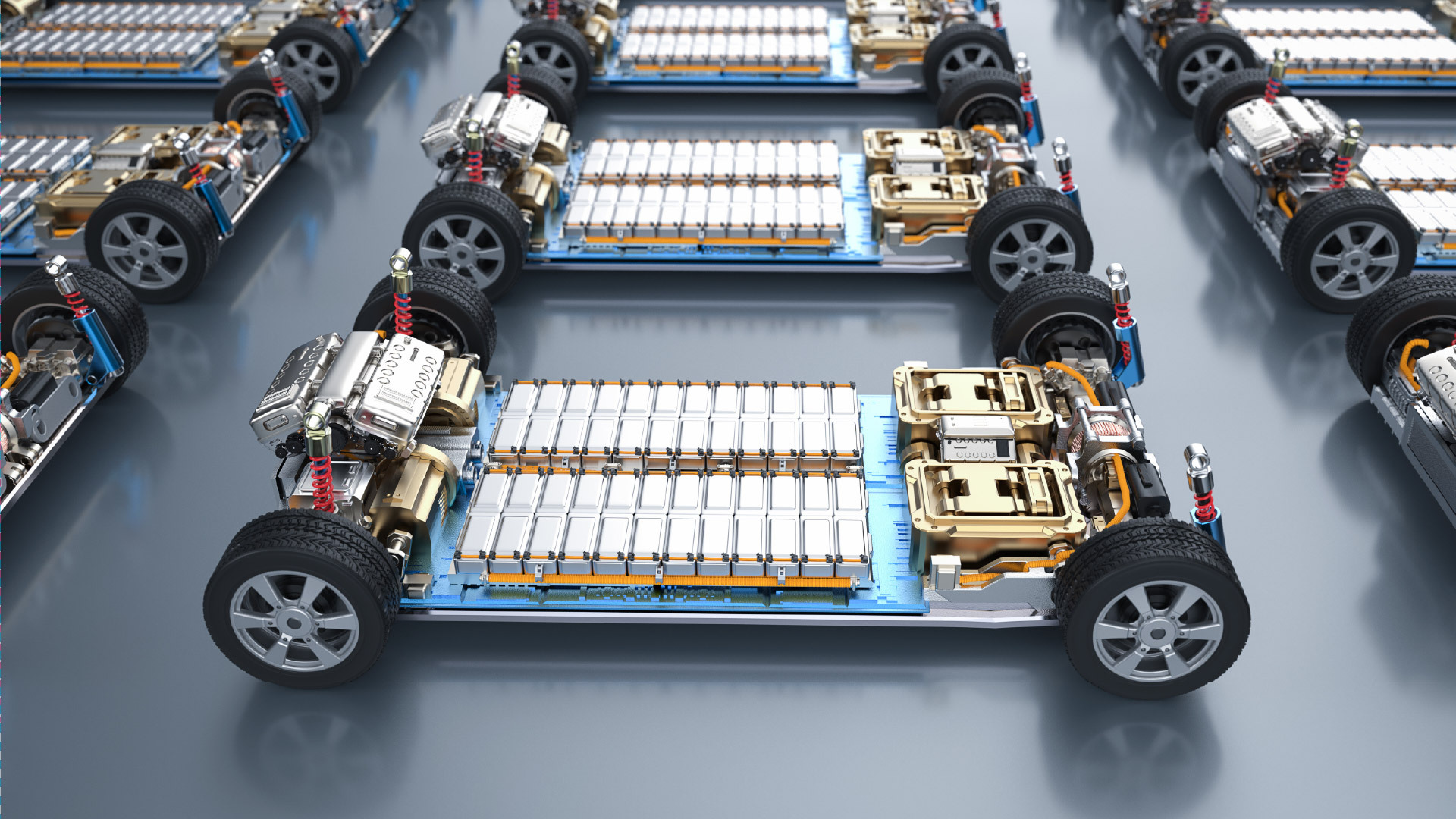
Let me give you the honest range rather than a scare figure. A full original-equipment battery pack in 2026 costs somewhere between £5,000 and £15,000 or more, depending on the car and the size of the pack. A Tesla pack sits around £8,000 to £15,000-plus; a Nissan Leaf battery has been quoted at £14,000 to £16,500; premium SUVs can run higher still. Those are real numbers, accurate as of June 2026, and I am not going to pretend otherwise. What I will tell you is that almost nobody pays them, because a full-pack replacement on a healthy modern EV is a rare event, not a scheduled service item.
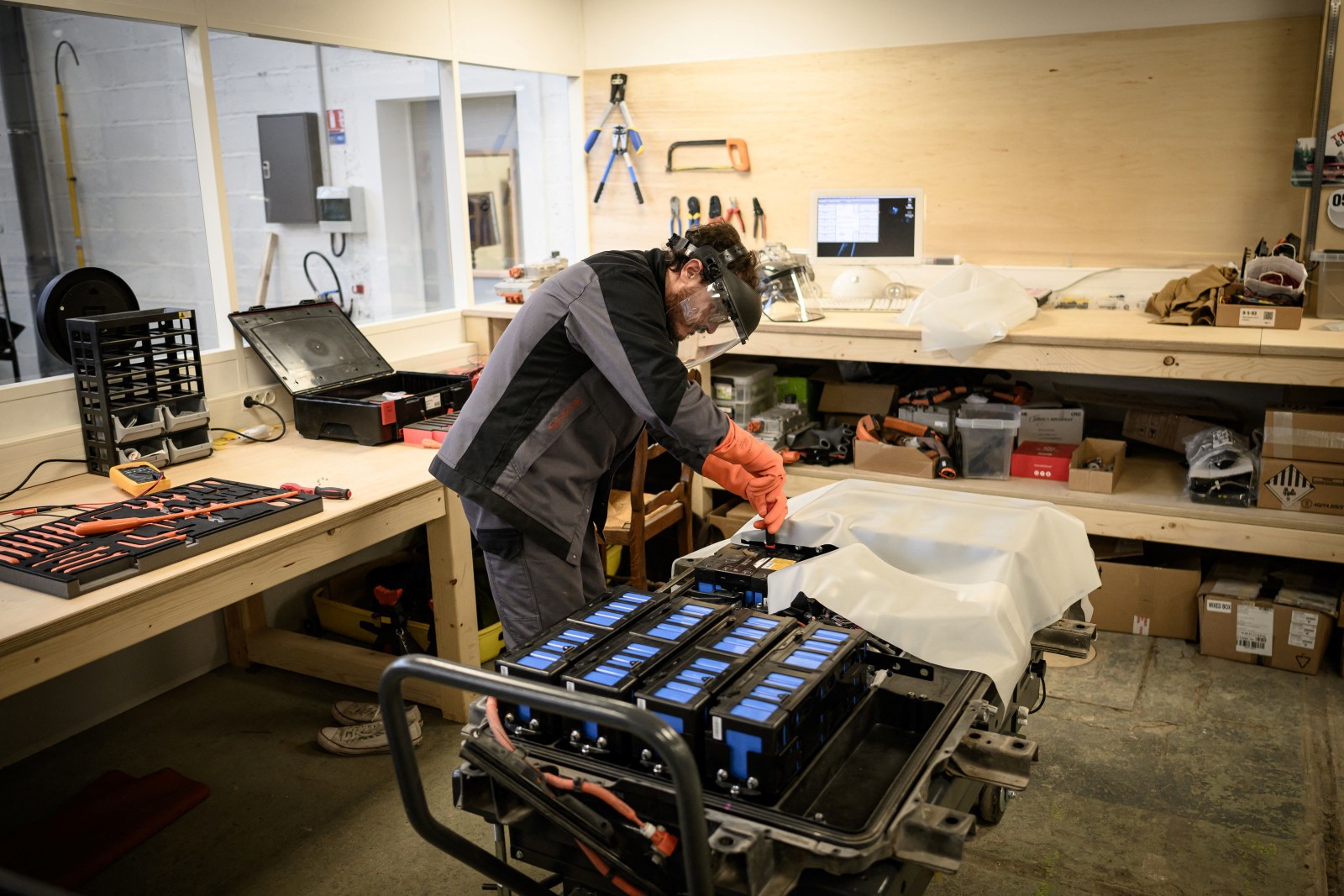
It is also worth knowing that a dead pack rarely means the whole thing is scrap. Batteries are built from modules and cells, and increasingly a fault can be traced to one module rather than the entire pack, which an independent specialist can replace for a fraction of the headline cost. The £15,000 figure is the worst case, the brand-new dealer-fit pack, and quoting it as if it were the likely outcome is exactly the kind of out-of-context scaremongering I spend my time correcting.
Why the warranty makes the bill almost theoretical
Here is the protection most people forget they have. Nearly every manufacturer warranties the battery for 8 years or 100,000 miles, and that warranty does not just cover the pack catching fire; it guarantees the battery will hold a minimum capacity, usually around 70%, over that period. If your battery drops below that threshold while still in warranty, the manufacturer fixes or replaces it and you pay nothing. That is years of cover on the one component people fear most, and it is the single biggest reason the replacement-cost headline is more theoretical than real for most owners.
That is also why, when I look at a used EV, the warranty status matters more than the mileage. A car with three years of battery cover left is a very different proposition from one that has just run out, and it is worth reading our explainer on how EV battery warranties actually work before you buy. Check whether the cover transfers to a second owner, because most do, and get the remaining term in writing. It is the same buyer’s-side discipline I apply to EV insurance costs: know exactly what you are covered for before you sign.
How fast batteries really degrade
This is where the data does the talking and the fear falls apart. The 2026 Geotab analysis put average degradation at about 2.3% a year, and projected most batteries would still hold around 80% of their capacity at the eight-year mark. Other large real-world datasets land in the same place, with the great majority of range still on the table after the first few years. Degradation is also front-loaded, with a slightly faster drop in the first year or two before it settles into a slow, predictable decline. In plain terms, a healthy EV battery loses a sliver of range each year and then plateaus; it does not fall off a cliff.
The battery is the part buyers fear and the part that almost never fails. The bills that actually catch EV owners come from a crash, not a calendar.
The real risk: a write-off, not a worn-out pack
If you want to know what genuinely costs EV owners money, it is not gradual degradation, it is damage. A battery pack mounted in the floor of the car can be expensive to assess and repair after even a moderate shunt, and because insurers struggle to verify the health of a knocked-about pack, they sometimes write the car off rather than risk repairing it. That is the scenario I would actually plan for, and it is why I bang on about getting the insurance right on an electric car rather than fixating on a degradation figure that the data shows is mild. The pack is more likely to end your car’s life through an insurance decision than through wearing out.
So the practical defences are about cover, not chemistry. Make sure your policy reflects the car’s real replacement value, check how your insurer treats battery damage, and if you are buying used, weigh the running-cost picture as a whole, from the Advisory Electricity Rate on business miles to what public charging now costs. A premium used EV like the Audi Q8 e-tron can be strong value second-hand precisely because buyers over-worry about the battery and under-check the things that actually bite.
What I’d check before I let battery fear stop a sale
Here is where I land. I would not let the EV battery replacement cost talk me out of a sensible electric car, because the data and the warranties simply do not support the panic, but I would never buy one without doing three things. First, confirm exactly how much battery warranty is left and that it transfers to me, in writing. Second, ask for a state-of-health reading and compare the range at 100% against the original figure; a healthy used car should be close. Third, get the insurance properly quoted before I commit, because a damaged pack and a write-off are the genuine financial risk, far more than gradual degradation. Do those three and the scary headline number becomes what it should be: a worst case you are very unlikely to meet. This is general guidance rather than advice for your exact situation, so check the warranty terms and an insurance quote for the specific car before you buy.
The large real-world datasets, including the Geotab analysis of more than 22,000 vehicles, consistently tell the same story: modern EV batteries are lasting longer than the early fears suggested, and the replacement bill is a rare event, not an inevitability. It is the same conclusion the independent consumer groups keep reaching, and it is the one I would hold onto when a headline number tries to talk you out of a perfectly good electric car.
Buyer action
Where to check next
Use this as the final check before paying a deposit, signing finance paperwork or relying on a headline monthly figure.