News · 16 Mar 2018 · Car Deal Expert Editorial Team
Originally published 2018-03-16T12:06:17+00:00. This article is part of the CarDealExpert historical archive — see our latest UK car-finance, insurance and used-car coverage in the menu above.

Yes, you DO need winter tires. All seasons aren’t as good. Image from Wikimedia Commons.
If you live anywhere that gets all four seasons, especially snow, you really do need winter tires. No, this isn’t a shill for Les Schwab or Tire Rack but I will gladly accept money from them if they feel I warrant it. (I think so, but then again I would.) Some people think all season radials will see them through and they are just plain wrong.
The research on winter tires has been done
The legwork has been done and yes, you need winter tires. Winter tires, snow tires, whatever you want to call them, are better than a set of all season radials at handling snow. There’s good reason for it – they are designed to better handle wet and cold conditions, whereas all-seasons are essentially jacks-of-all-trades but masters of none. They do just about everything competently, but nothing masterfully.
Survey says
A number of publications have done experiments. For instance, Inside Line, former blog of Edmunds.com, experimented with a Honda Civic Si (the US version of the Type R) in a snow-covered area and found all seasons took up to 18 percent longer to stop compared to winter tires, and summer slicks took 120 percent greater distances compared to snow tires. All-seasons also reduced acceleration by 24 percent in snow.
Popular Mechanics took two Chevrolet Equinox CUVs (one AWD, one FWD) to the Enviro testing center in Baudette, Minn., in 2011 – it’s the same facility most automakers use for their cold-weather/snow testing in the U.S. – to test the idea. In both cases, snow tires took less time to slow the cars from 60 mph to 0 mph, and took 10 (or more) feet fewer to stop. Acceleration and cornering were also improved by snow tires. The FWD car with snow tires, in fact, out-cornered the AWD car with all-seasons.
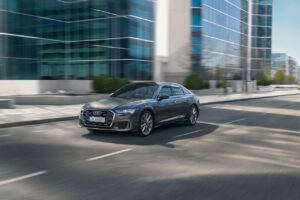
Think modernity has anything to do with it? Give the Governor a harrumph! Car and Driver tested an AWD Audi A6 and Mercedes-Benz E320 vs. their respective FWD and RWD counterparts with all-season and winter tire sets in the frozen heart of a Michigan winter in the white stuff in 1999. Winter tires gave the two-wheel drive cars a boost of more than 25 percent in acceleration to 50 mph and shaved about 20 percent off braking distance from 50 mph to 0.
Clearly, cars stop and go in the snow better on winter tires.
For science!
Winter tires are different than all-seasons and summer tires for two reasons – the rubber compounds and the tread. The rubber in winter tires is formulated to soften as the temperature drops, whereas all-seasons harden. Softer rubber “sticks” to surfaces better, creating more friction, thus increasing the “grip.”
The tread employs more aggressive siping, or the grooves cut into the surface of the bits that contact the road, along with bi-directional grooves between the contact patches. What this means in English is that snow, ice and water are basically flicked away from the tire contact patch. This ensures the tire grips the road and reduces the risk of hydroplaning.
Winter tires today are different from the knobby affairs of years past. Studs are also getting less common; studded tires are actually less grippy than non-studded winter tires. Better siping and chemical engineering have made winter treads much better than studs.
So there you have it. Buy some winter tires already.
From the current CDE newsroom
 Vauxhall and Opel recall UK 2026: the affected models explainedForty-four thousand UK cars, a free 30-minute fix, and a fault that gets more dangerous in the rain — that is ...
 Vauxhall and Opel recall UK 2026: the affected models explainedSeven hundred thousand cars worldwide, 44,000 of them on UK driveways, all sharing the same small petrol engin...
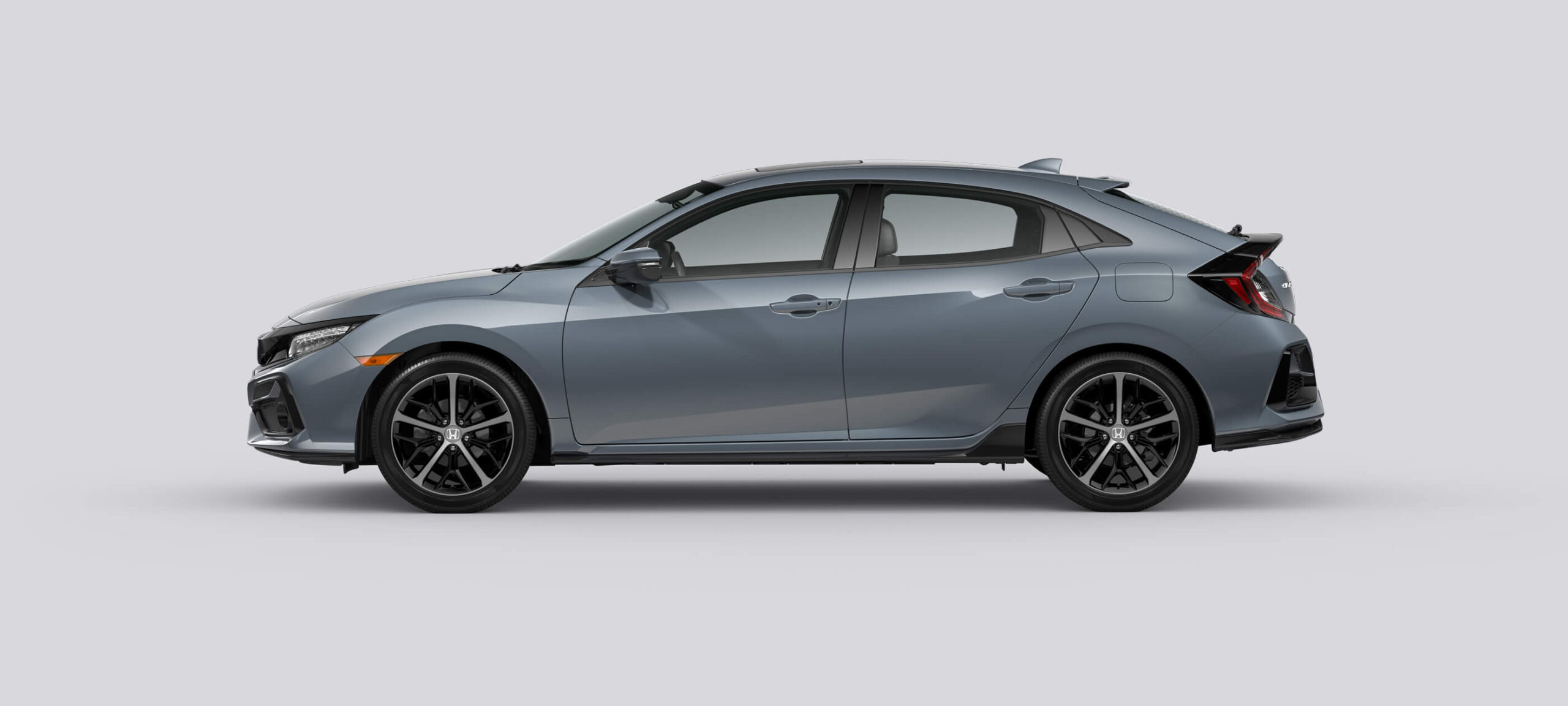 Honda Civic recall: 46,152 UK cars checked over loose wheelsHonda is recalling 46,152 UK Civic 5 Door cars from 2017 to 2021 over wheel nuts that can work loose. Here is ...
Buyer action
Where to check next
Use this as the final check before paying a deposit, signing finance paperwork or relying on a headline monthly figure.