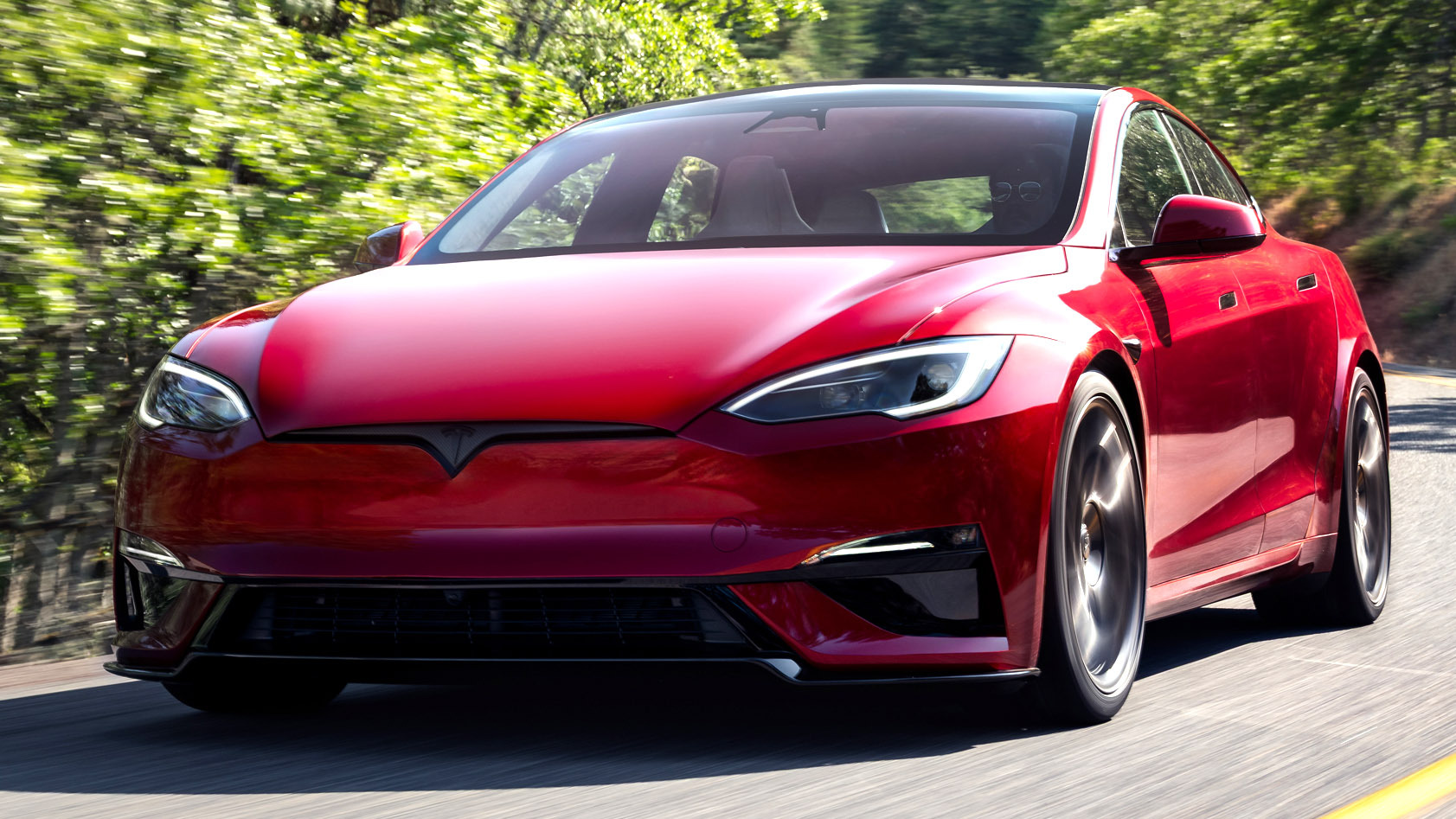
Tesla Model S salary sacrifice is the question we get from six-figure earners who want the biggest, fastest car the payroll trick will buy, and the honest answer is that the maths works on paper but the car barely exists to buy. Tesla stopped building right-hand-drive Model S for the UK, so a scheme car means a used or imported left-hooker, and at a P11D north of £95,000 the gross sacrifice is roughly double what a Model Y costs for a saving rate that is no better. We show the worked numbers for a 40% and a 45% taxpayer, then tell you who it actually suits.
What real owners say (CDE data)
- Most-praised aspects: straight-line pace and overtaking ease; long real-world motorway range on the Long Range; the quiet, low-fatigue cabin on a long UK commute.
- Most-criticised aspects: left-hand-drive frustration at UK toll booths and car parks; firm low-speed ride on the 21-inch wheels; patchy panel fit and the cost of out-of-warranty repairs once a car ages past the Tesla warranty.
- Reliability signal: owners flag the air suspension and the 12V/low-voltage system as the recurring spend on higher-mileage cars; check the DVSA recall lookup by VIN before you sign, because recall actions on Tesla models are issued periodically and a used import may not have had them applied.
Can you even get a Tesla Model S on a UK scheme in 2026?
This is the part most “flagship EV sal-sac” articles skate over. Tesla no longer builds the Model S in right-hand drive, and Carwow reports the car was pulled from new UK and European order books, leaving buyers to source a used right-hooker or import a left-hand-drive car (Carwow news, accessed 6 June 2026). The last official UK list prices were £95,480 for the Long Range and £114,930 for the Plaid. Most mainstream salary-sacrifice providers build their offer around new stock they can order and insure as a fleet, so a new Model S simply is not on the configurator.
There is a narrow route in. Octopus EV and a handful of rivals now run a used or approved-used salary-sacrifice scheme, typically for cars under around four-and-a-half years old with under roughly 70,000 miles. A clean used Model S that meets those limits could in principle go on a used scheme, but availability is thin and the provider has to be willing to take an LHD car onto fleet insurance. If you are still deciding whether payroll is even the right route for a high earner, our breakdown of salary sacrifice versus a car allowance for a higher-rate EV buyer covers the same tax engine on the decision that comes before the car.
How the tax actually works on a £95k EV
Salary sacrifice swaps gross pay for a non-cash benefit (the car), so you stop paying Income Tax and National Insurance on the sacrificed amount, then pay company-car Benefit-in-Kind tax on the car instead. For a fully electric car the BiK appropriate percentage is just 4% for the 2026/27 tax year, climbing in single-percentage-point steps in the following years on HMRC’s published schedule, so a longer term means a slightly higher benefit charge later (HMRC appropriate percentage tables, accessed 6 June 2026).
The BiK cash value is P11D value multiplied by the 4% rate multiplied by your marginal Income Tax rate. On a Model S with a P11D of about £95,425 (the last UK Long Range list, less the first-registration fee), the taxable benefit is roughly £3,817 a year. A 40% taxpayer pays about £1,527 of BiK tax on that; a 45% taxpayer about £1,718. That is the cost side. The saving side is far larger, because you are no longer taxed on the sacrificed salary.
One detail trips up nearly every flagship calculation: National Insurance. A six-figure earner who can afford to sacrifice £1,400 a month is sacrificing salary that sits above the £50,270 Upper Earnings Limit, where employee NI drops to 2%, not the 8% main rate (gov.uk rates and thresholds 2026/27, accessed 6 June 2026). So the NI saving on a big sacrifice is small. The real engine here is the 40% or 45% Income Tax relief, not NI.
Worked numbers for a 40% taxpayer
Here is an illustrative 36-month deal on an all-inclusive used scheme, with a gross sacrifice of £1,400 a month covering car, insurance, maintenance, tyres and breakdown. We have used an illustrative gross figure because no provider currently publishes a live new-car quote for the Model S; treat the gross sacrifice as a planning estimate, not a quoted price. Every rate cell is sourced below the table.
| Line | Monthly | Annual |
|---|---|---|
| Gross salary sacrifice (illustrative, inc VAT) | £1,400 | £16,800 |
| Income Tax saving at 40% | £560 | £6,720 |
| National Insurance saving at 2% (above UEL) | £28 | £336 |
| BiK tax cost (£95,425 P11D x 4% x 40%) | £127 | £1,527 |
| Net cost | £939 | £11,271 |
The headline: a £1,400 gross sacrifice nets out at roughly £939 a month for a higher-rate taxpayer, because the net cost is about 67% of the gross. That is a genuine saving against a personal lease or PCP, where you would pay the equivalent of the full £1,400 out of taxed income. For context on where that money goes when the scheme ends, our piece on salary sacrifice EV hidden costs walks through charging, tyres and the early-exit trap.
Worked numbers for a 45% taxpayer
An additional-rate taxpayer gets more relief on the same sacrifice, so the net monthly cost is lower again. This is the counterintuitive bit owners often miss: the higher your marginal rate, the cheaper the same car becomes net, even though your BiK bill is slightly larger.
| Line | Monthly | Annual |
|---|---|---|
| Gross salary sacrifice (illustrative, inc VAT) | £1,400 | £16,800 |
| Income Tax saving at 45% | £630 | £7,560 |
| National Insurance saving at 2% (above UEL) | £28 | £336 |
| BiK tax cost (£95,425 P11D x 4% x 45%) | £143 | £1,718 |
| Net cost | £885 | £10,622 |
At 45% the same Model S nets out near £885 a month, about £54 a month less than a 40% earner pays for the identical car. Scottish taxpayers should note their own bands differ, with higher advanced and top rates that nudge the saving up further; check your payslip code before assuming rest-of-UK numbers. If you sit close to the £125,140 additional-rate threshold, the sacrifice can also pull you back under the 60% personal-allowance-taper band, which sweetens the effective relief beyond the headline 45%.
The minimum-wage floor that catches mid-range salaries
Salary sacrifice cannot legally take your gross pay below the National Living Wage, which rises to £12.71 an hour from April 2026 (gov.uk minimum wage rates, accessed 6 June 2026). On a 37.5-hour week that is about £24,800 a year. A £16,800 annual sacrifice for a Model S therefore needs a gross salary of at least roughly £41,600 just to clear the legal floor, and in practice far more, because most schemes also cap the sacrifice at around half your gross pay and require headroom for pension and other deductions.
That is why a Model S sacrifice realistically only fits salaries well into higher-rate territory. On a £55,000 salary, a £16,800 sacrifice is over 30% of gross and bumps into scheme caps before the NLW floor; the car suits a £90,000-plus earner with room to spare. A cheaper EV avoids the problem entirely, which is the central reason we steer most readers down a tier, as the next section shows.
Diminishing returns versus a Model 3 or Model Y
Here is the comparison that decides it for most people. The Model Y Standard lists from £41,990 and the Model 3 Standard from £37,990 in 2026, and both are available to order new on essentially every salary-sacrifice scheme. Because BiK is a percentage of P11D, a Model Y’s taxable benefit is less than half the Model S figure, and the gross sacrifice is roughly half too. You get the same 4% BiK rate, the same Income Tax relief mechanism, and an EV you can actually configure and insure as new fleet stock.
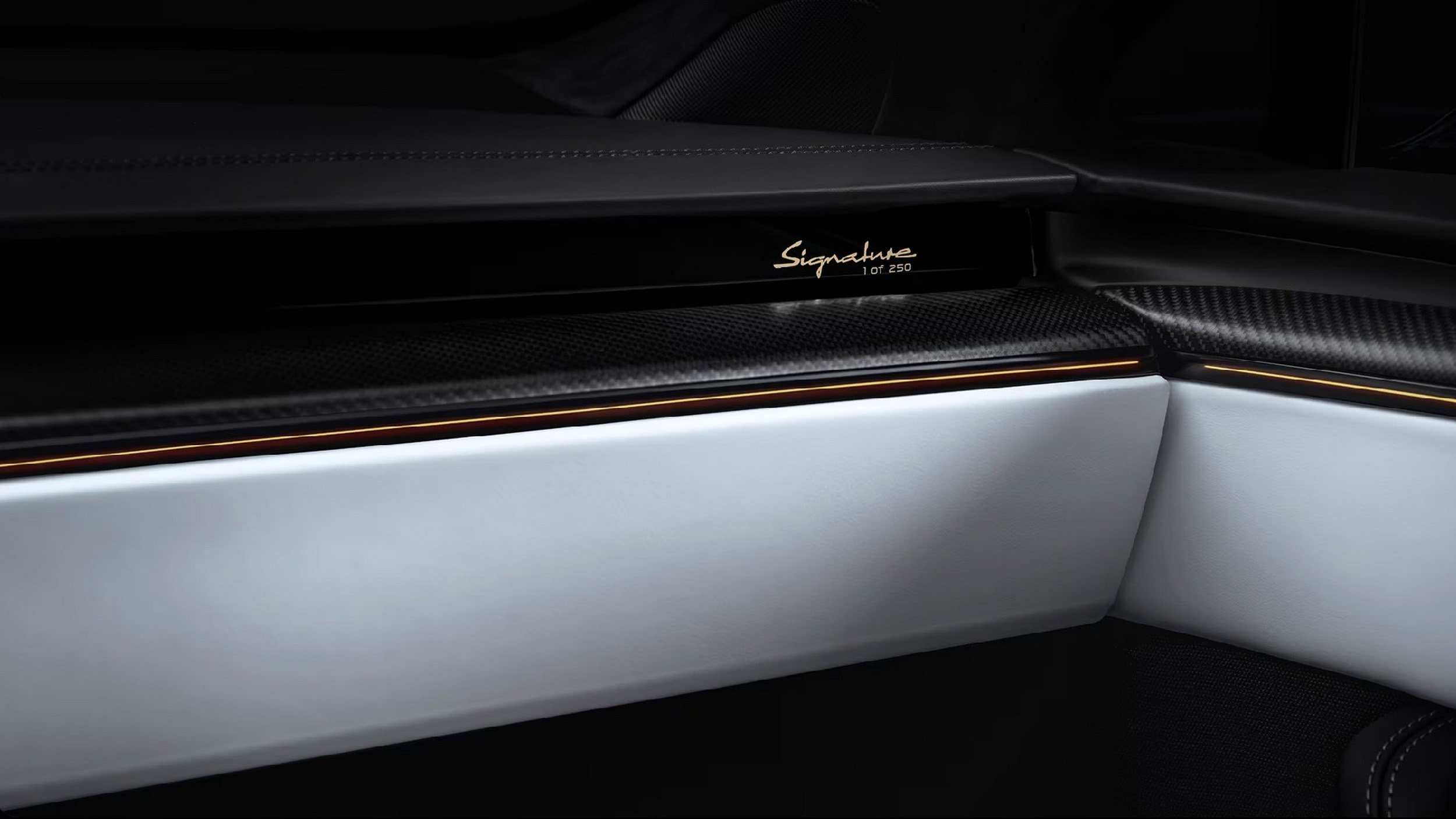
So the Model S buys you more car (more pace, more space, more presence) but at close to double the net monthly outlay of a Model Y, for a left-hand-drive used car rather than a new one. The percentage saving is identical; the absolute cost is not. Readers weighing the mid-tier should see our Tesla Model Y salary sacrifice numbers for 2026 and, for the saloon, the Model 3 month-one maths. If you are set on the flagship feel, the Model X salary sacrifice case faces the same right-hand-drive availability wall.
Which scheme provider could actually list it
Because new stock is gone, your only practical sal-sac route is an approved-used scheme. Octopus EV’s used scheme is the most visible, with cars typically under four-and-a-half years and 70,000 miles; rivals run similar limits. Whether any will take a Model S comes down to live stock and their appetite for an LHD car on fleet insurance, so treat it as a phone call, not a given. Our comparison of Octopus EV versus Loveelectric and the wider Tusker, ElectriX and Octopus EV scheme-rules breakdown show how exit terms and used eligibility differ, which matters far more on a scarce car like this. Our full electric-car coverage tracks which premium EVs are actually orderable on UK schemes right now.
Common misconceptions about a flagship sacrifice
Three myths cost flagship buyers money. First, that the BiK stays at 4% forever: it does not, it rises in steps on HMRC’s published schedule, so a longer term raises your benefit bill year on year. Second, that you keep the savings if you leave the employer mid-term: most schemes have early-exit charges, and a job move or redundancy can leave you liable, which is a bigger risk on a higher-value car. Third, that NI relief is huge: on a sacrifice above the £50,270 Upper Earnings Limit it is only 2%, so the case rests almost entirely on Income Tax relief. Read the scheme’s early-termination wording before you sign, especially on a used Model S you cannot easily re-lease.
Our take on Tesla Model S salary sacrifice
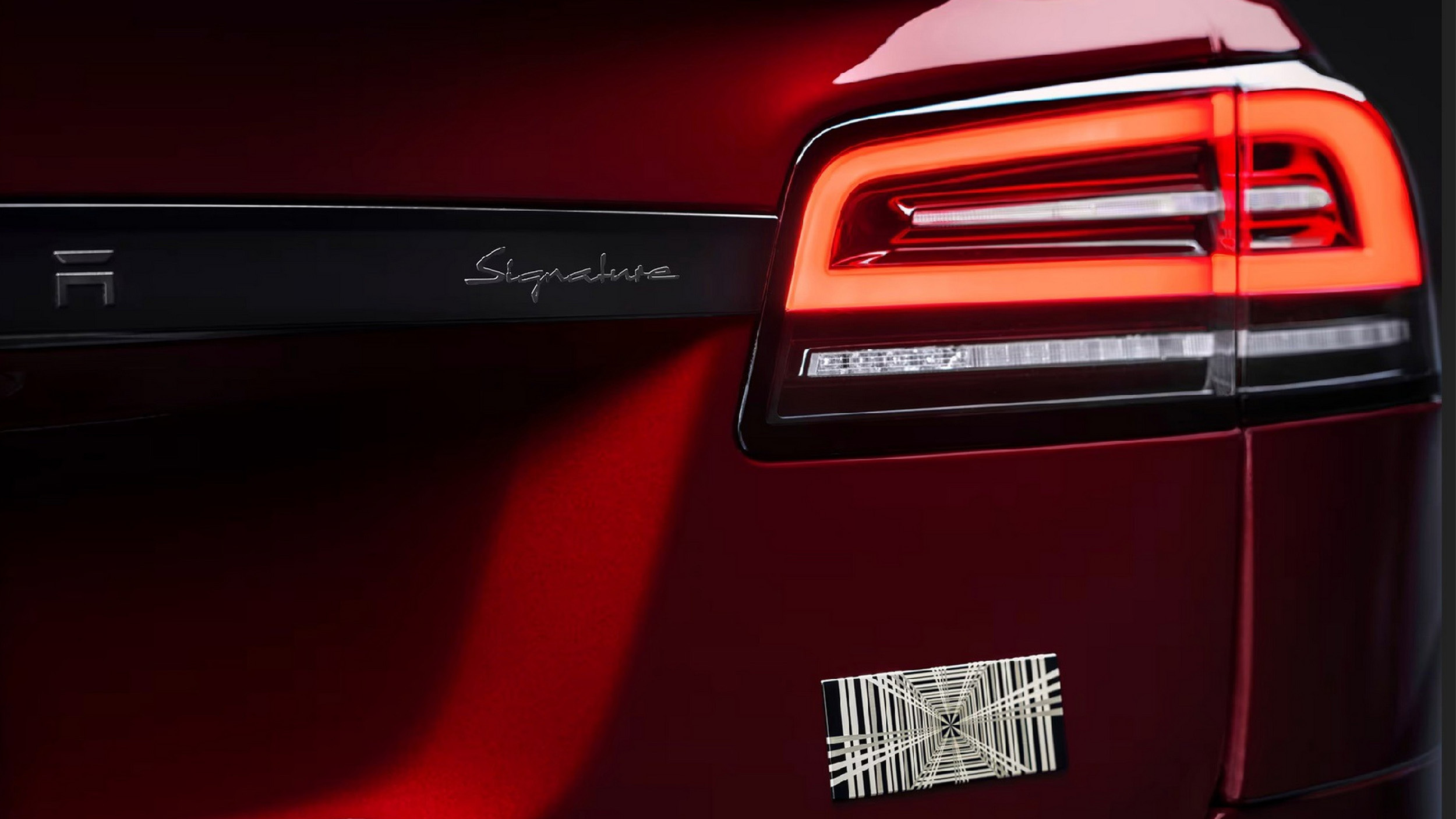
Our view on Tesla Model S salary sacrifice: the tax case is real, but the car is the wrong end of the deal for almost everyone. At a P11D near £95,000 the 4% BiK rate keeps the benefit tax small, and a 45% taxpayer can net the car at roughly £885 a month against £939 for a 40% earner, a genuine discount on taxed-income alternatives. The problem is supply and proportion. Tesla does not build a new right-hand-drive Model S, so a scheme car means a used or imported left-hooker on a thin approved-used route, and the net monthly cost is close to double a Model Y that saves at the same rate and can be ordered new tomorrow. The Model S suits one buyer: a £90,000-plus, 45% earner who specifically wants the size and pace, has scheme headroom above the minimum-wage floor, and will accept left-hand drive. Everyone else nets more car-per-pound, and far less hassle, one tier down.
Can you get a new Tesla Model S on salary sacrifice in the UK in 2026?
What is the BiK rate on a Tesla Model S for 2026/27?
How much does a Tesla Model S cost net per month on salary sacrifice?
Why is the National Insurance saving so small on a Model S sacrifice?
Is a Model S worth it over a Model Y on salary sacrifice?
Could the minimum-wage rule block a Model S sacrifice?
This article is general guidance, not personal tax or financial advice, and CDE has not driven this specific car. Tax rates, scheme rules and prices change; confirm the current figures with HMRC, gov.uk and your scheme provider, and take advice on your own circumstances before committing to a salary-sacrifice agreement.
Buyer action
EV and salary-sacrifice checks
Use this as the final check before paying a deposit, signing finance paperwork or relying on a headline monthly figure.